Newly Released Video And 911 Calls Reveal Chaotic Final Moments After Fatal Track Meet Incident In Texas
Newly released emergency audio and investigative video have brought renewed public attention to the fatal incident involving high school athlete Austin Metcalf, offering a clearer picture of the confusion, urgency, and emotional response that unfolded inside David Kuykendall Stadium in Frisco, Texas.
The material became public following the conclusion of court proceedings and immediately reignited national discussion surrounding one of the most closely followed youth violence cases in recent years.
The recordings and footage do not tell the entire story on their own, but they provide a closer look at the moments immediately after the confrontation and the efforts made to save Austin’s life.
The incident occurred during a high school track meet on April 2, 2025.
According to trial evidence and investigative records, Austin Metcalf, 17, suffered a fatal chest wound during an altercation involving fellow student athlete Karmelo Anthony, who was also 17 at the time.
Witnesses described the atmosphere changing instantly from routine competition to confusion and emergency response.
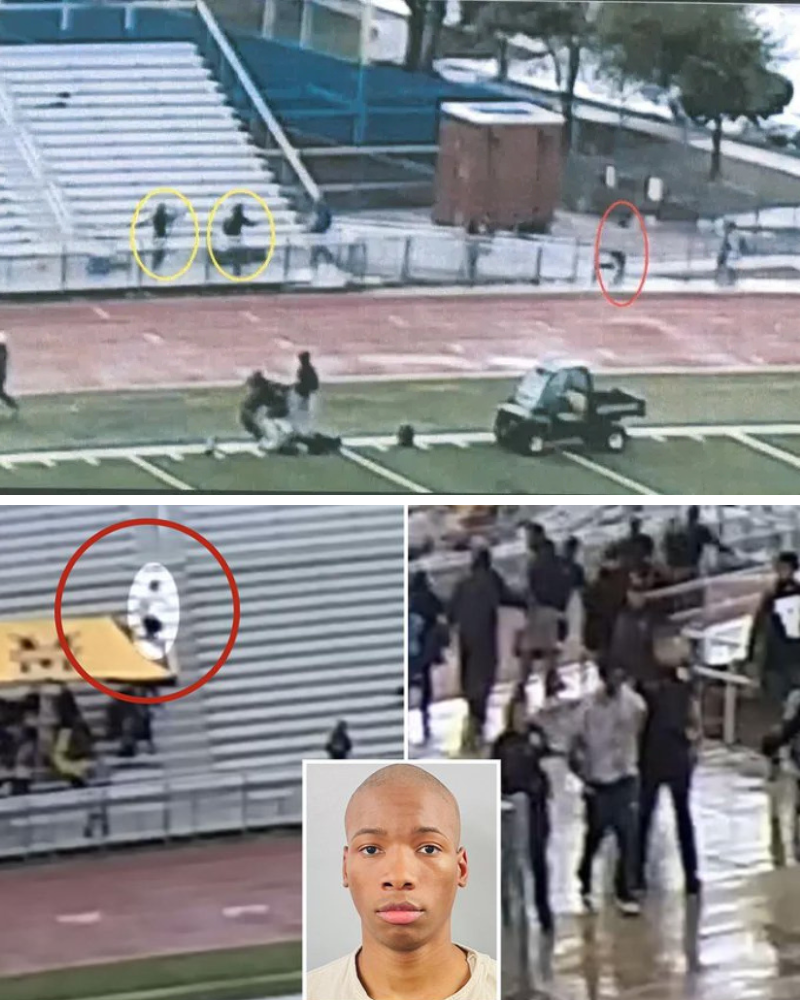
Students moved away from the area while coaches and adults rushed toward the injured teenager.
Emergency communications released later captured the intensity of those first moments.
One caller urgently described severe bleeding and requested immediate medical assistance.
Other recordings documented attempts by adults at the scene to keep Austin conscious while waiting for emergency personnel to arrive.
Coaches and bystanders worked under pressure in conditions that several witnesses later described as overwhelming and difficult to process.
The recordings do not present graphic content but reflect the urgency and uncertainty present during the response.
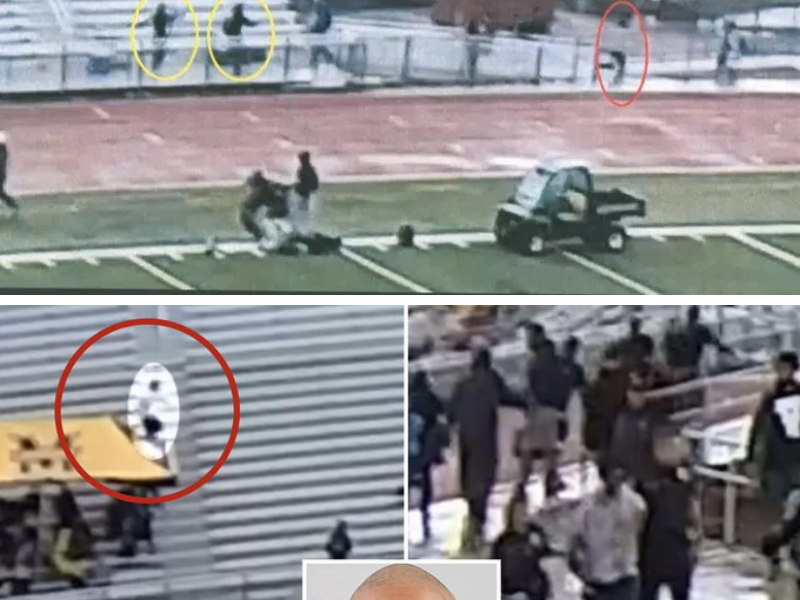
Investigative footage later shown publicly added another layer to the timeline.
Surveillance and body camera recordings documented movement inside and around the stadium shortly after the incident occurred.
Video reviewed during legal proceedings showed people reacting quickly as the scene developed and authorities moved in.
Additional footage later captured officers locating and detaining Anthony.
Body camera recordings showed emotional exchanges during the arrest and became heavily discussed after their release.
Investigators emphasized throughout proceedings that video clips must be understood alongside witness testimony and forensic evidence rather than viewed in isolation.
Court proceedings later became a central focus of national attention.
Anthony’s defense argued that he acted in self-defense during the confrontation.
Prosecutors challenged that argument and presented evidence intended to show that the use of force was not justified under the circumstances.
After reviewing testimony and evidence, the jury found Anthony guilty of murder.
He was sentenced to 35 years in prison.
The verdict closed one legal chapter but did not end public discussion surrounding the case.
Beyond the courtroom, the emotional impact continued for those closest to Austin.
Family members publicly spoke about grief, memory, and the challenge of returning to ordinary life after a sudden and highly public loss.
Friends and classmates remembered him as competitive, supportive, and deeply connected to his community.
Public memorials focused less on the legal outcome and more on the teenager himself.
Many supporters said the release of emergency recordings made the reality of the event feel more immediate and difficult to hear.
The case also triggered broader conversations about safety at youth sporting events.
Parents, educators, and athletic organizers debated supervision, conflict prevention, and emergency readiness.
Others warned against allowing social media narratives to replace documented evidence.
Authorities repeatedly emphasized that public discussion should remain grounded in verified information rather than edited clips or online speculation.
For now, the newly released recordings and video have given the public a more detailed understanding of how quickly events unfolded that day.
But for those who knew Austin personally, the focus remains unchanged.
Beyond the headlines, beyond the courtroom, and beyond the recordings, they continue remembering a teenager whose life extended far beyond the final moments that later became evidence.