28 Seconds on the Pavement: How a Routine Coffee Shop Encounter Descended Into Fatal Violence
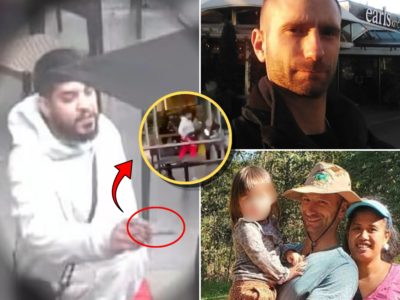
Twenty-eight seconds. That is all the time it took for a routine, peaceful afternoon errand outside a downtown Vancouver coffee shop to become an irreversible nightmare. Newly detailed security and cell phone footage presented during high-profile court proceedings captured the terrifying, accelerated escalation of a confrontation that left 37-year-old Paul Schmidt dead on the pavement. What began as a brief verbal disagreement quickly turned physical with a sudden shove, and within less than half a minute, Schmidt had suffered multiple fatal blade wounds to his neck and torso. The sheer velocity of the attack stunned onlookers and left investigators grappling with an incident where the margin between an ordinary day and utter catastrophe was measured in mere seconds.
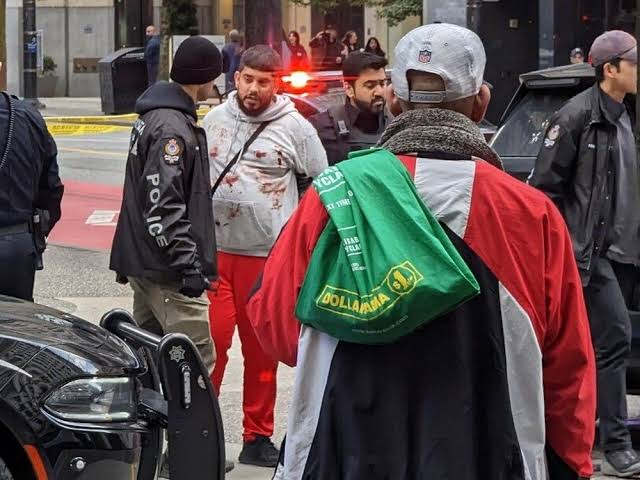
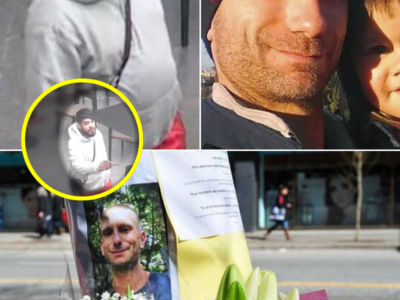
The tragedy unfolded directly in front of the victim’s young family, compounding the horror of the scene. Schmidt’s fiancée and their three-year-old daughter were just steps away as the violent altercation erupted outside the establishment, watching helplessly as their world changed forever in the span of a single breath. Court testimony and forensic breakdowns of the surveillance tape highlighted how the sheer speed of the attack left virtually no time for anyone nearby to intervene, deter the assailant, or comprehend the gravity of the situation before the fatal blows were struck. The rapid descent from a casual coffee stop into a brutal street corner homicide shocked the local community and ignited a nationwide debate over public safety, urban flashpoints, and the unpredictable nature of spontaneous street confrontations.

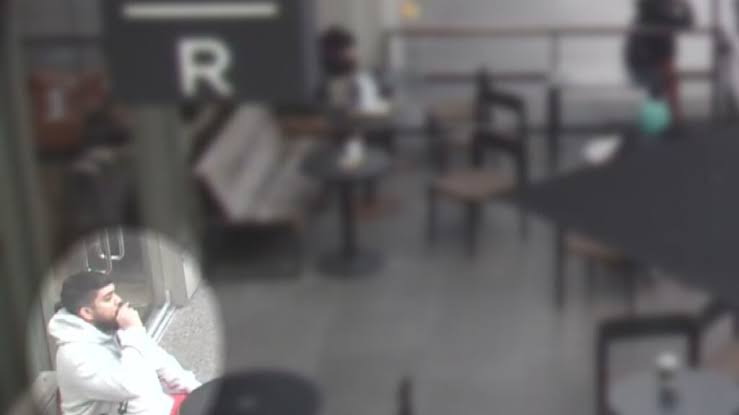
As the legal proceedings in the B.C. Supreme Court meticulously dissected the critical 28-second timeline, the core of the trial shifted toward understanding the precise actions and mental states of those involved. Evidence established that Schmidt had approached Inderdeep Singh Gosal, who was smoking an electronic cigarette near the cafe entrance, resulting in a tense exchange that rapidly escalated when Schmidt threw the first shove and initiated a physical struggle. Pinned and facing a physical disadvantage during the brief scuffle, Gosal reached into his hoodie and drew a concealed knife, delivering the fatal strikes before bystanders could process the danger. While the court ultimately weighed factors like unmanaged schizophrenia and sudden panic to arrive at a controversial manslaughter verdict, the haunting memory of those 28 seconds remains an enduring symbol of a family’s unimaginable loss.