TRAGEDY ON THE SUMMIT: HOW A ROUTINE MOUNTAIN HIKE TURNED DEADLY UNDER A SCORCHING SUMMER SUN
The majestic peaks of Wales have long beckoned adventurers, tourists, and outdoor enthusiasts seeking to test their physical limits against nature’s most challenging landscapes. Yr Wyddfa, widely recognized as Mount Snowdon, stands as the crowning jewel of these rugged elevations, drawing thousands of visitors each year who wish to conquer its 1,085-meter summit. For 35-year-old Sophie Goodyer-Bird, a dedicated nail technician from Birmingham, a mid-July expedition up the legendary mountain was meant to be an uplifting milestone. Having celebrated her 35th birthday just days prior, she arrived in North Wales filled with enthusiasm, accompanied by her close friend Sophie Simpson, ready to embrace the physical demands of the climb. However, as thermometers across the United Kingdom surged during an intense summer heatwave, the environment transformed from a scenic tourist destination into a silent, unforgiving hazard. What began as an inspiring test of endurance ultimately concluded in absolute tragedy, leaving a family shattered and raising urgent safety questions about the hidden dangers of extreme weather during high-altitude physical exertion.
Environmental conditions on the fateful day of July 10 were punishingly severe, creating an exceptionally high-risk landscape for anyone engaging in strenuous outdoor activity. Meteorological reports from the region confirmed that ambient temperatures climbed rapidly, compounding the physical toll of steep ascents, direct solar radiation, and the lack of natural shade along the upper ridges of the mountain. As Goodyer-Bird and her companion made their steady progression upward, the intense heat began exerting a heavy toll on their physiological systems. While reaching the summit represented a triumphant moment of personal achievement, the physiological strain of the climb had already pushed her body close to its operational threshold. According to details formally presented during the opening of the coroner’s inquest at Caernarfon, Senior Coroner for North West Wales Kate Robertson noted that the 35-year-old hiker grew “increasingly tired” as she navigated the initial phases of the return journey, signaling the early onset of physical exhaustion.
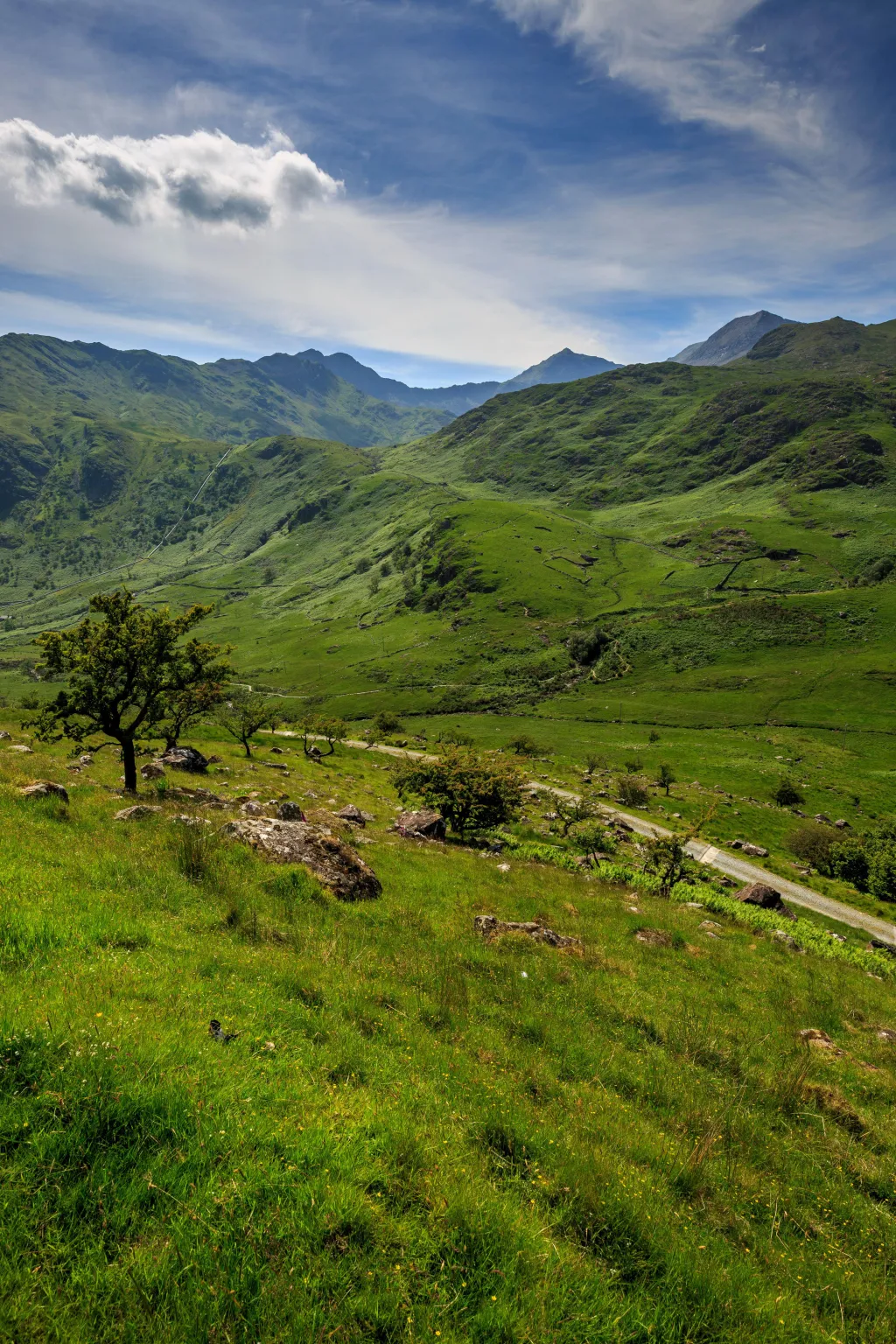
The descent from a high-altitude peak is frequently underestimated by recreational walkers, placing immense eccentric stress on leg muscles, depleting cardiovascular reserves, and accelerating dehydration. As Goodyer-Bird and her friend worked their way down the rocky terrain toward the trail’s base, the compounding effects of the unrelenting sun and fluid depletion triggered a medical emergency. Near the final stretches of the path, just as the completion of their trek was finally in sight, her physical condition deteriorated catastrophically. Without warning, she collapsed onto the ground and became entirely unresponsive. The sudden medical crisis instantly shattered the calm atmosphere of the trail, plunging her companion and nearby travelers into an immediate, high-stakes battle for survival as they realized the gravity of the unfolding situation in a remote, difficult-to-reach location.
Demonstrating immense courage under pressure, fellow mountain hikers immediately sprang into action upon witnessing the sudden collapse. Passing travelers and outdoor adventurers scrambled across the rugged slopes to reach her side, recognizing that every second counted in the fight against the mounting medical emergency. Working frantically under the baking sun, bystanders initiated emergency cardiopulmonary resuscitation (CPR) directly on the rocky trail, attempting desperately to restore vital signs and circulate oxygen through her failing body. Mountain rescue coordinators and emergency medical responders were simultaneously mobilized, racing against time to reach the isolated coordinate coordinates on the mountainside. Despite the heroic, tireless efforts of strangers and professional paramedics alike, the physiological devastation already underway proved too advanced to reverse.

Official medical evaluations conducted following the incident provided definitive insight into the exact mechanics of the sudden fatality. A formal post-mortem examination was carried out by pathologists, who pointed directly to environmental and physical factors as the primary catalysts. The provisional cause of death was officially recorded as exertional heatstroke—a severe, life-threatening medical condition distinct from classic heatstroke because it is triggered by strenuous physical activity combined with high environmental temperatures. When the human body generates internal heat faster than it can dissipate it, thermoregulatory mechanisms fail completely, leading to rapid core temperature spikes, systemic inflammation, cardiovascular collapse, and catastrophic neurological dysfunction. The coroner formally adjourned the inquest to allow for comprehensive investigative reports to be compiled, ensuring a thorough public record of the factors contributing to the tragedy.
The sudden loss sent immediate shockwaves of grief across her hometown of Birmingham and throughout the wider community, transforming a summer holiday period into a permanent state of mourning. Tributes from friends, clients, and relatives painted a vivid picture of a vibrant, hardworking mother whose entire world centered around her 12-year-old son, Jacob. Described by loved ones as the absolute apple of her eye, the young boy was left facing an unimaginably bleak future following the sudden disappearance of his primary caregiver and anchor. In response to the devastating reality of a child left completely alone, compassionate members of the public and close friends quickly established support networks and fundraising initiatives to secure his long-term welfare, ensuring he receives the financial and emotional backing necessary to navigate the turbulent years ahead.
Emergency services, park rangers, and mountain safety authorities utilized the tragedy to issue renewed, urgent warnings regarding the hidden perils of undertaking rigorous alpine hikes during intense heatwaves. Search and rescue organizations have repeatedly emphasized that climbers frequently miscalculate the sheer volume of water, electrolytes, and rest required when ambient temperatures spike into the thirties, particularly on exposed rock faces lacking vegetation or shelter. For the family, friends, and community members mourning the loss of Sophie Goodyer-Bird, the towering heights of Yr Wyddfa will forever remain a monument of profound sorrow. Her untimely passing stands as a stark, heartbreaking reminder of how swiftly an inspiring day of outdoor recreation can turn fatal, leaving behind an indelible mark on those who advocate for greater safety awareness across Britain’s most popular peaks.