Joint Funeral Notice Sparks Public Debate After Sydney River Tragedy Involving Father And Daughter
A public debate has emerged in Sydney following the publication of a joint funeral notice honoring both a 47-year-old father and his 6-year-old daughter after their deaths in the Parramatta River tragedy that shocked Australia.
The notice, intended to announce a shared farewell service, quickly drew strong reactions online after some readers questioned whether the language used appropriately reflected the circumstances surrounding the case.
Others argued that funeral notices are written by grieving families and should not be treated as legal or moral judgments.
The discussion unfolded while investigators continue examining what happened in the final hours before the deaths.
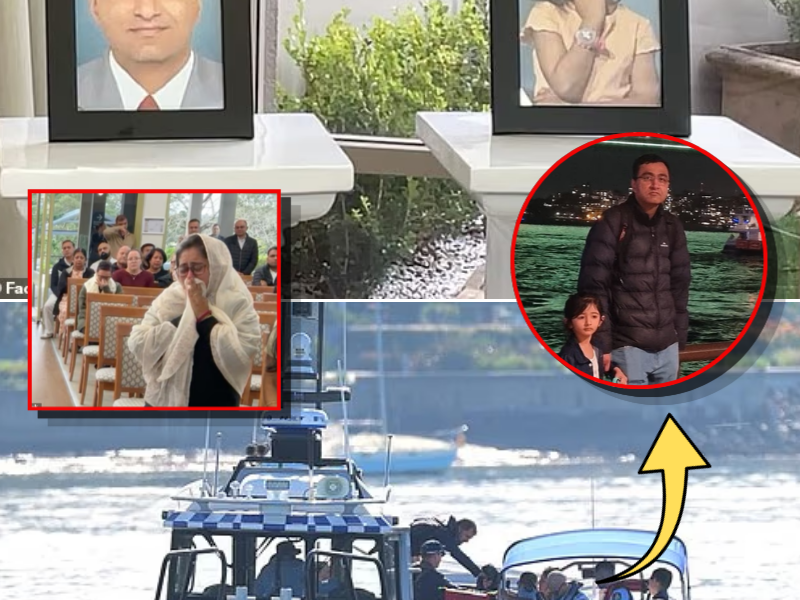
Emergency services responded near Bayview Park in Concord after reports of a man found in the water beside a drifting hired boat.
Authorities later confirmed the recovery of a young child.
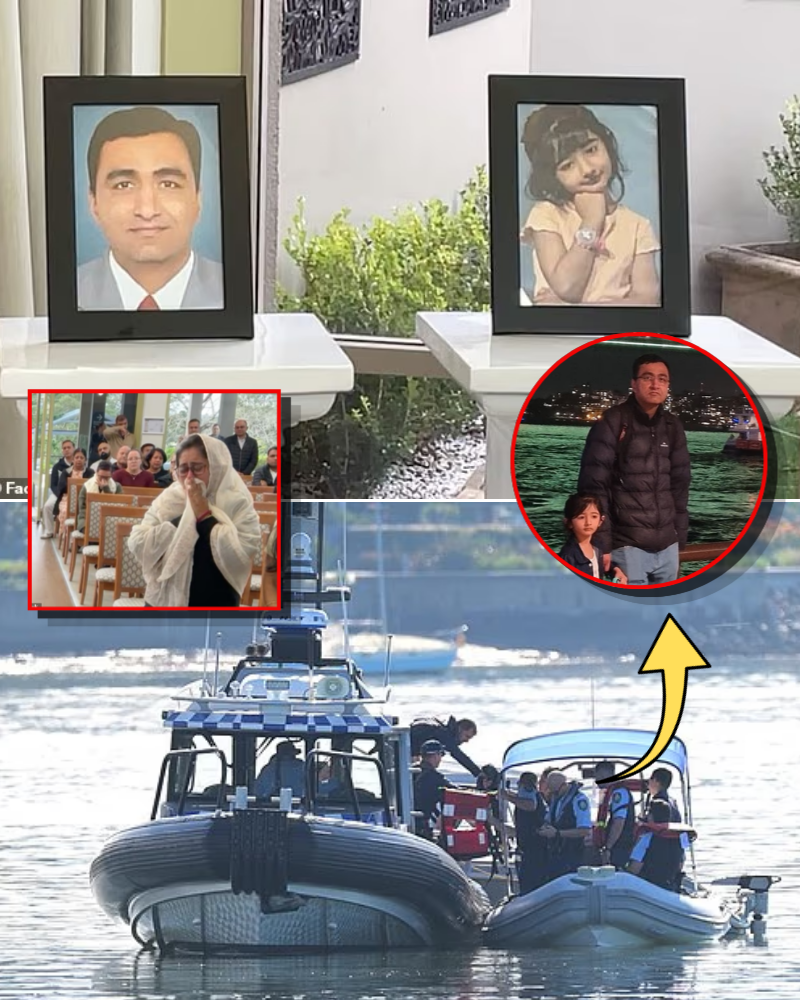
Police subsequently opened an investigation and publicly stated that all possibilities remained under review while evidence was examined.
Support services were also provided to relatives affected by the incident.
Public attention intensified because of the relationship between the victims and the emotional difficulty of the circumstances.
As details emerged, conversation increasingly shifted from the investigation itself toward how public remembrance should occur in complex family tragedies.
The funeral announcement became one of the most discussed elements.
According to reporting, the notice described both father and daughter using affectionate language typically found in memorial announcements and invited family and community members to attend services.
For some readers, the wording created discomfort because the ongoing investigation had already generated strong emotions and public assumptions about responsibility.
Others responded that funeral notices exist to reflect grief rather than legal conclusions.
Supporters of the family argued that language used during mourning should not automatically be interpreted as endorsement of alleged actions.
Critics disagreed and argued that memorial language carries symbolic meaning, especially in cases involving children.
That disagreement spread widely across social media.
Legal observers noted that public reaction following family tragedies often becomes complicated when investigations remain incomplete.
Questions about remembrance, accountability, and grief frequently overlap before formal findings are released.
Experts caution that memorial customs differ across families and communities and may not reflect broader public expectations.
Authorities have continued avoiding public conclusions about motive or final sequence.
Police have not publicly announced a final determination of criminal responsibility connected to the deaths.
Investigators continue reviewing available evidence and timeline information.
Officials emphasized that conclusions must come through formal investigative processes rather than assumptions based on emotional reaction.
At the same time, public sympathy remained strongly focused on the child.
Many messages shared online expressed sorrow over the loss of a young life and support for relatives navigating grief under intense public attention.
Others emphasized that public conversations should remain careful while official findings remain incomplete.
The case has also renewed broader conversations in Australia about family crisis intervention, mental health support, and how communities respond after sudden tragedies involving children.
Advocates argued that public discussion should focus not only on assigning blame but also on identifying warning signs and improving support systems.
Those conversations continued alongside the ongoing investigation.
For now, the funeral itself has become part of a larger discussion that extends beyond one notice.
To some people, it represented an attempt by relatives to say goodbye to two family members at once.
To others, it raised difficult questions about language, memory, and public accountability.
But while emotions remain strong, authorities continue emphasizing one point:
the investigation remains active,
formal conclusions have not yet been announced,
and the circumstances surrounding the tragedy must ultimately be determined through evidence rather than public reaction alone.