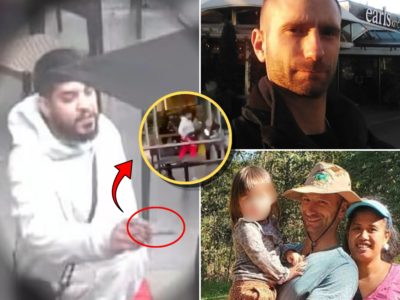
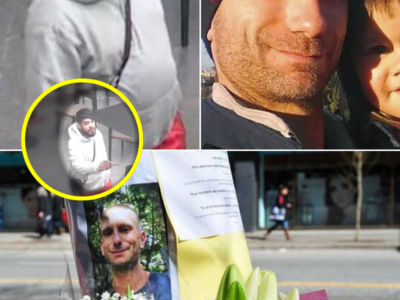
“A Sign from God”: How Untreated Schizophrenia and an Alleyway Knife Set the Stage for a Fatal Vancouver Confrontation
Behind the grim details of the downtown Vancouver coffee shop tragedy lies a deeply disturbing psychological backstory that ultimately shaped the outcome of the high-stakes legal proceedings. As court documents and expert testimony unspooled the attacker’s mental state, it was revealed that Inderdeep Singh Gosal had completely stopped taking his prescribed schizophrenia medication three months prior to the incident. Sinking deep into severe, unmanaged delusions, Gosal later told professionals that finding a knife in an alleyway months earlier was a “divine sign” and a message from God telling him that he needed to carry it to protect himself—a weapon he ultimately unleashed during the fatal altercation with Paul Schmidt.
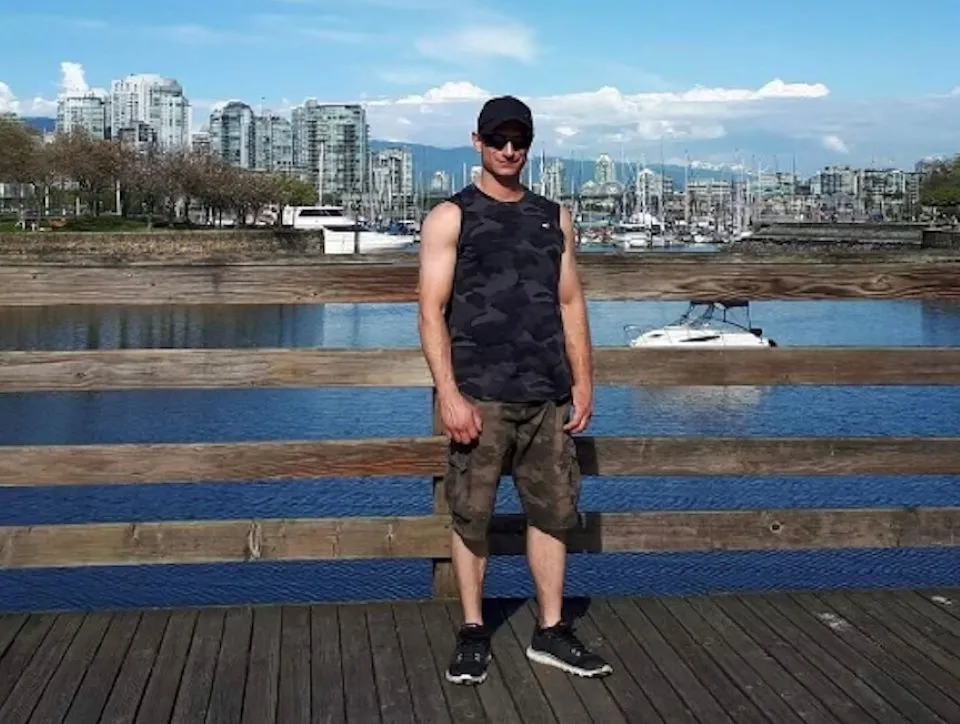
The descent into unmanaged psychosis formed the core of the defense’s argument during the B.C. Supreme Court trial, painting a picture of an individual whose grasp on reality had entirely frayed. Medical experts testified that off his medication for months, Gosal was living in a state of hyper-paranoid distortion where ordinary social interactions or sudden physical confrontations were misinterpreted as mortal threats. His erratic, conflicting statements following the violent arrest further compounded the confusion, leaving observers and court psychiatrists questioning his true state of mind during the critical moments of the attack. “Off his medication for months, he believed finding a knife in an alley was a divine message,” noted the psychiatric mindset breakdown presented in court, highlighting the tragic vulnerability of a mental health system unable to intervene before crisis struck.
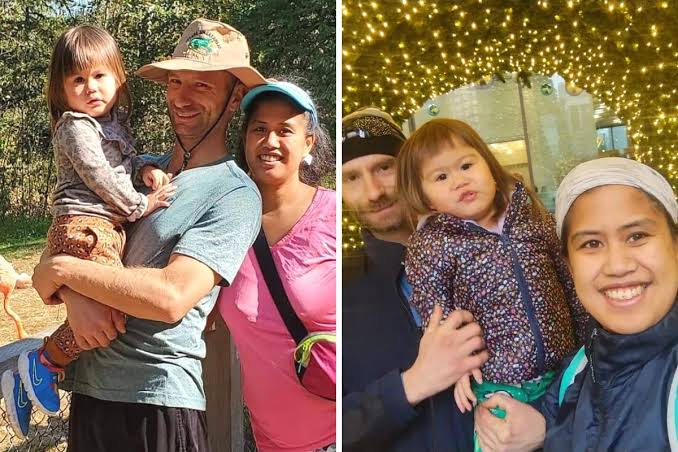
This profound psychological breakdown clashed directly with the physical reality of the fatal twenty-eight-second encounter, leaving the judge and jury to weigh unmanaged illness against criminal culpability. While prosecutors argued that the deliberate strikes showed awareness of lethal force, the defense successfully established that a mind governed by untreated schizophrenia could not form the rational intent required for second-degree murder. The resulting manslaughter verdict left a grieving family and a shocked public grappling with the devastating intersection of untreated mental illness, public safety, and a tragedy that might have been prevented had medical safety nets not broken down long before anyone stepped onto that fateful sidewalk.