James Bulger’s Mother Denise Fergus Makes Fresh Move as Jon Venables Faces Another Parole Battle
💔 AFTER MORE THAN 30 YEARS, DENISE FERGUS IS STILL FIGHTING — AND HER LATEST MOVE COULD CHANGE THE NEXT JON VENABLES PAROLE HEARING.
James Bulger’s mother is demanding something extraordinary: she wants the public to see what happens inside the hearing that could determine Venables’ future.
Read the full story to find out what Denise is asking for, why she wants the hearing opened, and what could happen next. 👇
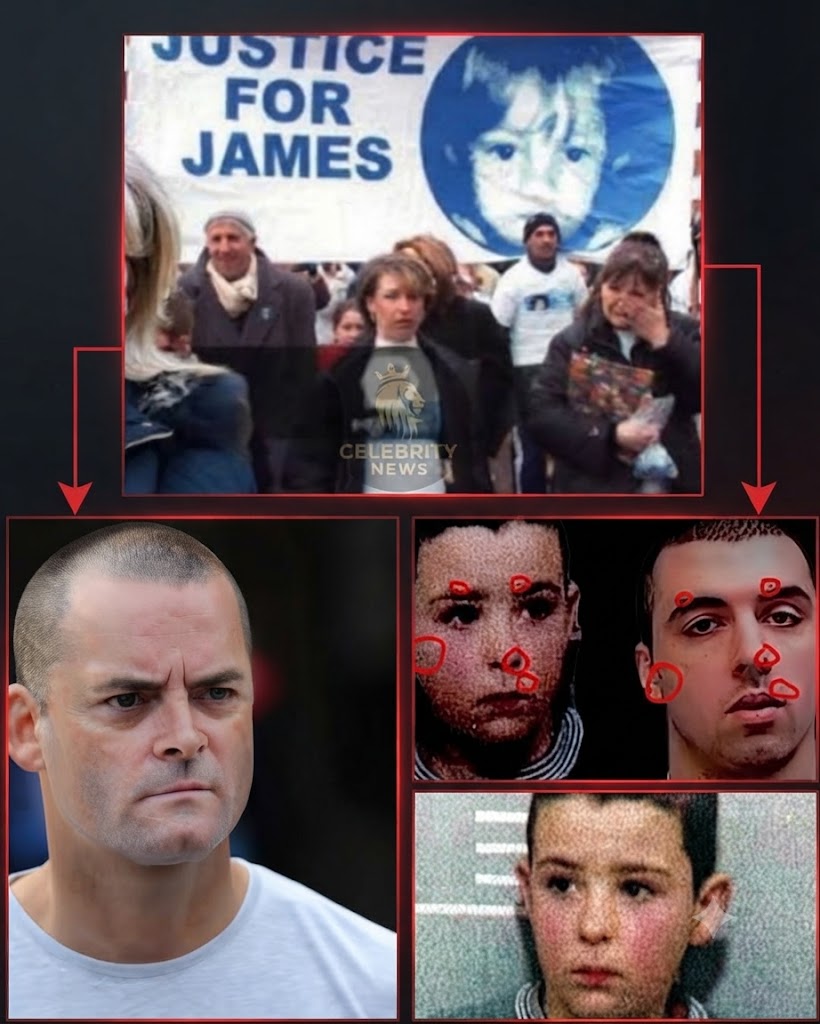
James Bulger’s Mother Denise Fergus Makes Fresh Move as Jon Venables Faces Another Parole Battle
More than three decades after the murder of two-year-old James Bulger, his mother Denise Fergus is once again preparing to confront the legal process surrounding one of the men convicted of killing her son.
Jon Venables, now 43, is due to face another parole review after his previous bid for release was rejected in 2023. But this time, the case has taken a new turn.
Fergus and her husband, Stuart, have formally asked the Parole Board for the forthcoming hearing to be held in public.
The request, published by the Parole Board in August, argues that the exceptional nature of the case and the continuing public interest justify greater transparency. The application also says that extensive discussion and misinformation on social media have had a retraumatising effect on the family.
Importantly, there has been no confirmed 2026 decision denying Venables parole. The latest official development concerns the request for a public hearing, while the next parole proceedings remain pending.
For Fergus, however, the latest stage represents another painful chapter in a fight that began when her two-year-old son was abducted and murdered in Merseyside in 1993.
A case that shocked Britain
James Bulger was two years old when he disappeared from the New Strand shopping centre in Bootle on February 12, 1993.
He had been separated from his mother while she was shopping. Security footage later showed James being led away by two 10-year-old boys, Jon Venables and Robert Thompson.
The pair were subsequently convicted of his murder and became the youngest people in modern British history to be convicted of murder.
Their age at the time of the offence became central to the legal process that followed.
Both were eventually released on licence in 2001, when they were 18, under new identities and with strict restrictions designed to protect them from identification.
For James’ family, however, the story did not end with their release.
Venables was later recalled to prison after child sexual abuse material was discovered in his possession. He was released again in 2013 but was recalled once more in 2017 after further offences involving indecent images of children.
Those subsequent convictions have become a major part of the debate surrounding any future release.
The 2023 parole decision
Venables’ most recent confirmed parole rejection came in December 2023.
The Parole Board concluded that it was not satisfied that releasing him at that point would be safe for public protection. The decision followed a review of his circumstances and risk.
The result was welcomed by many members of the public, while also reopening debate about whether Venables should ever be released.
The reaction can still be seen in online discussions surrounding the case.
A Reddit discussion following the 2023 decision attracted hundreds of votes, with many commenters expressing relief that parole had been refused. Some argued that Venables’ later offences demonstrated that previous opportunities for rehabilitation had failed. Others cautioned against reducing a complex parole decision to public anger alone.
That distinction is important.
A parole decision is not supposed to determine whether someone deserves punishment for the original crime. Instead, the Parole Board considers whether an offender can safely be managed in the community.
The question facing the system in Venables’ case is therefore fundamentally about risk.
Another parole hearing
In January 2026, reports confirmed that Venables would face another parole hearing, more than two years after his previous application was rejected.
ITV reported that the 43-year-old’s case would be heard by parole officials at an oral hearing, although a precise date had not initially been announced. The report also noted that the 2023 panel had found that Venables remained a danger to children and could go on to offend again.
For Fergus, the prospect of another hearing was deeply distressing.
A spokesperson representing her said the process repeatedly forces her to confront the trauma surrounding her son’s death.
Fergus has also argued for changes to the parole system, particularly in relation to offenders who breach licence conditions and subsequently return to prison.
In an ITV interview in January, she called for tougher rules concerning repeat breaches and said offenders who repeatedly violate licence conditions should lose the right to seek parole.
The issue is particularly significant in Venables’ case because his history after his original release has become inseparable from the question of whether he can ever be safely managed outside prison.
The latest twist: Denise wants the hearing opened to the public
The newest development arrived in August.
The Parole Board formally published details of an application from Denise and Stuart Fergus asking for Venables’ next hearing to be held in public.
Their argument goes beyond personal emotion.
According to the official document, the family believes the case is of significant public interest and that opening the hearing could improve public understanding of the parole system.
They also say that extensive social-media discussion has contributed to misinformation, which has had a retraumatising effect on the family.
The application further argues that the unusual combination of factors surrounding the case — the murder of a child by children, Venables’ subsequent offending as an adult, repeated recalls to custody, anonymity arrangements and the potential consequences of release — makes it exceptional.
James’ father, Ralph Bulger, and his legal representatives have also submitted an application seeking greater public scrutiny.
Their submission argues that a public or hybrid hearing could allow questions surrounding previous releases, recalls and risk management to receive greater scrutiny.
The request has therefore transformed the upcoming parole review into a broader debate about transparency.
Why isn’t the hearing automatically public?
Parole hearings in England and Wales are generally private.
There are circumstances, however, in which the Parole Board can permit public hearings where doing so is considered appropriate.
The application in the Venables case is now part of that process.
The Parole Board’s official publication makes clear that the hearing has not automatically been approved as public.
Representations are being invited before a decision is made.
For Denise Fergus, that distinction matters.
The family is not simply asking for a different parole outcome. It is asking to see more of the process that could ultimately determine whether Venables remains behind bars or could one day be released.
That request comes against a backdrop of years of intense public interest and online speculation.
Social media has become part of the story
Few British criminal cases have generated the same level of sustained online attention.
Whenever a new development emerges, discussion quickly spreads across Reddit and other social platforms.
A January 2026 discussion in the UK news community attracted substantial engagement, with commenters debating both the prospect of Venables’ release and the purpose of the parole system. Some argued that his repeated return to custody demonstrated that he remained dangerous, while others pointed out that parole decisions must be based on evidence rather than public sentiment.
That split reflects a broader tension surrounding the case.
For some members of the public, the later offences are seen as overwhelming evidence that Venables should never be released.
Others argue that even in an emotionally devastating case, the justice system must maintain a distinction between punishment, rehabilitation and public protection.
The Parole Board itself has emphasised that a public hearing would not change the legal test.
The question would remain whether release could be safely managed.
Anonymity remains another major issue
The case also carries an unusual legal complication: Venables has lifelong anonymity.
Following the release of the two killers in 2001, strict legal protections were put in place preventing publication of information that could identify them or reveal their whereabouts.
That protection remains significant today.
It means that even if the Parole Board agrees to a public hearing, public access would not necessarily mean unrestricted exposure of Venables’ identity.
Legal safeguards would still be required.
Recent reporting has suggested that measures such as screens or other arrangements could potentially be used to prevent his identity from being disclosed if the hearing becomes public.
The situation demonstrates just how unusual the case has become.
The public wants transparency.
The family wants greater scrutiny.
But the courts have continued to recognise the legal protections attached to the identities of the two offenders because they were children when they committed the crime.
What happens next?
The immediate question is no longer simply whether Venables will be released.
Before that decision can be reached, there is another question: will the public be allowed to see the hearing?
The Parole Board published the Fergus family’s application on August 7, 2026, and invited representations on the request. The deadline for representations concerning the Fergus application was August 14, while a separate application from representatives for James’ father and brother has a September 10 deadline.
The Board must then determine whether the legal requirements for a public hearing have been met.
Whatever happens, the decision is likely to attract enormous attention.
For Denise Fergus, however, the issue is much more personal than a headline or a legal argument.
Her son was murdered more than 30 years ago, yet every new parole application forces the family to revisit the events that changed their lives forever.
That is why the phrase “justice at last” resonates so strongly with supporters of Fergus.
But it would be inaccurate to say that a new 2026 parole decision has already been made.
The confirmed story, as of September 4, is that Venables is facing another parole process and that James Bulger’s family is pushing for that process to be made more transparent.
The previous confirmed refusal came in 2023.
The next chapter has yet to be written.
And for a case that has remained in Britain’s public consciousness for more than three decades, the question of what happens next may prove just as consequential as the decisions that came before it.