LOCKED OUT: Millions of PC Gamers Face Hard Cutoff as CD Projekt RED Confirms ‘The Witcher 3: Songs of the Past’ System Requirements
PC GAMERS OUTRAGED: Millions of players will be LOCKED OUT of Geralt’s final story DLC in The Witcher 3: Songs of the Past! 💥
Why is CD Projekt RED facing intense backlash after confirming its massive upcoming expansion won’t work on millions of gaming PCs? As the studio officially drops support for Windows 10, HDDs, and legacy DirectX versions, fans on Reddit and X are demanding answers over the forced hardware upgrades…
Find out if your PC setup is officially BANNED from running Geralt’s final adventure before it’s too late! 👇🔥
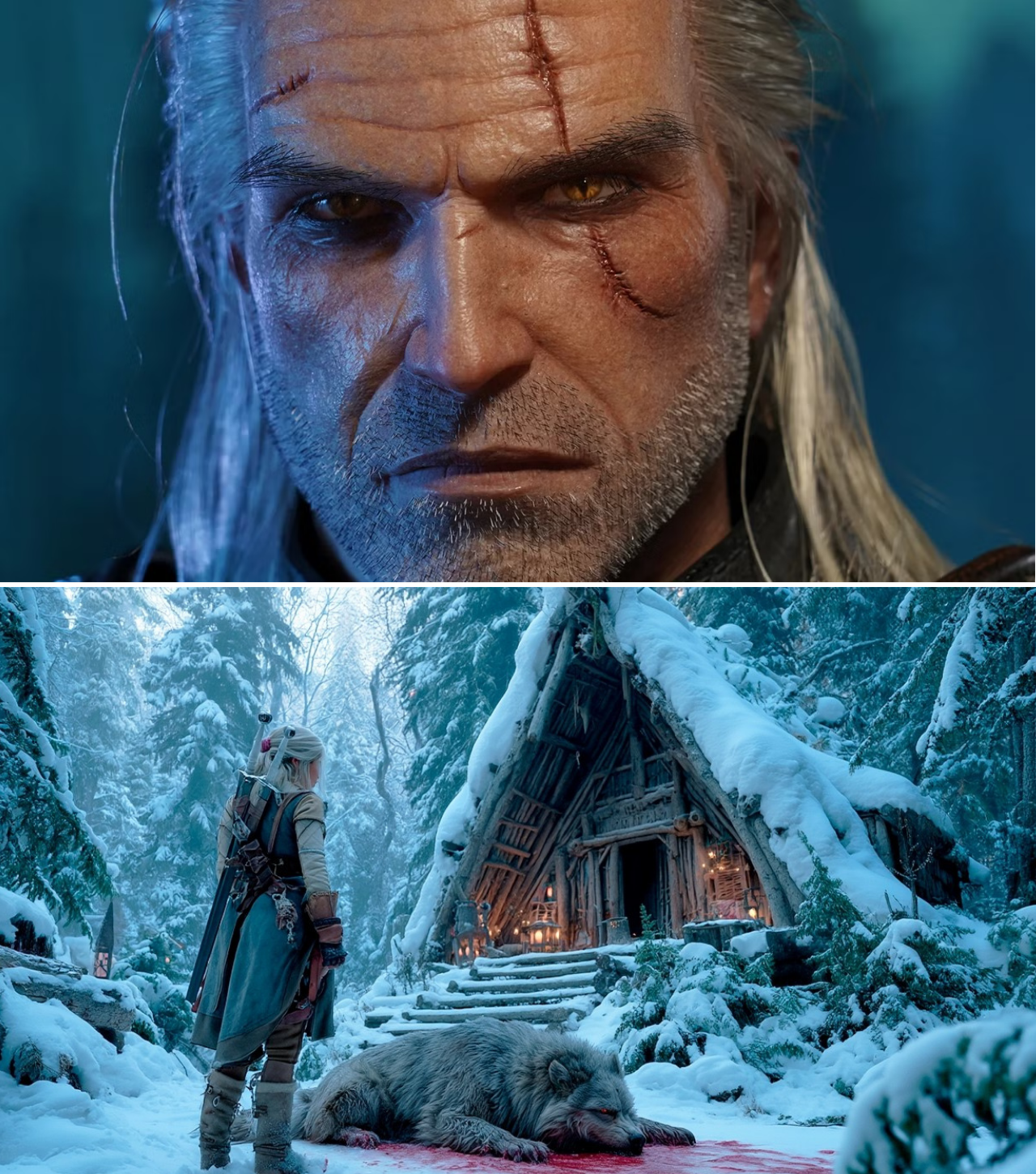
More than a decade after Geralt of Rivia first stole the hearts of millions of role-playing fans, Polish game developer CD Projekt RED has sparked widespread controversy across the PC gaming community.
In a technical update surrounding its newly announced major expansion, The Witcher 3: Wild Hunt – Songs of the Past, the studio confirmed a strict overhaul of the game’s minimum PC requirements. The changes will officially lock millions of existing players out of the upcoming DLC unless they execute major hardware and operating system upgrades.
The news—which includes a complete drop of support for Windows 10, traditional Hard Disk Drives (HDDs), and older DirectX rendering APIs—has ignited fierce debates across Reddit, X (formerly Twitter), and tech forums worldwide.
The Mandate: Windows 11, SSDs, and DirectX 12 Only
The core of the outrage stems from CD Projekt RED’s official statement confirming that Songs of the Past—a major new narrative expansion co-developed with veteran Polish studio Fool’s Theory—will strictly require 64-bit Windows 11.
While The Witcher 3: Wild Hunt originally debuted on Windows 7 in 2015 and transitioned to Windows 10 following its Next-Gen update, the studio is formally drawing the line for future content. Players remaining on Windows 10 will no longer receive official testing, patches, or compatibility support for the new DLC.
In addition to the operating system mandate, the updated minimum PC specifications raise the technical baseline across the board:
Hardware Component
New Minimum Requirement
Operating System
Windows 11 64-bit
Storage
70 GB SSD (HDDs no longer supported)
Processor (CPU)
AMD Ryzen 5 2600 / Intel Core i5-8400
Graphics (GPU)
NVIDIA GeForce GTX 1660 / AMD Radeon RX 5500 XT (8GB VRAM)
Graphics API
DirectX 12 Exclusive
System RAM
12 GB RAM
According to statements from CD Projekt RED, the decision to drop Windows 10 aligns with Microsoft’s official lifecycle timeline, which sunsetted security updates and core OS support for Windows 10 in late 2025.
“Without ongoing security updates, official platform support, and continued active GPU driver support on Windows 10, we can no longer properly test or guarantee stability for future expansions,” the studio explained in a technical statement to press outlets. “Transitioning exclusively to DirectX 12 and SSD storage allows us to leverage modern asset-streaming technologies essential for the expanded scope of Songs of the Past.”
Gamers React: Backlash vs. Technical Progress
The announcement has severely polarized the gaming community. On platforms like r/pcgaming, r/thewitcher3, and X, thousands of users have voiced frustration over being forced into upgrading their setups for an 11-year-old game.
According to recent Steam Hardware Surveys, while Windows 11 has steadily gained market share, a substantial portion of PC gamers still rely on Windows 10 due to hardware limitations, strict TPM 2.0 motherboard requirements, or personal preference regarding Microsoft’s telemetry and UI changes.
“Blocking an expansion behind an OS upgrade for a game released in 2015 feels completely unnecessary,” wrote one highly upvoted user on Reddit. “If the base game and the Next-Gen update run fine on my system today, why lock the DLC behind Windows 11?”
“The SSD mandate makes sense because asset streaming in open-world games has evolved,” posted another commenter on X. “But shutting out Windows 10 users when the hardware itself is capable of running DirectX 12 feels like corporate hand-shaking with Microsoft to push OS adoption.”
Conversely, tech enthusiasts and game performance analysts have come to the developer’s defense. They contend that maintaining legacy compatibility for decade-old operating systems slows down development cycles and leads to unstable, stutter-prone launches.
“CD Projekt RED learned a painful lesson with Cyberpunk 2077 when they tried to force modern rendering features onto outdated legacy hardware,” noted industry tech coverage in GamingBible. “Requiring modern standards like NVMe/SSD streaming and active Windows 11 display drivers is the only way to ensure Songs of the Past doesn’t suffer from technical debt at launch.”
What Is ‘Songs of the Past’?
The technical rift comes at a time of immense hype for the franchise. First officially unveiled following months of industry leaks, The Witcher 3: Wild Hunt – Songs of the Past is positioned as a massive, story-driven third expansion pack—on par in scale and budget with 2016’s critically acclaimed Blood and Wine.
Co-developed by Fool’s Theory (a studio composed of former Witcher 3 leads who are also helm-ing the upcoming The Witcher 1 Remake), Songs of the Past returns players to the boots of Geralt of Rivia for one final chapter. Industry analysts report that the expansion carries a production budget exceeding 50 million PLN (approx. $13 million USD) and is designed as a narrative bridge leading directly into the events of the highly anticipated The Witcher IV.
CD Projekt RED executives have explicitly pushed back against calling the release simple “DLC,” emphasizing that the project offers a full-scale return to the Continent with new regions, expanded Gwent mechanics, and enhanced visual fidelity.
However, the ambitious scope of the project only heightens the frustration for players whose hardware falls just below the new cutoff line.
The Wider Trend: The End of Legacy PC Support
The controversy surrounding The Witcher 3 reflects a broader industry-wide shift in AAA PC gaming. Over the past year, major publishers including Square Enix, Ubisoft, and Bethesda have quietly phased out support for HDDs and legacy operating systems for new releases and major expansions.
As games become increasingly reliant on direct storage access, ray tracing pipelines, and high VRAM allocation, hardware setups that comfortably ran blockbuster titles in 2015 and 2020 are being systematically left behind.
While console players on PlayStation 5 and Xbox Series X|S will experience a seamless transition to Songs of the Past, the PC community faces a clear ultimatum: adapt to modern hardware standards or leave Geralt’s final journey unplayed.
Looking Ahead
With Songs of the Past scheduled for a major gameplay showcase at upcoming summer trade events ahead of its release window, CD Projekt RED shows no signs of walking back its technical mandates.
For the millions of fans who have spent the last decade exploring the Northern Kingdoms, the path forward is clear. To witness the final song of Geralt of Rivia, upgrading to the modern era of PC hardware is no longer optional—it is the price of admission.