House of the Dragon Season 3 Finale Re-engineers the Tumbleton Betrayal and Prepares a Radical Path for Season 4
House of the Dragon just completely rewrote one of the most infamous betrayals in Westerosi history, and fans on Reddit and X are in absolute meltdown… 🤯🔥
In George R.R. Martin’s books, both dragonseeds turned coat at Tumbleton to become the legendary “Two Betrayers”—but HBO’s explosive Season 3 finale just threw a massive curveball, making only one of them flip while sending the other’s fate into total chaos.
Wait until you see how this changes the entire trajectory of Season 4… 👇
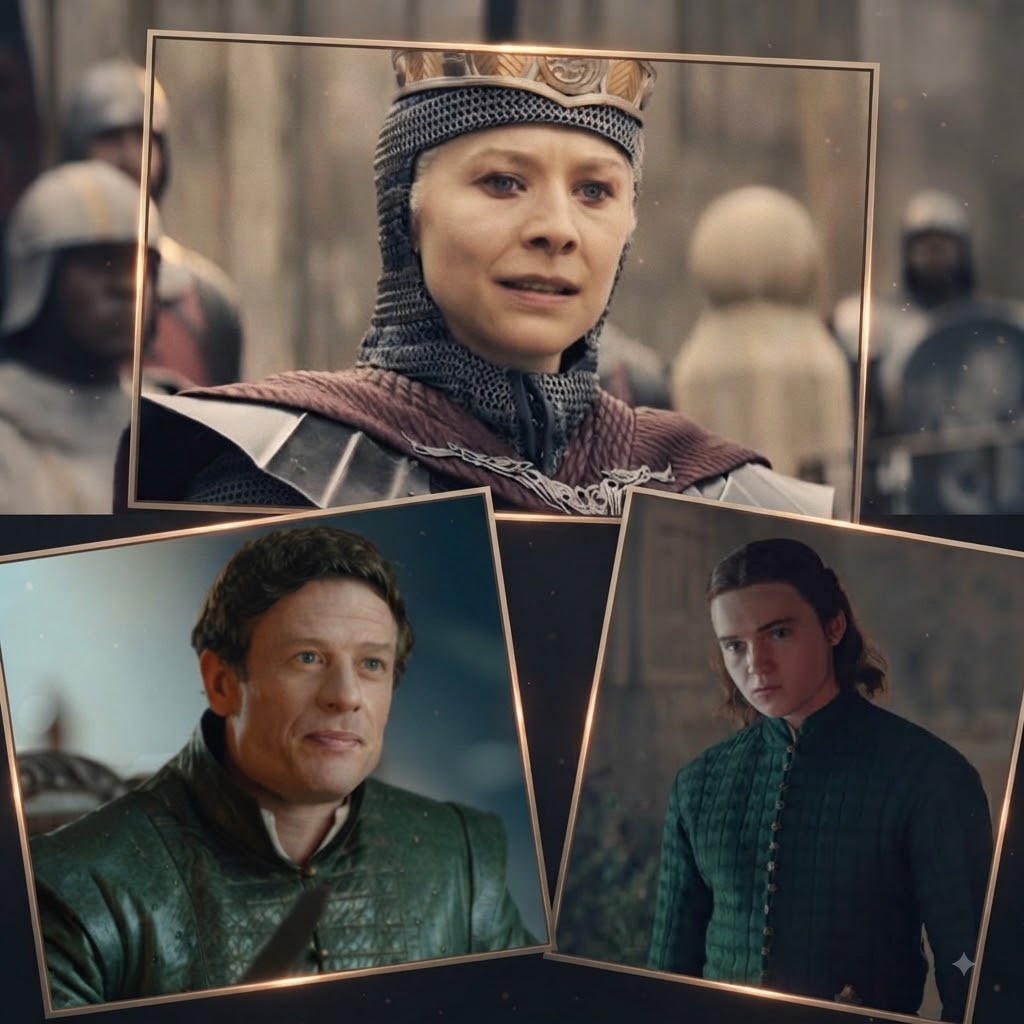
The House of the Dragon Season 3 finale has left the Fire & Blood fandom reeling following a blood-soaked adaptation of the First Battle of Tumbleton. While the HBO fantasy drama is no stranger to straying from George R.R. Martin’s text, the latest episode executed a pivotal narrative shift regarding the dragonseeds Ulf the White and Hugh the Hammer. By fundamentally altering who turns against Queen Rhaenyra Targaryen and how the battle unfolds, the series has set the stage for a fourth and final season that may diverge radically from the historical record fans thought they knew.
The Myth of the “Two Betrayers” Recast
In Martin’s source material, the First Battle of Tumbleton is anchored by the infamy of the “Two Betrayers”—Ulf the White and Hugh the Hammer. Both lowborn dragonriders defect from Team Black during the height of the engagement, utilizing their massive dragons, Silverwing and Vermithor, to rain fire down upon both armies and level the prosperous market town. This joint treachery serves as a critical turning point in the Dance of the Dragons, shattering Rhaenyra’s air superiority and plunging the Green camp into volatile, internal power struggles.
However, the Season 3 finale, “The Treasons at Tumbleton,” threw out that exact blueprint. While Ulf the White (portrayed by Tom Bennett) executes a devastating heel-turn—fueled by grievances over lowborn disrespect and a backdoor deal brokered by Lord Ormund Hightower for the titles of Driftmark—Hugh the Hammer’s trajectory takes an entirely different emotional path. Rather than coordinating a dual betrayal, Hugh’s attention in the finale is consumed by a frantic search through the burning streets of Tumbleton for his estranged wife, Kat, leaving his massive dragon Vermithor to react independently amid the slaughter.
This deliberate omission of Hugh’s premeditated treason has ignited widespread debate across fan communities on Reddit, Discord, and X. While some purists argue the change softens the brutal pragmatism of the original text, television critics note it gives Kieran Bew’s character a far more complex, humanized psychological baseline heading into the final season.
Chaos in the Skies and Altered Fates
The structural changes at Tumbleton extended far beyond the dragonseeds. The sequence featured a chaotic convergence of forces, including the arrival of Daemon Targaryen’s host, the fierce intervention of Roderick “Roddy the Ruin” Dustin’s Winter Wolves, and the chaotic presence of lingering dragon power. With Ulf ultimately turning his dragon Silverwing against both the Black and Green forces in a fit of spite and humiliation—even incinerating Ormund Hightower mid-battle—the political map of Westeros is left in absolute ruins.
Because Ulf acts as a lone wolf rather than part of a synchronized duumvirate, the internal factionalism that defined the Green occupation of Tumbleton in the books—such as the formation of the aristocratic conspiracy known as the Caltrops—must navigate an entirely new set of variables. Furthermore, with characters like Prince Daeron Targaryen and various military commanders facing altered circumstances on screen compared to their book counterparts, historical markers like the infamous poisoning plots of the second Tumbleton phase face sweeping reinterpretation.
Looking Ahead to Season 4
As House of the Dragon turns its sights toward its fourth and final season, these narrative divergences ensure that even the most dedicated readers of Fire & Blood are flying blind. The survival of key dragons, the shifting allegiances born of personal trauma rather than political greed, and the fractured state of both royal factions mean the ultimate conclusion of the Targaryen civil war will be uniquely television’s own. For now, the ashes of Tumbleton have marked a point of no return, proving that in the adaptation of Westeros history, the only certainty is unexpected fire.