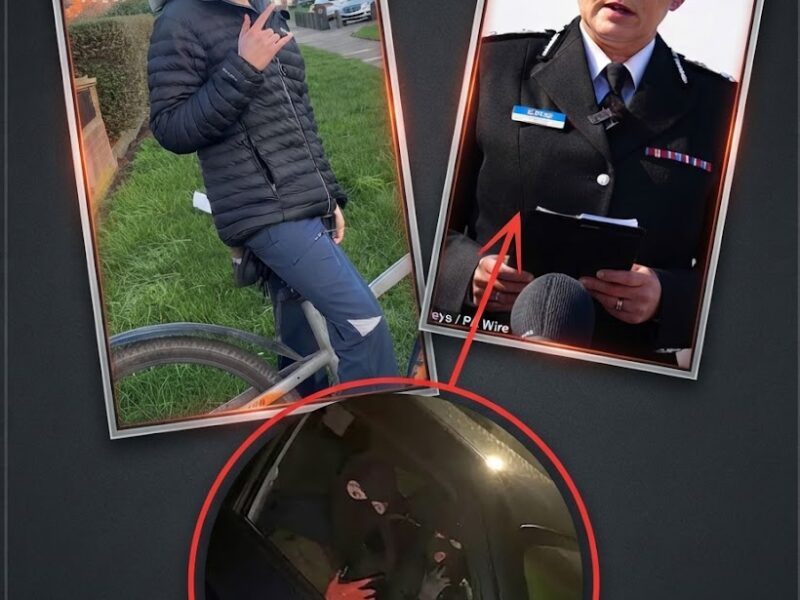
Clout Chasing on the Dual Carriageway: How Digital Networks and “Joyriding” Culture Collided in the A66 Tragedy
A stolen car, a terrifying digital footprint, and a culture that turns fatal high-speed police chases into viral online clout…
As the dust settles on the catastrophic A66 disaster that claimed seven lives, resurfaced social media clips have exposed a dark subculture of reckless driving glorification. Could these chilling online warning signs have predicted the horror smash before it even happened?
👇 Click here to read the disturbing investigation into the digital trail behind the tragedy! 🔥
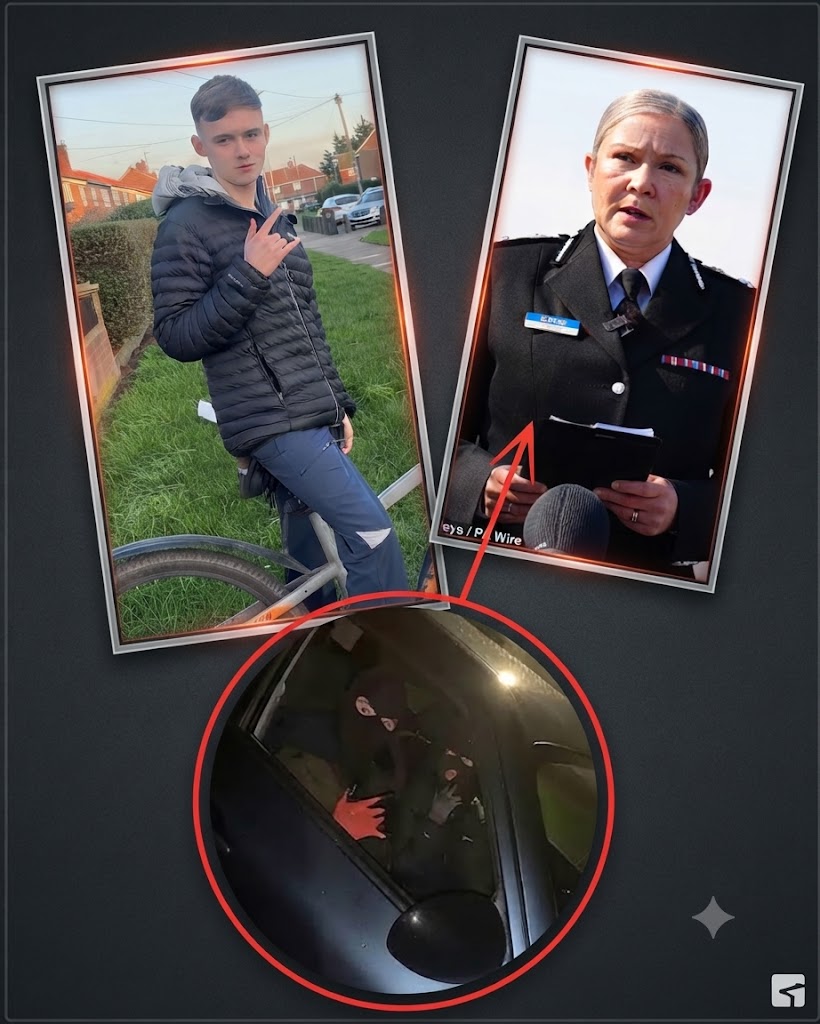
In the immediate aftermath of a catastrophe that claims seven lives, society naturally searches for answers. How did a routine early-morning shift end in unimaginable carnage on the A66 near Middlesbrough? How did two devoted police officers and five young men all lose their lives in a matter of terrifying seconds?
While investigators from the Independent Office for Police Conduct (IOPC) continue to untangle the precise timeline of the police pursuit, a parallel and deeply disturbing investigation has emerged online. Following the tragedy, a digital footprint tied to some of the teenage victims has surfaced, thrusting the dark intersection of social media clout, “joyriding” subculture, and fatal recklessness into the national spotlight.
The Digital Trail: Red Flags in Plain Sight
Days after the collision, digital sleuths and concerned citizens began unearthing archived content linked to individuals involved in the crash—including 18-year-old Makai Saddington and 23-year-old Jacob Matusiak. Videos posted to platforms like TikTok in the months prior depicted dangerous, high-speed driving antics, including footage that appeared to show reckless maneuvers, erratic driving through residential estates, and vehicles tearing across open fields during apparent encounters with law enforcement.
While authorities have emphasized that these specific clips were captured months before the fatal A66 smash, their sudden circulation has ignited a fierce public debate. The core question haunting investigators, politicians, and grieving families alike is simple yet devastating: were these online videos symptomatic of a broader, unheeded warning culture where dangerous driving is performed, filmed, and validated for digital engagement?
A Growing Cross-Border Crisis
The scrutiny facing platforms like TikTok is not isolated to the Teesside tragedy. Law enforcement agencies across the UK and Ireland have raised escalating alarms regarding a dangerous trend of “wrong-side” driving stunts. Just days prior to the A66 collision, a nearly identical nightmare unfolded in Ireland, where five teenagers travelling the wrong way down a motorway in a stolen vehicle triggered a fatal head-on crash.
Senior police officials in both nations have publicly pointed an accusing finger at online algorithms, noting that the dopamine loop of “likes,” shares, and viral notoriety appears to be emboldening vulnerable youths to treat public highways as disposable game boards. In the wake of these incidents, parliamentary committees and media regulators have formally demanded that tech giants account for how easily illegal, high-speed driving content circulates and evades swift moderation.
The Human Toll and the Wider Web
As public debate rages over the influence of social media, Cleveland Police’s wider criminal investigation into the A66 crash has continued to snowball. Moving far beyond the immediate accident scene, authorities arrested nearly 20 individuals in subsequent multi-force sweeps, uncovering deep tentacles of organized criminality, suspected drug supply rings, and weapons possession linked to the milieu surrounding the vehicle.
Yet, amid the swirling investigations, raids, and political grandstanding about digital regulation, the human cost remains painfully sharp. For the families of PC Matthew Blades and PC Tom Clough, social media trends offer no comfort—only a stark reminder of the senselessness of the loss.
Looking Ahead: Can the Digital Rot Be Stopped?
The tragedy on the A66 has forced a reluctant society to confront uncomfortable truths about youth culture, accountability, and the modern digital landscape. As tech platforms face intense legislative pressure to curb the monetization and spread of reckless content, law enforcement agencies are left grappling with how to deter a generation raised on screen-captured lawlessness.
Ultimately, whether future tragedies can be averted depends on closing the gap between online glorification and real-world consequences. Until then, the digital ghosts left behind on platforms like TikTok stand as haunting testaments to a catastrophe that many believe carried warning signs long before the final, fatal turn on the A66.