The Illusion of Hype: How Bots, Influenced Media, and AI Slop Corrupted Modern Entertainment
🚨 THE ENTERTAINMENT INDUSTRY IS LYING TO YOU! How Bots, Influencers, & AI Slop RUINED GTA 6, HBO’s Lanterns, and Intergalactic! 🔥
Are you tired of opening social media and seeing every single mediocre game or trash TV show praised as a “generational masterpiece”? 😡 The truth is out, and the hype machine is completely broken.
Industry insiders are exposing a massive, calculated conspiracy to brainwash consumers. From heavily funded billion-dollar bot swarms defending GTA 6, to corporate-backed influencers pushing controversial titles like Naughty Dog’s Intergalactic, and critics fawning over ideological messaging in shows like HBO’s Lanterns—real consumer trust is officially dead. 💀📉
When access journalism, paid sponsorships, automated bot armies, and AI-generated slop merge into one giant machine, you can no longer trust your own screen. Every piece of media is forced through a political filter, turning genuine fan feedback into a toxic culture war.
👉 Uncover the terrifying reality behind the fake hype machine right here:
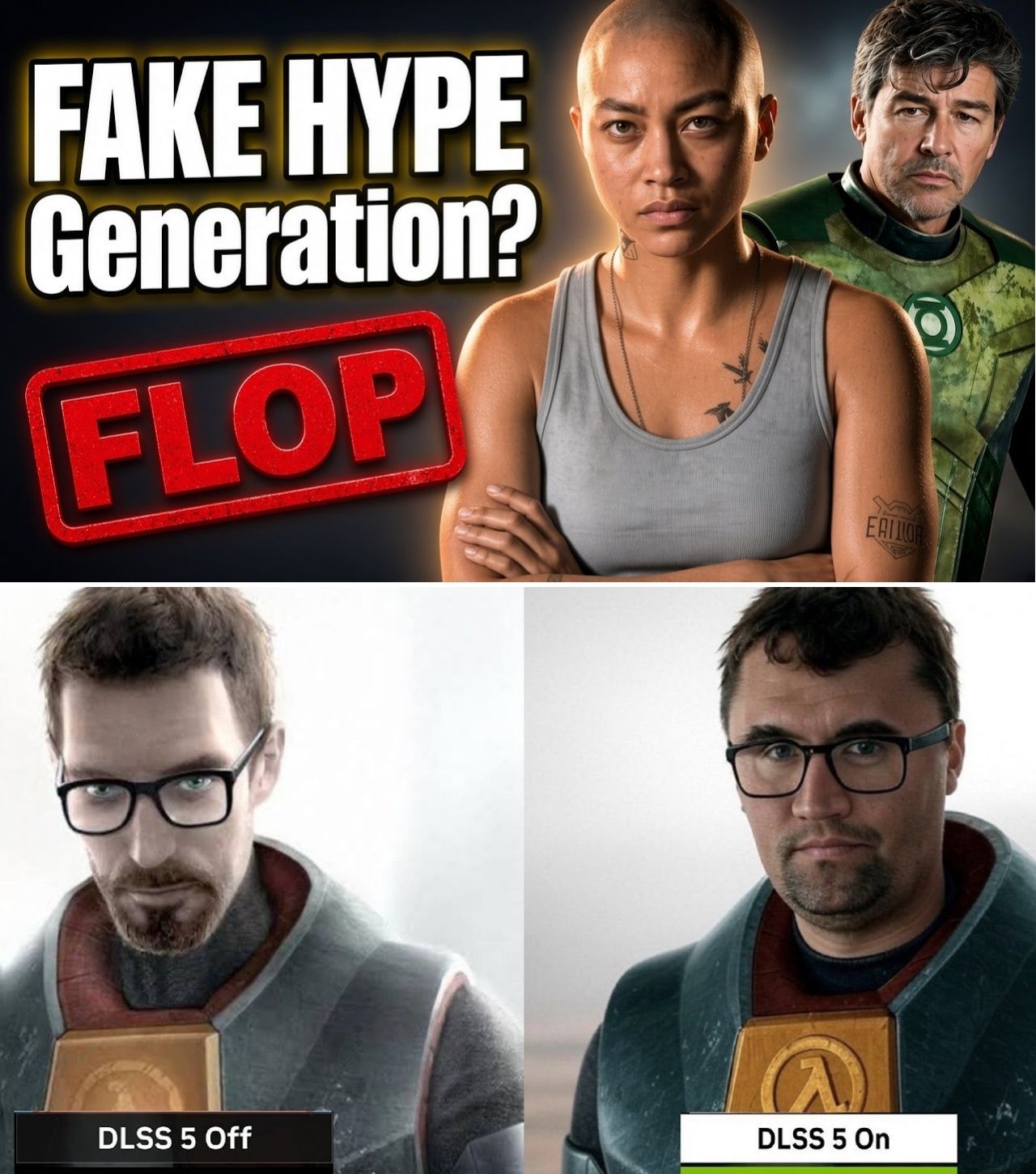
For decades, the lifecycle of a major entertainment property was straightforward: a studio dropped a trailer, audiences reacted organically, critics evaluated the final product on its merits, and word-of-mouth dictated commercial success or failure. Today, that foundational ecosystem has been systematically dismantled and replaced by something far more artificial.
A growing chorus of critics and community analysts is sounding the alarm over a pervasive “fake hype problem” plaguing video games, television, and film. Across platforms like X, TikTok, and YouTube, consumers are continually bombarded with glowing, uniform praise for products that ultimately land as mediocre, divisive, or outright commercial failures. From massive multi-billion-dollar juggernauts like Grand Theft Auto VI to controversial new intellectual properties like Naughty Dog’s Intergalactic and serialized television projects like HBO’s Lanterns, the line between genuine consumer excitement and corporate brainwashing has blurred beyond recognition.
The Four-Pillar Machine: Anatomy of the New Entertainment Complex
Industry commentators point to a structured, four-tiered apparatus that taints modern media evaluation, effectively eliminating objective criticism and replacing it with manufactured consensus.
Access Journalism and Embargos: Traditional media outlets remain reliant on early access passes, review codes, and exclusive screeners provided by AAA publishers. To secure their insider status and future access, friendly outlets routinely soften critiques, fostering an unearned positive sentiment around major studio releases.
The Influencer Industrial Complex: While not universally compromised, a significant tier of content creators operates within a web of sponsorships, financial backing, and promotional partnerships with major publishing houses, functioning effectively as an extension of corporate marketing departments.
AI Bot Swarms and Automated Defense Grids: Social media platforms are increasingly flooded with automated bot accounts that reiterate synchronized talking points, defend controversial design choices, and artificially amplify positive sentiment while drowning out dissenting consumer feedback.
AI-Generated Slop and Synthetic Content: The proliferation of artificial intelligence has enabled automated generation of fake articles, synthetic imagery, and simulated fan engagement designed to manufacture an illusion of widespread cultural momentum where none organically exists.
Case Studies in Manufacturing Consensus: GTA 6, Intergalactic, and HBO’s Lanterns
The mechanics of this synthetic hype machine are visible across several high-profile properties, each utilizing the system in unique ways.
Grand Theft Auto VI: Even a monumental, universally anticipated title like GTA 6—which boasts billions in organic consumer interest—finds itself intertwined with this defensive ecosystem. When minor visual or creative debates surface online, they are immediately met with synchronized bot swarms and defensive journalism. Critics and industry activists quickly weaponize the discourse, painting any consumer critique as bad-faith whining while insulating the billion-dollar investment from organic scrutiny.
Intergalactic: Conversely, properties lacking natural momentum—such as Naughty Dog’s sci-fi project Intergalactic—rely heavily on artificial elevation. Facing tepid public enthusiasm and lingering community friction from past titles like The Last of Us Part II, the promotional apparatus works overtime to fabricate an atmosphere of high demand. When consumers push back, the marketing pivots into “negative marketing campaigns,” intentionally provoking cultural friction to rally ideological factions.
HBO’s Lanterns: Television adaptations face similar dynamics. Upon its mid-August release, HBO’s Lanterns received polarizing audience feedback juxtaposed against sky-high critic scores on Rotten Tomatoes. While everyday viewers questioned its departure from source material lore, think pieces flooded the media praising its exploration of sociological themes like systemic racism and privilege. The convergence of friendly journalistic reviews, influencer promotion, and bot-driven amplification created a stark divide between what the audience experienced and what the algorithmic consensus claimed.
The Ideological Pivot: Messaging Over Mechanics
At the heart of this synthetic hype machine lies a deeper ideological shift. Modern entertainment production increasingly prioritizes ideological messaging and socio-political alignment over traditional entertainment value or consumer satisfaction.
When a product is engineered primarily as a vehicle for a specific worldview, standard critical metrics fail. Because the project’s success is tied to its ideological adherence rather than its mechanical quality, it requires an artificial support structure—the combination of AI chat bots, paid influencers, and compliant journalists—to shield it from commercial reality. Consequently, consumers are left in a morally gray landscape, struggling to determine what is genuinely worth their time in an industry dominated by sentiment manipulation and fake valuation.
Conclusion: Navigating the Post-Truth Entertainment Era
The rise of bots, influencers, and AI slop marks a perilous turning point for interactive entertainment and media consumption. As organic word-of-mouth is crowded out by synthetic algorithms and corporate-backed consensus, trust between creators and audiences fractures further.
Until the industry encounters a market correction where spending habits finally break the cycle of artificial inflation, consumers must navigate an increasingly opaque digital landscape—one where looking with your own eyes remains the only reliable defense against the machine of manufactured hype.