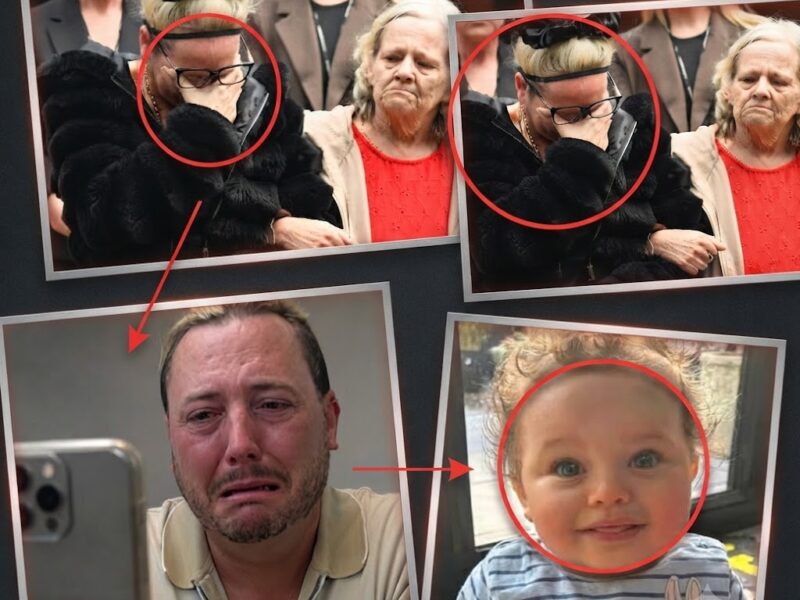
The Chilling Video on Jamie Varley’s Phone: What Prosecutors Found in the Final Hours of Preston Davey’s Life
🚨 THE VIDEO ON JAMIE VARLEY’S PHONE BECAME ONE OF THE MOST DISTURBING PIECES OF EVIDENCE IN THE PRESTON DAVEY CASE.
It wasn’t a dramatic confession caught on camera — but prosecutors said the footage captured something horrifying just hours before Preston died.
What exactly did Varley record at 4:45 p.m.? Why was that footage on his phone, and what did investigators discover when they reconstructed the final hours of Preston’s life? 👇
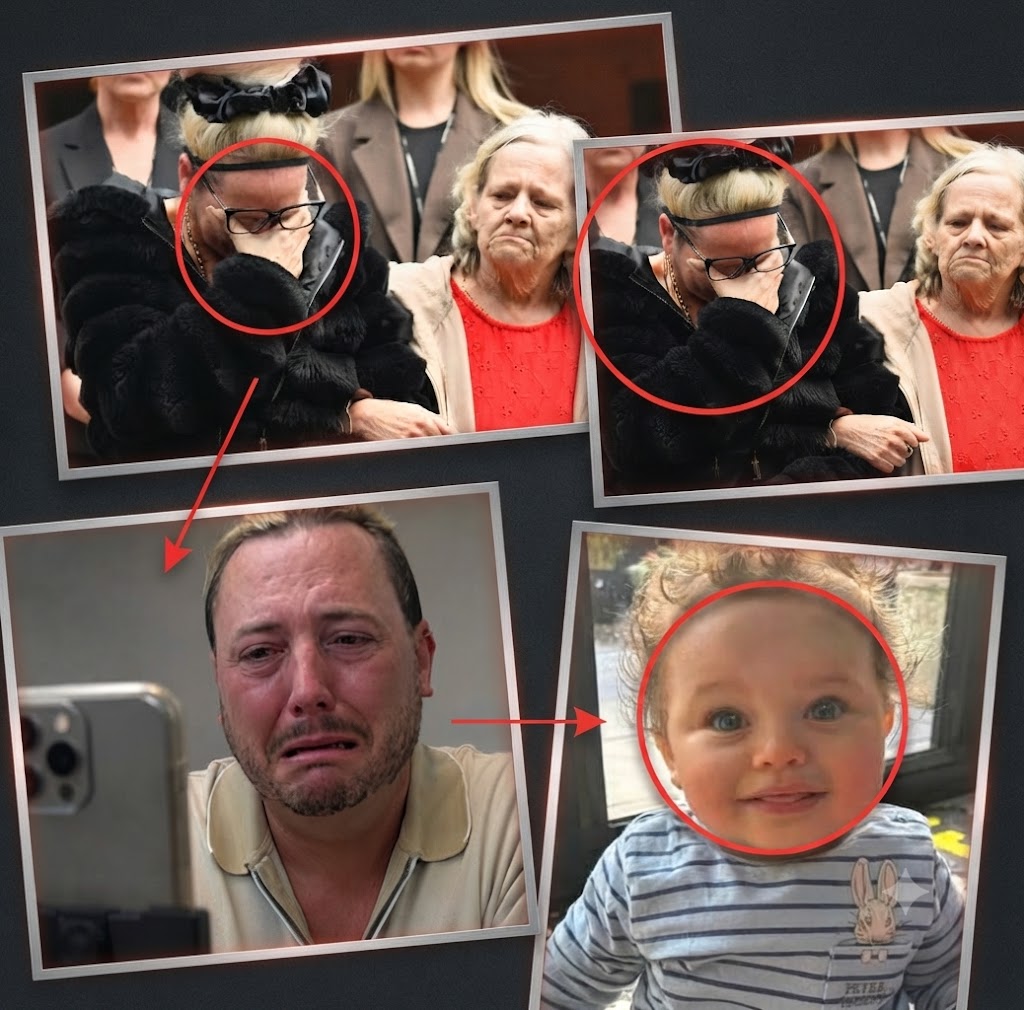
A disturbing recording made by Jamie Varley on the afternoon his adopted son died became a key piece of evidence at trial — but claims of a newly leaked “secret confession” go beyond what has been publicly established.
A video recorded on Jamie Varley’s mobile phone has emerged as one of the most disturbing pieces of evidence in the case surrounding the death of 13-month-old Preston Davey.
But unlike the sensational version circulating online, the evidence presented in court does not show Varley sitting alone in a dark room and recording a dramatic confession about Preston.
The confirmed footage is considerably more troubling for another reason.
At approximately 4:45 p.m. on July 27, 2023, Varley recorded a short video of Preston while the child was in severe respiratory distress.
According to Lancashire Police, the footage showed Preston lying on a bed, struggling to breathe and in obvious discomfort. Police said the video lasted around 35 seconds. Sky News has similarly reported that the recording captured the child in “extreme respiratory distress,” including an agonal gasp.
Less than three hours later, Preston was dead.
The footage became an important part of the prosecution case against Varley, who was ultimately convicted of murder, multiple child cruelty offences and sexual offences.
On June 18, 2026, he was sentenced to a whole-life order.
That means he is expected to remain in prison for the rest of his life.
What Was Actually Recorded?
The timeline of July 27 is central to understanding the significance of the footage.
Preston had been living with Varley and his partner, John McGowan-Fazakerley, after the couple adopted him in 2023.
According to the prosecution case, the four-month period in which Preston lived with the couple was marked by repeated physical and sexual abuse.
By the morning of July 27, investigators believed the child had already suffered serious harm.
Lancashire Police said the prosecution alleged that Preston had been assaulted earlier that day while Varley was the only adult present in the house.
At 4:45 p.m., Varley recorded the video of Preston struggling to breathe.
The footage did not merely document a child who appeared unwell.
Police said Preston was in obvious distress.
The prosecution argued that an earlier assault had been followed by a second assault that caused an obstruction to Preston’s airway.
Varley was the only person present in the house when those assaults were alleged to have occurred.
The significance of the recording was therefore not simply what it showed.
It was when it was made.
The Hours Before Preston’s Death
The events that followed became a major focus of the trial.
According to the prosecution timeline, Preston was eventually taken to Blackpool Victoria Hospital in critical condition.
Varley and McGowan-Fazakerley claimed that the child had been found submerged in a bath.
But the medical evidence did not support drowning as the cause of death.
A Home Office post-mortem examination concluded that Preston died from acute upper airway obstruction and ruled out drowning.
The examination also identified approximately 40 injuries.
Sky News reported that the injuries included bruising and other signs of trauma, while prosecutors presented evidence of sexual abuse.
The bath explanation became one of the most heavily contested elements of the trial.
ITV reported that the court heard Preston had dry hair despite Varley’s claim that he had accidentally drowned in the bath.
That evidence was ultimately considered alongside the phone recordings, photographs, medical evidence and testimony from the defendants.
The Phone Was Already Central to the Case
The July 27 recording was not an isolated piece of digital evidence.
Investigators recovered a large amount of material from Varley’s phone following his arrest.
Lancashire Police said Varley had taken his first video of Preston by April 17, 2023.
Other videos and images recovered from his device showed the child with injuries.
One recording made on April 23 showed bruising to Preston’s head, which police said indicated that he had already suffered physical cruelty.
Other images and videos were recovered from both Varley’s and McGowan-Fazakerley’s phones during the following months.
The digital evidence therefore allowed investigators to construct a chronology of what happened to Preston during the four months he lived with the couple.
It also became important in establishing the contrast between how the family appeared publicly and what was happening behind closed doors.
Another Disturbing Recording
The July 27 footage was not the only video that featured prominently in the investigation.
On July 19, Varley recorded videos showing Preston being spun on a playground teacup at excessive speed.
Lancashire Police said the child appeared to be in clear distress and struggled to focus his eyes.
Varley shared one of those recordings with other people, including McGowan-Fazakerley, and later added music to two of the videos.
On July 24, another video was recorded in which Preston was left alone in a bath for more than 14 minutes.
Police said the child was not in his bath seat and was visibly distressed, at times whimpering and attempting unsuccessfully to get out.
Taken individually, each piece of footage required interpretation.
Taken together, prosecutors argued, they demonstrated a continuing pattern of mistreatment.
What Did Varley Say in Court?
Varley denied murdering or sexually abusing Preston.
When he gave evidence during the trial, he rejected the prosecution’s characterization of the images and videos as evidence of deliberate abuse.
ITV reported that Varley described himself as “disappointed” and “really ashamed” about some images he had taken, while denying that he had created them as trophies of abuse.
He also denied causing Preston’s fatal injuries.
His account of the child’s final moments centered on the bath.
The prosecution, however, argued that the explanation was fabricated to conceal what had actually happened.
The jury ultimately rejected Varley’s account.
On June 15, 2026, he was convicted of murder, grievous bodily harm, child cruelty, sexual assault and offences involving indecent images.
His partner was convicted of allowing the death of a child, child cruelty and sexual assault.
The “Secret Confession” Claim
That brings the story back to the dramatic claim now circulating online: that Varley secretly recorded himself confessing to Preston’s killing shortly before his arrest.
There is currently no reliable public evidence supporting that version of events.
The official Lancashire Police account describes numerous videos recovered from Varley’s phone, including the disturbing footage made on July 27.
But it does not describe a self-recorded confession in which Varley admits killing Preston.
Nor do the major reports documenting the trial identify such a recording as a decisive piece of evidence.
That distinction is important.
The real case already contains extensive digital evidence.
Adding an invented or unverified confession risks obscuring the facts that were actually established in court.
The confirmed July 27 recording is disturbing precisely because investigators say it captured Preston in serious distress before he was taken to hospital.
Why the Video Mattered
For prosecutors, digital evidence can provide something traditional testimony sometimes cannot: a timestamped record of events.
A photograph can establish what someone looked like at a particular moment.
A video can provide additional information about movement, behavior and condition.
In Preston’s case, the recordings recovered from mobile phones helped investigators build a timeline stretching from shortly after his adoption until the day he died.
That timeline was particularly important because the prosecution alleged that abuse had been occurring repeatedly rather than being the result of one isolated incident.
The evidence included photographs, videos, medical records, messages and testimony.
The phone footage was therefore one component of a much larger evidential picture.
A Case That Shocked the UK
Preston’s death generated widespread public outrage because he had entered the couple’s care after spending the first months of his life with foster carers.
Lancashire Police said that during his first nine months with his foster carers, Preston had been described by health professionals as healthy and happy.
He began living with Varley and McGowan-Fazakerley at the end of March 2023.
Four months later, he was dead.
The case subsequently prompted questions about safeguarding procedures and whether warning signs had been missed.
The Times reported that concerns had emerged around Preston’s care before his death and that an independent review was launched into aspects of the safeguarding process.
That wider issue remains separate from the question of what happened inside the home.
The Final Verdict
On June 15, the jury found Varley guilty after an eight-week trial.
Three days later, the court imposed a whole-life order.
Sky News reported that the judge told Varley he would remain in prison for the rest of his life.
McGowan-Fazakerley received a 25-year sentence for his role.
The convictions brought the criminal proceedings to an end, but the case continues to attract intense public attention.
Part of that attention has been driven by genuine evidence released during the trial.
Another part has come from social media, where increasingly dramatic versions of the story continue to circulate.
The alleged “leaked confession video” falls into the second category unless credible evidence emerges to establish otherwise.
The confirmed recording is different.
It was made at 4:45 p.m. on the day Preston died.
It captured a critically ill child in visible distress.
And it became part of a prosecution case that ultimately resulted in Varley being convicted of murder and sentenced to spend the rest of his life behind bars.
For investigators and the court, that evidence did not need a sensational confession to become significant.
The timestamp was enough to make it a crucial piece of the final-hours timeline.