When Forgiveness Meets a Digital Witch Hunt: The Relentless Online Campaign Threatening Grieving Father Patrick Clancy
🚨 HE FORGAVE HER, BUT THE INTERNET WANTS BLOOD: Inside the Dark Web Campaign Targeting a Grieving Father
He stood before the world, chose forgiveness, and dedicated his life to healing. But while a courtroom battled over postpartum psychosis, a much darker, more sinister trial was quietly breeding online.
When the high-profile murder trial of Lindsay Clancy ended in a shocking mistrial, the internet didn’t just react—it exploded. Amidst the digital noise, a faction of TikTok sleuths, influencers, and self-proclaimed conspiracy theorists zeroed in on a chilling target: Patrick Clancy.
Baseless, fabricated narratives began spreading like wildfire, painting the grieving father—the very man who found his children dead—as the mastermind behind the tragedy. Now, the harassment has crossed a terrifying line from cyberspace into real-world danger.
With his safety, livelihood, and hard-earned reputation hanging in the balance, Patrick’s legal team has officially broken the silence, issuing a fierce ultimatum that is shaking social media to its core. Law enforcement has been notified, and the warning is clear: keep spreading the lies, and face the ultimate legal reckoning.
What are these toxic online circles hiding? Who is profiting off the manufacturing of these vicious lies? And how much more can one man endure after losing everything?
The truth is finally coming to light, and you need to see what his lawyers just exposed.
👇 Click below to uncover the full story before it gets scrubbed. 🔥
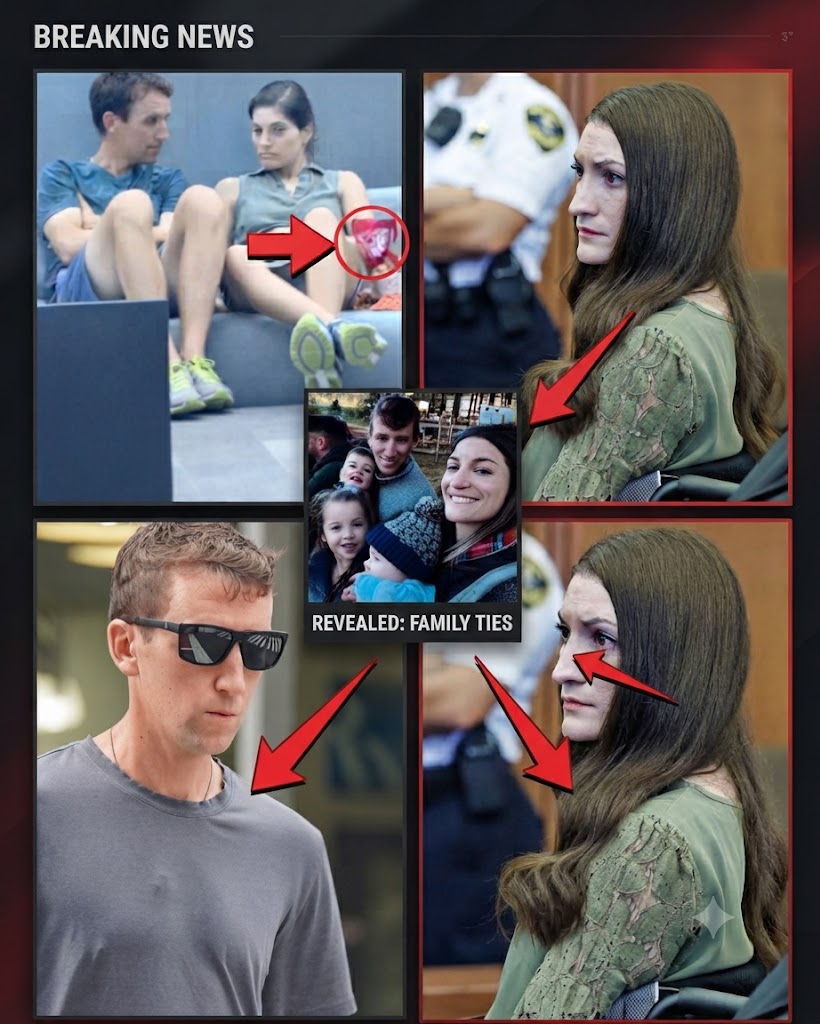
The courtroom drama surrounding the tragic deaths of three young Duxbury children captivated a nation, laying bare the harrowing realities of severe mental health struggles and the agonizing limits of the American judicial system. But as the legal dust settled on a deadlocked jury and a declared mistrial, a toxic secondary theater erupted far away from the courts of law: the unregulated, viral ecosystem of social media. In the crosshairs of this digital tempest is Patrick Clancy, a father who has spent the years following the unimaginable loss of his children advocating for mental health and attempting to rebuild his life. Today, he finds himself forced to fight a vicious, fabricated narrative weaponized against him by online influencers and conspiracy theorists seeking clout.
A Tragedy, a Trial, and a Mistrial
The foundational facts of the case trace back to January 24, 2023, inside a quiet coastal Massachusetts home. Lindsay Clancy, a 36-year-old former labor and delivery nurse, strangled her three young children—5-year-old Cora, 3-year-old Dawson, and 8-month-old Callan—before attempting to take her own life by jumping from a second-story window. She survived the fall, leaving her paralyzed from the waist down.
The subsequent criminal trial riveted public attention, turning into a bitter battle over criminal responsibility. The defense argued passionately that Lindsay was suffering from extreme postpartum psychosis—a severe psychiatric emergency involving delusions and loss of touch with reality following childbirth. Prosecutors countered that her actions were calculated, intentional, and executed while she fully understood the nature of what she was doing. After grueling deliberations, the jury remained deadlocked, prompting the judge to declare a mistrial and leaving the path forward uncertain.
Yet, long before the gavel came down on the mistrial, a parallel narrative began taking shape across platforms like TikTok, Instagram, and X (formerly Twitter). While Patrick Clancy had testified as the prosecution’s first witness—recounting the devastating moment he returned from picking up dinner and medication to find his children dead—and had publicly spoken about forgiveness and healing, internet subcultures began dissecting his every move.
The Rise of the Digital Conspiracists
According to statements released by Patrick’s legal representation, an escalating and coordinated disinformation campaign took root as media coverage intensified. Minor celebrities, algorithm-chasing influencers, and unverified conspiracy theorists began pushing an entirely baseless theory: that Patrick himself was somehow involved in the deaths of his children.
These claims—completely absent from the formal police investigation, grand jury indictments, and the multi-week criminal trial—were manufactured out of whole cloth. Online commentators began meticulously picking apart Patrick’s movements on the day of the tragedy, scrutinizing his remarriage, and fabricating psychological profiles designed to cast suspicion on a grieving survivor.
Legal analysts following the case have noted the bizarre and destructive pipeline of modern true-crime culture, where social media users treat active tragedies as interactive fiction. Rather than respecting the profound gravity of the courtroom proceedings, segments of the internet chose to elevate sensationalist fiction over verified judicial record.
Crossing the Line Into Real-World Danger
What began as idle internet speculation quickly metastasized into actionable harassment. In a scathing public statement, high-profile attorney Howard Cooper, representing Patrick Clancy, announced that the relentless digital campaign had crossed the boundary from protected speech into dangerous defamation.
“Over the past months, Patrick Clancy and his family have been subjected to a relentless, escalating, and destructive defamation campaign,” Cooper stated. He explicitly called out the perpetrators, noting that the misinformation has been “launched and promoted by minor celebrities, so-called influencers, and outright conspiracy theorists who appear intent on boosting their own social media profiles and potential profit by publishing what they know to be outright falsehoods.”
The consequences have extended far beyond digital downvotes and nasty comments. Cooper confirmed that the campaign has resulted in direct, real-life threats to Patrick’s personal safety, professional livelihood, and daily life. Law enforcement agencies have been officially notified of the threats, prompting a shift in how Patrick’s team intends to handle future bad actors. Legal experts have characterized the firm’s statement as a severe warning shot—effectively a high-stakes cease-and-desist letter foreshadowing aggressive civil litigation against those profiting from the slander.
The Road Ahead
As the legal system weighs whether Lindsay Clancy will face a second trial following the deadlocked jury, Patrick Clancy finds himself locked in an entirely different kind of battle—one for his reputation and physical security.
For a father who has tried to navigate an impossible landscape by honoring the memories of Cora, Dawson, and Callan while supporting perinatal mental health awareness, the emergence of this online hate mob represents a secondary trauma. Yet, as his legal team made clear, the days of passive endurance are over. With law enforcement engaged and civil courts looming as the next battleground, the architects of these online falsehoods are learning that viral engagement comes with a steep, and potentially devastating, price.