Behind the Facade: The True Prison Existence and Unending Shadow of Susan Smith
🚨 THE MONSTER WHO CRIED ON TV: The Twisted Truth Behind Susan Smith’s Prison Reality!
For nine agonizing days in October 1994, South Carolina mother Susan Smith stood in front of national television cameras, weeping crocodile tears and pleading for the safe return of her two little boys. She claimed a mysterious Black carjacker had stolen her Mazda with 3-year-old Michael and 14-month-old Alex strapped safely inside. It was a calculated, cold-blooded lie. The horrific reality? Smith had unbuckled nothing, rolled her car down a dark boat ramp into John D. Long Lake, and watched as her babies drowned in the dark—all because a wealthy lover told her children didn’t fit into his future.
Now, decades behind bars at the Leath Correctional Institution, Smith’s true prison life has been blown wide open. After being unanimously denied parole, public records revealed a shocking behind-the-bars reality: pen-pal romances, media manipulation, and disciplinary write-ups. Despite her tearful claims that “God has forgiven her”, the victims’ father and prosecutors are standing shoulder-to-shoulder to ensure she never sees daylight again.
👇 From her fake carjacking tears to her desperate prison love letters, the untold story of America’s most hated mother will shock you. Click here to read the full investigation:’
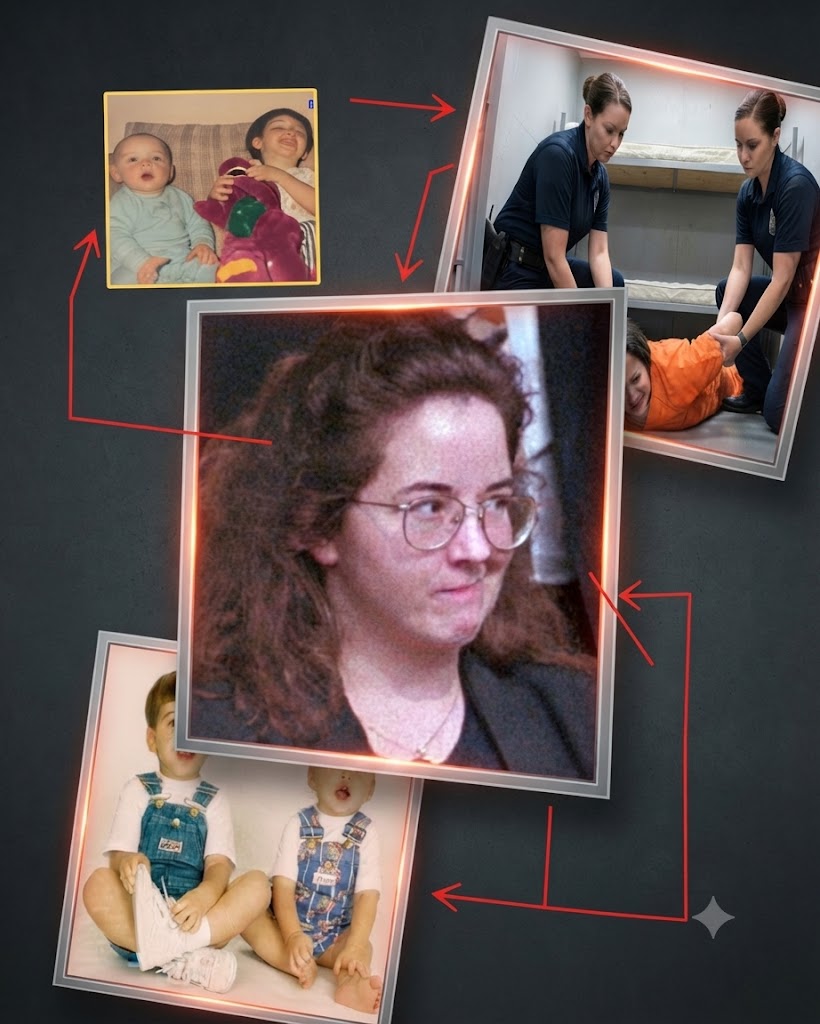
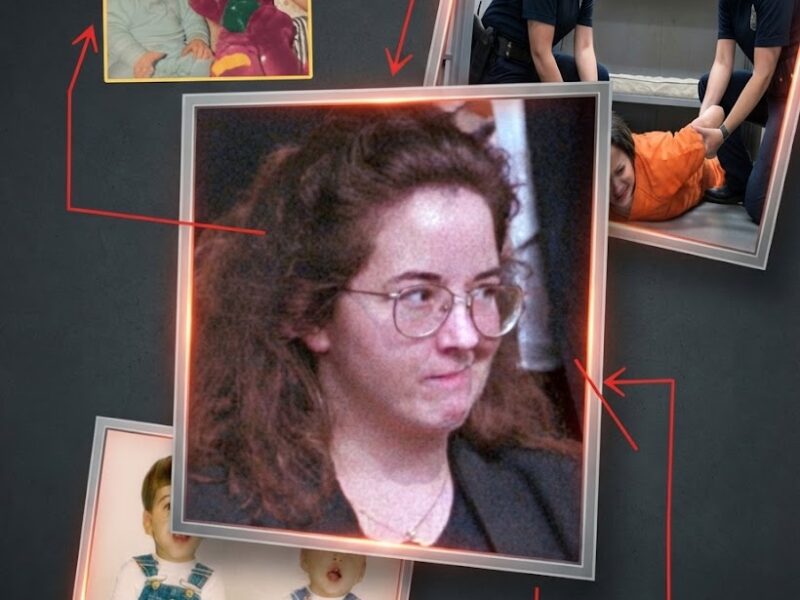
More than thirty years after a quiet South Carolina town was ripped apart by an act of unimaginable maternal betrayal, Susan Smith remains one of the most reviled figures in American criminal history. Incarcerated at the Leath Correctional Institution in Greenwood, South Carolina, Smith’s decades behind bars have been defined by quiet infamy, periodic disciplinary infractions, and a recent, high-stakes collision with the state’s parole system. While the public remembers the haunting footage of her televised pleas, her modern reality exposes a complex web of legal battles, prison pen-pal controversies, and an unyielding refusal by victims’ families to let her horrific crimes fade into history.
The 1994 Nightmare and the Unravelling of a Lie
The dark timeline of the case began on the night of October 25, 1994, in Union, South Carolina. Smith initially reported to local law enforcement that she had been ambushed at a red light by an armed carjacker who drove away with her vehicle and her two sons, Michael (3) and Alex (14 months). For over a week, the nation was gripped by her emotional televised appeals, with Smith sobbing alongside her ex-husband, David Smith, begging for the safe return of the toddlers.
However, cracks in her fabricated narrative quickly multiplied. Investigators noted glaring inconsistencies in her timeline and physical descriptions. Under intense police interrogation on November 3, 1994, Smith finally cracked, confessing that she had driven her car to the edge of John D. Long Lake, released the emergency brake, and watched the vehicle slip beneath the dark water with her children trapped inside. Prosecutors later revealed the chilling motive: Smith was consumed by an extramarital affair with a local businessman’s son who explicitly stated he did not want children or a future encumbered by another man’s family.
During her 1995 trial, the state pushed aggressively for the death penalty, showcasing the calculated cruelty of her actions. Ultimately, the jury shocked legal observers by rejecting capital punishment, opting instead for two concurrent life sentences with the possibility of parole after 30 years.
Life Behind Bars and the Parole Battlefield
As the mandatory three-decade threshold approached, Smith became legally eligible for her first-ever parole hearing. In November 2024, she appeared before the South Carolina Probation and Parole Board via video link. Visibly aged and breaking down in tears, Smith claimed she was deeply remorseful, stating, “I know what I did was horrible, and I would give anything so I could change it”. She appealed to the board through her Christian faith, asserting that God had forgiven her and asking the panel to show similar mercy.
Her defense attorneys argued that her crimes were the tragic product of severe, untreated mental health issues stemming from childhood trauma—specifically the suicide of her father when she was six years old. Furthermore, her legal team contended that decades of clean institutional conduct relative to violent offenses marked her as low risk.
The push for freedom, however, met a wall of fierce opposition. David Smith, the father of Michael and Alex, stood before the board alongside prosecutors and law enforcement officials, holding photographs of his deceased sons. In an emotional statement, David emphasized that the murders were not a tragic accident, but the result of a conscious, cold-blooded choice. The parole board voted unanimously to deny her freedom, keeping her locked behind bars.
The Scrutiny of Prison Life and Ongoing Public Outrage
Beyond the courtroom battles, details concerning Smith’s day-to-day existence inside the correctional facility have periodically surfaced, drawing intense media scrutiny. Public records requests unveiled that Smith maintained active correspondence with various individuals on the outside, including pen pals and documentary producers—leading to internal disciplinary write-ups for unauthorized communication and rule infractions. These revelations frequently spark fresh public debate over whether high-profile inmates serving life sentences retain too much access to outside validation.
Decades after the lakeshore tragedy, the case of Susan Smith stands as a grim monument to the limits of rehabilitation in the eyes of the public and the justice system. For the community and the family members left behind, the ongoing legal checkpoints serve as painful reminders of a mother’s ultimate betrayal—ensuring that the memory of Michael and Alex remains permanently etched in the American conscience.