The Misdirected Search: How a Missing Tracker and Phantom Trails Cost Precious Hours in the Hunt for Saylor Hayes
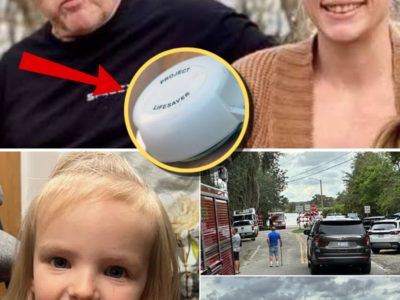
The frantic multi-agency mobilization to locate missing 5-year-old Saylor Hayes along the coast of Pawleys Island, South Carolina, was fraught with agonizing missteps from its very inception. As hundreds of dedicated volunteers, local firefighters, and law enforcement deputies rushed to answer the call, search crews were initially directed to comb through dense brush and timbered woods away from the water. At the exact same time, the family was actively asking emergency responders for radio-frequency tracking equipment—the specialized technology specifically meant to pinpoint her precise location. But behind those desperate requests lay a devastating, hidden reality: the tracking band had never even made the trip to South Carolina, having been left behind and locked inside a vehicle back at their primary residence in Virginia.
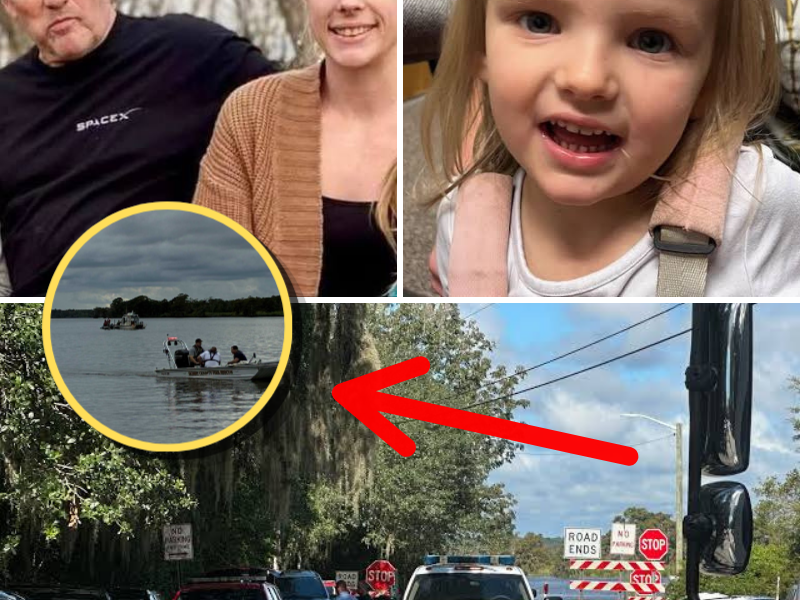
While precious hours ticked away in a desperate race against the clock, the collective energy of the search party was funneled into areas far removed from the actual danger zone. Investigators later unraveled a troubling pattern of behavior, noting that the parents continued to direct search crews toward locations and electronic signals they already knew did not exist. This critical diversion of resources meant that immediate attention was drawn away from the water hazards located just feet behind the family’s rental property on Old Waccamaw Drive. The friction between what searchers were being told and the physical truth of the situation created a chaotic environment that severely hampered the emergency response during its most vital window.
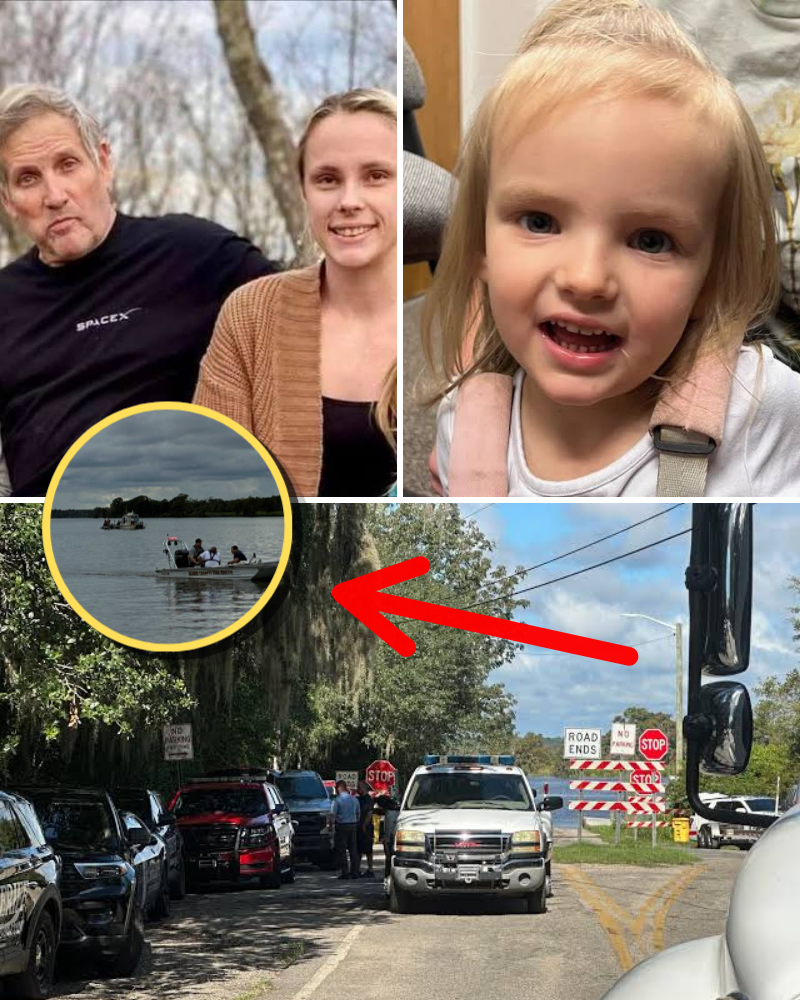
That agonizing illusion was finally shattered when the nonverbal autistic child’s body was pulled from the murky river water just steps behind the back door of the rental home. The grim discovery instantly transformed the community-wide rescue operation into a full-scale criminal investigation, shifting focus from a tragic wandering accident to gross parental negligence. According to unsealed probable cause affidavits from the Georgetown County Sheriff’s Office, the deliberate omission of her Project Lifesaver tracking device, paired with the active misdirection of search personnel, formed the core of the state’s case against the parents. The realization that a life-saving safety barrier had been discarded before departure added a dark and bitter layer of betrayal to an already heartbreaking loss.
The swift legal fallout saw John Herb Hayes III and Geordyn Nichole Hayes fleeing across state lines before being intercepted and taken into custody by law enforcement officers in Carter County, Tennessee. Extradition proceedings quickly brought the couple back to face severe felony charges under South Carolina law, including unlawfully placing a child at risk of harm and willfully abandoning a minor. Legal analysts and prosecutors have consistently emphasized that caregivers carry an absolute, non-negotiable responsibility to protect defenseless children, especially when staying in close proximity to dangerous aquatic environments like deep tidal rivers and marshlands.
For the community members and emergency responders who spent hours beating the brush in the blazing sun under false pretenses, the revelations regarding the missing tracker and subsequent police deception left an indelible mark of outrage. Memorials and tributes for 5-year-old Saylor quickly emerged online, mourning a vulnerable little girl who deserved an environment of absolute protection that was ultimately denied to her by the very people entrusted with her safety. As the judicial process moves forward toward trial, the haunting timeline of those critical, misdirected hours stands as an unyielding testament to the tragic cost of accountability lost in the woods while the real danger waited silently by the water’s edge.