The Hidden Omission: How a Left-Behind Tracking Device Transformed a Tragic Vacation Into a Criminal Case
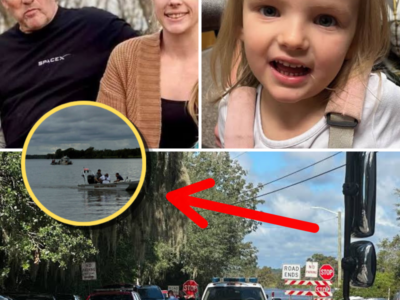
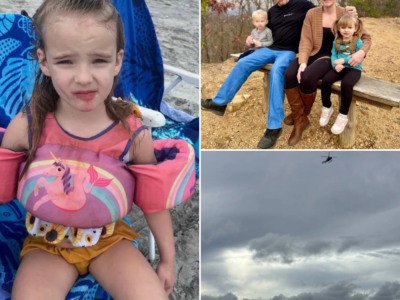
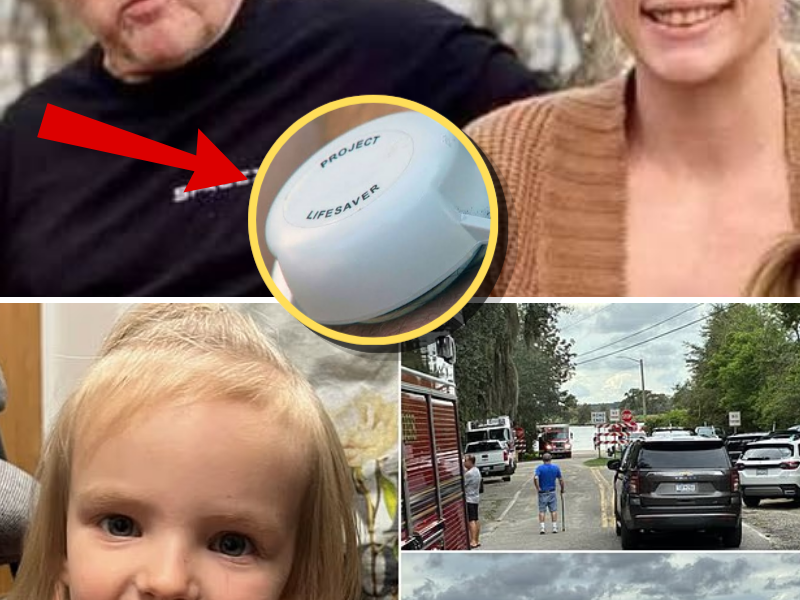
The quiet coastal community of Pawleys Island, South Carolina, was thrust into an agonizing state of emergency when five-year-old Saylor Hayes vanished from a vacation rental property along Old Waccamaw Drive. What began as an intensive, twenty-four-hour community mobilization involving hundreds of local volunteers, firefighters, and marine patrol deputies ultimately ended in profound sorrow when the nonverbal autistic child’s body was pulled from the murky river water just feet behind the home. However, the grief that initially enveloped the neighborhood rapidly morphed into intense scrutiny and a criminal investigation as law enforcement began examining the decisions made long before the family ever crossed state lines. The most disturbing details of the case did not emerge from the frantic hours of the search itself, but rather from a chilling oversight that occurred before the family even left their home in Virginia. For more than two years, little Saylor had been officially enrolled in Project Lifesaver, utilizing a specialized tracking bracelet designed to provide immediate geolocation capabilities if she ever wandered away from supervision. For a family managing the severe safety challenges of a nonverbal child with a known and dangerous affinity for open water, the tracking device had long been an indispensable part of their daily routine. Yet, when packing for the South Carolina getaway, that critical lifeline was systematically removed and left behind in the family’s vehicle, and the vacation proceeded entirely without it.
This single omitted detail might have easily faded into the background or been dismissed as an unfortunate oversight if subsequent events had not exposed a deeply troubling pattern of behavior. According to unsealed arrest warrants and detailed statements released by the Georgetown County Sheriff’s Office, the decision to leave the tracking technology behind was compounded by actions taken during the active search operation. Investigators revealed that as hundreds of people scoured the dense marshlands and waterways, the parents actively directed search teams to look for electronic tracking signals that they already knew did not exist. This calculated deception immediately shifted the focus of local authorities from a tragic, accidental drowning of a vulnerable child to potential criminal negligence and intentional child endangerment. The realization that search crews were being sent on phantom trails while the child’s lifeline sat abandoned miles away added a dark and sinister layer to an already heartbreaking catastrophe.
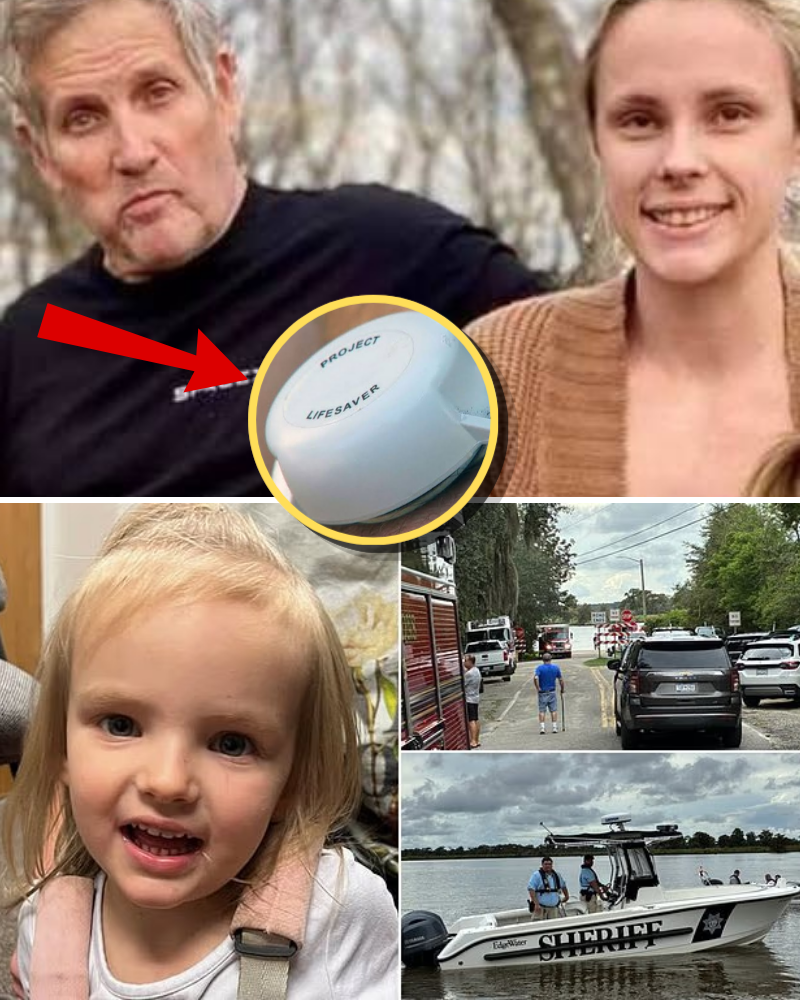
As the legal ramifications began to unfold with swift precision, law enforcement officers pursued the accumulating evidence across state lines, resulting in a high-stakes fugitive pursuit. John Herb Hayes III and Geordyn Nichole Hayes were tracked fleeing northward and were ultimately intercepted and taken into custody by local authorities in Carter County, Tennessee. The couple now faces severe felony charges under South Carolina law, including unlawfully placing a child at risk of harm and willfully abandoning a minor. Prosecutors and legal experts alike have emphasized that caregivers carry a non-standard, absolute legal responsibility to protect defenseless children who lack the capacity to ensure their own safety, particularly when staying in close proximity to deep-water hazards. The decision to strip away a proven safety barrier while knowingly exposing an autistic toddler to high-risk environments crossed the definitive line from tragic misfortune into prosecutable criminal culpability.
The rapid transformation of a community-wide missing person search into a multi-state criminal arrest sent shockwaves through both South Carolina and their home state of Virginia, igniting national conversations regarding parental accountability. Neighbors and online observers who had dedicated hours to combing the dense brush and tidal creeks under a blazing sun expressed a deep sense of betrayal upon learning about the missing tracking device and the subsequent police deception. Memorials and tributes for five-year-old Saylor quickly emerged online, portraying a bright little girl who deserved an environment of absolute protection that was ultimately denied to her by the very people entrusted with her care. As extradition proceedings work their way through the judicial system to bring the defendants back to face a judge in South Carolina, the legal community prepares for a contentious trial centered on the boundaries of parental duty and neglect.
The evidentiary trail assembled by investigators leaves little room for ambiguity regarding the timeline of events leading up to the tragedy at the Pawleys Island rental. Court documents outline a clear sequence where known behavioral risks—such as severe autism and a documented attraction to water—were met not with heightened security measures, but with the deliberate removal of protective technology. Legal analysts note that prosecutors will likely rely heavily on the Project Lifesaver enrollment records, vehicle searches, and witness testimonies to demonstrate a reckless disregard for human life. The juxtaposition between the public pleas for help during the search and the private knowledge of the abandoned tracker forms the core of the state’s argument that the disaster was entirely foreseeable and, consequently, entirely preventable.
For the investigators and emergency personnel who worked around the clock in the murky waters and treacherous marshlands, the case serves as a grim reminder of the hidden dangers children face behind closed doors. The emotional toll of recovering a nonverbal child is uniquely heavy, but discovering that critical safety protocols had been casually discarded before the trip amplified the tragedy into an outrage. Law enforcement agencies across the region have used the ongoing case to reiterate public safety messages regarding vulnerable juveniles, emphasizing that specialized equipment like tracking transmitters must never be omitted when traveling near aquatic environments. The collective memory of the search operation remains tied inextricably to the broader cultural reckoning over how society protects its most defenseless members from preventable harm.
As this dark chapter moves closer to its day in court within the South Carolina judicial system, the legacy of five-year-old Saylor Hayes stands as an unyielding testament to the pursuit of objective accountability. No amount of legal posturing or interstate evasion can obscure the paper trail of abandoned safety devices, unheeded behavioral risks, and contradictory statements provided to authorities during humanity’s most desperate hour of need. The haunting details originating from a Virginia driveway will forever define a vacation that began with a careless omission and ended with handcuffs, proving once and for all that the unyielding physics of negligence cannot be negotiated away when an innocent life hangs in the balance.