Behind Closed Doors: Unsealed Records Reveal Secret Legal Deal Suppressed Victim’s Disturbing Past in Murder Trial
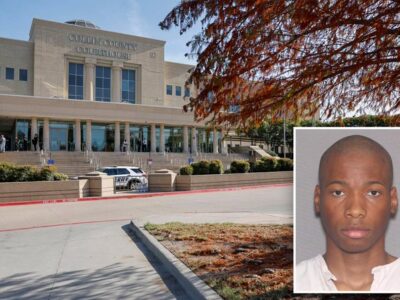
As 19-year-old Karmelo Anthony fights aggressively to overturn his murder conviction and secure a new trial following his 35-year sentence for the fatal stabbing of fellow high school athlete Austin Metcalf, explosive new courtroom testimony has exposed a hidden chapter of the legal proceedings. Newly unsealed court documents and recent post-trial hearings revealed that a private, backroom “gentleman’s agreement” between prosecutors and defense attorneys kept crucial background history about the victim completely hidden from the jury.
The informal pact was struck prior to the high-profile trial to restrict testimony strictly to the immediate events that transpired on the day of the districtwide track meet under the Memorial High School tent in Frisco, Texas. In exchange for keeping Karmelo Anthony’s history—including text messages revealing an obsession with weapons and violence—away from the jury, prosecutors agreed to suppress extensive documentation detailing Austin Metcalf’s troubling past.

Among the suppressed evidence were juvenile records, police reports, photographs, and videos showing Metcalf and his twin brother spray-painting severe racist graffiti, including the letters “KKK,” racial slurs, and Nazi symbols, which had previously resulted in 12 months of juvenile probation. Further hidden files detailed a documented history of school disciplinary issues, anger management counseling, allegations of bullying and assault, and incidents where Metcalf used racial slurs or made violent threats against peers.
Legal experts and defense appellate attorneys argue that suppressing this vital character evidence severely handicapped Anthony’s self-defense claims and prevented the jury from understanding the full context of the fatal confrontation. Meanwhile, prosecutors defended the trial strategy, asserting that the mutual agreement kept inflammatory character attacks out of the courtroom and protected both sides from volatile outside tensions. As presiding judges review the post-trial motions for a new trial, the revelation of the secret deal has intensified public scrutiny over what truly influenced the outcome of the courtroom verdict.