Gentleman’s Agreement Concealed Alarming Evidence in Karmelo Anthony Murder Trial
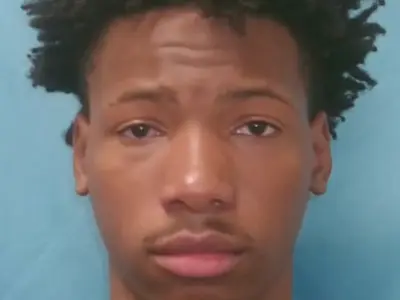
During an explosive court hearing concerning a motion for a new trial, prosecutors revealed a trove of highly sensitive evidence that had been deliberately kept out of the courtroom during the original proceedings. Karmelo Anthony, who was sentenced to 35 years in prison for the fatal stabbing of 17-year-old athlete Austin Metcalf at a Texas high school track meet, faced new scrutiny as prosecutors disclosed previously buried files. Among the revelations was a text message in which Anthony fantasized about stabbing someone and licking the blood off the blade, alongside evidence that he was allegedly stalking his ex-girlfriend just hours before the fatal confrontation.
The suppression of these explosive details was the result of a backroom “gentleman’s agreement” struck between the defense and prosecution prior to the trial. Lead prosecutor Bill Wirskye explained that both legal teams mutually agreed to restrict testimony and evidence strictly to the immediate events that transpired on the day of the track meet under the Memorial High School tent, choosing to shield the jury from broader character histories and prior behavior. The unrevealed agreement kept the jury completely in the dark regarding Anthony’s documented pattern of an obsession with weapons and violence.
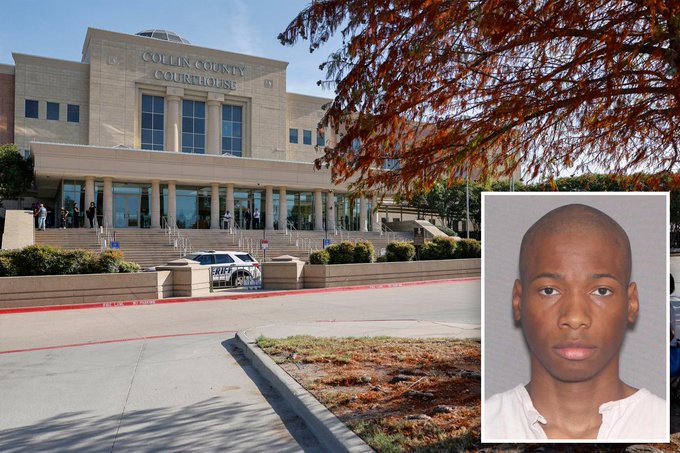
In exchange for keeping Anthony’s disturbing text messages and stalking behavior away from the jury, the unwritten pact also successfully buried damaging background information concerning the victim. Prosecutors acknowledged that the agreement prevented the defense from airing details about Austin Metcalf’s own history of getting into fights, as well as incidents involving racist graffiti. Legal experts noted that the pact was partially intended to prevent inflammatory character attacks from derailing the core proceedings or risking external safety tensions.
The revelation of the secret agreement surfaced as Anthony’s new legal team fought for a retrial, arguing that the original defense strategy—which notably included Anthony choosing not to take the stand—undermined his self-defense claims. While prosecutors defended the trial tactics as a mutual effort to maintain focus on the immediate physical altercation, the unsealing of these hidden files has intensified public debate over the fairness of the initial verdict. As the legal battle for a new trial continues before a newly appointed presiding judge, the hidden depths of the case continue to unfold.