The “E-Day” Backlash: Why “Gears of War” Fans Are Turning on the Latest Beta
GEARS OF WAR E-DAY: Another Western Studio “Woke” Nightmare? 🚨
The Gears of War community is spiraling, and it’s not because of the gameplay—it’s because of Mags Carter.
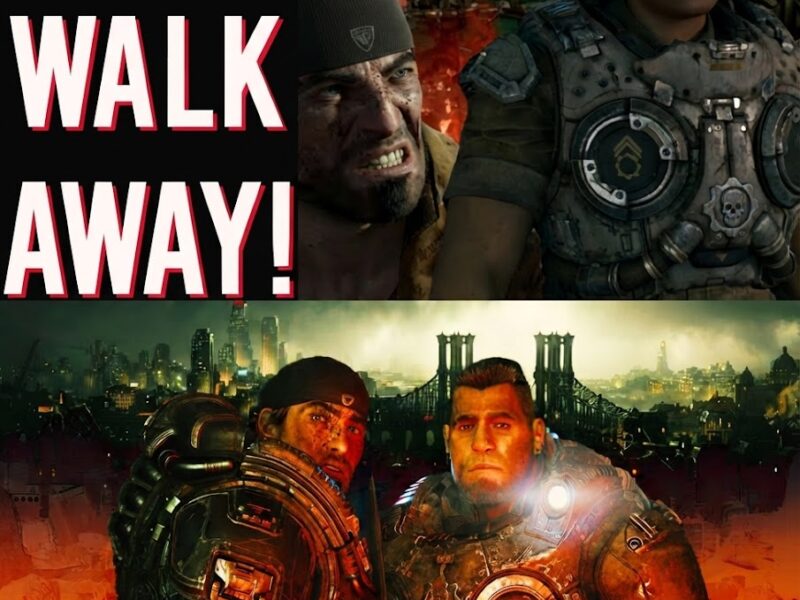
The E-Day beta is out, and players have noticed a glaring pattern: Marcus Fenix, the quintessential “hard-ass” of the series, is spending an suspiciously large amount of time coddling the new character, Carter. Players report that Marcus is constantly showering her with praise while ignoring the rest of the squad, which feels completely out of character for the legendary COG soldier.
Add in the character design—which fans are calling another “failed western female aesthetic”—and the fact that internal studio leadership is publicly prioritizing “trans visibility” over franchise tradition, and you have a recipe for a massive culture war.
Is this just “character interaction,” or are we watching yet another franchise get sanitized to fit an ideological checklist? See the side-by-side comparisons and the viral backlash here 👇
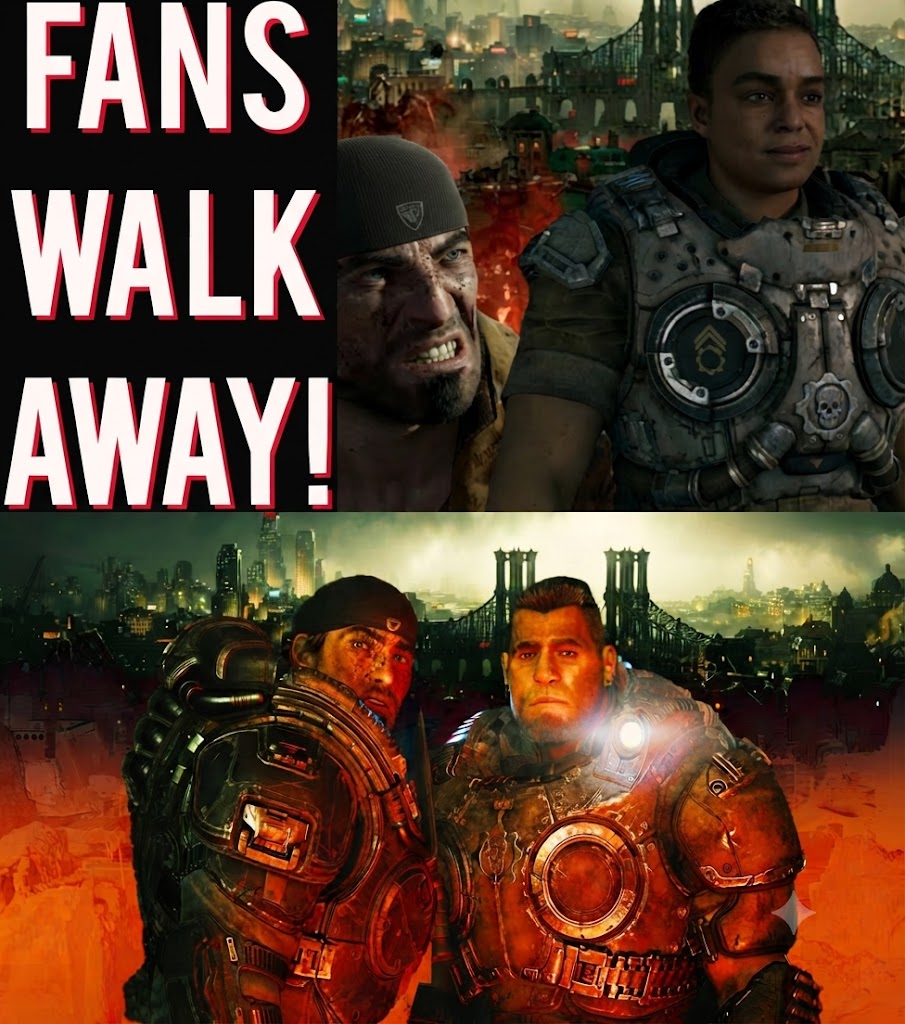
The Gears of War franchise has long been defined by its grit, its hyper-masculine aesthetics, and the brutal camaraderie of its soldiers. However, the release of the E-Day beta has triggered an unexpected firestorm of controversy. For a segment of the fanbase, this is not just about a new game—it is about what they perceive as the ongoing, ideological “sanitization” of a legacy IP.
The “Carter” Controversy
At the center of the backlash is the character Mags Carter. While the inclusion of female characters in Gears is nothing new, fans argue that the studio’s handling of Carter is jarringly “off.” Viral clips from the beta show Marcus Fenix—a character known for his stoic, hard-nosed leadership—repeatedly offering praise and reassurance to Carter, while appearing to ignore other squad members.
To long-time fans, this feels like an artificial attempt to elevate a specific character, a phenomenon they describe as “forced inclusion.” Critics are comparing it to recent trends in Western gaming, where established, “gruff” protagonists are retrofitted to act as cheerleaders for newer, supposedly “modern” characters. The discourse has been so intense that it has completely eclipsed the actual gameplay discussions, turning the E-Day beta into a cultural battleground.
Leadership and Ideology
The suspicion surrounding the character’s design is fueled by the public statements of studio leadership. Fans have been digging through the social media presence of Coalition Games executives, highlighting posts that prioritize “trans visibility” and political advocacy. For many, this confirms their fears: the studio is hiring based on ideological alignment rather than a commitment to the franchise’s established tone.
“Why does visibility matter in a game about people with chainsaw-guns?” one prominent critic asked. This sentiment encapsulates the frustration of a fanbase that feels alienated by a studio that they believe is more interested in signal-boosting social agendas than in delivering the “boots-on-the-ground” experience that made Gears a household name.
The “Beauty Standard” Debate
The character model for Carter itself has drawn sharp criticism, with many users labeling it as another example of “unattractive western female design.” While defenders argue that soldiers in a brutal war shouldn’t look like models, critics respond that this is a “selective” design choice. They argue that when combined with the “forced praise” in the dialogue, the design choice feels less like realism and more like an intentional move to normalize “unconventional” aesthetics at the expense of player preference.
This has led to inevitable comparisons with Japanese studios, which many gamers perceive as “respecting” their audiences by maintaining traditional character aesthetics. The “Western game design decline” narrative is gaining steam, with E-Day serving as the latest piece of evidence for those who believe the industry is fundamentally broken.
A Franchise at Risk
The Gears of War series has been struggling since Judgment and Gears 5, both of which were met with mixed receptions. E-Day was supposed to be the “return to form”—a prequel that brought back the intensity of the original trilogy. By allowing the project to become bogged down in culture-war debates, the studio risks alienating the core audience they desperately need to bring back.
As one community member pointed out, “You could have the best-written character in the world, but when you package her in this kind of ‘ideological’ framing, the audience is going to reject it on principle.” The studio is finding out the hard way that when the internet sees certain “red flags”—the praising dialogue, the specific aesthetic choices, the social media presence of the developers—the game is guilty until proven innocent.
The Road to Launch
For Coalition Games, the path forward is difficult. They are currently faced with a choice: ignore the backlash and hope the gameplay carries the day, or attempt a PR course-correction. However, given the current climate, “apologies” from Western studios are rarely received well by a cynical audience that feels it has been lied to one too many times.
Money is tighter, and players are more selective. They are no longer buying games “just because.” They are waiting for reviews, they are watching the clips, and they are making judgments based on the “vibe” of the game’s narrative. If E-Day wants to be the savior of the Gears franchise, it needs to be more than just a shooter—it needs to prove that it still understands the identity of the series it claims to represent.