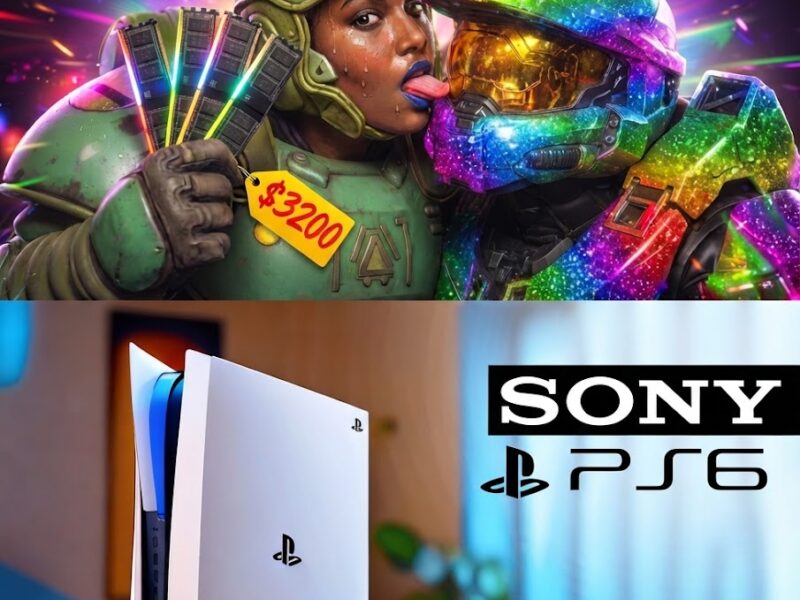
The “RAM-ageddon”: Why the $1,000 Console Could Be the Final Nail in the Coffin for PlayStation and Xbox
IS THIS THE END OF GAMING AS WE KNOW IT? 🚨
The “RAM-ageddon” is here, and it might just kill the PlayStation 6 and the next Xbox before they even launch.
Prices for memory have skyrocketed an insane 500% in just one year. Analysts are warning that the cost of next-gen consoles could shatter the $1,000 barrier. Can you imagine a world where you’re paying a grand for a digital-only box, plus ridiculous subscriptions just to play?
Gaming giants are looking for ways to monetize your life, pushing us toward a “subscription-only” future where you own nothing. The hardware is becoming a luxury item, and the “normies” are starting to notice that the math just doesn’t add up anymore.
Are we looking at the death of console gaming, or is this all part of a massive plan to force us into “cloud-only” leasing? Get the full breakdown of the RAM apocalypse here 👇
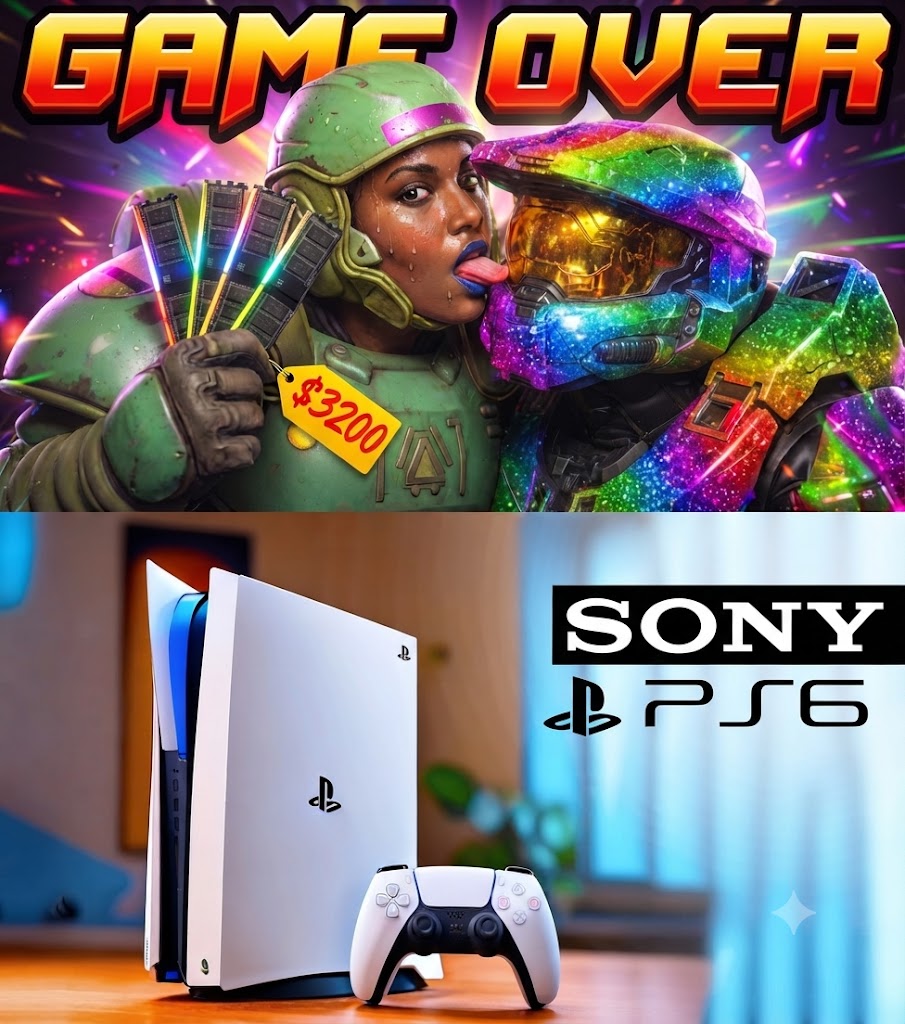
The gaming industry is facing a hardware crisis that threatens to derail the next generation of console gaming. With RAM prices surging by as much as 500% over the last 12 months, industry analysts are sounding the alarm: the dream of the affordable, accessible home console is rapidly becoming a relic of the past.
The RAM-ageddon Explained
According to hardware tracking data from Tom’s Hardware, the cost of DDR5 memory has divorced itself from reality. What was once a standard, affordable upgrade for PC builders has turned into a premium luxury. Comparisons show that high-capacity memory kits that cost a few hundred dollars just a year ago are now soaring toward $3,000, creating what many in the tech community are calling the “RAM apocalypse.”
This supply-chain disaster has a direct domino effect on the next generation of gaming consoles. Analysts are already predicting that if Sony’s PlayStation 6 and Microsoft’s next-gen “Helix” console launch with premium specs in 2028, they will be forced to retail for upwards of $1,000.
A $1,000 Barrier: The Death of the “Normie” Buyer
For years, the “magic price point” for a new console has hovered between $499 and $599. At that price, parents could justify a holiday purchase, and casual gamers could easily adopt the new platform. A $1,000 entry point is a different beast entirely.
Analysts at Ampier Analysis warn that a four-figure price tag could lead to a catastrophic 40% drop in sales. “If they top $1,000, it’s not just a bad launch—it’s a market contraction,” says one tech pundit. The demographic that fueled the massive success of the Nintendo Switch—families and casual players—will likely be priced out of the high-end market entirely. If consoles become as expensive as a high-end graphics card, many consumers will simply conclude that their current aging PC or a streaming subscription is “good enough.”
The “Subscription” Trap
The current economic climate is leading to a dark hypothesis: the “Unified Theory of Everything.” Critics argue that gaming giants are not interested in subsidizing hardware anymore. Instead, they are pushing toward a future where you don’t own the hardware at all—or if you do, it serves merely as a “dumb terminal” for cloud computing.
By making physical hardware prohibitively expensive, corporations can nudge consumers toward cloud-gaming subscriptions. In this model, the “game console” becomes an unnecessary middleman. If the user is forced to lease computing power from an “AI factory” because they cannot afford the RAM to build their own rig or buy a $1,000 console, the companies achieve their ultimate goal: indefinite subscription revenue. This shift away from ownership—no physical discs, no upgradable hardware, and no resalable assets—is seen by many as the endgame of the modern digital marketplace.
Retro Gaming: The Last Stand?
As prices for cutting-edge hardware climb, a paradoxical trend is emerging: a surge in interest for retro gaming systems. “We have kind of plateaued,” notes one industry commentator. “There’s nothing wrong with older tech if it does the job.”
The skyrocketing demand for modded retro consoles and legacy titles suggests that a significant portion of the community is “checking out” of the arms race for 8K graphics and high-fidelity ray tracing. Consumers are tired of the predatory pricing, the lack of physical ownership, and the constant need to upgrade. However, even this path is getting harder, as retro prices are also starting to climb in response to the broader market crunch.
The Road Ahead: 2028 and Beyond
With no release dates set and internal industry strain mounting, companies like Sony and Microsoft are at a crossroads. They can either delay their next-gen plans beyond 2028, or they can double down on aggressive monetization schemes to recoup the cost of hardware subsidies.
If they choose the latter, they risk alienating the very fans who built their empires. As one analyst starkly put it, we are living in a “Bizarro World” where the hobby of gaming is becoming increasingly disconnected from the reality of the average consumer’s wallet. Whether this leads to a market crash or a fundamental shift toward the “subscription-only” model remains the defining question for the next five years of gaming history.