The “Wolverine” Identity Crisis: How Insomniac’s Latest Project Is Igniting a Cultural Firestorm
MARVEL’S WOLVERINE: The “Lowest Testosterone” Version Ever? 🚨
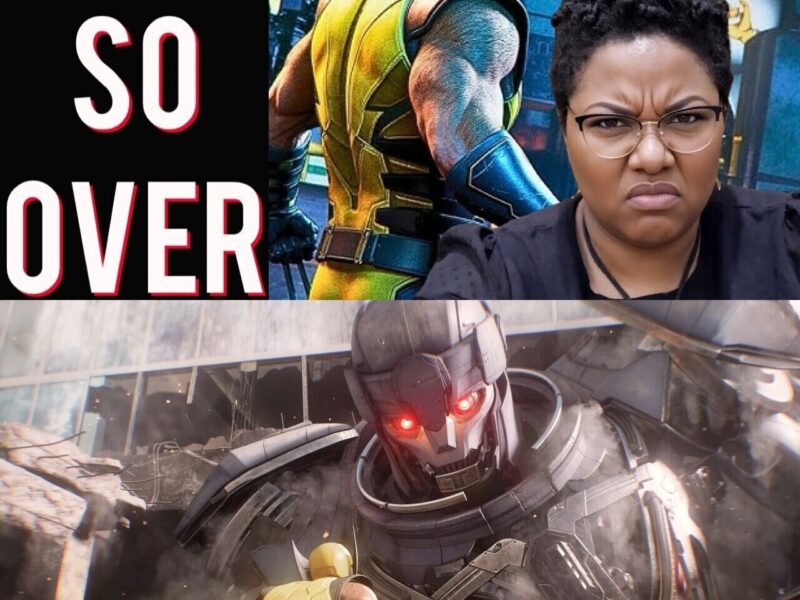
Insomniac Games has a Wolverine problem, and the internet is catching fire over it. New leaked footage and reports about the game’s writing team have fans furious.
They’ve taken the most rugged, high-testosterone, cigar-chomping icon in comic book history and supposedly handed the pen to writers whose primary experience is young adult fiction and “LGBTQ-centered” themes. The result? A “Wolverine” who gets pinned down by basic goons and needs a female character to swoop in and save him—all while delivering snarky “about time you caught up” dialogue.
Is this the “Spider-Man 2” treatment all over again? Fans are calling out the “fail upwards” culture where studios prioritize political messaging over understanding the source material.
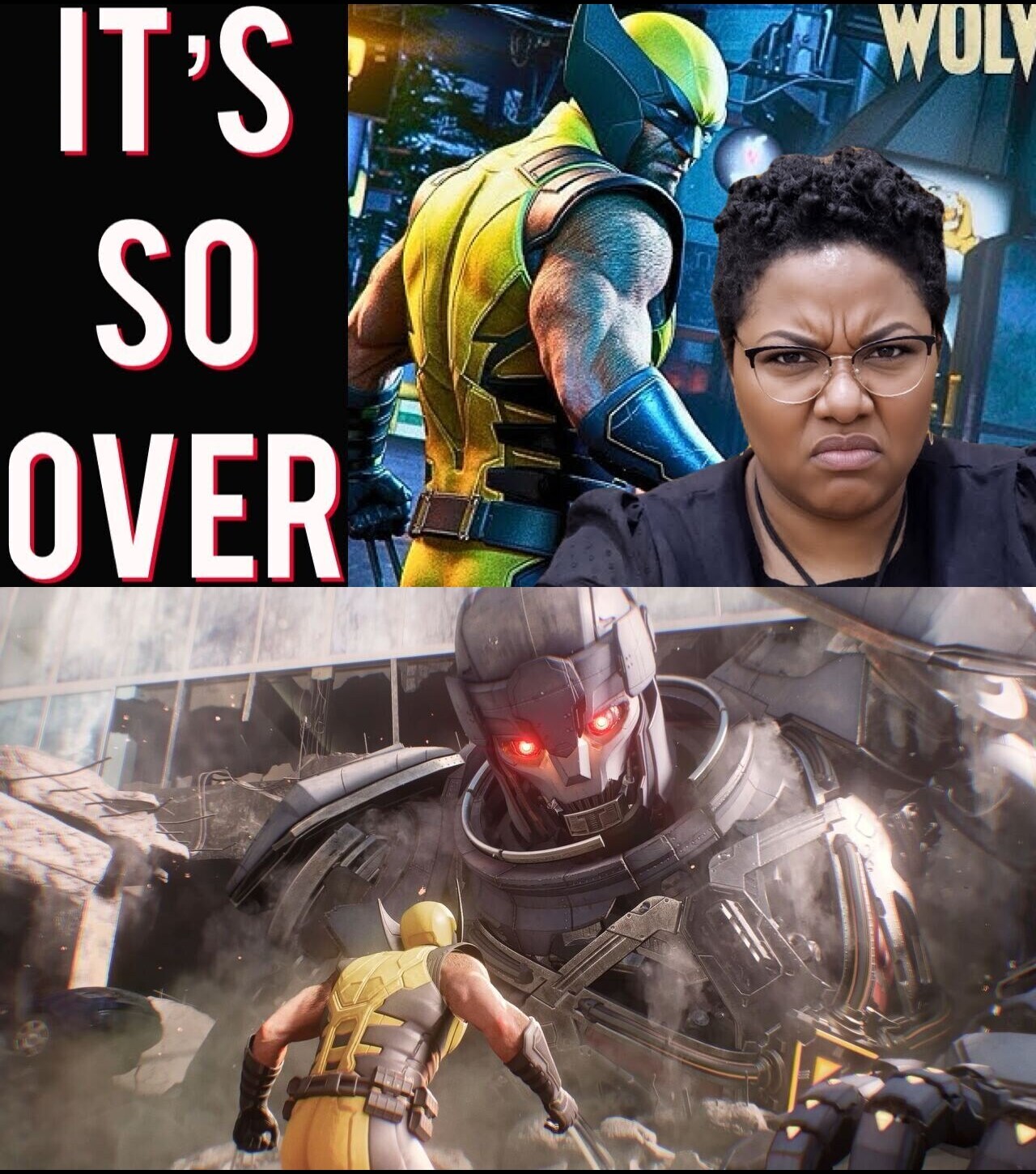
See the footage of the “saved” Wolverine and why fans are calling this the biggest upcoming shit-show in gaming history here 👇
Insomniac Games, the studio once celebrated for the pristine craftsmanship of the Ratchet & Clank series, finds itself in the middle of a deepening crisis of identity. As the highly anticipated Marvel’s Wolverine approaches its release, the project has become the center of a vitriolic debate regarding creative direction, hiring practices, and the perceived “feminization” of iconic comic book legends.
The “Lowest Testosterone” Wolverine
The core of the backlash stems from a growing disconnect between the character as fans know him and the character being presented in the studio’s early builds. Critics argue that Insomniac’s Wolverine appears to be a shadow of the character depicted in the legendary X-Men Origins games of the 2000s.
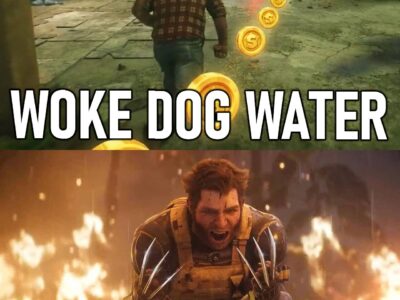
Recent leaked clips show a Logan who, rather than charging headlong into battle and relying on his signature regenerative factor, appears to be subdued by low-level enemies and saved by Mystique. For long-time fans, this is more than just a minor cinematic choice—it is a betrayal of the character’s “best there is at what he does” identity. The visual contrast—placing a rugged, indestructible anti-hero in a position of weakness—has led to widespread accusations that the studio is intentionally “de-masculinizing” Logan to fit a modern narrative.
The “Brittany Morris” Controversy
The criticism has extended to the game’s writing staff, with fans pointing to the hiring of Brittany Morris, an “advanced writer” who previously contributed to Marvel’s Spider-Man 2. Morris, whose background is primarily in young adult (YA) novels focusing on LGBTQ themes, has become the focal point of a debate over “ideological hiring.”
Critics argue that Morris—and by extension, the studio—lacks the specific comic book literacy required to capture the grit of the Wolverine universe. The backlash is emblematic of a broader frustration with Insomniac’s recent narrative output. From the side missions in Spider-Man 2 that fans felt were detached from the core experience, to the “fridge” moment where Peter Parker was held down by common household items, the studio is increasingly perceived as prioritizing political messaging over respecting established lore.
The “Fail Upwards” Narrative
The controversy is further fueled by the revelation that staff members from failed projects—such as the shuttered Concord—are purportedly finding homes at studios like Insomniac. To the average gamer, this suggests a “fail upwards” culture where talent is secondary to institutional alignment.
When developers like the game’s marketing director label the community as “toxic” for pointing out these flaws, it only deepens the divide. This combative stance has solidified the “us vs. them” dynamic, where any critique of the game is immediately dismissed as bigotry rather than legitimate feedback about storytelling and gameplay mechanics.
A Regression in Gameplay?
Beyond the narrative, gameplay footage has sparked concerns about technical regression. Comparisons to the 2009 X-Men Origins: Wolverine game—which featured real-time regenerative health and visceral, unfiltered combat—show that Insomniac’s modern take feels “stiff” and overly reliant on “hand-holding” mechanics. Fans are asking: why are we getting a more constrained experience in 2026 than we had on the PlayStation 2?
The Road to Launch
Insomniac is now in damage control mode. The game is trending on social media, but not for the reasons a marketing department wants. The conversation is dominated by comparisons of what Wolverine used to be and what it is becoming: a version of the character that seems designed for a lecture hall rather than a bar fight.
As Marvel’s Wolverine nears its release date, the gaming community is bracing for what many predict will be a massive commercial success that leaves the core fanbase feeling hollow. Whether this reflects a true evolution of the franchise or a fundamental misunderstanding of the character remains to be seen. But one thing is clear: Insomniac Games is no longer the studio that can do no wrong—they are now the studio that has a lot to prove.