The “Hogwarts” Cycle: Why Activist Boycotts Are Becoming the Industry’s Biggest Joke
THEY’RE LOSING IT: The “Hogwarts Legacy 2” Meltdown Is Pure Comedy! 🚨
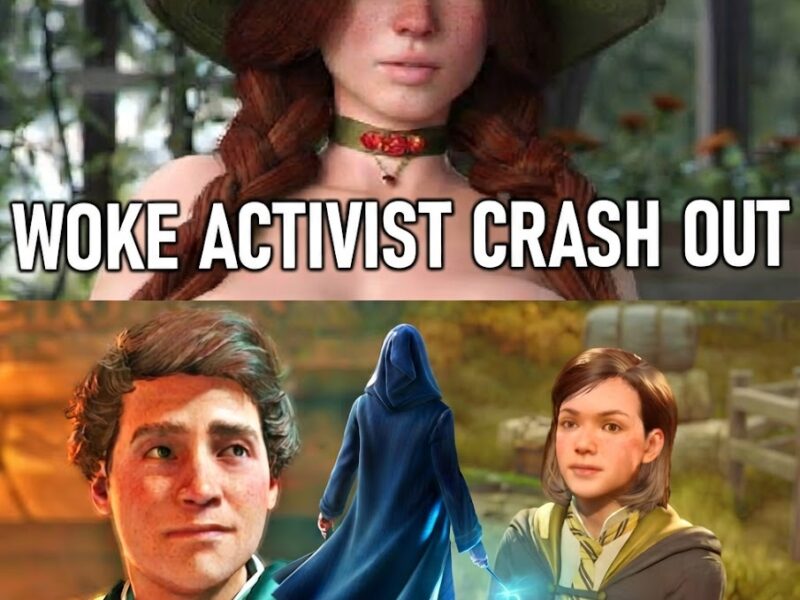
The “Boycott” crowd is back, and they are louder—and more irrelevant—than ever. With Warner Bros. officially confirming Hogwarts Legacy 2 is in the works, the internet’s most “triggered” activists are having a collective nervous breakdown.
The same legacy media outlets that tried to “cancel” the first game are now suspiciously quiet or forced into a pathetic balancing act, trying to farm clicks while not alienating the millions of fans who actually bought the first one.
The first game made over $2 billion and sold 40 million copies. Now, the sequel is coming to do it all over again. They called it “trans-genocide,” they called it “trash,” and they were epically laughed out of the room. Now, they’re watching their influence evaporate in real-time as the franchise continues to thrive, completely untainted by their agenda.
Get the tea on why the legacy media is suddenly silent and how the boycott failed so miserably it’s now a laughingstock 👇
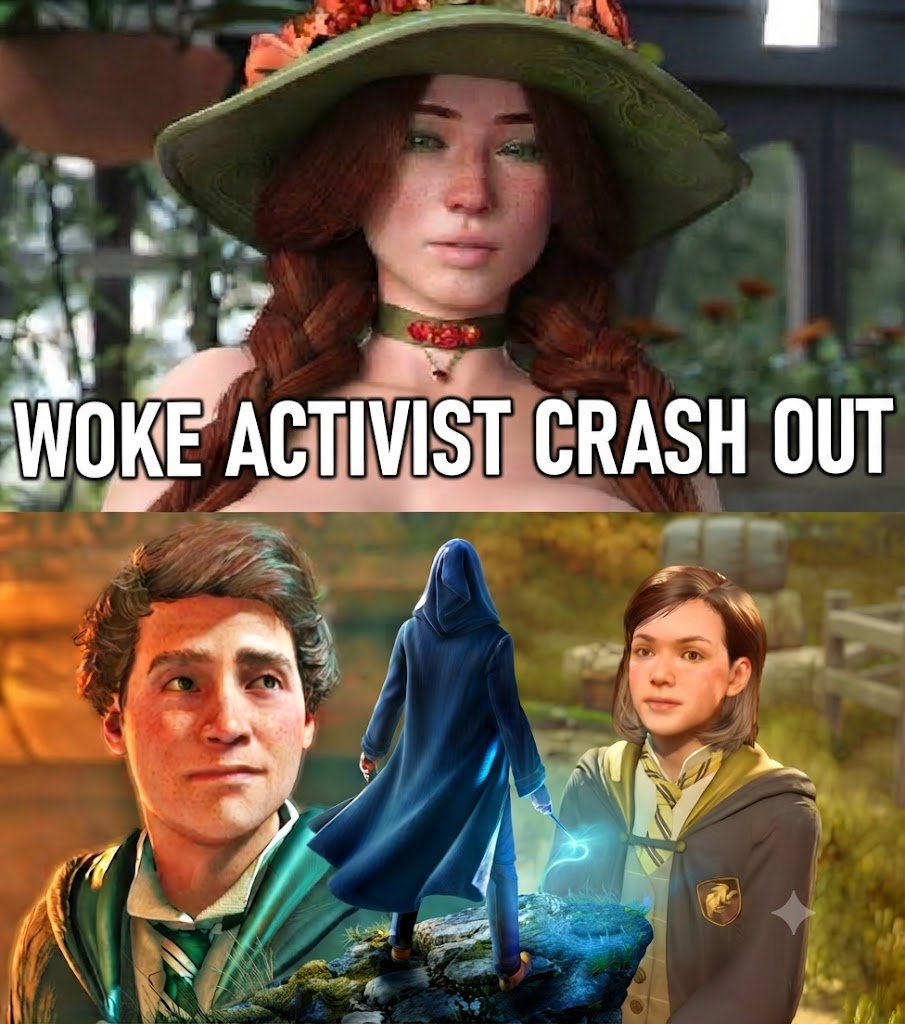
There is a recurring pattern in the modern gaming industry that has become as predictable as a sitcom plot: a major title from a beloved franchise is announced, a segment of “Access Media” and activist groups declares a moral crusade, calls for a boycott, and predicts the game’s immediate demise. Then, the game is released, and it promptly shatters every sales record in its path.
The official confirmation of Hogwarts Legacy 2 has triggered exactly this cycle, but with a twist: the mainstream media, once the fiercest critics of the franchise, appear to be suffering from a massive case of “activist fatigue.”
The Multi-Billion Dollar Reality Check
The success of the original Hogwarts Legacy was not just a win for Warner Bros. Games—it was a definitive rebuke of the “boycott culture” that dominated the early 2020s. With over 40 million copies sold and over $2 billion in revenue, the title proved that the vast majority of the gaming public does not view their entertainment choices through the same narrow, ideological lens as social media activists.
Now, as development on the sequel moves forward, the silence from major publications—many of which were once at the forefront of the attack—is telling. Outlets that previously demanded a total excommunication of the Wizarding World are now pivoting, desperate to remain relevant while their readers continue to vote with their wallets in favor of the franchise.
The “Access Media” Pivot
The shift in tone among outlets like IGN and Screen Rant has not gone unnoticed by the community. Once the primary drivers of the “anti-Rowling” narrative, these publications are currently walking a tightrope. They are effectively “quieting down” on the controversy, presumably fearing that further alienating their remaining audience will lead to a total collapse of their engagement metrics.
For gamers who endured years of being shamed for playing a game they enjoyed, this is being viewed as a victory. The narrative that “if you buy this, you are complicit in bigotry” has been proven statistically false. It was a bluff, and the public called it. The media’s current pivot—from fire-and-brimstone condemnation to cautious reporting—is seen by many as an admission that the “boycott” was never about justice; it was about clicks and control.
The “Modern Audience” Fallacy
A recurring theme in the discourse is the obsession with a “modern audience” that supposedly demands ideological compliance. The announcement of Hogwarts Legacy 2 serves as a stark reminder that the “modern audience” is not who the activists claim it is. The actual modern audience consists of millions of people who value high-quality storytelling, immersive gameplay, and a sense of wonder—none of which requires an ESG-approved stamp of approval.
As activists continue to demand that creators like J.K. Rowling be stripped of their creative rights, the market continues to provide a clear answer: the audience wants the Wizarding World, and they aren’t willing to let a few Twitter accounts dictate their consumption habits.
Why the Sequel Will Thrive
While some fans expressed disappointment that the first game didn’t have “enough Hogwarts,” the foundation laid by the original is incredibly strong. The sequel is expected to not only replicate the first game’s success but exceed it. The “good PR” from the original title—which was largely driven by word-of-mouth rather than the mainstream gaming press—has created a loyal base of players who are primed for a more refined, expansive experience.
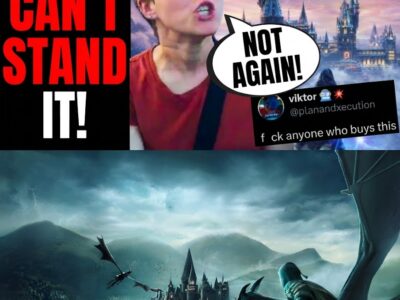
The activist class, meanwhile, seems doomed to repeat the same failed maneuvers. They continue to label buyers as “pathetic” and the game as “dog water,” while ignoring the fact that the majority of the population simply does not care about their outrage.
Looking Toward the Future
The Hogwarts Legacy saga has become the ultimate case study in the decline of “Access Media” power. Their inability to dictate public opinion, combined with their desperate attempt to pivot away from their own failed prophecies, has left them looking increasingly like a laughingstock to the average gamer.
As Hogwarts Legacy 2 inches toward its eventual release, we are witnessing a shifting power dynamic. The power has returned to the players, and the “moral gatekeepers” are finding that their keys no longer unlock anything of value. Whether the sequel reaches the heights of the first is a matter for the developers, but one thing is certain: the era of the “effective boycott” is dead.