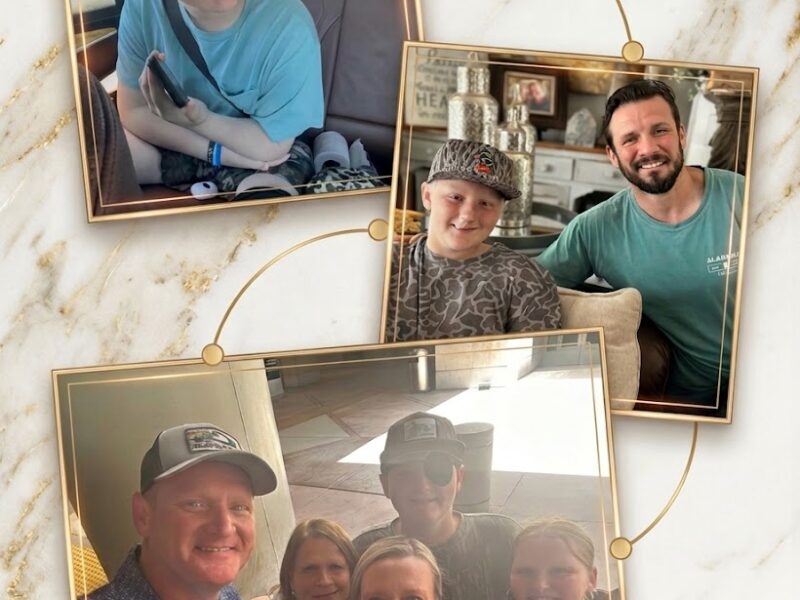
THE DIGITAL VULTURES: How Scammers Hijacked a 15-Year-Old Boy’s Tragic Cancer Battle to Steal from Kind-Hearted Donors
While a 15-year-old boy was fighting for his life in the ICU, a network of cyber criminals was quietly stealing hundreds of thousands of dollars in his name.
A devastating cancer battle went incredibly viral and broke the internet’s heart, but the sickening reality behind the donation links will make you question every single charitable post on your timeline. The dark truth about where your well-intentioned money actually went just dropped, and it exposes a massive, highly organized digital scam matrix.
Read the full investigation before you ever donate online again 👇🔥
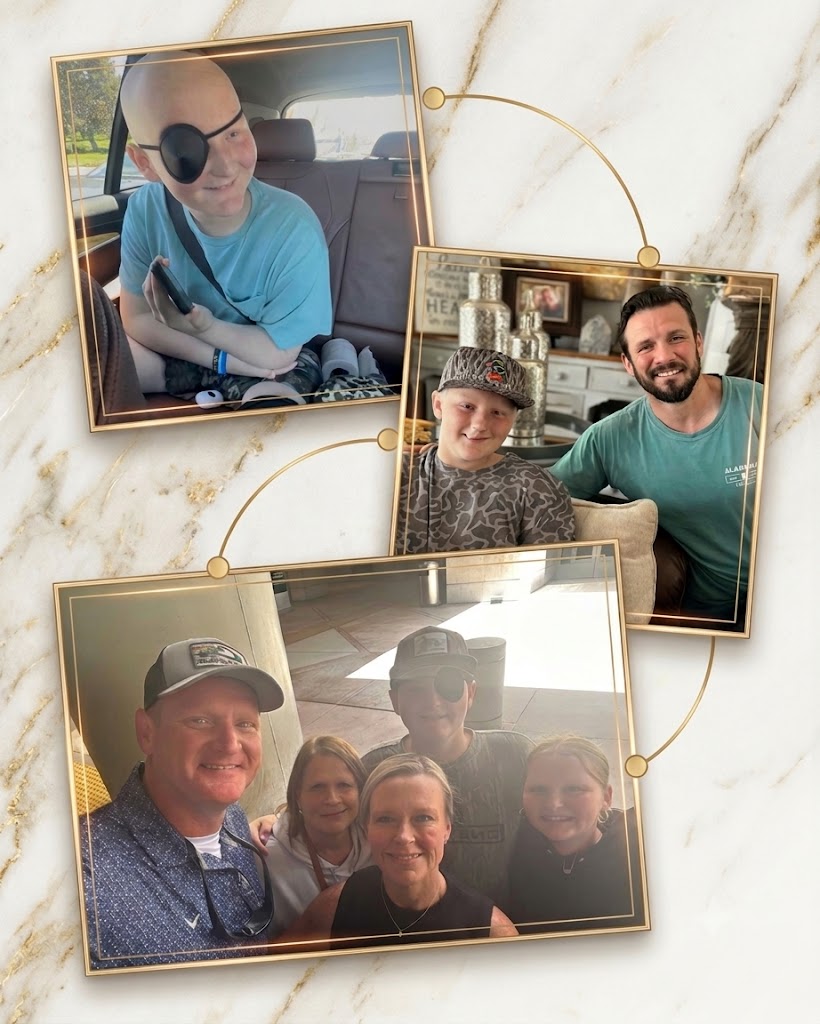
The internet is capable of breathtaking acts of spontaneous generosity. When a tragedy strikes, the digital community is often the first to open its collective wallet. But wherever there is an outpouring of human empathy, there is a shadow economy waiting to exploit it. The heartbreaking death of 15-year-old Will Roberts this past July didn’t just expose the devastating realities of stage 4 osteosarcoma—it pulled back the curtain on a deeply disturbing, highly organized matrix of digital vultures who prey on viral suffering.
As ordinary people wept for the Alabama teenager and rushed to donate to his medical funds, a sophisticated network of scammers was already cloning accounts, spoofing links, and intercepting life-saving charity. The tragedy of Will Roberts has become a chilling case study in the dark side of online philanthropy, raising a massive red flag for anyone who has ever clicked “donate” on a viral video.
The Midnight Plea That Triggered the Scam Matrix
To understand how quickly the scammers mobilized, you have to look at the timeline of the virality. In April 2026, a desperate, exhausted Will Roberts took his mother’s phone in the middle of the night. Without any editing or production value, he recorded a two-minute video pleading for a chance to try an experimental cancer drug called DELTAREX-G.
The raw, unfiltered desperation in the teenager’s voice caught fire on TikTok. It bypassed all algorithmic norms, flooding millions of screens in a matter of hours. The emotional resonance was immediate, and the call to action was clear: the family needed money to get Will from Alabama to a specialized facility in California.
The internet answered the call, ultimately raising an astonishing $588,000 for the family through their legitimate GoFundMe page. But behind the scenes of this digital miracle, a completely different, sinister operation was booting up. Within hours of the video hitting the TikTok “For You Page,” the digital vultures began to circle.
The Clone Wars: Stealing an Identity for Profit
According to independent internet sleuths and cyber-security watchdogs on Reddit and X (formerly Twitter), the speed at which the scammers operated was nothing short of industrial.
“They don’t just create a fake link; they clone the entire digital identity of the victim,” explained one prominent user on the r/Scams subreddit, detailing the sophisticated tactics used against the Roberts family.
As soon as Will’s video went viral, dozens of fake TikTok, Facebook, and Instagram accounts materialized out of thin air. These accounts utilized the exact same profile pictures, the exact same bios, and re-uploaded the exact same heartbreaking videos of Will. To the untrained eye, these looked exactly like the official accounts of Will’s mother, Brittney Battles Roberts.
Once these clone accounts gained a foothold in the algorithmic slipstream, the trap was set. The scammers embedded fraudulent GoFundMe and CashApp links directly into the bios of these fake profiles. When devastated users watched the stolen video of the dying teenager and clicked to the profile to donate, their money bypassed the Roberts family entirely, vanishing into the untraceable crypto-wallets and offshore accounts of cyber criminals.
Hijacking the Comment Section
The scam didn’t stop at fake profiles. The most aggressive tactic was the coordinated hijacking of the comment sections on the legitimate viral videos.
As millions of users poured into the comment section of the original video to offer prayers and ask how they could help, automated bots swept in. These bots were programmed to reply to top comments with slight variations of a single message: “Thank you so much for the support. We are trying to reach our goal for Will’s transport. Please donate here [Fake Link].”
Because the internet moves so fast, and because the emotional desire to help a dying child is so urgent, thousands of users clicked these malicious links without a second thought. They believed they were funding a medical flight to California; in reality, they were funding organized fraud rings.
The Unbearable Burden on the Grieving Family
The most heartbreaking aspect of this digital grift is the collateral damage it inflicts on the victims themselves. It is not enough that the Roberts family was enduring the absolute worst agony a family can face—watching a 15-year-old boy succumb to cancer that had metastasized to his brain. They were simultaneously forced to become digital security guards.
In the middle of hospice care and agonizing hospital transfers, Brittney Roberts and her immediate support circle had to frantically post warnings across social media. Local community figures and grassroots supporters had to launch exhaustive campaigns begging the public to only donate to the single, verified link hosted on Brittney’s official page.
The psychological cruelty of this dynamic is profound. A family in crisis should be holding their child’s hand, not playing a frantic game of digital whack-a-mole with anonymous criminals trying to profit off their son’s impending death.
“Imagine having to pause grieving because you have to screen-record fake accounts stealing your dying child’s face,” wrote one outraged user in a viral thread on X. “These scammers aren’t just stealing money; they are stealing the last precious hours this family has together by forcing them to do damage control.”
Big Tech’s Lethargic Response
The rampant exploitation of the Roberts family has sparked a massive wave of anger directed at social media giants. On platforms like Reddit’s r/TrueOffMyChest, users are demanding accountability from the tech companies that allow these scams to flourish.
The core of the outrage stems from the asymmetry of the algorithm. TikTok’s algorithm is incredibly efficient at pushing an emotional video to ten million people in a single day, maximizing engagement and ad revenue. Yet, when it comes to verifying the authenticity of the accounts capitalizing on that virality, the platforms are notoriously, dangerously slow.
Users reported hundreds of fake “Will Roberts” accounts, yet many of these fraudulent pages remained active for days—long enough to siphon tens of thousands of dollars from well-meaning donors. The platforms rely on community reporting to flag scams, essentially outsourcing their security to the very users who are being targeted. By the time a fake GoFundMe is finally pulled down by administrators, the perpetrators have already cashed out and set up a new clone.
A Chilling Warning for the Future of Empathy
Will Roberts tragically passed away in the early hours of July 23, 2026. His actual legacy is one of immense bravery, faith, and a desperate desire to ensure that other children wouldn’t have to suffer the way he did. The legitimate funds raised by his grassroots supporters provided crucial care in his final months, proving that the internet can still be an engine for profound good.
However, the shadow cast by the digital vultures remains. The exploitation of his tragedy serves as a grim warning about the future of digital empathy. The matrix of scammers is only becoming more sophisticated, weaponizing our best human instincts against us.
The next time a devastating, heartbreaking story crosses your feed, and you feel the sudden, overwhelming urge to help—pause. The tragic reality of the internet age is that your empathy is a highly lucrative commodity. Until tech platforms take serious, proactive measures to verify viral charity, the burden falls on the user. Verify the source, check the spelling of the account, and cross-reference the links. Because in the digital era, the only thing traveling faster than a viral tragedy is the scam designed to exploit it.