THE ALGORITHM OF SURVIVAL: How TikTok Views and Viral ‘For You Pages’ Have Become the New Life-or-Death Lottery
Your survival shouldn’t depend on how many views your video gets, but in 2026, the algorithm has officially become the ultimate judge of life and death.
A 15-year-old boy’s desperate late-night TikTok reached millions of screens, forcing pharmaceutical companies to grant him access to a million-dollar trial drug. But the chilling truth about what happens to the thousands of sick kids whose videos never hit the “For You Page” exposes a dystopian reality nobody wants to admit.
The terrifying, unspoken side of modern “viral healthcare” will fundamentally change how you look at your social feed forever 👇🔥
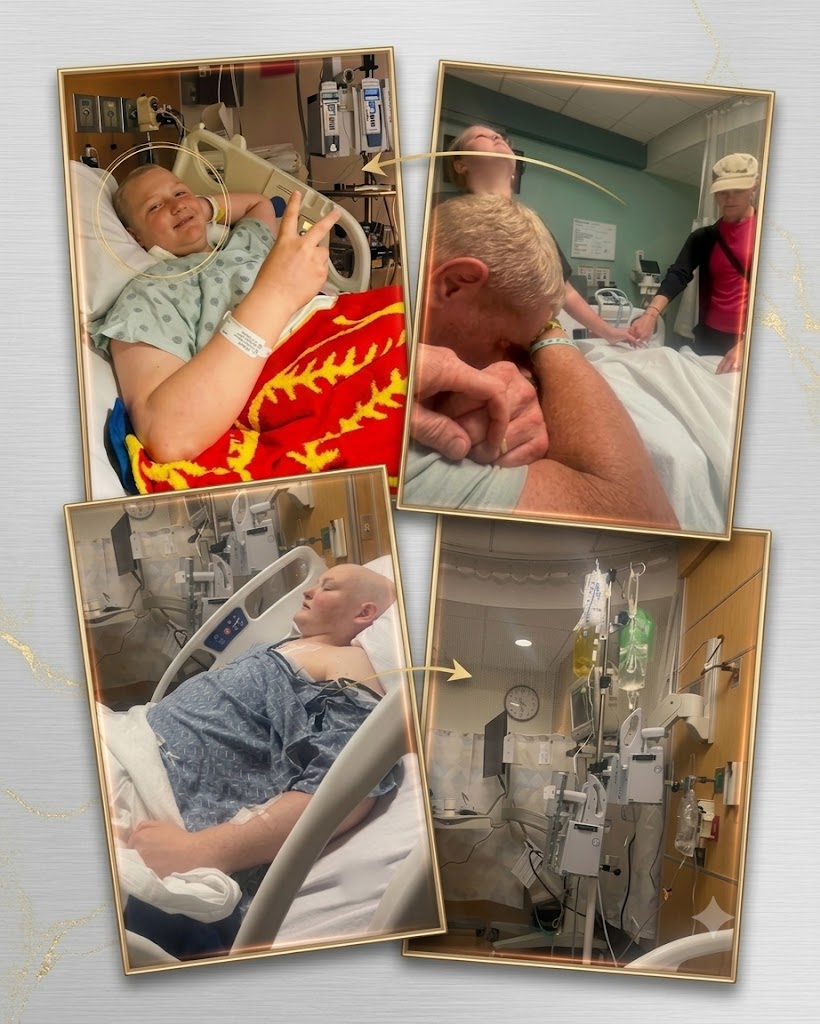
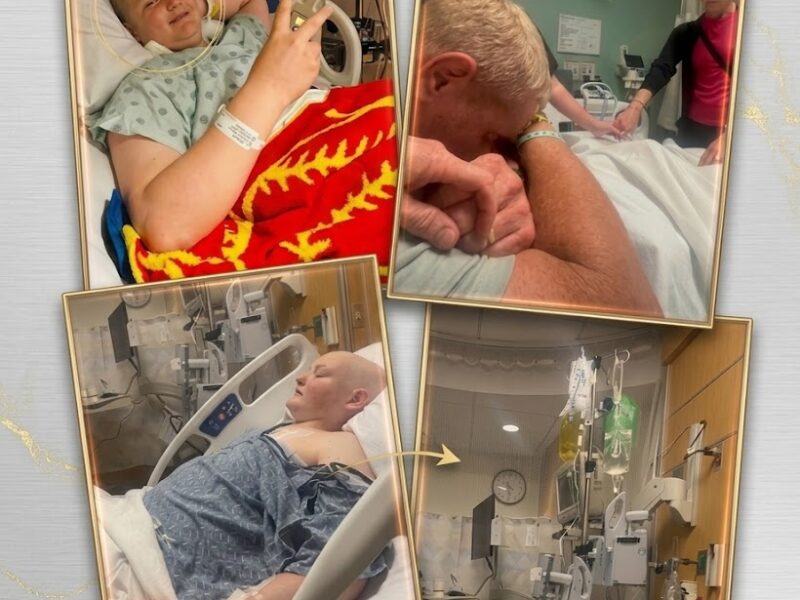
In April 2026, a 15-year-old boy from Ralph, Alabama, sat in the dark with his mother’s phone and recorded a raw, two-minute plea for help. Will Roberts was suffering from stage 4 osteosarcoma—an aggressive bone cancer that had spread throughout his body. He wasn’t a professional influencer. He had no ring light, no editing software, and no promotional budget. Yet within 48 hours, that single unscripted video had amassed millions of views across TikTok, ignited a nationwide movement, raised over $588,000 on GoFundMe, and secured him a spot in an experimental trial for a cutting-edge cancer drug called DELTAREX-G in California.
When Will tragically passed away in the early hours of July 23, 2026, the internet united in collective heartbreak. But beneath the overwhelming wave of grief lies a unsettling, dystopian question that is now sending shockwaves across social media: Why did a dying child have to go viral on TikTok just to get a fighting chance at medical care?
Welcome to the era of “Algorithmic Healthcare”—a brutal new ecosystem where an arbitrary computer code dictates who gets funded, who receives experimental treatments, and who is left to suffer in silence.
The Rise of the ‘Creator Patient’
For decades, families facing catastrophic medical expenses relied on localized bake sales, community fundraisers, or traditional non-profit grants. The advent of crowdfunding platforms like GoFundMe initially democratized this process. However, as the digital landscape became saturated with thousands of desperate pleas, the rules shifted dramatically.
Today, simply posting a campaign link is no longer enough. To stand out among millions of active medical fundraisers, patients are increasingly forced to adopt the strategies of full-time digital creators. They must master hook writing, leverage trending audio clips, perform their pain for the camera, and appease the unpredictable algorithms of TikTok, Instagram, and X (formerly Twitter).
Will Roberts’ video bypassed traditional media barriers because it possessed the exact qualities the TikTok algorithm prioritizes: extreme emotional raw authenticity and high watch-time retention. The system rewarded his vulnerability by pushing his face onto millions of “For You Pages” (FYP) around the globe. The resulting viral momentum caught the attention of high-profile figures, including Dr. Mehmet Oz and prominent federal lawmakers, who intervened to streamline his access to medical care.
While Will’s story highlights the remarkable potential of social media mobilization, it also highlights a terrifying reality: health care access is becoming inextricably linked to content creation.
The Invisible Majority: Losing the Algorithm Lottery
While Will’s viral success brought him financial support and experimental medical access, it simultaneously shed light on a silent tragedy unfolding across the web. For every video that hits the algorithmic jackpot, tens of thousands of equally desperate pleas sit at zero views, buried deep within the digital void.
On Reddit forums such as r/cancer, r/healthinsurance, and r/TrueOffMyChest, patient advocates and terminally ill users are voicing profound anxiety over this dynamic. The contrast between viral health campaigns and overlooked ones has created what users call the “Algorithm Lottery.”
“I have been fighting stage 3 lymphoma for a year,” wrote one Reddit user in a thread discussing Will’s story that gained over 40,000 upvotes. “I posted my GoFundMe link everywhere. It got 12 views and $50 from my aunt. Watching a kid go viral and make half a million dollars in two days gives you this sickening feeling—not because you aren’t happy for him, but because you realize the algorithm decided your life isn’t ‘engaging’ enough to save.”
This phenomenon creates immense psychological distress for patients and caregivers. When a campaign fails to gain traction, families are left feeling not only defeated by their illness, but rejected by the digital public. The unspoken implication of the algorithm is cruel: if your story isn’t entertaining, tragic, or visually compelling enough to keep users scrolling, the system moves on.
The Mechanics of Digital Engagement vs. Medical Need
The fundamental flaw of relying on social media platforms for medical intervention lies in the inherent design of the platforms themselves. Social media algorithms are engineered to maximize engagement, watch time, and ad revenue—not to evaluate medical urgency or ethical priority.
Data analysts on X and Discord have pointed out that TikTok’s recommendation engine favors specific narrative arcs. Content featuring young, highly articulate patients, dramatic time-sensitive deadlines, or stark visual transformations consistently outperforms videos posted by older patients, individuals with rare or non-visible chronic illnesses, or those who lack the tech literacy to produce engaging clips.
Furthermore, the algorithmic reward system creates perverse incentives. Patients are frequently pressured to share their most traumatic, vulnerable moments on camera to maintain engagement numbers. During Will’s final weeks, his mother, Brittney, faced intense pressure from followers demanding constant updates, medical receipts, and video proof of his condition—a toxic byproduct of turning a medical crisis into a public spectator sport.
The Commercialization of Compassion
There is also a stark economic irony at the heart of viral medical campaigns. Social media platforms and crowdfunding sites generate substantial revenue from the traffic driven by these life-or-death dramas. Every time a user watches a video about a dying teenager, the platform serves advertisements, collects user data, and boosts its own platform metrics.
While millions of dollars are raised for individual patients, tech conglomerates incur virtually zero obligation to support the broader medical infrastructure. They act as neutral arbiters, reaping the benefits of high-engagement tragedy while leaving the allocation of aid entirely to the whims of public impulse.
“We have effectively privatized emergency healthcare relief and handed the steering wheel to a computer program designed to sell targeted ads,” noted a viral commentary on X. “If an algorithm determines which cancer patient gets visibility, then the algorithm is essentially playing God.”
A Legacy That Demands Reform
Will Roberts passed away peacefully surrounded by his family, having fought with extraordinary courage and faith until his final breath. His legacy lives on through the lives he touched and the national awareness he raised regarding pediatric cancer research and trial drug accessibility.
However, the broader cultural conversation ignited by his journey is far from over. His story stands as a monument to human kindness, but also as a stark warning about the state of modern healthcare equity.
As technology continues to shape every facet of human existence, society faces a critical reckoning. Should a person’s ability to pay for life-saving treatment or access experimental medicine be determined by how many likes, shares, and comments their video receives?
The internet proved it could come together to support a brave 15-year-old boy from Alabama. Now, the challenge facing the digital world is building a system where no patient has to rely on a viral video to survive.