THE GREAT RESYNC DEBATE: How ‘Assassin’s Creed Black Flag Resynced’ Overhauls the Caribbean and Splits the Fandom
The gaming community is completely melting down after seeing the side-by-side comparison of the new Assassin’s Creed Black Flag Resynced! 🤯🌊
If you think this is just a lazy texture package update, you are in for an absolute shock because the massive structural overhaul completely rewrites the visuals of the Caribbean, changing everything from environmental layouts down to the actual species of animals inhabiting the islands. Hardcore fans on X and Reddit are spotting massive modifications in the mechanics that completely alter how parkour feels, and it has triggered a fierce debate about whether the developers went too far with these secret modern adaptations.
Are you ready to witness the exact visual comparison that proves why the classic Havana Synchronization point looks completely unrecognizable now, why the entire environment of Port Royal Tower has been drastically reconstructed, and what they secretly changed about iconic characters like Caroline Kenway and Blackbeard that has the fanbase entirely divided? See the staggering differences for yourself right now before you buy the game! 👇🔥
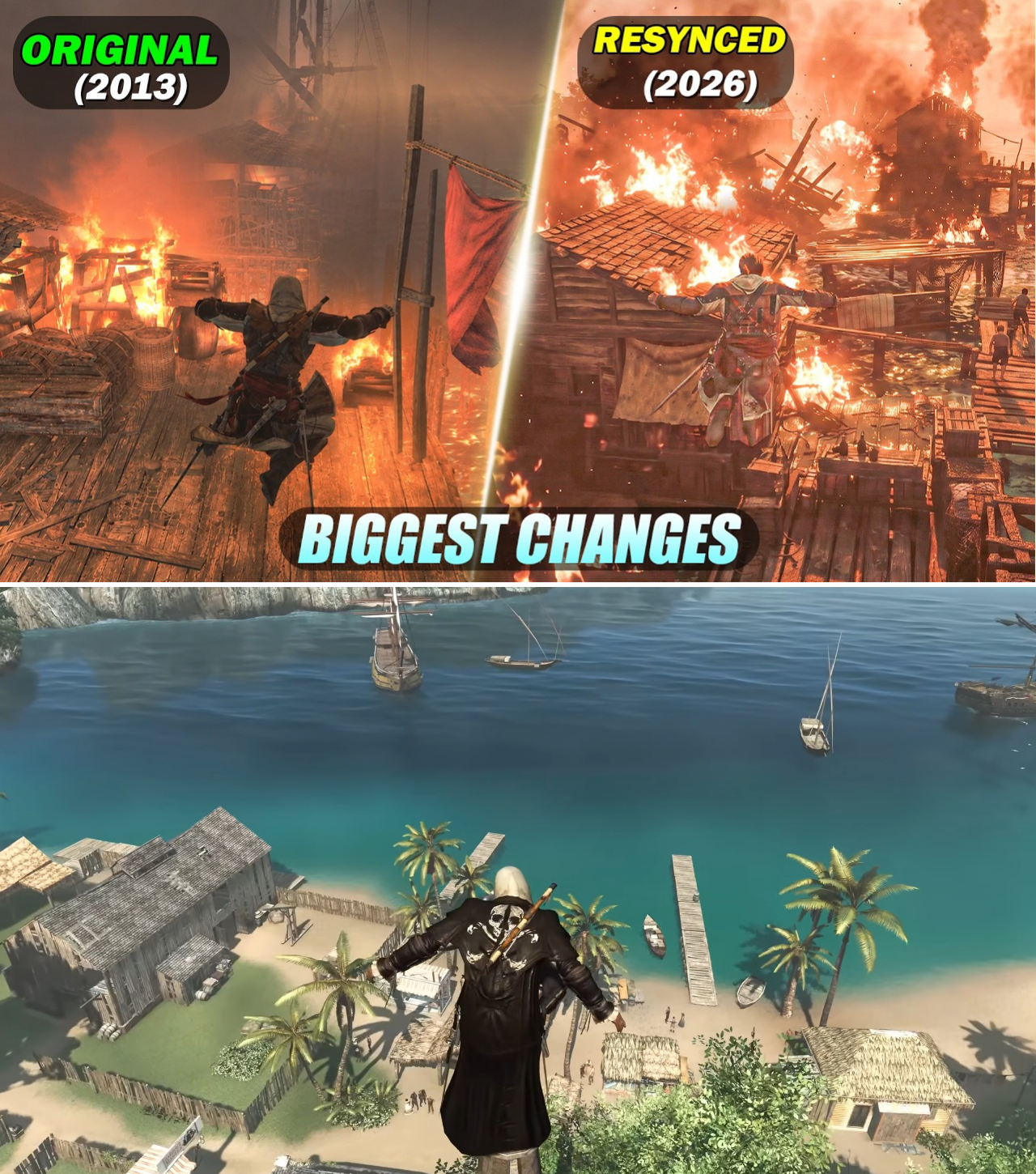
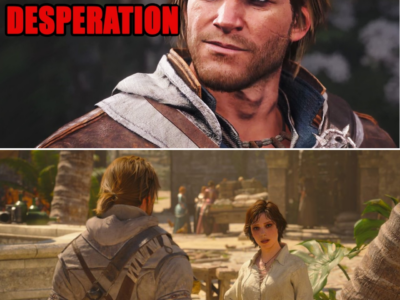
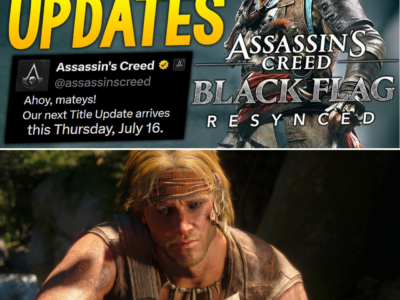
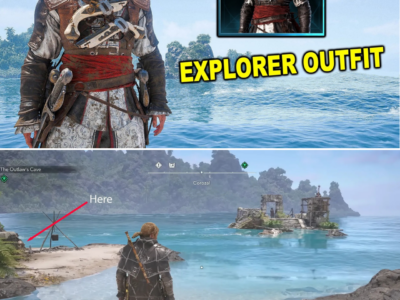
A massive wave of division has swept through the Assassin’s Creed fandom following the release of comprehensive side-by-side technical footage comparing the classic 2013 original game with the newly built 2026 title, Assassin’s Creed Black Flag Resynced. Community spaces on Discord, TikTok, and Reddit are currently buzzing with intense arguments, as analysts dissect a series of extensive architectural, mechanics, and character redesigns that alter the foundational atmosphere of the legendary pirate sandbox.
Far from a simple upscale, the new footage reveals that the development team has completely re-engineered the game’s assets, drawing praise for hyper-realism from one faction of players while drawing heavy scrutiny from purists who miss the distinct art style of the original title.
Fauna and Flora Ecosystem Overhauls
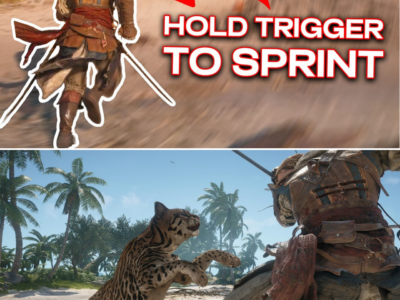
The earliest differences highlighted by fans focus on the game’s overhauled natural ecosystem. The Animal Comparison breakdown reveals that low-tier wildlife has received both massive visual overhauls and species-level modifications:
Hutia: The small rodent native to the Caribbean has transitioned from the low-polygon, simple brown textures of 2013 to a highly defined fur-shaded model featuring reactive animations as it moves along the dynamic terrain of 2026.
The Jungle Meta Shift (Howler Monkey vs. Orangutan): In a change that has sparked significant historical and geographical debates on Reddit, the original 2013 Howler Monkey has been replaced in the 2026 version by a highly detailed Orangutan. The change features complex hair rendering and facial animations but has left hardcore lore enthusiasts questioning the ecological accuracy of the swap.
Crocodiles & Apex Predators: The aquatic predators now boast reactive water-displacement physics. In 2013, crocodiles swam through static green surface textures; the 2026 engine features high-fidelity mud, light refraction, and dynamic foliage displacement as the animal moves through the swamps.
Structural and Parkour Mechanical Overhauls
Hardcore speedrunners and parkour enthusiasts have turned their attention toward structural changes that alter the core gameplay loops. The community has confirmed massive updates across key navigation sequences, specifically during the famous Escape Mission and the Scaling a Church sections.
During the parkour tracking sequences, side-by-side data shows that the geometric layout of the cities has been adapted. The modern engine handles world physics entirely differently: while the 2013 classic featured a rigid, linear pathing structure with high-contrast shadows, the 2026 version utilizes soft global illumination and dynamic particle effects.
A technical Parkour Speed Comparison timed across the rooftops of Havana shows that while Edward Kenway’s structural pathing remains closely mirrored to the original frame data, the modern version introduces subtle momentum adjustments and fluid animation transitions that remove the rigid visual snapping seen in the 2013 title. Additionally, the Sabotage the Alarm stealth mechanics have been polished, showing much denser brush foliage and grass cover in 2026, which drastically updates the visual feedback of staying hidden from enemy sightlines.
The Combat Evolution: Pistol Sword Reveal
Combat mechanics have undergone a significant visual shift, notably demonstrated in the handling of elite weaponry. In the 2013 original, players frequently relied on the Old Way of handling heavy gunplay via Double Pistols, which featured instant smoke discharges and rigid aiming stances.
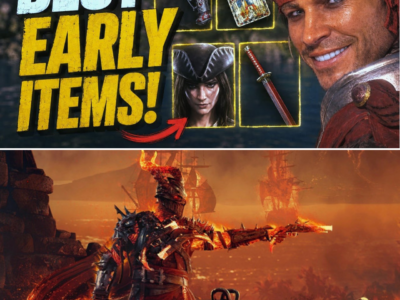
The 2026 comparison showcases the New Way utilizing the highly anticipated Pistol Sword in active combat. The animation data demonstrates a smooth transition between sword slashes and point-blank ballistic executions, utilizing modern physics engine feedback where enemies react dynamically to the exact angle of the blade strike and bullet impact rather than relying on preset death animations.
Historical Landmark Reconstruction
The visual transformation of the game’s major hubs has become the main selling point for the 2026 edition. Architectural enthusiasts have pointed out massive adjustments across several iconic locations:
Fort Charles & Castillo De Real Fuerza: The military strongholds have transitioned from the flat, bleached stone textures of 2013 into complex structures featuring weathering, moss accumulation, individual brick displacement, and realistic flag physics that react directly to changing weather patterns.
Basilica San Francisco & Cathedral Of Havana: The iconic churches show the absolute pinnacle of the new engine’s volumetric lighting. The Havana Synchronization sequence reveals that the surrounding town has been completely repopulated with dense crowds, sprawling vendor stalls, and highly detailed roofs that stretch far into the horizon with massive improvements to draw distance.
Port Royal Tower & The Taverns: Locations like the Old Avery Tavern and the Governor’s Mansion have been packed with ambient props. The bare wooden platforms of the 2013 taverns have been upgraded in 2026 to include dangling ropes, localized clutter, and atmospheric smoke rendering that emphasizes a gritty, lived-in pirate environment.
The Character Redesign Controversy
The most emotionally charged debate inside the Discord servers centers on the modern Character overhauls. The technical footage displays side-by-side face models for the entire core cast:
Edward Kenway: The protagonist has received realistic skin shading, individualized hair physics, and subtle micro-expressions during cinematic cuts.
Blackbeard: The legendary pirate’s iconic beard smoke effect has been entirely redesigned, transitioning from the basic white sprite tracks of 2013 into localized, volumetric dark smoke that billows dynamically from his hat during dialogue sequences.
Supporting Cast: Fan favorites like Caroline Kenway, James Kidd, Anne Bonny, Stede Bonnet, Adewale, and Benjamin Hornigold have all been rebuilt from the ground up.
While many players praise the cinematic, high-budget look of characters like Anne Bonny and Adewale in the 2026 engine, a vocal contingent of veteran fans on X argues that the modern facial modifications slightly alter the grittiness and original expressions of the 2013 voice acting performances.
Looking Forward
As Assassin’s Creed Black Flag Resynced prepares to dominate streaming platforms, the debate between nostalgic preservation and high-tech evolution shows no signs of slowing down. Whether players prefer the sharp, nostalgic simplicity of the 2013 original or the dense, photorealistic atmosphere of the 2026 version, one thing is completely undeniable: the Caribbean has never looked more alive, and the scale of this technical transformation sets a massive new benchmark for open-world remakes.