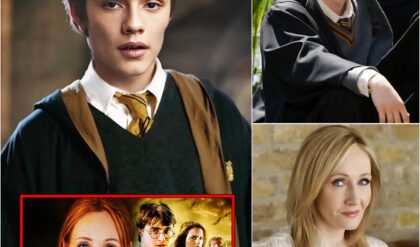
The Wizarding World has always captivated millions with its tales of wonder, friendship, and triumph over darkness. Yet, as HBO gears up for its ambitious television adaptation of J.K. Rowling’s beloved seven-book series – a decade-spanning project set to premiere in 2027 – the real drama is unfolding not on screen, but in the shadowy corridors of Hollywood power plays, casting battles, and corporate rivalries. What was meant to be a triumphant return to Hogwarts has instead become a cautionary tale of how money, optics, and influence can fracture even the most enchanted franchise from within.
At the heart of the storm is a series of casting decisions that have ignited fierce debates among fans. The announcement of Paapa Essiedu as Severus Snape – a role immortalized by Alan Rickman in the original films – sent shockwaves through the community. Many praised the choice for bringing fresh depth to the complex anti-hero, but others decried it as a departure from the book’s descriptions, accusing the production of prioritizing diversity over fidelity. Similar uproar followed rumors and confirmations for other roles, with fans scrutinizing every reveal for alignment with their cherished visions of characters like Parvati Patil and even whispers of bold reimaginings for figures like Voldemort.
These choices weren’t made in a vacuum. Insiders suggest they stemmed from intense backroom negotiations, where storytelling ideals clashed with demands for broader representation and modern appeal. Directors and showrunners, passionate about honoring the source material while evolving it for today’s audience, reportedly found themselves navigating a minefield of executive mandates. The pressure to balance commercial viability with creative integrity left key figures feeling sidelined, their visions diluted in favor of decisions driven by market optics and stakeholder influence.

Compounding the tension is J.K. Rowling’s prominent role as executive producer. Her involvement ensures a close adherence to the books – a promise that excited purists – but it has also amplified existing divisions. Rowling’s public stances on various issues have polarized the fanbase, leading to boycotts and heated online discourse. While HBO executives have publicly downplayed any impact, the reality behind the scenes paints a picture of careful maneuvering to retain her input without alienating segments of the audience. This delicate dance has reportedly created an atmosphere of caution, where every script note and casting call is weighed against potential backlash.
The production’s challenges escalated amid broader industry shifts. As filming progressed at Leavesden Studios and various UK locations, whispers emerged of creative compromises to appease powerful voices. One particularly explosive development came when rival streaming giant Netflix entered the fray. In a stunning move that rocked the entertainment world, Netflix executives publicly criticized HBO’s handling of the project, accusing leadership of mishandling the franchise’s legacy through controversial decisions that risked alienating core fans. This rare inter-platform jab lifted the veil on deeper frustrations, hinting at competitive tensions over intellectual property dominance in an era of consolidation and mergers.
Netflix’s bold statement underscored a growing perception that HBO was struggling to navigate the reboot’s minefield. Sources close to the production describe a climate where optics often trumped pure storytelling, with decisions influenced by broader corporate strategies rather than artistic merit. The backlash intensified as fans dissected every update, amplifying divisions that threatened to overshadow the magic itself.
Then came the revelation that froze Hollywood: the emergence of a singular, highly influential figure whose behind-the-scenes sway had been guiding pivotal choices all along. This power broker – a name synonymous with strategic dominance in the industry – had reportedly been orchestrating key moves, from casting approvals to narrative adjustments, in pursuits tied to financial leverage and long-term control. The disclosure exposed how personal agendas and deal-making had infiltrated the heart of the project, sidelining passionate creatives and fueling the spiraling controversy.
Despite these storms, the series presses on with a stellar ensemble, including John Lithgow as Albus Dumbledore, Janet McTeer as Minerva McGonagall, and young newcomers breathing new life into Harry, Ron, and Hermione. Filming continues with lavish sets recreating iconic locations, promising expanded explorations of subplots and character arcs that the films couldn’t accommodate. The commitment to book fidelity remains a beacon for many, offering deeper dives into the wizarding lore that fans have craved for years.
Yet, the behind-the-scenes fractures serve as a sobering reminder of Hollywood’s realities. What began as a dream revival has revealed the fragility of legacy franchises in a polarized landscape. Money and influence have always shaped storytelling, but here they threaten to eclipse the wonder that made Harry Potter enduring. As the premiere approaches, the industry watches closely: can the magic prevail, or will these hidden conflicts cast a permanent shadow?
For now, the Wizarding World endures, resilient as ever. But the true test lies ahead – whether this reboot can unite its divided faithful or become a casualty of the very forces that sought to revive it. One thing is certain: the story behind the story is as gripping as any spellbinding tale from Hogwarts itself.