In the pantheon of Disney’s Renaissance-era triumphs, few films swing with the infectious rhythm and irreverent flair of Hercules (1997). A rollicking reimagining of the Greek hero’s labors, it transformed ancient legends into a gospel-infused rock opera, complete with a flame-haired demigod belting anthems, a wisecracking satyr trainer, and a villain whose fast-talking fury made him the era’s most quotable antagonist. Hades, voiced by James Woods in a performance of manic brilliance, wasn’t just a schemer—he was the chaotic heartbeat, scheming to topple Zeus with imps Pain and Panic, a soul-trapped Megara, and a plot to off his infant nephew. The film’s box office haul of $252.7 million worldwide, paired with its enduring cultural cachet—think “Zero to Hero” TikToks and Philoctetes memes—made it prime live-action bait. Yet, as Disney’s remake machine churns through The Little Mermaid and Snow White, whispers of a Hades-centric twist threatened to derail the project into Maleficent-style revisionism. Enter the latest pivot: per insider buzz from The DisInsider in late 2025, Disney is charting a course back to fidelity, ditching the villain’s POV for a straight-shooting adaptation of Ron Clements and John Musker’s animated gem. And in a casting coup that could ignite Swiftie frenzy, Taylor Swift is reportedly in the mix for Megara, the sharp-tongued siren whose tragic edge and powerhouse pipes scream pop icon synergy. As pre-production heats up under the Russo Brothers’ production banner, this Hercules promises not reinvention, but resurrection—a mythic muscle-flex that honors the original while flexing modern muscle.
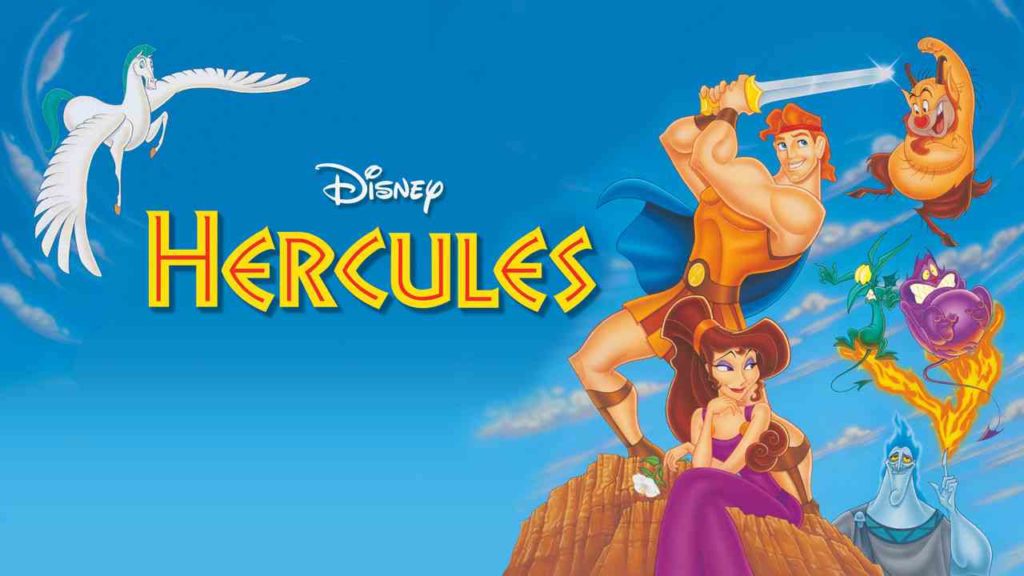
The original Hercules was Disney’s boldest myth-bend yet, arriving in 1997 amid the tail end of the Renaissance, a period bookended by The Lion King‘s gravitas and Mulan‘s empowerment anthems. Loosely riffing on Heracles’ Twelve Labors, it opens with a celestial heist: Hades, chafing in the Underworld’s fluorescent drudgery, learns from the blind Fates that Zeus’s newborn son spells his doom in 18 years. A botched infanticide lands baby Herc on Earth, amnesiac and adopted by mortals Amphitryon and Alcmene. Fast-forward to teen awkwardness: a hulking Hercules (Tate Donovan’s earnest baritone) wrecks his village in a rage, only to discover his divine lineage from a parental reveal that hits like a thunderbolt. Mentored by Danny DeVito’s gravelly Philoctetes—a satyr whose “I’ve been around” cynicism masks a heart of gold—Herc trains on the isle of Paros, mastering feats that blend slapstick with spectacle. Enter Megara (Susan Egan’s sultry sarcasm), Hades’ indentured minion, whose soul was pawned to save a faithless ex. Tasked with luring Herc into vulnerability, she falls instead, sparking a romance that’s equal parts banter and betrayal. As Hades unleashes titans and underworld beasts, Herc’s labors escalate—from hydra-wrangling to underworld descents—culminating in a Styx-soaked sacrifice that proves heroism isn’t muscle, but heart. The Muses (a gospel quintet led by Lillias White) narrate with soul-stirring flair, Alan Menken and David Zippel’s score swings from gospel (“Gospel Truth”) to swing (“One Last Hope”), and James Woods’ Hades cackles through schemes with a velocity that outpaces even his flaming hair. It grossed modestly against Titanic‘s tidal wave but bloomed into cult adoration, praised for its humor (Hades’ “Pain? Panic?”) and subversion—Meg as anti-princess, Herc as everyman underdog.
Yet fidelity to this blueprint wasn’t always the plan. Development on the live-action Hercules ignited in 2020, with Avengers: Endgame architects Joe and Anthony Russo boarding as producers via AGBO, aiming to inject MCU polish into mythic mayhem. Early scripts, penned by Dave Callaham (Shang-Chi), envisioned a faithful-ish retelling: Herc’s mortal upbringing, Phil’s gruff guidance, Meg’s snarky redemption. Guy Ritchie, hot off Aladdin‘s bazaar brawl, was tapped to direct, promising kinetic fights and cheeky asides. Casting rumors swirled—Taron Egerton as a buffed-up Herc, Ariana Grande for Meg’s belter, Michael B. Jordan as a brooding alternative lead. But by mid-2024, creative fissures emerged. The Russos, fresh from superhero epics, pushed for a Maleficent-esque pivot: centering Hades as a misunderstood anti-hero, his schemes reframed through a lens of fraternal resentment toward Zeus. Whispers from insiders like Daniel Richtman suggested a title swap to Hades, with the lord of the dead narrating his “overthrow” as a tragic underdog tale—echoing the 2014 Angelina Jolie vehicle that recast Sleeping Beauty’s curse-thrower as a wronged fairy. This wasn’t mere villain sympathy; it was structural surgery, potentially sidelining Herc’s hero arc for Hades’ boardroom-of-the-damned machinations. Fan backlash brewed on forums like Reddit’s r/disney, decrying it as “another woke rewrite” that diluted the animated’s zippy heroism. “Hades is the fun part because he’s the bad guy,” one thread fumed. “Make him sympathetic, and you gut the stakes.” Even James Woods, in a 2024 X rant, quipped, “If they turn me into a victim, I’ll haunt the multiplex.”
The tide turned decisively in November 2025, courtesy of The DisInsider’s Skyler Shuler. In a Q&A drop that quashed the Hades hype, Shuler revealed Disney’s course correction: a “faithful adaptation” of the 1997 film, hewing close to Clements and Musker’s blueprint amid backlash to deviations in projects like the TikTok-tinged Lilo & Stitch remake. No more villain soliloquies or Zeus-Hades therapy sessions; instead, expect the core beats—infant kidnapping, Theban triumphs, underworld showdown—amped with live-action spectacle. The Russos’ influence lingers in production scale: a $150-200 million budget funds practical labors (hydra puppets from Godzilla vet ILM, titan battles on New Zealand’s volcanic backlots) and a diverse ensemble nodding to Greek diaspora. Ritchie’s kinetic eye—think Sherlock Holmes chases amid Olympian ruins—promises balletic brawls, while Menken’s score gets a live-orchestra revival, blending gospel choirs with orchestral swells. This pivot isn’t just damage control; it’s strategic savvy. Post-The Little Mermaid‘s $569 million splash (despite purist gripes), Disney craves safe bets. A Hades flop could echo Pinocchio‘s streaming shrug; fidelity, they bet, recaptures the original’s cross-gen appeal—kids for the monsters, adults for the meta jabs at fame (“Go the Distance” as viral anthem fodder).
Enter the casting chatter that’s electrified Hollywood: Taylor Swift as Megara. The rumor, bubbling since Shuler’s drop, positions the 35-year-old megastar—fresh off Eras Tour‘s $1.7 billion haul and a 2025 Grammy sweep—as the snark-slinging soul-seller. It’s a match forged in Swiftie heaven. Meg’s arc—cynical thrall turned true-love warrior—mirrors Swift’s catalog: the vengeful bite of Reputation, the romantic redemption of Folklore. Egan’s original vocal was a smoky jazz vixen; Swift’s crystalline timbre could retool “I Won’t Say (I’m in Love)” into a confessional banger, her stage command (those Eras costume flips) ideal for Meg’s underworld tango with Hades. Swift’s Disney dalliance isn’t new—voicing Daria in Cats, nodding The Tortured Poets Department to fairy tales—but Meg elevates her to leading lady. Insiders whisper test footage: Swift in a flowing chiton, trading barbs with a stand-in Herc, her arched eyebrow channeling Meg’s “I’m a damsel? I’m in distress?” defiance. No confirmation yet, but Swift’s post-tour hiatus (ending December 2025) aligns with a 2027 shoot. If she signs, expect Easter eggs: a “Blank Space” Hades diss track, or Muses as Eras-inspired backup singers. Alternatives like Dua Lipa (vocal powerhouse, Argylle cred) or Elizabeth Gillies (Victorious sass) lurk, but Swift’s draw could push Hercules past $800 million, her fanbase a merchandising juggernaut.
The ensemble shapes up as a demigod dream team. For Herc, Egerton’s still the frontrunner—his Rocketman vulnerability suits the zero-to-hero glow-up, bulked via Tetris training montages. Jordan’s Creed intensity offers a more mythic gravitas, while David Corenswet (Superman 2025) brings boy-next-door charm. DeVito’s return as Phil is a lock—his live-action It’s Always Sunny grit fits the satyr’s booze-soaked pep talks, perhaps with a mo-cap assist for hooves. Hades demands a Woods heir: Taika Waititi’s wry chaos (Thor: Ragnarok) or Bill Skarsgård’s brooding menace (It) top fan-casts, capturing the flame-topped frenzy without caricature. Zeus? Idris Elba’s booming charisma, or a returning Rip Torn vibe via Simon Pegg. Pain and Panic? Nick Frost and Pegg reuniting as the impish duo, their Hot Fuzz rapport perfect for shapeshifting slapstick. The Muses—gospel narrators extraordinaire—could star Cynthia Erivo, Janelle Monáe, and Lizzo, their powerhouse pipes turning “The Gospel Truth” into a stadium shaker. Hera’s villainous edge (myth-true, Disney-softened) might go to Nicole Kidman, adding maternal menace.
Production buzz hints at a 2027 release, post-Moana 2‘s holiday splash. Shooting eyes Malta’s ancient amphitheaters for Thebes, Iceland’s glaciers for titans, and Atlanta soundstages for Olympus (tax perks galore). Ritchie’s Ritchie-isms—slow-mo sword clashes, cheeky voiceovers—will homage the animated’s cartoon physics, while VFX wizards like Weta Digital craft a Cerberus that’s puppeteered terror. Challenges loom: balancing myth fidelity with #MeToo-era tweaks (Meg’s agency amplified, no damsel tropes), and dodging Greek lore purists griping over Disney’s loosey-goosey gods. Yet the faithful tack could redeem the remake slate—Aladdin soared on nostalgia, The Jungle Book on spectacle. In Swift’s potential Meg, Disney spies a cultural colossus: her “Bad Blood” with Hades could spawn memes, while a “Go the Distance” duet remix drops pre-premiere.
As 2025 closes, Hercules stands at Olympus’ gates—not a villain’s lament, but a hero’s hymn. Ditching the Hades detour for source-true swagger, with Swift’s star power as the siren call, this remake could lift the genre from labor to legend. In a post-Barbie world craving wit and wonder, expect Herc to swing big: muscles flexed, hearts mended, and a zero-to-hero arc that reminds us—gods or mortals—greatness is earned, one snarky step at a time. The gods approve; may the Muses narrate the triumph.