TOO PERFECT TO BE FUN? ‘CLAIR OBSCUR’ DIRECTOR ACCUSES GTA 6 AND THE ELDER SCROLLS 6 OF BEING ‘BORING’
“Games that try to be perfect… are usually just really boring.” 😳 The mastermind behind 2025’s massive Game of the Year winner just dropped an absolute nuclear bomb on the most anticipated games of the decade, calling out GTA 6 and The Elder Scrolls 6 by name. 💣
He claims these multi-million dollar “flawless masterpieces” are missing the one critical thing that actually makes gaming fun. Is the industry’s obsession with perfection ruining our favorite franchises before they even launch? 👇
In an industry obsessed with graphical fidelity, flawless frame rates, and hyper-realistic mechanics, one of gaming’s most decorated modern minds has fired a direct shot at the titans of the medium.
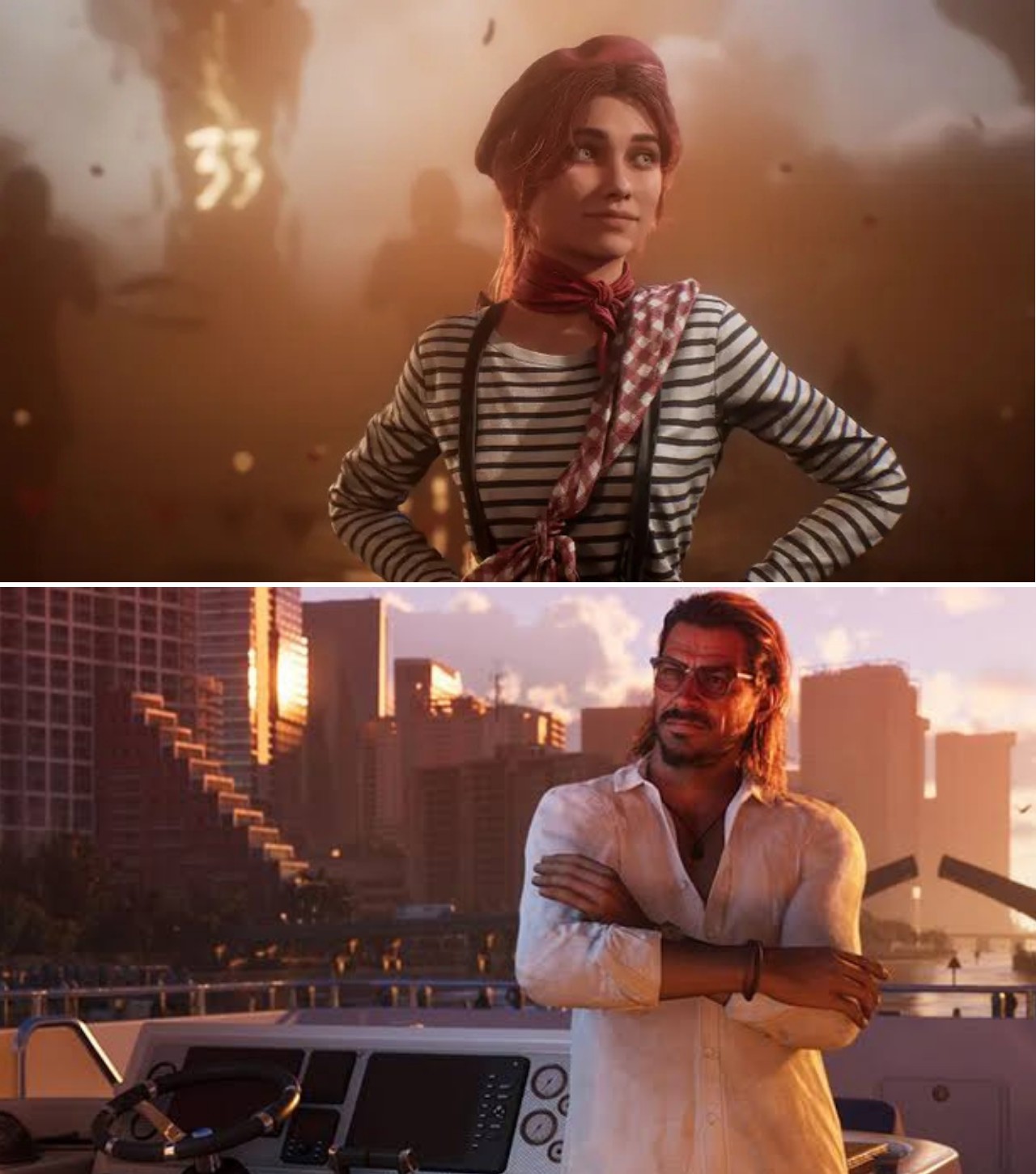
Guillaume Broche, the creative director behind the smash-hit 2025 Game of the Year Clair Obscur: Expedition 33, has openly warned that upcoming entertainment juggernauts like Rockstar Games’ Grand Theft Auto VI and Bethesda’s The Elder Scrolls VI risk putting players to sleep. The problem? They are trying too hard to be perfect.
Speaking on a recent episode of the French pop-culture YouTube podcast Konbini, Broche did not mince words when discussing the industry’s obsession with polishing out every minor flaw, equating hyper-polished video games to overly curated, sterile human personalities.
“Games that try to be perfect, that try to fix all their flaws – they’re usually just really boring,” Broche stated flatly. “My theory is that it’s just like people. People who try to be perfect are boring because they have no personality. Whereas people who embrace their slightly weird side – in the end – are the interesting ones.”
+-------------------------------------------------------------------+
|               THE CHARM OF IMPERFECTION IN RPG HISTORY            |
+---------------------+---------------------------------------------+
| Game Title          | Iconic "Flaw" / Meme That Defined Its Legacy|
+---------------------+---------------------------------------------+
| Skyrim              | "Hey, you're awake" intro & broken physics  |
| Oblivion            | The Adoring Fan & bizarre AI dialogue       |
| Clair Obscur        | "Unbearable" mini-games & broken Act 3 power|
+---------------------+---------------------------------------------+
| GTA Series          | Glitchy sandbox physics & chaotic NPC logic |
+---------------------+---------------------------------------------+
| Broche's Philosophy | "It's lame, but I don't care... it's funny!"|
+---------------------+---------------------------------------------+
Embracing the “Wonk”
Broche’s Clair Obscur: Expedition 33 exploded onto the scene in 2025, capturing the hearts of millions as a breathtaking, emotionally resonant RPG. Yet, despite its sweeping critical acclaim, Broche is the first to admit the title is deeply flawed—and he prefers it that way.
During the podcast, the director gleefully listed several elements of Clair Obscur that purists might consider bad design. He pointed to “unbearable” mini-games, a wildly unbalanced power curve in Act 3 that allows players to become “absurdly strong,” and the fact that gamers can completely speedrun the main narrative while entirely bypassing a massive chunk of carefully crafted side content.
But according to Broche, that erratic design is exactly where the magic happens. “Who cares? It’s just funny. That’s what we love about it. The imperfections are part of the charm.”
The sentiment has struck a massive chord across gaming communities on Reddit and X (formerly Twitter), igniting an ideological civil war between fans who demand flawless simulation and those who miss the chaotic, unpolished era of the 2000s and 2010s.
The Death of the Sandbox Meme?
Broche’s warning taps into a growing anxiety within the gaming community, particularly regarding Bethesda’s long-delayed The Elder Scrolls VI. On the r/elderscrolls Subreddit, fans have frequently expressed concern that modern development pipelines—which prioritize eliminating jank—will inadvertently kill the soul of the franchise.
The legendary status of The Elder Scrolls V: Skyrim was built largely on its hilarious imperfections. Memes like “I took an arrow to the knee,” flying giants that launch players into the stratosphere, and broken NPC pathfinding became cultural shorthand for an entire generation of gamers. Similarly, Oblivion became immortalized through its terrifyingly goofy “Adoring Fan” and erratic voice-acting loops.
“Broche is 100% right,” argued one viral post on X with over 50,000 likes. “If Skyrim was perfectly polished in 2011, it wouldn’t be talked about today. The mods exist because the game had cracks that needed filling. If TES6 is a sterile, seamless cinematic experience with zero jank, it’s going to lose that Bethesda magic.”
On TikTok, creators have already begun juxtaposing Broche’s quotes with clips of older Rockstar and Bethesda titles, mourning the loss of bizarre sandbox physics that allowed for organic, unscripted comedy.
The Trillion-Dollar Expectations
The stakes have never been higher for corporate publishers. With Grand Theft Auto VI locked into a highly anticipated November launch window and pre-orders already generating furious online discourse over its premium $79.99 to $99.99 price tags, major studios cannot afford the bad press of a “broken” game.
Rockstar has historically managed to bridge the gap; their massive GTA Online role-playing (RP) communities thrive heavily on the absurd, unscripted moments permitted by the game’s complex physics engines. However, as budgets skyrocket and development cycles stretch to a decade or more, the corporate impulse is to sanitize the experience to protect the bottom line. Broche’s comments serve as a stark reminder that in eliminating the risk of failure, developers often eliminate the capacity for joy.
As the industry marches toward an autumn dominated by mega-budget releases, the success of indie darlings and unconventional RPGs like Clair Obscur suggests that audiences might be growing tired of corporate perfection.
Whether Rockstar and Bethesda will heed the warning—or if they are already too far down the rabbit hole of hyper-realism—remains to be seen. But for now, the creative community is pushing back: long live the weird, the wonky, and the wonderfully broken.