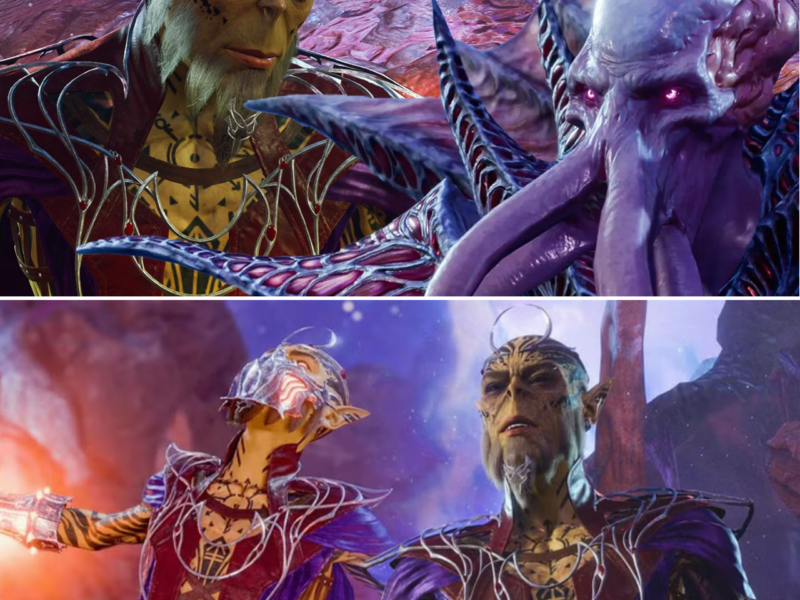
The Ultimate Choice: How the Fate of Orpheus and The Emperor Divides the Baldur’s Gate 3 Community
THIS IS THE ULTIMATE MORAL TRAUMA IN BALDUR’S GATE 3 AND THE COMMUNITY IS STILL ABSOLUTELY DIVIDED! 🧠👑💥
When you reach the climax of Act 3 inside the Astral Plane, choosing between freeing Prince Orpheus or siding with The Emperor forces the ultimate betrayal—and there is no “happy ending” where everyone wins! Did you trust the Mind Flayer who spent 100 hours protecting your mind, or did you betray him to free the rightful Githyanki prince, forcing someone in your party to undergo ceramic Mind Flayer ceremorphosis? 👇
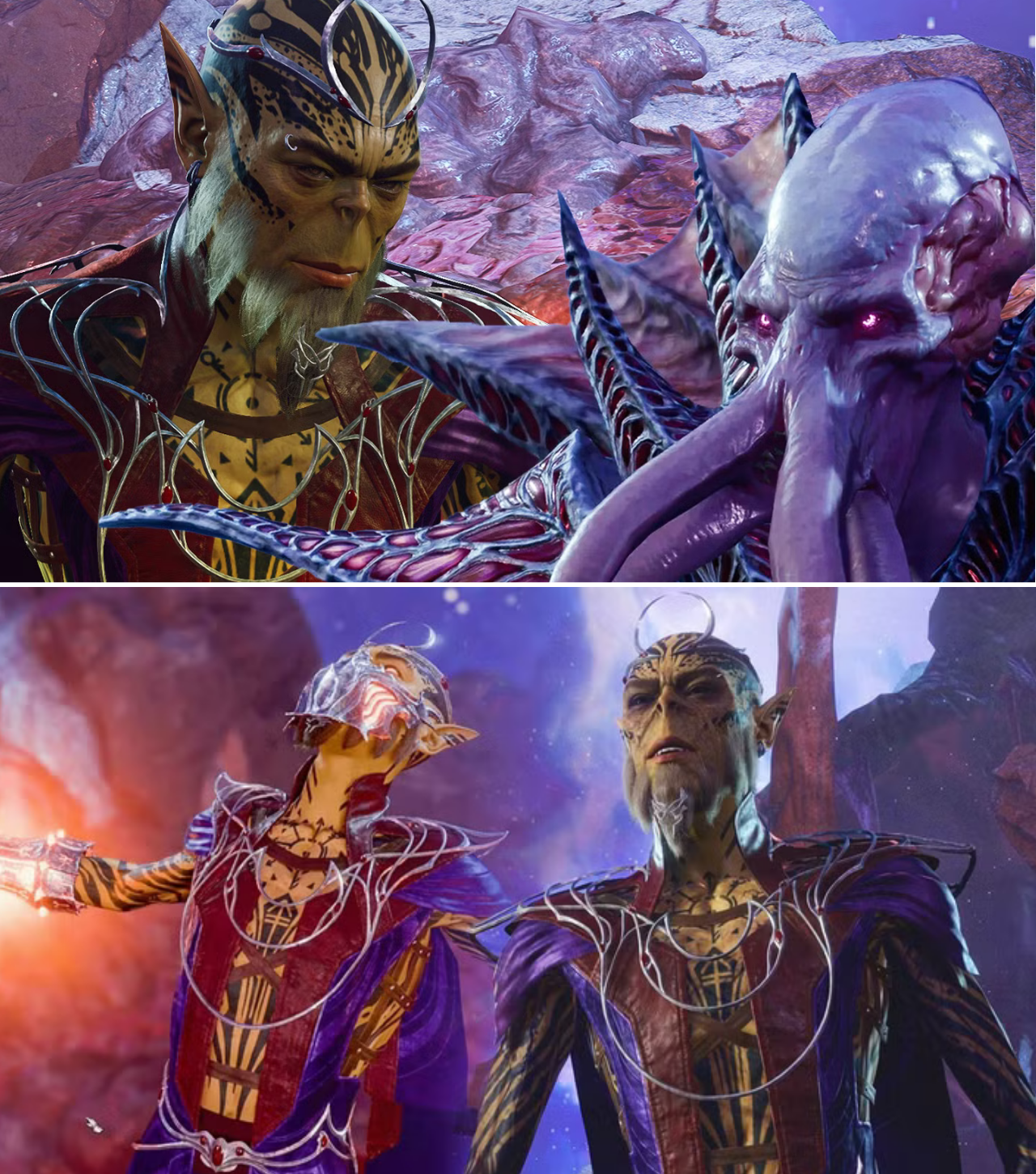
In the final act of Larian Studios’ critically acclaimed RPG Baldur’s Gate 3, players are confronted with a climactic decision that tests every relationship, political alliance, and moral boundary built over a hundred hours of gameplay: Should you free Prince Orpheus, the heir of Mother Gith, or remain loyal to The Emperor, the renegade Mind Flayer hiding inside the Astral Prism?
As online communities on Reddit, X, and gaming forums continue to debate the narrative and gameplay consequences of Act 3’s ending, this pivotal choice remains one of the most heavily analyzed dilemmas in modern gaming history.
The Emperor: Pragmatic Ally or Manipulative Monster?
Throughout Acts 1 and 2, players know The Emperor primarily as the Dream Visitor—the mysterious figure protecting the party from transforming into illithids and shielding them from the Absolute’s hive mind. Upon revealing his true Mind Flayer form in Act 3, The Emperor insists that absorbing Orpheus’s psionic power is the only guaranteed path to consuming the Netherbrain and saving Baldur’s Gate.
Pros of Siding with The Emperor:
Simplified Path to the Finale: Siding with The Emperor maintains your established partnership. Neither the player nor companion Karlach is forced to undergo illithid transformation, as The Emperor consumes Orpheus’s brain himself to wield the Netherstones.
Preserving Lae’zel (with Checks): While Githyanki companion Lae’zel will be outraged by the execution of her prince, high DC Persuasion checks allow players to keep her in the party without initiating combat.
Cons of Siding with The Emperor:
The Githyanki Tragedy: Orpheus is executed, leaving the Githyanki people bound under the tyrannical rule of Lich Queen Vlaakith.
Illithid Realities: Many players view The Emperor’s protective behavior as calculated self-preservation and manipulation rather than true companionship.
“Siding with The Emperor feels like the ultimate pragmatic choice, but discovering how he manipulated Duke Stelmane in the past makes trusting him feel deeply uneasy,” noted one popular discussion on r/BaldursGate3.
Prince Orpheus: Liberation for the Githyanki at a Devastating Cost
To free Prince Orpheus, players must acquire the Orphic Hammer—either by striking a soul-binding contract with Raphael in the House of Hope or by infiltrating his lair to steal it back.
When players use the hammer to break Orpheus’s binding spheres, The Emperor immediately defects, declaring that his survival is impossible alongside the Githyanki prince. He joins the Netherbrain, becoming a hostile boss in the final battle atop the crown.
+-------------------------------------------------------------------------------+
|                      ACT 3 ASTRAL PRISM CHOICE MATRIX                         |
+--------------------------+-----------------------+----------------------------+
| Choice                   | The Emperor           | Prince Orpheus             |
+--------------------------+-----------------------+----------------------------+
| Side with The Emperor    | Absorbs Orpheus;      | Executed; Githyanki remain |
|                          | fights as final ally  | under Vlaakith's reign     |
| Free Prince Orpheus      | Defects to the        | Freed; requires a Mind     |
|                          | Netherbrain (Hostile) | Flayer to eat the brain    |
+--------------------------+-----------------------+----------------------------+
The Ultimate Dilemma: Who Transforms into a Mind Flayer?
The central tragedy of freeing Orpheus is mechanical: the Netherstones can only be wielded against the Netherbrain by a Mind Flayer’s cognitive architecture. If players choose Orpheus, someone must sacrifice their soul and humanity to undergo immediate Ceremorphosis:
The Player Character (Tav / Origin): You choose to transform into a Mind Flayer yourself to save the realms.
Karlach’s Sacrifice: Karlach voluntarilly offers to transform. Because her infernal engine is consuming her heart, ceremorphosis stabilizes her condition, allowing her to live on as an illithid without returning to Avernus.
Orpheus’s Martyrdom: If no party member volunteers, Orpheus selflessly transforms into a Mind Flayer himself to command the Netherstones, requesting that Lae’zel or the player execute him after the Netherbrain is destroyed so he does not die an illithid monster.
Community Verdict and Narrative Legacy
The choice between Orpheus and The Emperor exemplifies Larian Studios’ commitment to morally complex storytelling. Rather than offering an easy “good vs. evil” outcome, the decision forces players to weigh personal loyalty against global liberation, personal survival against selfless sacrifice.
Whether players choose to preserve their humanity alongside The Emperor or sacrifice everything to free the Githyanki nation with Orpheus, both paths deliver profound emotional consequences—ensuring that the climax of Baldur’s Gate 3 remains a masterclass in interactive RPG narrative design.