The Moral Tightrope: How Paladin Oaths and the Oathbreaker Subclass Redefine Roleplay in Baldur’s Gate 3
YOU CAN ACCIDENTALLY RUIN YOUR PALADIN’S OATH IN BALDUR’S GATE 3 WITH A SINGLE DIALOGUE CHOICE—OR ON PURPOSE TO UNLOCK THE GAME’S MOST BROKEN CLASS! ⚖️🛡️⚔️
Did you know that attacking a hostile goblin from stealth, sparing a hag, or raising the dead will instantly strip away your holy powers and summon the Oathbreaker Knight to your camp? The entire community is debating whether remaining a holy judge is worth it when the Oathbreaker subclass wields dark necrotic aura damage that completely trivializes Honour Mode… Are you keeping your vow or breaking it on purpose? 👇
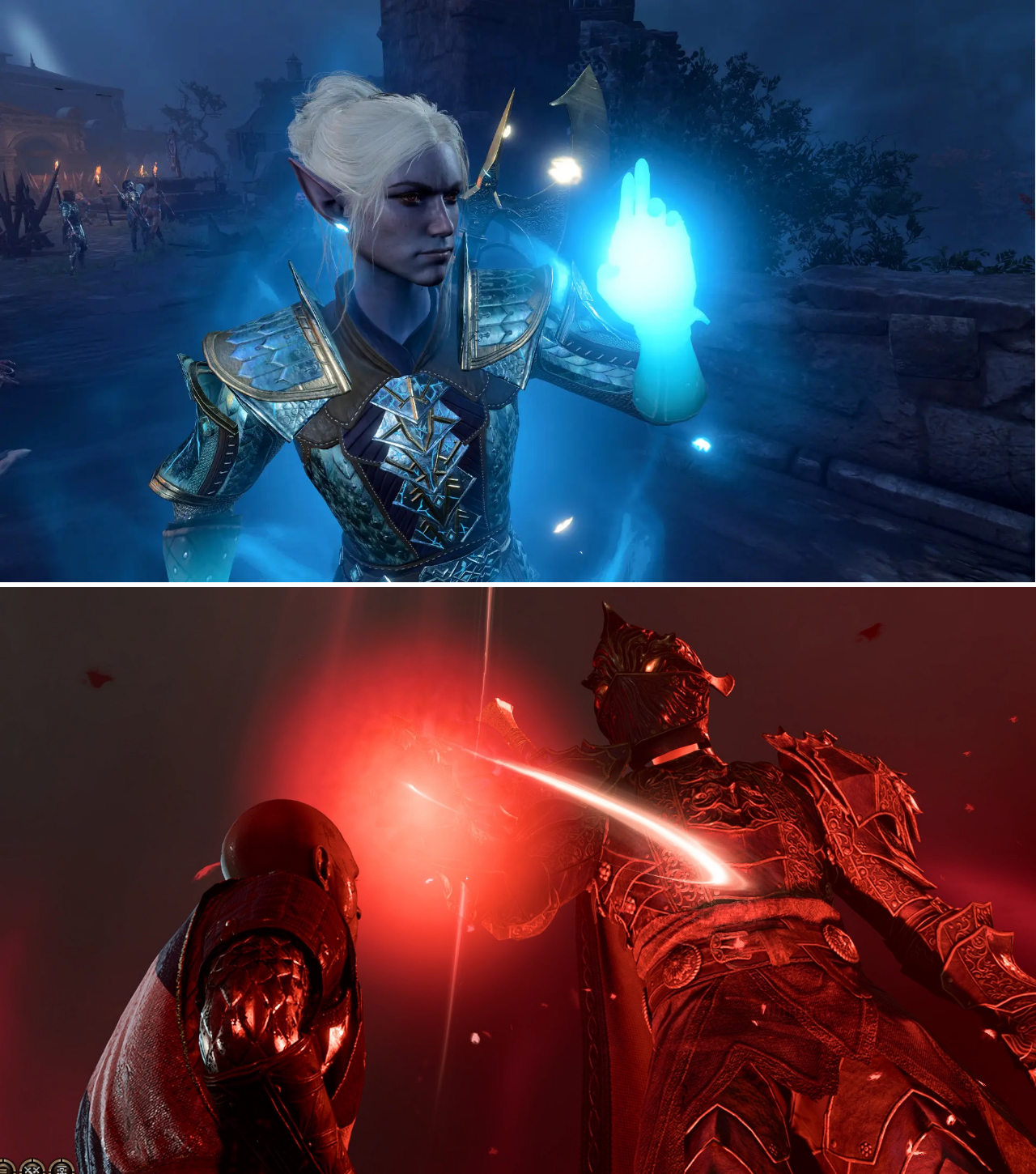
Since Larian Studios added the Paladin class to Baldur’s Gate 3, it has consistently ranked among the most played and highest-damaging classes in the game. Renowned for turning spell slots into massive burst damage via Divine Smite, the Paladin brings a unique roleplaying restriction to Faerûn: adherence to a sacred Oath.
Unlike other classes whose subclasses merely dictate combat abilities, a Paladin’s choice of Oath imposes strict moral boundaries on player choices. Violating these tenets doesn’t result in a simple game-over screen; instead, it triggers a visit from the mysterious Oathbreaker Knight, unlocking the hidden Oathbreaker subclass. As discussions across Reddit’s r/BG3Builds and Discord forums demonstrate, understanding how each Oath functions—and how to intentionally or accidentally break them—is vital for character optimization.
1. Oath of Devotion: The Classical Holy Knight
The Oath of Devotion embodies the traditional archetype of the noble protector, focusing on honesty, compassion, and defending the innocent.
Core Class Features: Holy Rebuke (deals Radiant damage to attackers who strike the target) and Turn the Unholy (causes Fiends and Undead to flee).
Tenets: Protect the weak, act with honor, and show mercy where appropriate.
How to Break the Oath of Devotion:
Unprovoked Attacks: Initiating combat or attacking non-hostile/neutral NPCs (including ambossing goblins or guards from stealth without initiating dialogue first).
Betraying Allies: Striking deal agreements and then immediately betraying the party (e.g., agreeing to help the Tieflings or Goblins and then turning on them).
Torture or Cruelty: Participating in or enabling cruel acts against defenseless captives.
2. Oath of the Ancients: Defender of Nature and Light
Grounded in the preservation of life, nature, and cosmic joy, the Oath of the Ancients is widely considered one of the strongest defensive options in the game due to its passive party damage reduction.
Core Class Features: Healing Radiance (a bonus-action area-of-effect heal that ticks twice) and Aura of Warding (Level 7 aura granting half-damage resistance against all magical spells to nearby allies).
Tenets: Preserve light and life, shelter hope, and fight against unnatural darkness.
How to Break the Oath of the Ancients:
Sparing the Undead or Hag: Sparing Auntie Ethel in Act 1 in exchange for her hair, or allowing her to keep Mayrina.
Necromancy: Raising undead, or allowing Mayrina’s husband to be raised using Connor’s wand.
Killing Innocent Creatures: Attacking non-hostile animals or peaceful wilderness inhabitants.
3. Oath of Vengeance: No Mercy for the Wicked
For players seeking offensive dominance, the Oath of Vengeance offers relentless single-target pressure, prioritizing the punishment of evil above all else.
Core Class Features: Inquisitor’s Might (adds Charisma modifier as extra Radiant damage and inflicts Dazed) and Vow of Enmity (grants Advantage on all attack rolls against a target for 10 turns).
Tenets: Punish evil at any cost, show no mercy to villains, and aid those harmed by evil.
How to Break the Oath of Vengeance:
Sparing Greater Evils: Showing mercy or bargaining with evil entities (e.g., sparing Auntie Ethel, bargaining with Gortash, or letting Arka execute the caged goblin Sazza in the Emerald Grove if you intervene peacefully).
Forgiving Traitors: Allowing cruel villains to walk free without retribution.
+-------------------------------------------------------------------------------+
|                       PALADIN OATH COMPARISON MATRIX                          |
+--------------------------+-----------------------+----------------------------+
| Subclass                 | Primary Role          | Easiest Break Trigger      |
+--------------------------+-----------------------+----------------------------+
| Oath of Devotion         | Single-target / Tank  | Attacking neutral NPCs     |
|                          |                       | from stealth               |
| Oath of the Ancients     | Magic Resistance Aura | Raising Connor or sparing  |
|                          | / AOE Healing         | Auntie Ethel               |
| Oath of Vengeance        | Advantage Stacking /  | Sparing villains or making |
|                          | High Single-Target DPS| deals with hags/goblins    |
| Oathbreaker              | Necrotic Aura /       | Broke any sacred vow; pay  |
|                          | Undead Control        | gold to reclaim original   |
+--------------------------+-----------------------+----------------------------+
4. The Hidden Subclass: Becoming an Oathbreaker
When an Oath is broken, a dark flash of magic engulfs the character, disabling Channel Oath abilities until the player speaks with the Oathbreaker Knight in camp.
Players can accept their fall and permanently respec into the Oathbreaker subclass, unlocking a dark, melee-focused kit:
Spiteful Suffering: Inflicts Necrotic damage over time and grants Advantage on attack rolls against the target.
Control Undead: Forces an undead creature to follow and fight alongside the Paladin.
Aura of Hate (Level 7): Adds the Paladin’s Charisma modifier as extra damage to all melee weapon attacks made by the Paladin and nearby fiends/undead.
“Pairing a Level 7 Oathbreaker Paladin with a Necromancy Wizard or Oathbreaker/Warlock multiclass creates an unstoppable Necrotic aura team that melts boss health bars in Act 3,” noted one popular build guide on r/BG3Builds.
Reclaiming a Broken Oath
If breaking the Oath was an accident, players can reclaim their holy status by paying a fee to the Oathbreaker Knight at camp (1,000 Gold for the first offense, scaling higher on subsequent breaks). However, while an Oath is broken, Withers will refuse to respec the character’s class levels until the Oath is restored.
Strategic Realities and Meta Takeaways
The Paladin’s Oath system in Baldur’s Gate 3 serves as a prime example of Larian Studios blending gameplay mechanics directly with moral roleplaying. Whether players strictly follow the light of Devotion, protect nature with Ancients, punish the wicked through Vengeance, or embrace the dark power of the Oathbreaker, each path offers distinct tactical advantages for conquering Faerûn.