Gaming Giant EA Completes Massive $55 Billion Sale to Consortium Led by PIF and Affinity Partners
EA is GONE. Public trading? Finished. The $55 billion buyout that everyone said “couldn’t happen” just hit the history books! 🚨
The giant behind FIFA, Battlefield, and Apex Legends has officially been taken private. But the new ownership? It’s sending shockwaves through the entire gaming industry—we’re talking Saudi Arabia’s Public Investment Fund and Jared Kushner’s Affinity Partners at the helm. 🌍💸
Is this the dawn of a new, AI-driven gaming era, or are we about to see monetization go off the rails now that the shareholders are out of the picture? The stock exchange has already pulled the plug, and the industry will never be the same.
What does this mean for your favorite games? Get the full breakdown on the shift that has every major publisher looking over their shoulder: 👇🔥
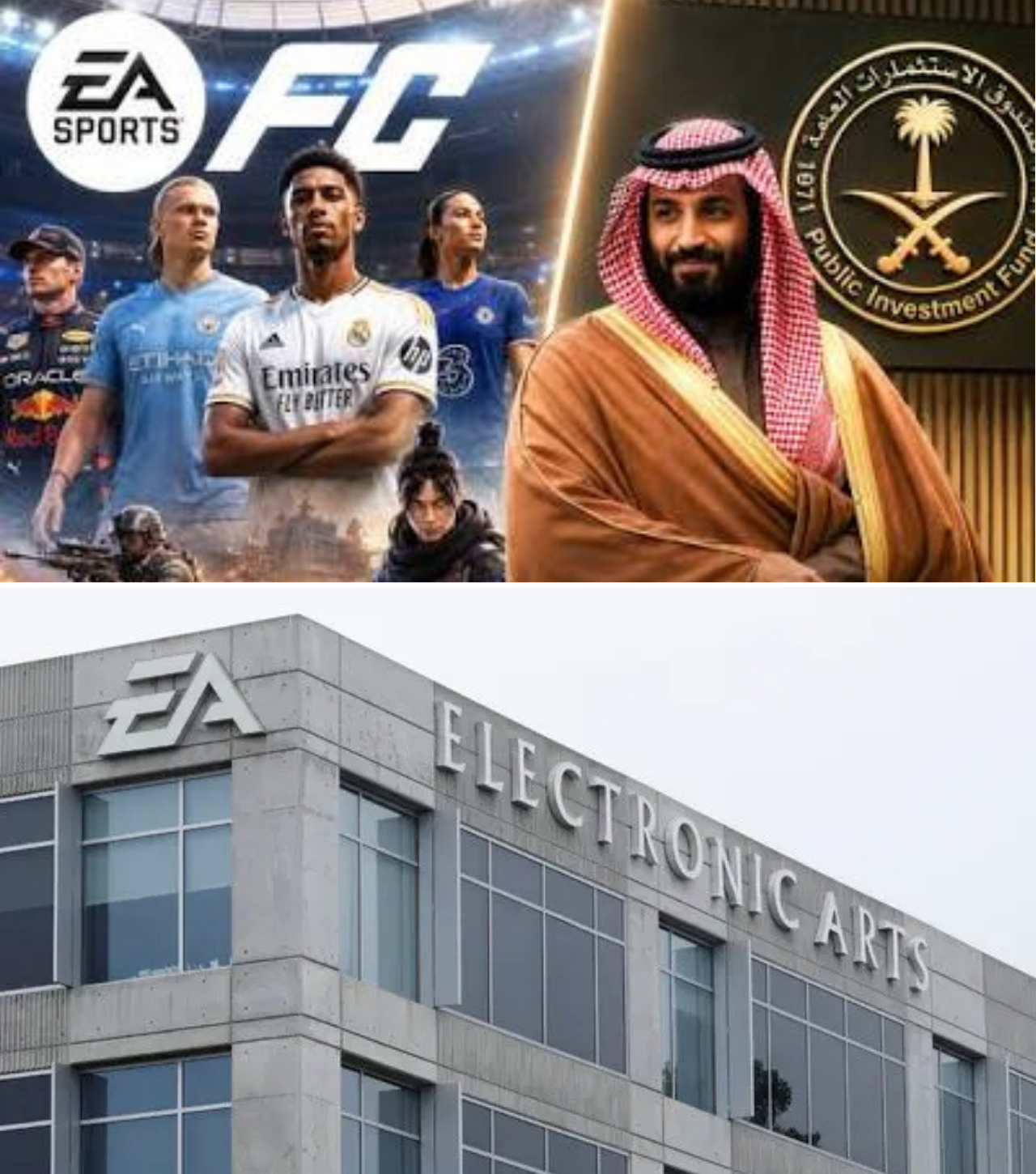
In a seismic shift for the gaming industry, Electronic Arts (EA) has officially concluded its transition from a publicly traded titan to a privately held powerhouse. The $55 billion acquisition, a transaction that has dominated headlines for nearly a year, closed this week, marking the largest leveraged buyout in the history of interactive entertainment.
The deal, which saw shareholders receive a premium of $210 per share, marks the end of EA’s tenure on the Nasdaq exchange. The successful buyout is the result of a powerhouse consortium led by Saudi Arabia’s Public Investment Fund (PIF), alongside private equity firm Silver Lake and Affinity Partners, the firm founded by Jared Kushner.
A New Corporate Reality
The transition, first announced in September 2025, represents a fundamental change in how EA will conduct business. By moving to a private ownership structure, the company is effectively shielded from the quarterly scrutiny of public market analysts and the pressure of short-term shareholder expectations.
For industry watchers, the immediate question is how this will impact the studio’s massive portfolio, which includes industry-defining franchises such as EA Sports FC, Battlefield, The Sims, and Apex Legends. Current leadership, including CEO Andrew Wilson, remains at the helm, signaling a desire for continuity even as the company undergoes its most significant structural change since its founding.
“Moving private is a double-edged sword,” said one market analyst following the closure. “Without the need to appease public shareholders, EA has the freedom to pursue long-term, potentially risky innovation. However, the history of private equity ownership in gaming often correlates with an aggressive push for higher live-service monetization to service the massive debt load taken on for the acquisition.”
The Pivot to AI and Long-Term Growth
The involvement of Silver Lake, a firm with a deep history in technology and media investment, suggests a clear roadmap for the future. Reports indicate that the new owners have identified AI-driven development as a primary growth vector. This could fundamentally alter the production pipelines for future titles, aiming to streamline the creation of massive open-world experiences and live-service updates.
Furthermore, the Public Investment Fund (PIF) is no stranger to the EA boardroom. Having held a minority stake in the company for over five years, the PIF’s total buyout is viewed by some as an evolution of its long-term strategy to pivot the Saudi economy away from oil and into global entertainment and technology sectors.
Community and Industry Concerns
Despite the executive promise of “growth-focused” development, the gaming community remains skeptical. On forums and social media, long-time fans of titles like Battlefield and Apex Legends have expressed apprehension regarding the new ownership’s potential impact on microtransactions and product quality. The gaming community has frequently been critical of EA’s monetization strategies in recent years; with the company now owned by a private consortium, many fear that profit-extraction models could be prioritized even further.
“The infrastructure of the games won’t change overnight,” noted a community moderator on a major gaming subreddit. “But the ‘Why’ behind the changes we see in future patches—whether they are for player experience or for aggressive revenue generation—is going to be under a microscope like never before.”
The Future of Interactive Entertainment
As EA moves forward under its new owners, the industry is watching closely to see if this model of private, deep-pocketed ownership becomes a trend for other major publishers. With $36 billion in equity and $20 billion in debt financing this deal, the pressure to deliver massive hits is immense.
For now, the roadmap for the upcoming fiscal quarters remains unchanged. However, as the dust settles on this $55 billion deal, the gaming world acknowledges that the industry has entered a new chapter. Whether this results in a renaissance of creative freedom or a tighter grip on digital monetization will be determined by the titles that hit the shelves in the coming years.