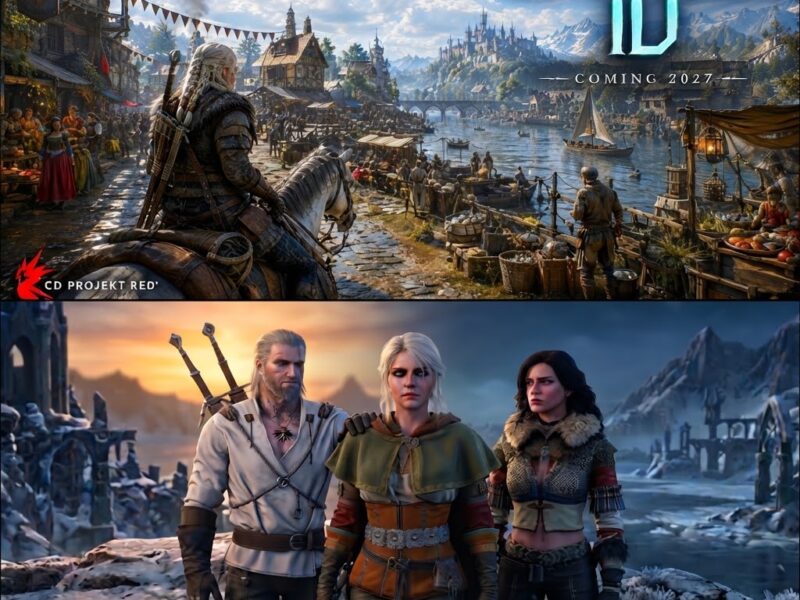
Beyond Wild Hunt: How CD Projekt Red is Rewriting the ‘Witcher’ Playbook
The Witcher 4 is officially on the horizon, and it’s learning the hard way from its past mistakes. ⚔️
Forget the “Cyberpunk launch” trauma—CD Projekt Red is moving in a completely different direction. Insiders are confirming that The Witcher 4 is tracking for a late 2027 release, and the studio is being dead serious about avoiding past launch disasters. We’re talking about massive changes to their development pipeline, new tech sharing between internal teams, and a focus on optimization that started from day one.
But it’s not just tech—it’s the world itself. Imagine the scale of The Witcher 3, but with the density, interactivity, and “consequential” gameplay philosophy inspired by heavy-hitters like Kingdom Come: Deliverance 2. With Ciri taking the lead, the story is expected to bridge perfectly from the upcoming Witcher 3 expansion, “Songs of the Past.”
Is CD Projekt Red finally ready to deliver a masterpiece that doesn’t need a year of patches? The hype is real, but the wait might be longer than you think. 👇
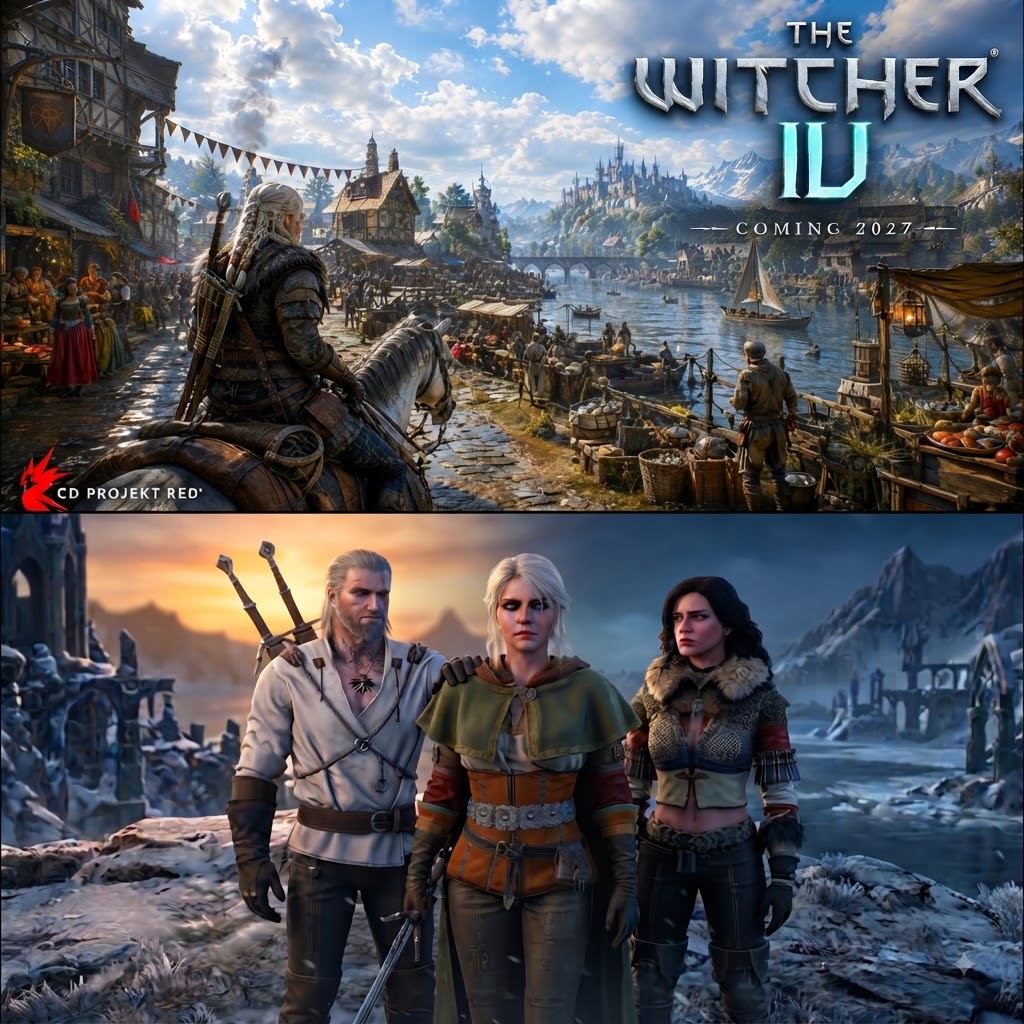
As CD Projekt Red (CDPR) prepares to showcase the final major expansion for The Witcher 3: Wild Hunt at this year’s Gamescom, industry focus is shifting toward the future of the franchise: The Witcher 4. With the project now in full production and leaks surfacing regarding its development cycle, it is becoming clear that the studio is undergoing a fundamental transformation designed to avoid the launch-day pitfalls that marred both The Witcher 3 and Cyberpunk 2077.
The 2027 Roadmap
Industry analysts suggest that The Witcher 4 is targeting a release window in the fourth quarter of 2027. More importantly, reports indicate that the project is currently tracking smoothly, with no signs of the development “crunch” or internal instability that has plagued the studio in the past.
Interestingly, CDPR’s recent commitment to The Witcher 3—specifically the upcoming “Songs of the Past” expansion—is being viewed not as a distraction, but as a strategic bridge. By allocating significant resources to this expansion, the studio appears to be keeping the franchise top-of-mind for players while simultaneously refining the technical foundation that will underpin the next mainline title.
A Shift in Technical Culture
The most significant changes at CDPR are happening behind the scenes. Technical writers and developers have noted that the studio has implemented a new system of “gates”—strict documentation and quality requirements that must be met before a development phase can proceed. This is a direct response to the turbulent launch of Cyberpunk 2077, which suffered from a lack of internal cohesion.
Furthermore, the studio has broken down the “silos” that historically separated the Witcher and Cyberpunk teams. Knowledge sharing is now a company-wide standard; technical solutions discovered by one team can be integrated into another’s code, preventing the studio from reinventing the wheel on every project. Optimization, which was previously a “bolt-on” phase at the end of development, has now been prioritized from day one.
Redefining the “Witcher” Experience
While the map size is expected to remain consistent with The Witcher 3, the ambition for the world’s density has grown. Developers are aiming for a “reactive” environment that feels more alive and consequential. Leaks suggest the team is looking toward the immersive philosophy of Kingdom Come: Deliverance 2—a title known for its high level of realism and player-driven choices—to influence how the world interacts with the player.
With Ciri taking center stage, the shift in perspective is intended to refresh the series while maintaining the dark, high-fantasy tone fans expect. The transition to Unreal Engine 5.6, combined with Nanite foliage rendering, promises a level of visual fidelity that far exceeds the studio’s previous work.
Conclusion: A Studio Reborn?
CD Projekt Red is playing a high-stakes game. By aiming to release The Witcher 4 before the anticipated impact of Grand Theft Auto VI, they hope to recapture their loyal player base while setting a new standard for quality. While the studio’s history means that console performance remains a point of skepticism, the current evidence points toward a company that is finally serious about sustainable development.
Whether The Witcher 4 marks a return to form for CDPR or a new high-water mark for the RPG genre, the next three years will be critical in determining if this “new” CD Projekt Red can truly deliver on its promises.