Beyond the Uncanny Valley: How ‘Body Cam’ is Rewriting the Rules of Immersion
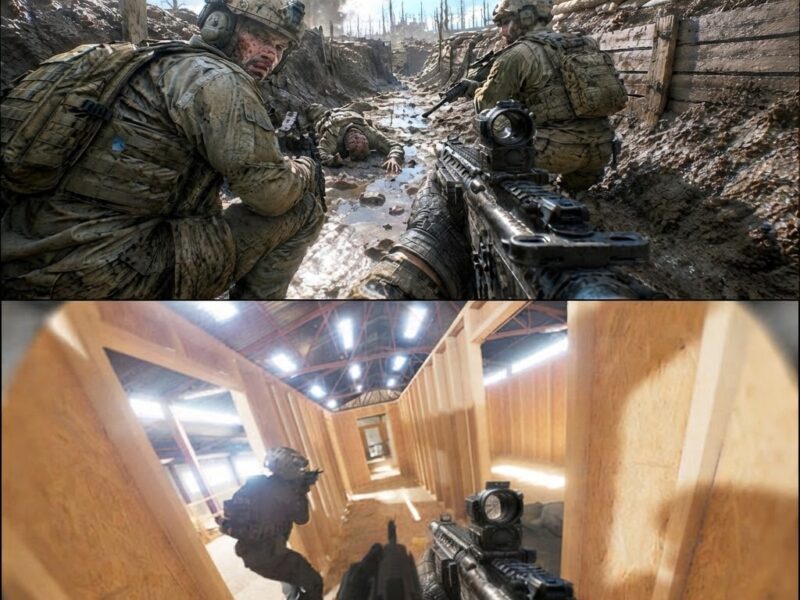
Stop scrolling. This isn’t footage from a war zone—it’s a video game. 🤯
The “Body Cam” genre is about to evolve into something truly terrifying. We’ve seen “photorealistic” shooters before, but this? This is on another level. The devs just announced their “Locked and Loaded” update for September 2nd, and they are literally rebuilding the game from the ground up to make it feel… real.
We’re talking about character animations that change based on your stress levels, “self-balancing” ragdoll physics that make you fight to stay on your feet, and sound design modeled directly after real-world body-worn cameras. No more “FPS robot” movements. No more “cinematic” fake sounds. Just pure, gritty, unpredictable chaos.
Are we finally crossing the uncanny valley, or are developers just getting too good at scaring us? 👇
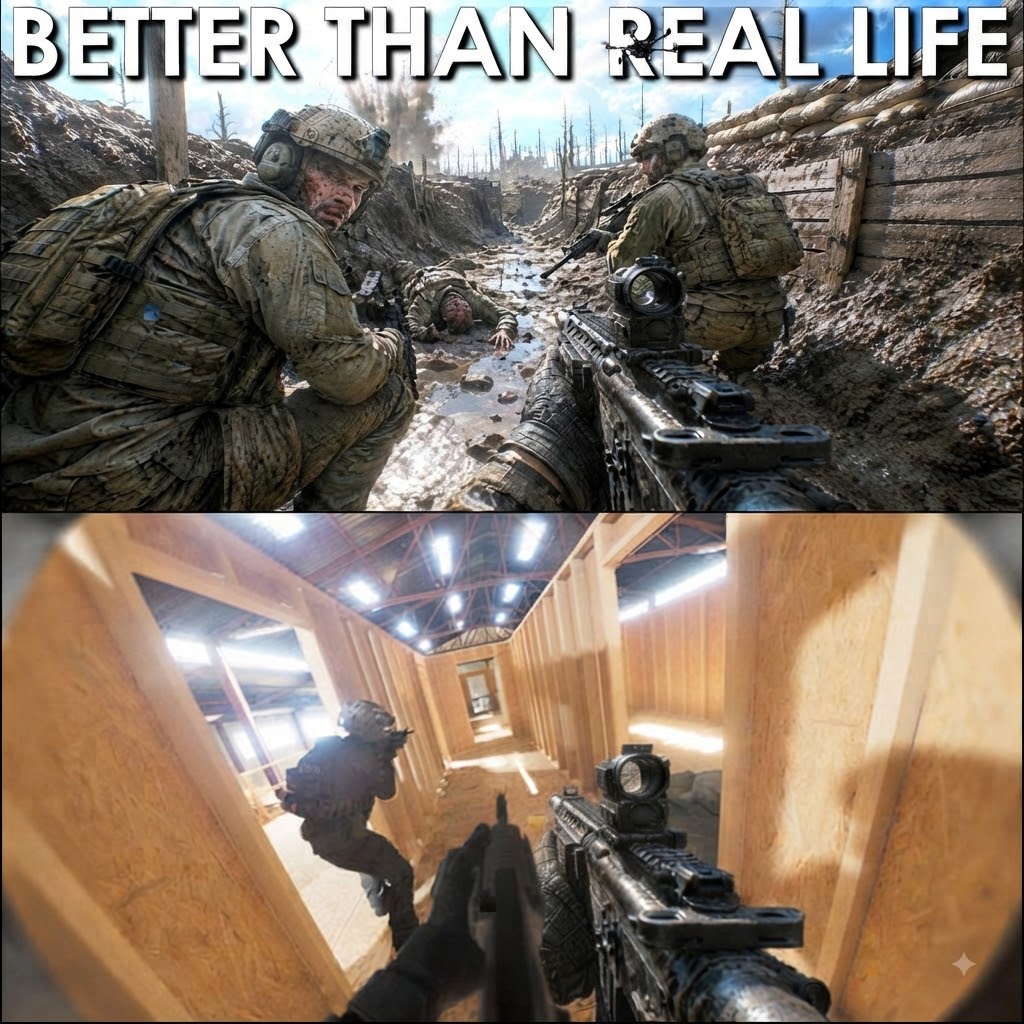
The hyper-realistic first-person shooter (FPS) genre has long chased the elusive goal of “photorealism.” Yet, for years, this pursuit has often resulted in polished, cinematic experiences that still feel inherently like games. However, with the upcoming “Locked and Loaded” update scheduled for September 2nd, the developers of Body Cam—the viral sensation that blurred the line between tactical shooter and real-world footage—appear poised to shatter that ceiling.
Rebuilding the Foundation
Unlike traditional content updates that simply add new weapons or maps, the Body Cam team at Reissad Studio has taken a radical approach: they have spent the last year rebuilding the game’s core technical framework. According to developers, the original systems were becoming limitations to their vision of true tactical authenticity. By moving beyond the “FPS robot” archetype, where every movement and reload is a perfectly timed, identical animation, the team is introducing procedural imperfection.
In the upcoming update, weapon handling will dynamically shift based on the operator’s “stress level.” A reload performed under heavy fire will be jagged, rushed, and prone to failure, contrasting sharply with the controlled precision of a reload in a safe zone. This attention to detail extends to the “camera” itself—which now acts as a physical object attached to the character’s gear, physically adjusting as the operator moves, leans, or reacts to nearby explosions.
Dynamic Physics and Sound
Perhaps the most ambitious addition is the new “self-balancing” ragdoll technology. Instead of the traditional “death state” where a character collapses instantly into dead weight, players will now see operators dynamically struggle to regain their balance upon impact. This procedural response to damage could turn firefights into visceral, unpredictable struggles for survival.
Complementing the visuals is a radical overhaul of the audio engine. The developers are moving away from the “cinematic punch” typical of modern shooters. Instead, they have spent months modeling how gunshots behave when captured by real-world body-worn microphones. The result is a soundscape that reacts to the geometry of the environment—concrete, wood, and open space all filter and distort sound differently, creating a spatial awareness that is as intimidating as it is immersive.
The Death of the “Pause Menu”
In a move toward total immersion, Body Cam is eliminating the traditional full-screen interface. Players will now interact with a tactical tablet physically held by their character. Whether checking loadouts, adjusting settings, or managing gear, the action continues in real-time. There is no pause button in a firefight; if you are caught fiddling with your tablet while an enemy is closing in, you are vulnerable.
By removing the “fourth wall” of the menu system, the game aims to keep players constantly engaged with the immediate, high-stakes environment.
A New Frontier for Tactical Shooters
The addition of the “Trenches” map further emphasizes this shift toward long-range engagements and large-scale, brutal tactical combat. With hundreds of weapon attachments, drones, and RC tactical gadgets, Body Cam is moving from a viral novelty into a deep, complex simulation.
The developers note that these gadgets are intended to be “limited and meaningful,” ensuring that the game maintains its gritty, claustrophobic identity even as the scale of combat increases. As September 2nd approaches, the gaming industry is watching closely. If Body Cam succeeds in its goal of prioritizing human imperfection and environmental reality over traditional “gaming” comfort, it may well define the next decade of the tactical shooter genre.