A shocking indictment has rocked the college community and beyond, as former University of Kentucky cheerleader Laken Snelling faces first-degree manslaughter in the death of her newborn son, whose tiny body was discovered hidden in a trash bag inside a closet at her Lexington home.

The case, which first broke in late August 2025, has unfolded like a dark unraveling of secrets, privilege, and unimaginable tragedy. Snelling, then 21 and a senior at the prestigious University of Kentucky, was living what appeared to be an enviable life: enrolled in classes, active on the university’s competitive STUNT team—a cheerleading-style sport combining gymnastics, dance, and stunts—and surrounded by the energy of campus life. Yet behind closed doors, she was allegedly concealing a full-term pregnancy, researching ways to hide it, and ultimately facing accusations that her actions led to the asphyxiation of her infant son moments after birth.
The nightmare began on August 27, 2025, the first week of fall semester. Around 10:30 a.m., Lexington Police Department officers responded to a call about an unresponsive infant at a residence in the 400 block of Park Avenue. What they found inside would haunt investigators and the public alike: a newborn baby boy, wrapped tightly in a towel “like a burrito,” placed inside a black garbage bag, and stashed in a closet. The child was pronounced dead at the scene. The discovery triggered an immediate investigation that quickly centered on Snelling as the mother.
Police affidavits and court documents paint a chilling picture of the events leading up to that morning. Snelling allegedly gave birth alone in her bedroom around 4:00 a.m. She later told authorities she passed out on top of the baby after delivery. When she regained consciousness, she observed the infant turning blue and purple, believing him to be dead. In a series of alleged actions that escalated the charges, she wrapped the newborn, placed him and cleaning materials into the trash bag, and hid it in the closet. She reportedly cleaned the scene to conceal evidence of the birth.
Digital footprints added another layer of intrigue. A search of Snelling’s phone revealed queries for “concealed or hidden pregnancy” prior to the birth, suggesting premeditated efforts to keep the pregnancy secret. No one—friends, teammates, family—appears to have known she was expecting, raising haunting questions about isolation, denial, or fear.
The Kentucky Medical Examiner’s office conducted a thorough autopsy. Results confirmed the infant was born alive and full-term. The official cause of death: asphyxia by undetermined means. This finding proved pivotal. While initial charges focused on cover-up crimes, the determination that the baby drew breath shifted the case toward homicide territory, culminating in the grand jury’s March 10, 2026, indictment adding first-degree manslaughter.
Snelling’s arrest came swiftly on August 31, 2025, just four days after the discovery. She was booked into the Fayette County Detention Center facing three felonies: abuse of a corpse, tampering with physical evidence, and concealing the birth of an infant. On September 1, she posted a $100,000 bond and was released under house arrest—initially without an electronic monitor—at her parents’ home in Tennessee. Court records later imposed stricter conditions, requiring an ankle monitor and restricting her to one location, reflecting growing concerns about flight risk or public safety as the investigation deepened.
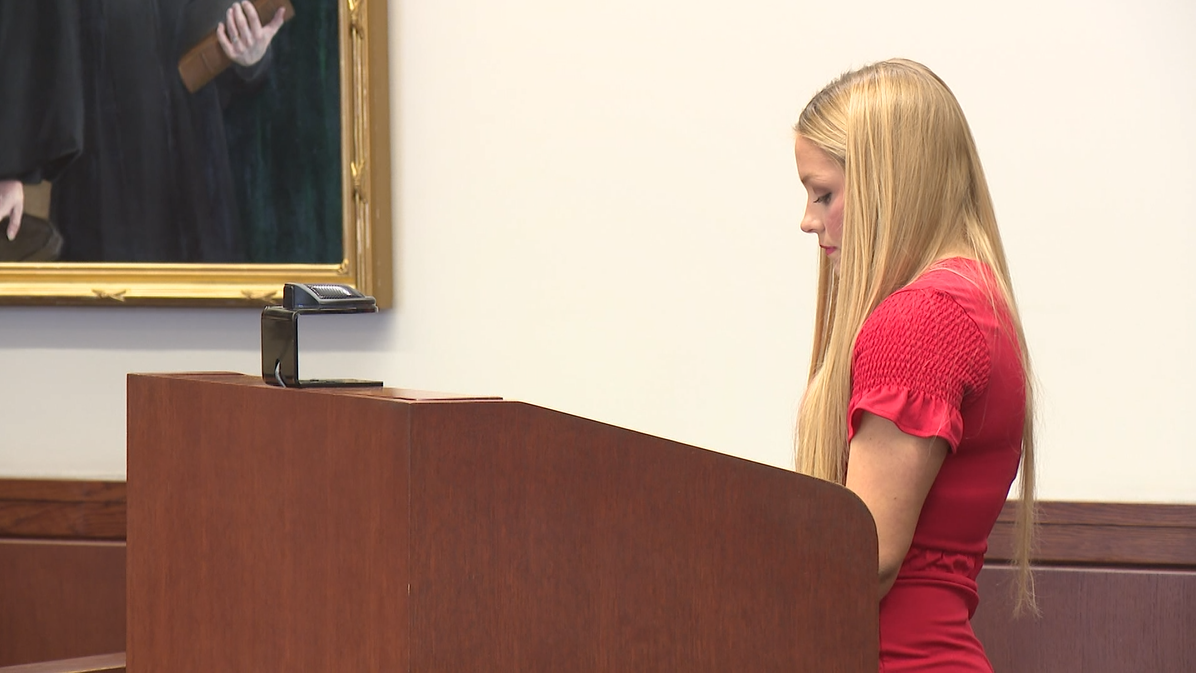
She pleaded not guilty to the original charges on September 2, 2025. At her preliminary hearing on September 26, Snelling waived presentation to the grand jury, allowing the case to proceed directly. Months of evidence gathering followed: subpoenas to the University of Kentucky Medical Center for records, analysis of medical interviews conducted while Snelling was hospitalized post-incident, and forensic reviews of the scene and autopsy. In one hospital-bed interview with detectives, she reportedly described hearing a “whimper” from the baby before wrapping him and placing him in the closet—an allegation that fueled speculation about whether the infant was still viable when concealed.
The grand jury’s decision on March 10, 2026, elevated the stakes dramatically. First-degree manslaughter in Kentucky typically involves reckless conduct creating a grave risk of death, carrying a potential sentence of 10 to 20 years. Combined with the original charges, Snelling now faces a cascade of serious felonies that could reshape her future permanently. As of the latest reports, she remains on house arrest in Tennessee pending trial.
The University of Kentucky distanced itself quickly. A spokesperson confirmed Snelling was no longer a student or STUNT team member following her arrest. The team’s roster, once featuring her as an athlete known for athleticism and school spirit, erased her name amid the scandal. STUNT, a growing collegiate sport emphasizing precision and performance, had represented opportunity and achievement for Snelling—now overshadowed by tragedy.
Public reaction has been intense and polarized. Social media erupted with disbelief: How could a vibrant college cheerleader hide a pregnancy through months of classes, practices, and public appearances? Others expressed profound sympathy for the infant, whose brief life ended in such isolation. Comments on news posts ranged from calls for harsh punishment—”Justice for that baby”—to questions about mental health support for young women facing unplanned pregnancies. Some pointed to adoption as an alternative, lamenting missed chances to save the child.
The case exposes uncomfortable truths about concealed pregnancies, a phenomenon more common than many realize. Experts note that denial, shame, fear of judgment, or lack of support can lead women to hide pregnancies even to full term. In Snelling’s situation, her status as a student-athlete may have amplified pressures to maintain appearances. No evidence suggests abuse or coercion in her background, leaving the “why” hauntingly unanswered.

Investigators continue building the case. Prosecutors from the Fayette County Commonwealth’s Attorney’s office have remained measured in public comments, focusing on the evidence rather than speculation. The addition of manslaughter signals confidence that the prosecution can prove recklessness or indifference contributed to the death. Defense strategies may center on challenging intent, arguing the birth was accidental and overwhelming, or questioning the asphyxia determination given its “undetermined means” phrasing.
For the community, the story lingers as a grim reminder of hidden struggles beneath polished exteriors. Lexington, home to the University of Kentucky’s sprawling campus, buzzes with youthful energy—football games, cheer routines, late-night studies—yet this incident pierced that facade. Neighbors near the Park Avenue residence grapple with knowing a newborn died steps away, while university officials likely review support systems for student-athletes facing personal crises.
Snelling’s journey from cheerleader to defendant underscores life’s fragility and the consequences of split-second decisions. The baby, unnamed in public records, had no chance to cry out beyond that alleged whimper. His short existence ended in darkness, wrapped and hidden, while his mother faces years behind bars if convicted.
As the trial approaches, questions multiply: What drove the concealment? Could intervention have changed the outcome? Will justice bring closure, or only more pain? The Fayette County courtroom will soon hold answers, but the tragedy of a life extinguished so soon remains irreversible.
In the quiet aftermath, one image endures: a black trash bag in a closet, holding secrets too heavy for one young woman to bear alone. The indictment marks a turning point, but the sorrow it represents will echo far beyond any verdict.
News
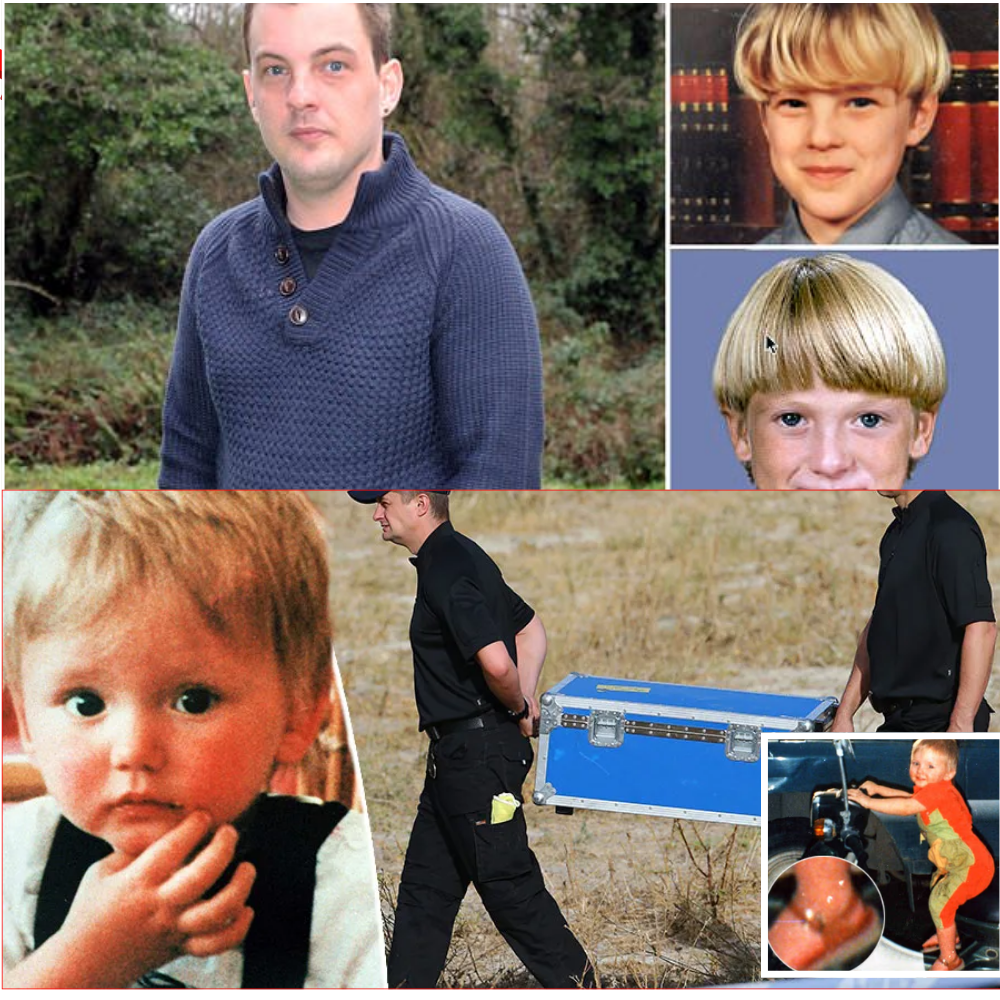
😢 “She’s Waited 35 Years… Now One DNA Test Could Bring Her Baby Home – Or Break Her Again” 🩸 New Photos & Adoption Mystery Explode Online
Ben Needham Latest Update: New Photos and DNA Test Spark Fresh Hope in One of the Longest Toddler Missing Mysteries; What We Know So Far The disappearance of Ben Needham remains one of Britain’s most enduring and heartbreaking unsolved cases. In July 1991, the 21-month-old toddler vanished without a trace from a family farm on […]

Shocking Footage Emerges: Ex-TOWIE Jordan Wright Desperately Sprinting, Clutching Truck in Fear – Hours Later His Body Lies in Thailand’s Murky Drain
The paradise of Phuket’s Bangtao Beach area, with its luxury resorts, infinity pools overlooking the Andaman Sea, and vibrant nightlife, turned sinister in the early hours of March 13, 2026. Grainy black-and-white CCTV footage, now haunting viewers worldwide, captures the final documented moments of 33-year-old Jordan Wright—a former star of The Only Way Is Essex […]

Heartbreaking & Suspicious 😱 Jessi Pierce & 3 Adorable Kids Die in Minnesota House Fire – Husband Miraculously Away…
The early morning silence in White Bear Lake, Minnesota, was brutally shattered on March 21, 2026, when a ferocious blaze erupted from the modest single-family home on the 2100 block of Richard Avenue. Around 5:25 a.m., neighbors were jolted awake by the roar of flames and the thick, choking smoke that poured into the frigid […]

“UMBRELLA” BUT MAKE IT SOUL-CRUSHING! 😍 Braden Rumfelt delivers the most emotional Idol performance ever… from whisper to chills in seconds! Who’s replaying? 🔁💥
“HE DIDN’T JUST SING… HE MADE EVERYONE FEEL IT.” When Braden Rumfelt stepped onto the American Idol stage, no one expected the kind of moment that followed. Covering a hit by Rihanna, he delivered a smooth, emotional performance that instantly shifted the energy in the room. From the first note, it felt different. His voice […]

THE HIDDEN SIDE OF AMERICAN IDOL NO ONE SEES! 😢 Missouri mom Hannah Harper opens up about guilt, exhaustion & rising pressure in Top 14 👶🎤 Who’s Team Hannah?
Missouri native Hannah Harper is opening up about the reality behind her American Idol journey, admitting the challenge of balancing life as a stay-at-home mom while stepping into the spotlight. As she competes for America’s vote in the Top 14, the pressure is only growing. Behind the scenes, Hannah revealed the demanding schedule, emotional weight, […]

19 YEARS LATER… REBA CAST REUNITED & IT FEELS LIKE NO TIME PASSED! 🔥 Hugs, laughs, & epic prank call to JoAnna! This healed my 2000s heart 😍
After 19 Years… The Reba Family Is Finally Back Together. Time may pass, shows may end, but some bonds never fade. Nearly two decades after the beloved sitcom Reba left our screens, the cast reunited for the first time on the set of Happy’s Place. The moment they saw each other again, it felt like […]
End of content
No more pages to load