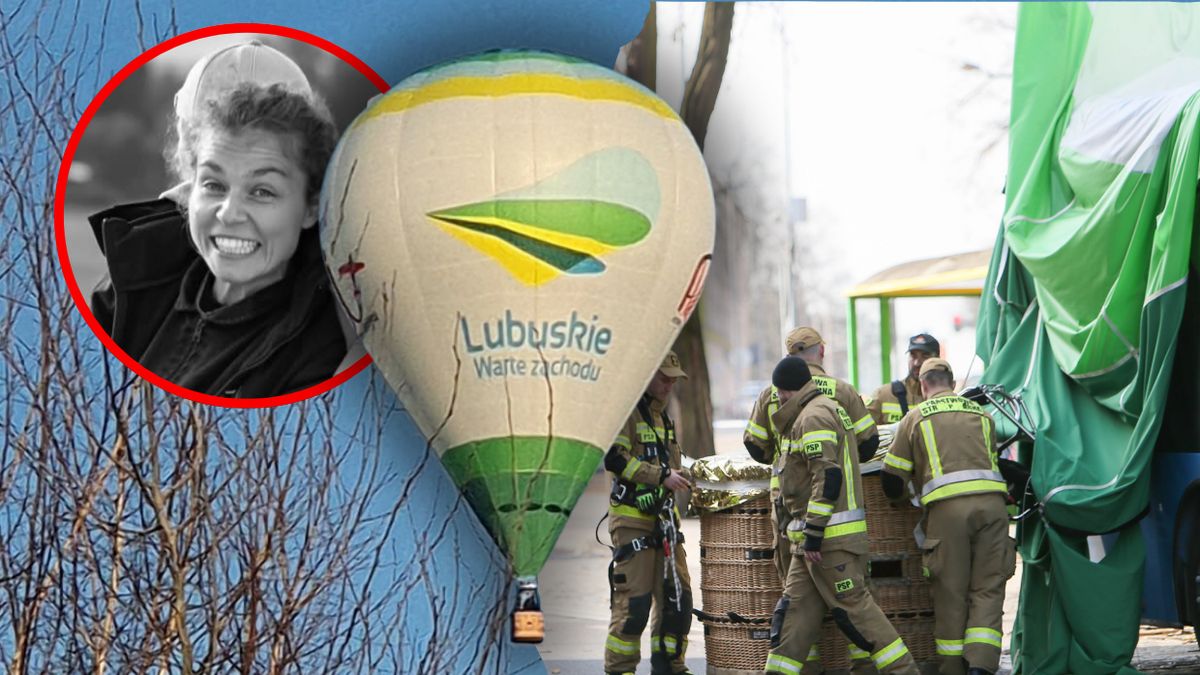
Tragedy in the Skies: Champion Pilot Jagoda Gancarek’s Fatal Plunge After Hot Air Balloon Smashes Into Polish Building
The serene morning sky over Zielona Góra, a charming western Polish city framed by lush forests and historic charm, suddenly turned deadly on March 9, 2026. What should have been a peaceful, exhilarating flight in a colorful hot air balloon became a scene of unimaginable horror. A Czech-made balloon, after soaring for roughly an hour and a half under the command of experienced pilot Jagoda Gancarek, veered dangerously low over residential blocks. It struck the side of an apartment building near Chrobrego Street in the city center, sending shockwaves through the neighborhood. In the violent collision, 28-year-old Gancarek was hurled from the wicker basket, plummeting onto the rooftop below. Despite desperate resuscitation attempts by paramedics arriving by helicopter, she could not be saved. The two other women aboard clung desperately to the basket as the balloon careened downward, eventually crash-landing on a street, where the envelope tore to shreds, tangled in tree branches, and draped grotesquely over a nearby bus. Miraculously, those two passengers stepped out with only minor injuries, stepping into a world forever altered by the loss of their companion.
Jagoda Gancarek was no ordinary aviator. At just 28, she had already etched her name into Polish ballooning history as a champion and inspirational figure. Crowned the Polish Women’s Champion at the 11th Women’s Ballooning Championships in Nałęczów the previous year, she combined elite competitive skill with a deep passion for teaching. As an instructor at the Lubusz Land Aeroclub (Lubuskie Region Aero Club), she guided countless students through the nuances of flight, sharing her love for the quiet majesty of drifting above the world. Colleagues and friends remember her as warm, always smiling, and utterly devoted to the skies. In her own words, captured in reflections shared by those close to her: “You’re left alone with your thoughts. It’s an incredible feeling. The adrenaline is there, of course, but above all, you just focus on getting things done.” That focus had propelled her to national acclaim, making her a role model in a niche sport where women remain underrepresented yet increasingly dominant in skill and determination.

The Lubusz Land Aeroclub, where Gancarek spent much of her professional life, issued a touching tribute amid the grief. “We will remember Jagoda as a warm and always smiling person, full of passion and a love for flying,” the club stated, encapsulating the void left by her sudden absence. The balloon had taken off around 6 a.m. from the Zatonie district on what appeared to be a routine training or passenger flight. By approximately 8 a.m., as it floated over the bustling city center, something went catastrophically wrong. Witnesses described the balloon flying perilously close to rooftops before the impact—a sickening thud that reverberated through apartment blocks. The envelope ripped apart on contact, the basket jolted violently, and Gancarek was ejected in the chaos. She landed on the roof of one of the buildings, her body discovered there by first responders who fought in vain to revive her.
Local police deputy inspector Małgorzata Stanisławska provided the stark official confirmation: “As a result of the accident, a 28-year-old woman died after falling from the basket onto the roof of one of the buildings. Unfortunately, despite resuscitation efforts, she could not be saved.” The scene on Krzywoustego Street (or nearby Chrobrego, as varying reports indicate the precise spot) became a grim tableau: the deflated balloon fabric hanging limply from trees and entangled with a public bus, emergency vehicles flashing, and a cordoned-off area where firefighters, police, and medical teams worked urgently. The two surviving women were taken to hospital for checks but escaped serious harm—a narrow escape that only heightened the tragedy’s sting.
Investigations launched immediately by Polish police and the State Commission for Aircraft Accident Investigation promise to uncover the root cause. Was it a sudden gust of wind pushing the balloon off course? A failure in the propane burners that control altitude? Pilot misjudgment in an unpredictable thermal layer? Or perhaps an issue with the Czech-manufactured equipment itself? Hot air ballooning relies on precise management of heated air and ambient conditions; even minor deviations can lead to disaster when flying low over urban areas. The commission will examine flight logs, weather data from that morning (mild but potentially variable in early March), wreckage analysis, and witness statements to piece together the sequence of events.

Gancarek’s death reverberates far beyond Zielona Góra. In the ballooning community, she represented the best of what the sport offers: skill honed through dedication, joy in mastery over the elements, and the quiet thrill of silent flight. Her victory in the women’s national championships was not just personal triumph but proof that women could lead in a field often seen as male-dominated. Students she instructed speak of her patience and enthusiasm, how she made complex concepts feel accessible and exciting. One can imagine her pre-flight briefings—calm voice explaining wind patterns, burner techniques, and the importance of situational awareness—now forever silenced.
The broader history of hot air ballooning is laced with both wonder and peril. From the Montgolfier brothers’ pioneering ascent in 1783 to today’s vibrant festivals, the activity captivates with its gentle beauty. Yet accidents remind us of its unforgiving nature. High-profile disasters—like the 2013 Luxor fire that killed 19 or various power-line entanglements—have prompted safety reviews worldwide. In Europe, regulations require pilot certification, regular inspections, and weather monitoring, but urban flights carry added risks: buildings, wires, and unpredictable micro-winds. This incident in a city center underscores those dangers; balloons are not designed for close-quarters navigation over populated areas.
For the survivors, the psychological impact may prove lasting. Clinging to the basket as the world tilted violently, watching their pilot vanish over the edge—the memory will haunt. Minor physical injuries pale against the trauma of witnessing a colleague’s fatal fall. Support networks within the aeroclub and aviation circles will be crucial in the coming weeks and months.
Zielona Góra itself, a city proud of its green spaces, wine heritage, and peaceful vibe, now bears the scar of this event. Residents awoke to sirens and chaos on what began as an ordinary Monday. Photos circulating online show the torn balloon fabric like a fallen flag, the basket abandoned on asphalt, and emergency crews swarming. The images capture raw disbelief: how could something so graceful turn so deadly in seconds?
As tributes flood social media—hashtags honoring her legacy, photos of Gancarek beaming in flight gear against endless horizons—the aviation world mourns a bright star extinguished too soon. Her funeral will draw pilots, students, friends, and family, perhaps with a symbolic release of balloons into the sky she loved. In quiet moments, many will reflect on her quote about solitude and focus, wondering what final thoughts crossed her mind in those terrifying instants.
This crash forces difficult conversations about safety in adventure aviation. Should urban overflights face stricter altitude minimums? Are additional restraints or harnesses needed in baskets? Could real-time telemetry or advanced forecasting prevent such veers? The answers, when they come from the official report, could save lives in the future.
For now, the skies over Poland feel emptier. Jagoda Gancarek lived boldly, flew passionately, and inspired deeply. Her story ends in tragedy, but her spirit—soaring, smiling, focused—lingers as a reminder of why humans reach for the heavens: for freedom, for challenge, for moments of pure, breathtaking wonder. In losing her, the community loses not just a champion, but a beacon of what dedication to the air can achieve.
Yet amid sorrow comes resolve. Fellow pilots will check equipment more rigorously, teach with renewed caution, and fly in her memory—higher, safer, forever grateful for the path she illuminated.
News
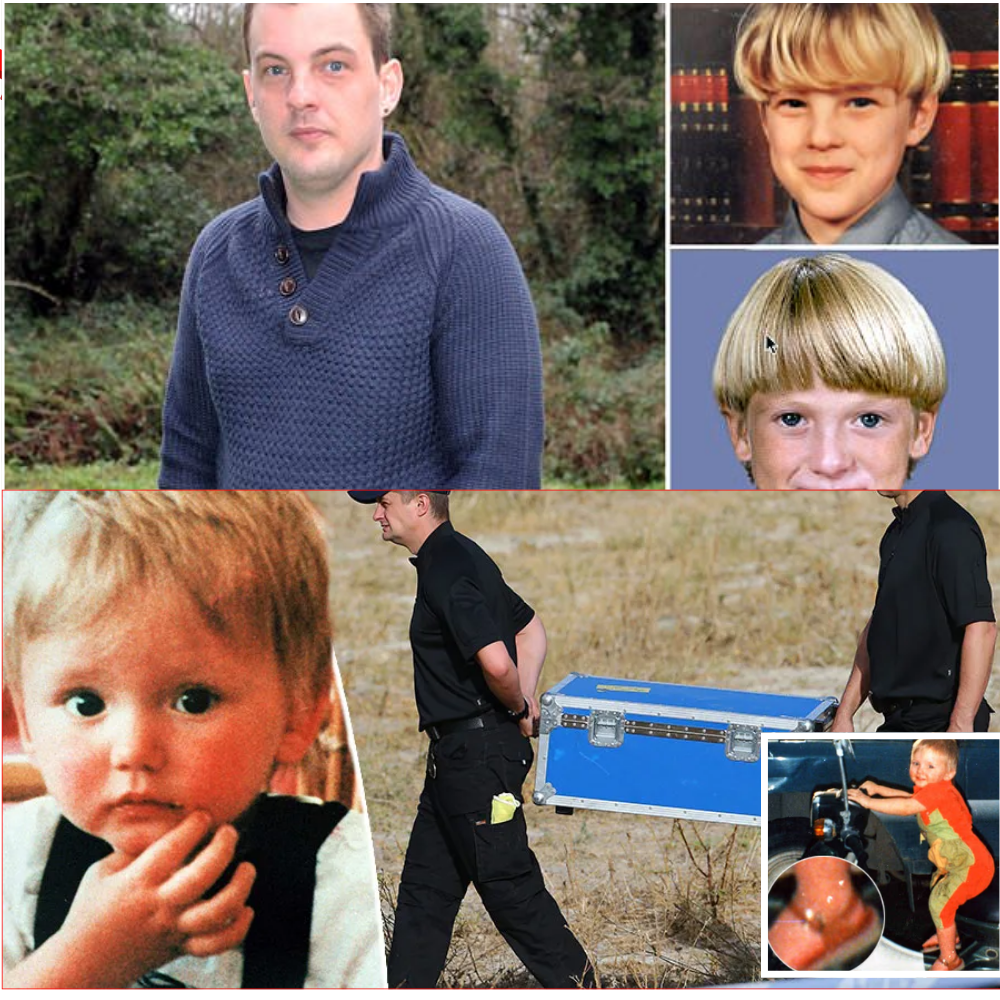
😢 “She’s Waited 35 Years… Now One DNA Test Could Bring Her Baby Home – Or Break Her Again” 🩸 New Photos & Adoption Mystery Explode Online
Ben Needham Latest Update: New Photos and DNA Test Spark Fresh Hope in One of the Longest Toddler Missing Mysteries; What We Know So Far The disappearance of Ben Needham remains one of Britain’s most enduring and heartbreaking unsolved cases. In July 1991, the 21-month-old toddler vanished without a trace from a family farm on […]
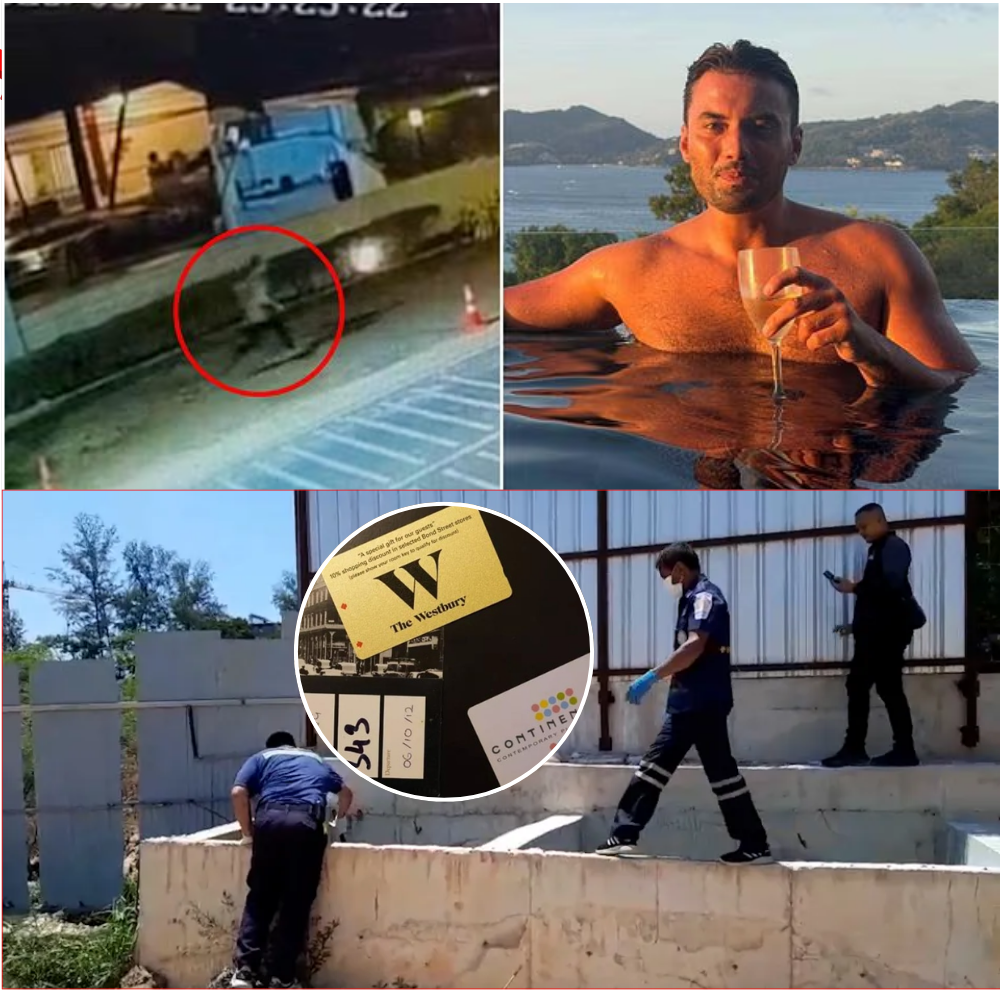
Shocking Footage Emerges: Ex-TOWIE Jordan Wright Desperately Sprinting, Clutching Truck in Fear – Hours Later His Body Lies in Thailand’s Murky Drain
The paradise of Phuket’s Bangtao Beach area, with its luxury resorts, infinity pools overlooking the Andaman Sea, and vibrant nightlife, turned sinister in the early hours of March 13, 2026. Grainy black-and-white CCTV footage, now haunting viewers worldwide, captures the final documented moments of 33-year-old Jordan Wright—a former star of The Only Way Is Essex […]

Heartbreaking & Suspicious 😱 Jessi Pierce & 3 Adorable Kids Die in Minnesota House Fire – Husband Miraculously Away…
The early morning silence in White Bear Lake, Minnesota, was brutally shattered on March 21, 2026, when a ferocious blaze erupted from the modest single-family home on the 2100 block of Richard Avenue. Around 5:25 a.m., neighbors were jolted awake by the roar of flames and the thick, choking smoke that poured into the frigid […]

“UMBRELLA” BUT MAKE IT SOUL-CRUSHING! 😍 Braden Rumfelt delivers the most emotional Idol performance ever… from whisper to chills in seconds! Who’s replaying? 🔁💥
“HE DIDN’T JUST SING… HE MADE EVERYONE FEEL IT.” When Braden Rumfelt stepped onto the American Idol stage, no one expected the kind of moment that followed. Covering a hit by Rihanna, he delivered a smooth, emotional performance that instantly shifted the energy in the room. From the first note, it felt different. His voice […]

THE HIDDEN SIDE OF AMERICAN IDOL NO ONE SEES! 😢 Missouri mom Hannah Harper opens up about guilt, exhaustion & rising pressure in Top 14 👶🎤 Who’s Team Hannah?
Missouri native Hannah Harper is opening up about the reality behind her American Idol journey, admitting the challenge of balancing life as a stay-at-home mom while stepping into the spotlight. As she competes for America’s vote in the Top 14, the pressure is only growing. Behind the scenes, Hannah revealed the demanding schedule, emotional weight, […]

19 YEARS LATER… REBA CAST REUNITED & IT FEELS LIKE NO TIME PASSED! 🔥 Hugs, laughs, & epic prank call to JoAnna! This healed my 2000s heart 😍
After 19 Years… The Reba Family Is Finally Back Together. Time may pass, shows may end, but some bonds never fade. Nearly two decades after the beloved sitcom Reba left our screens, the cast reunited for the first time on the set of Happy’s Place. The moment they saw each other again, it felt like […]
End of content
No more pages to load