A profound loss has rippled through the heart of American country music with the passing of Billy Parker, the beloved radio pioneer, singer, and disc jockey whose warm voice and innovative spirit defined an era of broadcasting and performance. The 88-year-old legend died on January 19, 2026, in Tulsa, Oklahoma, where he had built his enduring legacy at KVOO radio. News of his death, announced by the station and quickly spreading across social media and music outlets, has left fans, colleagues, and fellow artists mourning a man who not only played the hits but helped shape how country music reached millions—especially the long-haul truckers who relied on his late-night companionship for decades. Parker’s life story reads like a classic country ballad: humble beginnings in rural Oklahoma, teenage dreams on local airwaves, brushes with legends like Ernest Tubb and Red Foley, a string of charting singles, and a groundbreaking radio show that became a lifeline for America’s highways. Yet beyond the accolades—multiple Disc Jockey of the Year awards, inductions into prestigious halls of fame, and a heartfelt autobiography—lies the deeper truth of a compassionate soul whose on-air presence felt like family. As tributes pour in from listeners who grew up with his voice in their ears, the industry reflects on a giant whose influence extended far beyond chart positions or microphone time.
Born William “Billy” Parker on July 19, 1937, in Tuskegee, Oklahoma (some records list nearby Okemah), he grew up in the Dust Bowl aftermath, a time when radio offered escape and inspiration to families scraping by. Music was never far away; as a boy, Parker soaked in the sounds of the Grand Ole Opry crackling through the family set, dreaming of the day he might join those voices. By his early teens, that dream took tangible form. He began performing on local radio stations in McAlester, Oklahoma, his youthful enthusiasm and natural charisma catching ears quickly. At just 18, he landed regular spots singing and playing on KOTV, Channel 6, in Tulsa—a stepping stone that introduced him to the wider world of country entertainment.
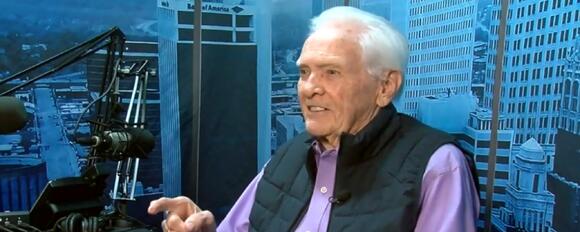
Those early years were formative. Parker crossed paths with Red Foley, one of the genre’s foundational figures, whose mentorship and friendship left an indelible mark. Foley, known for hits like “Chattanoogie Shoe Shine Boy” and his role in launching careers, saw potential in the young Oklahoman. That connection opened doors, but Parker’s big break came in 1968 when Ernest Tubb—the Texas Troubadour himself—tapped him to replace Cal Smith as frontman for the legendary Texas Troubadours. Tubb, a Grand Ole Opry staple and pioneer of honky-tonk, trusted Parker to lead the band on the road, a grueling but exhilarating chapter. During this period, Parker recorded several singles for Decca Records under the production guidance of Owen Bradley, the legendary architect behind Patsy Cline’s biggest hits. Tracks from those sessions showcased Parker’s smooth baritone and heartfelt delivery, blending traditional country with the evolving Nashville sound of the late 1960s.
Life on the road, however, took its toll. In 1971, Parker and his wife Jerri decided to step away from constant touring and return to Tulsa, the city that had always felt like home. There, he joined KVOO, the powerhouse station long dubbed the “Voice of Oklahoma” for its role in breaking country artists. What began as an on-air personality role soon evolved into something revolutionary. Recognizing the growing community of truck drivers crisscrossing America’s interstates—men and women who spent lonely nights behind the wheel—Parker created Billy Parker’s Big Rigger Show, one of the nation’s first dedicated all-night programs tailored specifically for truckers. Airing in the midnight-to-dawn hours, the show mixed classic country records, listener dedications, weather and road reports, and Parker’s easygoing banter that made isolated drivers feel less alone. “He was their friend on the CB radio waves,” one longtime listener recalled in online tributes. “You’d hear Billy say, ‘Breaker one-nine, this is Big Rigger Billy,’ and suddenly the night didn’t feel so empty.”
The program’s success was immediate and lasting. It earned Parker repeated honors as Disc Jockey of the Year from both the Country Music Association and the Academy of Country Music. In 1992, he received one of the highest accolades in his field: induction into the Country Music Disc Jockey Hall of Fame. Further recognition followed with inductions into the Western Swing Hall of Fame and a Lifetime Achievement Award from the Oklahoma Association of Broadcasters. Yet Parker never rested on those laurels. He continued recording, charting more than 20 singles on Billboard’s Hot Country Songs chart between the late 1960s and 1980s. Standouts included “Thanks a Lot,” “Lord, If I Make It to Heaven,” and his signature tune, “(Who’s Gonna Sing) The Last Country Song,” which peaked highest and later inspired the title of his 2021 autobiography. That book, published when Parker was 84, offered fans an intimate look at his journey—from small-town beginnings to national airwaves—filled with anecdotes about backstage moments with icons, the challenges of balancing family and fame, and his deep faith.
Faith was a cornerstone of Parker’s life and on-air persona. Stories shared by fans after his death paint a picture of quiet generosity. One listener recounted a hospital encounter where Parker, sharing a room with the fan’s grandfather before open-heart surgery, led the man in prayer and to a personal acceptance of Jesus. “Mr. Parker was a beautiful soul,” the fan wrote. “I’m so grateful for that moment.” Another memory came from a KVOO listeners’ appreciation picnic, where Parker sang “You Are My Sunshine” and the crowd joined in the chorus. “I tell people now that I and Billy Parker sang a song together,” the fan said with a laugh. “I just don’t tell them there were a bunch of others singing too!” These stories underscore what made Parker special: he treated every listener as an individual, never too busy for a kind word or a quick chat.
His marriage to Jerri anchored him through it all. The couple returned to Tulsa together in 1971, building a life that balanced his broadcasting career with family stability. While details of their private life remained low-key, Jerri was often mentioned in affectionate terms by Parker during interviews and on air. He retired from full-time duties at KVOO in 2015 after more than four decades, but his voice lingered in the memories of generations who tuned in.
Parker’s death on January 19, 2026, came after a period of declining health, though specifics were not immediately detailed. He passed in a Tulsa hospital, surrounded by loved ones. KVOO broke the news on social media: “We are saddened to announce the passing of a legend, Billy Parker. Billy was with KVOO from 1971 up until his retirement in 2015.” The post triggered an outpouring of grief and gratitude. Fans flooded comment sections with personal recollections, many noting his consistency: “In my 60 years of listening to radio, there is no DJ I have listened to more than him.” Others remembered childhood meetings where the “celebrity” took time to speak with a starstruck kid, forever etching him as their first brush with fame.
The country music community echoed these sentiments. While no major stars issued immediate public statements in the hours following the announcement, the ripple effect was clear in online forums and industry pages. Parker’s work bridged eras—from the post-war honky-tonk of Ernest Tubb to the trucker anthems of the 1970s and beyond—proving radio’s power to connect isolated lives. His Big Rigger Show predated satellite radio and streaming, yet its spirit lives on in modern formats that cater to night-shift workers and long-haul drivers.
In an industry often defined by flash and chart dominance, Billy Parker stood apart as a servant of the song and the listener. He wasn’t chasing superstardom; he was building community, one late-night dedication at a time. His legacy endures in the Hall of Fame plaques, the archived recordings, and most importantly, in the hearts of those who felt less alone because of his voice on the dial. As Oklahoma and the wider country world say goodbye, the question from his signature song lingers poignantly: Who’s gonna sing the last country song? For many, it feels like part of that tradition has gone quiet forever.
Yet the melody continues. Younger broadcasters cite Parker as an influence, truckers still share stories of his show keeping them awake and alert, and fans preserve his music and memories online. Billy Parker may have left the airwaves, but the warmth he broadcast for over half a century refuses to fade. In the end, his greatest hit wasn’t on any chart—it was the connection he forged with everyday people who tuned in, turned up the volume, and felt a little less lonely on the long road home.
News
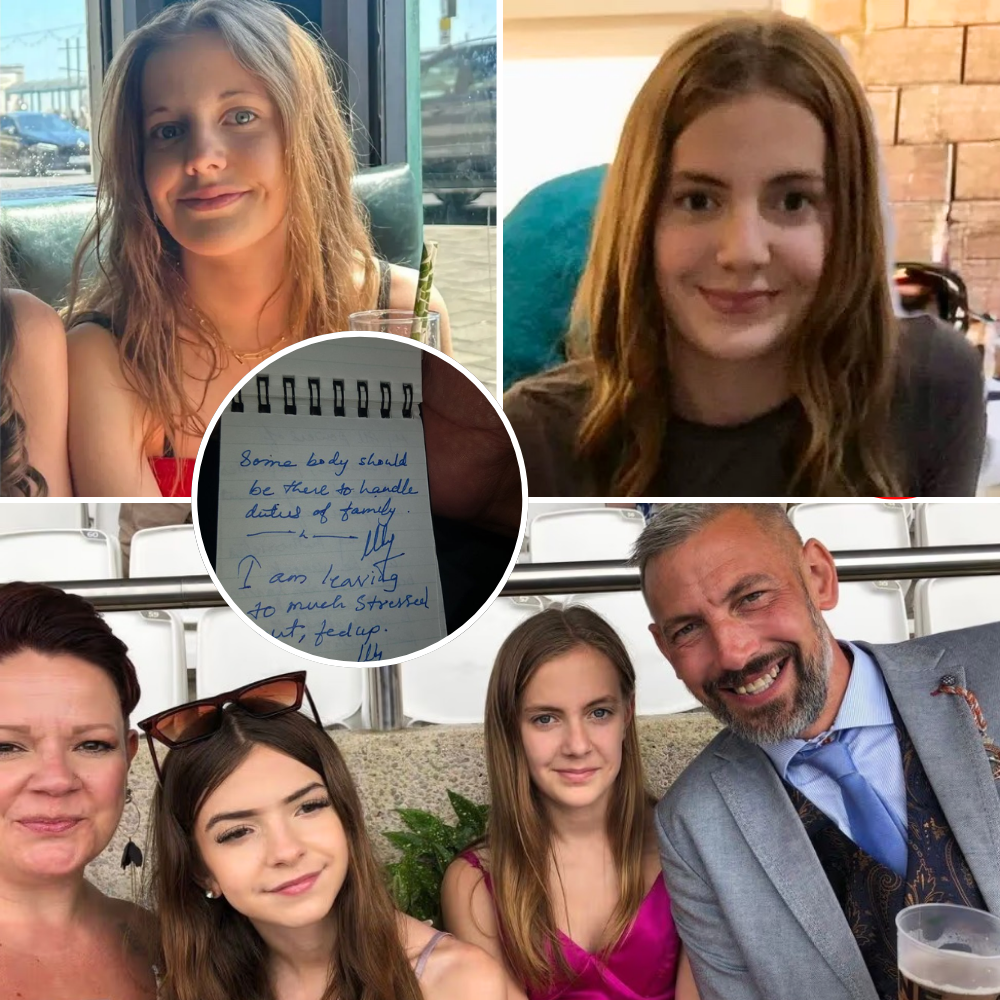
Mum Went to Wake Her 12-Year-Old for School… Instead Found Amelia Dead After Relentless Snapchat Torment 😭 Last Night She Was Happy & Laughing – The Devastating Details Inside
A cheerful 12-year-old girl with a smile that warmed every room spent her final evening wrapped in the simple joys of family life, laughing freely while sharing fish and chips at her grandparents’ house. No one could have predicted that the next morning would bring the kind of silence no parent should ever endure. On […]

👀 American Idol Judges Stunned by Braden Rumfelt’s Voice After Two Major Surgeries Destroyed His Baseball Career — His Comeback Story Is Unbelievable! 😱
The spotlights in the American Idol audition room pulsed with that familiar electric hum as 22-year-old Braden Rumfelt stepped forward, guitar slung over his shoulder, his twin brother Kellen right beside him with fingers poised on the strings. Murphy, North Carolina, felt a world away in that moment—the small-town life of substitute teaching, quiet family […]

😲 She Wrote “String Cheese” While Battling Postpartum Depression… Now Hannah Harper Is Stealing American Idol! Her Incredible Journey Will Inspire You ❤️
The Hawaiian stage lights bathed the Aulani Resort in a golden glow as 25-year-old Hannah Harper, a stay-at-home mom from the tiny town of Bunker, Missouri, gripped the microphone with the same quiet determination she once used to wrangle three rambunctious boys through a long day of laundry and snacks. Her homemade patchwork dress shimmered […]

😱 American Idol Top 20 Poll SHOCK: Hannah Harper & Keyla Richardson Dominate… But Who’s Going HOME Next? 😭 Who’s in Danger?
Hawaii’s sun-drenched shores at Disney’s Aulani Resort became the unlikely battlefield where American Idol Season 24’s Top 20 delivered heart-stopping performances that have left fans divided, judges stunned, and Gold Derby readers casting their clearest verdict yet on who might not survive America’s vote. With the first live results episode looming on March 30, the […]
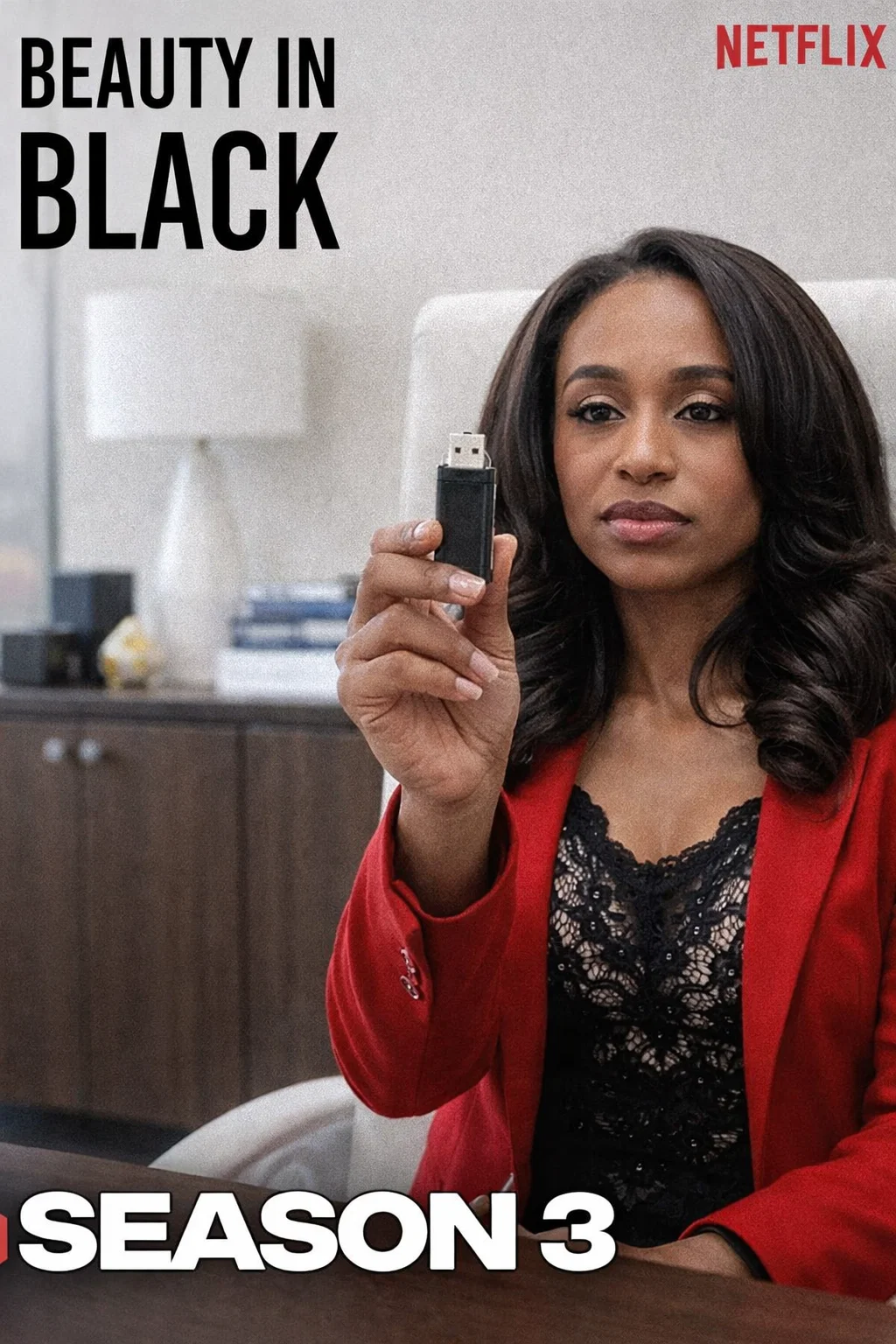
😱💔 Kimmie Standing On The Rooftop With That USB Drive Has Fans Terrified — Is She About To Destroy The Entire Bellarie Empire? 👀
The first explosive trailer for Beauty in Black Season 2 Part 2 is here — and everything shifts fast. The new footage shows Kimmie stepping fully into her power with zero hesitation, but one bold move has fans in total shock. Is she protecting herself… or setting something much bigger in motion? The stakes feel […]

💥 “Is The Baby Okay?” — Virgin River Season 7 Finale Left One Devastating Clue About Mel & Jack’s Child That Changes Everything 😭
Netflix just dropped the news everyone has been waiting for: Virgin River is officially returning for Season 7 — and fans are already bracing for another emotional chapter. The release date and exact drop time are now confirmed, meaning the next wave of romance, heartbreak, and small-town secrets is closer than expected. But one storyline […]
End of content
No more pages to load