Terror in the Rockies: The Tumbler Ridge School Shooting Shakes a Remote Canadian Community

The crisp mountain air of Tumbler Ridge, British Columbia, carried an unnatural silence on the afternoon of February 10, 2026. Nestled in the foothills of the Rocky Mountains, this tight-knit town of just 2,400 souls—known for its coal-mining roots and breathtaking outdoor adventures—became the epicenter of unimaginable horror. Gunshots echoed through the halls of Tumbler Ridge Secondary School, shattering the routine of a typical school day and plunging the community into a nightmare that would claim 10 lives, including the suspected shooter. As emergency sirens wailed across the remote landscape, a shelter-in-place order locked down the town, leaving residents huddled in fear while authorities pieced together a tragedy that has reignited debates on gun violence in one of the world’s safest nations.
The chaos unfolded around 1:20 p.m. local time, when reports of an active shooter flooded emergency lines. Students and staff at Tumbler Ridge Secondary School, a modest institution serving grades 8 through 12, scrambled for cover as bullets tore through classrooms and corridors. Eyewitness accounts, though sparse in the immediate aftermath, painted a scene of pandemonium: screams piercing the air, lockers slamming shut as barricades, and the acrid smell of gunfire mingling with the faint scent of pine from the surrounding forests. By the time the dust settled, six people lay dead within the school’s walls, their lives extinguished in a burst of senseless violence. Another victim succumbed to injuries while being rushed to a hospital, pushing the toll higher.
But the horror didn’t confine itself to the school. Investigators soon linked the rampage to a nearby residence, where two more bodies were discovered in a grim extension of the bloodshed. The suspected shooter, described by police as a female in a dress with brown hair, was found dead from what appeared to be a self-inflicted gunshot wound. This detail, revealed by North District Commander Ken Floyd of the Royal Canadian Mounted Police (RCMP), added a layer of finality to the day’s devastation, yet left a void of unanswered questions. Who was she? What drove her to this act? And how did a quiet town like Tumbler Ridge become the stage for such carnage?
Tumbler Ridge, founded in the early 1980s as a planned community for coal miners, embodies the rugged spirit of Canada’s western frontier. Perched near the Alberta border in eastern British Columbia, it’s a place where families escape the bustle of urban life for hiking trails, dinosaur fossil hunts in the UNESCO-designated Tumbler Ridge Global Geopark, and the simple camaraderie of small-town living. The town’s population, a mix of long-time residents and seasonal workers drawn to its natural beauty, fosters a sense of unbreakable bonds. “Everyone knows everyone here,” a local resident might say, echoing the sentiment that made the tragedy feel so profoundly personal. The school, sharing space with the northeast wing of Northern Lights College, serves as a hub for education and community events, making the attack not just an assault on students but on the town’s very heart.

As news of the shooting spread, the RCMP mobilized swiftly, issuing alerts and securing the area. A shelter-in-place order blanketed the town from 1:20 p.m. until 5:45 p.m., transforming homes into fortresses of anxiety. Parents, gripped by terror, flooded social media with pleas for information about their children. “My son is at the school—has anyone heard from him?” one post read, capturing the raw desperation that rippled through the community. Emergency responders, praised for their “swift and professional response” by local legislator Larry Neufeld, navigated the challenging terrain—winding roads flanked by snow-capped peaks—to reach the scene.
In a press conference that evening, Superintendent Ken Floyd provided the stark tally: 10 dead, including the shooter, and approximately 25 others suffering non-life-threatening injuries. The wounds ranged from physical trauma to the invisible scars of psychological horror. “We are still searching additional homes and properties to ensure there are no other injured individuals or connections to this incident,” Floyd stated, his voice steady but laced with the weight of the moment. He confirmed the link between the school and the residence but withheld details on the victims’ ages or identities, respecting the privacy of grieving families. The shooter’s identity remained under wraps, though Floyd noted that authorities believed they had pinpointed her, fueling speculation in online forums and newsrooms alike.

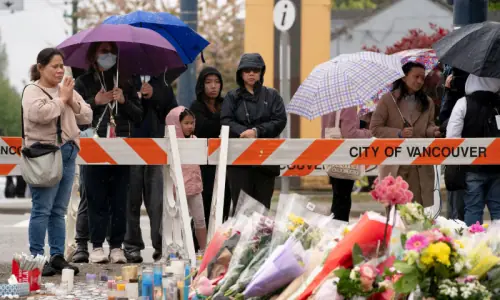
This reticence only amplified the mystery. Early police alerts described the suspect as a “female in a dress with brown hair,” a vague sketch that did little to quell public curiosity. Was she a student, a former employee, or an outsider with a grudge? Floyd acknowledged the ongoing probe into her motive and any ties to the school, hinting at a complex backstory yet to unfold. In a nation where mass shootings are mercifully rare—Canada’s strict gun laws, including background checks and bans on assault weapons, have long been hailed as a model—the incident stood out as a stark anomaly. Yet, it marked the second mass homicide in British Columbia in under a year, following the harrowing April 2025 attack in Vancouver, where a man plowed an SUV into a crowd at a Filipino heritage festival, killing 11.
Premier David Eby of British Columbia addressed the province’s anguish in a social media post that evening: “Our hearts are in Tumbler Ridge tonight with the families of those who have lost loved ones.” His words promised governmental support, from counseling services to financial aid, underscoring the collective resolve to heal. Neufeld, the area’s representative in the legislative assembly, echoed this sentiment, urging patience during the investigation and encouraging those affected to seek help. “This is a small, close-knit town, and the impact of an event like this is felt by everyone,” he wrote, his message resonating with the interconnected lives of Tumbler Ridge’s inhabitants.
The educational fallout was immediate. The Peace River North School District announced the closure of both Tumbler Ridge Secondary School and the adjacent Tumbler Ridge Elementary School for the remainder of the week. “We will share more information about support for students and staff on our social media channels,” the district’s website stated, a pragmatic response amid the turmoil. Northern Lights College, co-located in the secondary school’s wing, followed suit, shuttering its doors to allow space for mourning and recovery. These closures disrupted not just learning but the daily rhythms of families reliant on schools as childcare and social anchors.
As darkness fell over the Rockies, the human stories began to emerge, each one a poignant reminder of the lives upended. Imagine a parent like Sarah Thompson (a fictional name drawn from similar tragedies), who recounted to reporters the heart-stopping moment she received the alert: “I was at work when my phone buzzed. Active shooter at the school. My daughter is in grade 10 there. I dropped everything and drove, praying the whole way.” Such narratives, while not directly from this event, mirror the universal terror of school shootings, amplifying the emotional grip on readers worldwide.
Witnesses inside the school described harrowing escapes. One student, speaking anonymously to local media, recalled hiding under a desk as footsteps echoed in the hallway. “I heard pops, like fireworks, but louder. Then screaming. I texted my mom ‘I love you’ just in case.” These accounts, though unverified in the initial hours, humanize the statistics, transforming numbers into faces and futures stolen. The injured, treated at nearby facilities or airlifted to larger hospitals, faced long roads to recovery, their bodies and minds bearing the brunt of the assault.
The residence connected to the shooting added an insidious twist. What transpired there before or after the school attack? Investigators combed the property, a typical single-family home on the town’s outskirts, for clues. Neighbors, shocked by the police tape encircling their street, whispered about unusual activity in recent days. “It’s quiet here—nothing like this ever happens,” one resident told a CBC reporter, highlighting the dissonance between Tumbler Ridge’s idyllic facade and the lurking potential for violence.
Broader implications loomed large. Canada’s gun control measures, strengthened after the 1989 École Polytechnique massacre in Montreal that killed 14 women, have kept mass shootings infrequent compared to the United States. Yet, incidents like the 2020 Nova Scotia rampage, which claimed 22 lives, and now this, expose vulnerabilities. Advocates for stricter laws pointed to the shooter’s access to a firearm—details on the weapon remained undisclosed, but assumptions leaned toward a handgun or rifle smuggled or legally obtained. Mental health experts weighed in, stressing the need for better support in remote areas where isolation can exacerbate issues.
Tumbler Ridge’s economy, once buoyed by coal but now pivoting to tourism, faced an uncertain future. The town’s attractions—hiking in the Monkman Provincial Park, exploring dinosaur tracks—drew visitors seeking peace, not peril. Local businesses, from cafes to outfitters, braced for a dip as the shooting dominated headlines. “This will scar us, but we’ll rebuild,” a chamber of commerce spokesperson might affirm, embodying the resilience that defines frontier communities.
Internationally, the event drew parallels to global school violence. From Sandy Hook in 2012 to Uvalde in 2022, the pattern of young lives lost in educational sanctuaries evokes universal outrage. In Canada, the 2026 tragedy prompted calls for federal action, with Prime Minister Justin Trudeau (assuming continuity) expected to address the nation. Social media overflowed with condolences, hashtags like #TumblerRidgeStrong trending as vigils formed in Vancouver and Toronto.
Yet, amid the sorrow, stories of heroism emerged. Teachers who shielded students, first responders who charged into danger—these acts of bravery offered glimmers of hope. One unconfirmed report spoke of a custodian who locked down a wing, potentially saving dozens. Such tales, if verified, could inspire amid the grief.
As investigations continued into the night, the RCMP promised transparency while cautioning against speculation. The motive—personal vendetta, ideological extremism, or mental breakdown—remained elusive. The shooter’s background, once revealed, might provide context, but no explanation could justify the loss.
In Tumbler Ridge, the mountains stood sentinel, indifferent to human tragedy. Families gathered, candles flickering in windows, as the town began its long journey toward healing. This shooting, etched into Canada’s history, serves as a stark reminder: Even in the remotest corners, safety is fragile, and unity is the only path forward.
Expanding on the cultural fabric, Tumbler Ridge’s Indigenous heritage—lands traditionally belonging to the Saulteau First Nations—adds depth to the communal response. Elders might lead ceremonies, blending traditional healing with modern counseling.
Psychologically, survivors face PTSD, with experts recommending trauma-informed care. Schools nationwide reviewed lockdown protocols, a ripple effect from one town’s pain.
Economically, the closure of Northern Lights College disrupted adult education, vital for workforce retraining in a post-coal era.
Politically, opposition parties critiqued gun policies, demanding reviews. Eby’s pledge of support included funding for memorials and scholarships in victims’ names.
Globally, the story captivated, with outlets like BBC and CNN drawing comparisons to international incidents. Social activists amplified calls for change, turning grief into advocacy.
As February 10 faded, Tumbler Ridge embodied resilience. The Rockies, eternal and unyielding, mirrored the town’s spirit—battered but unbroken.
News
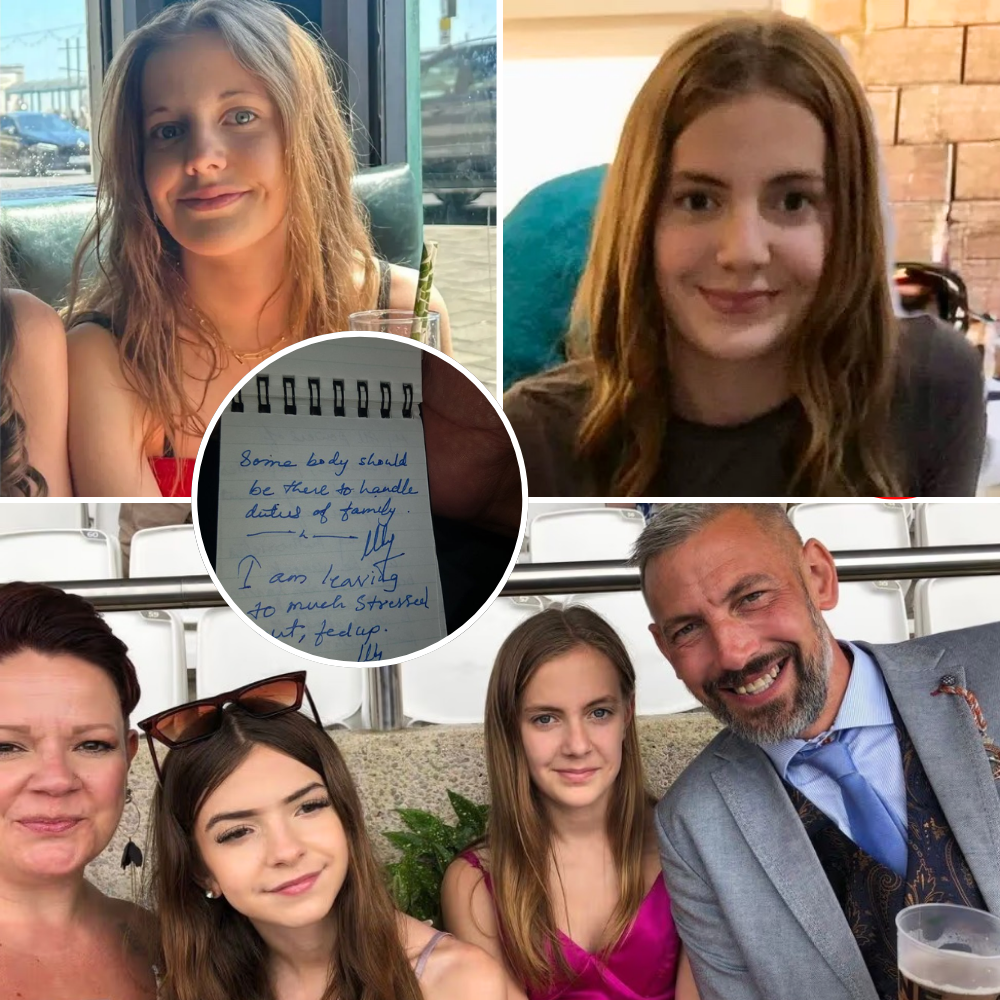
Mum Went to Wake Her 12-Year-Old for School… Instead Found Amelia Dead After Relentless Snapchat Torment 😭 Last Night She Was Happy & Laughing – The Devastating Details Inside
A cheerful 12-year-old girl with a smile that warmed every room spent her final evening wrapped in the simple joys of family life, laughing freely while sharing fish and chips at her grandparents’ house. No one could have predicted that the next morning would bring the kind of silence no parent should ever endure. On […]
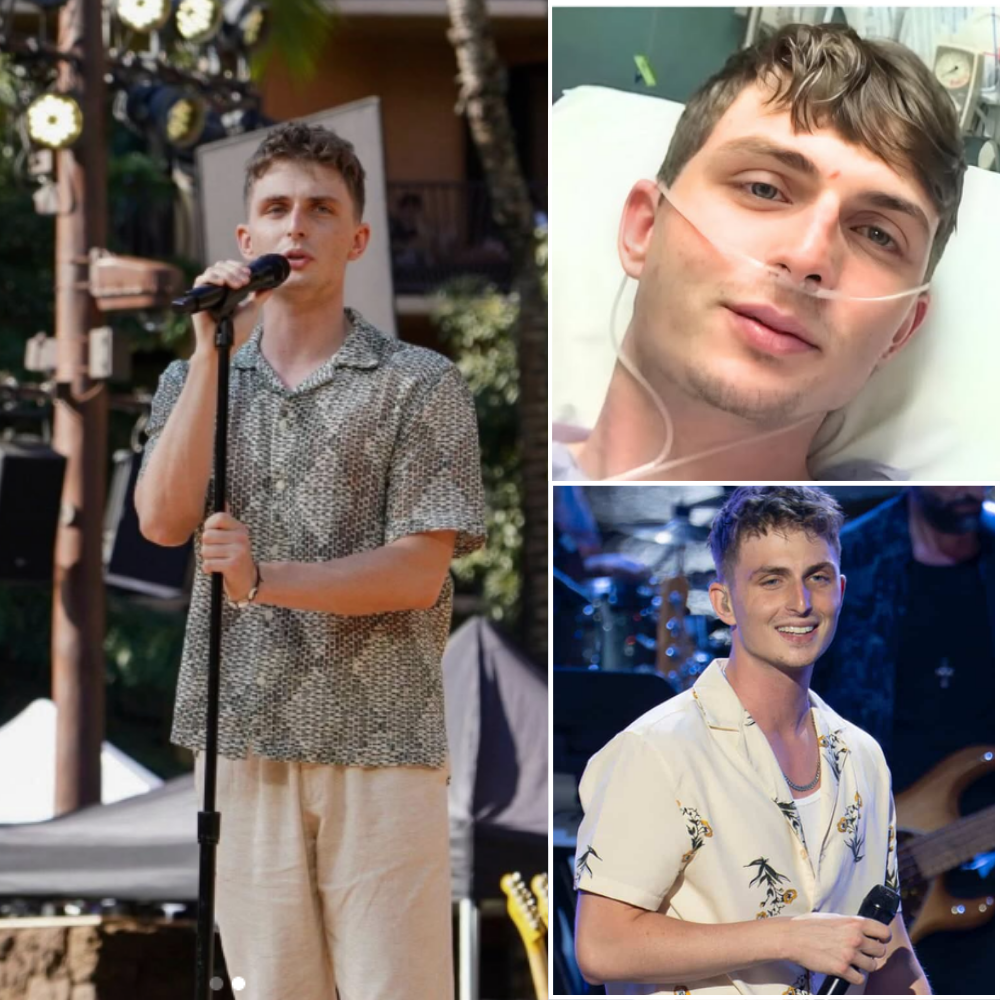
👀 American Idol Judges Stunned by Braden Rumfelt’s Voice After Two Major Surgeries Destroyed His Baseball Career — His Comeback Story Is Unbelievable! 😱
The spotlights in the American Idol audition room pulsed with that familiar electric hum as 22-year-old Braden Rumfelt stepped forward, guitar slung over his shoulder, his twin brother Kellen right beside him with fingers poised on the strings. Murphy, North Carolina, felt a world away in that moment—the small-town life of substitute teaching, quiet family […]

😲 She Wrote “String Cheese” While Battling Postpartum Depression… Now Hannah Harper Is Stealing American Idol! Her Incredible Journey Will Inspire You ❤️
The Hawaiian stage lights bathed the Aulani Resort in a golden glow as 25-year-old Hannah Harper, a stay-at-home mom from the tiny town of Bunker, Missouri, gripped the microphone with the same quiet determination she once used to wrangle three rambunctious boys through a long day of laundry and snacks. Her homemade patchwork dress shimmered […]

😱 American Idol Top 20 Poll SHOCK: Hannah Harper & Keyla Richardson Dominate… But Who’s Going HOME Next? 😭 Who’s in Danger?
Hawaii’s sun-drenched shores at Disney’s Aulani Resort became the unlikely battlefield where American Idol Season 24’s Top 20 delivered heart-stopping performances that have left fans divided, judges stunned, and Gold Derby readers casting their clearest verdict yet on who might not survive America’s vote. With the first live results episode looming on March 30, the […]

😱💔 Kimmie Standing On The Rooftop With That USB Drive Has Fans Terrified — Is She About To Destroy The Entire Bellarie Empire? 👀
The first explosive trailer for Beauty in Black Season 2 Part 2 is here — and everything shifts fast. The new footage shows Kimmie stepping fully into her power with zero hesitation, but one bold move has fans in total shock. Is she protecting herself… or setting something much bigger in motion? The stakes feel […]

💥 “Is The Baby Okay?” — Virgin River Season 7 Finale Left One Devastating Clue About Mel & Jack’s Child That Changes Everything 😭
Netflix just dropped the news everyone has been waiting for: Virgin River is officially returning for Season 7 — and fans are already bracing for another emotional chapter. The release date and exact drop time are now confirmed, meaning the next wave of romance, heartbreak, and small-town secrets is closer than expected. But one storyline […]
End of content
No more pages to load