The doorbell rang at 8 p.m. on Sunday, March 1, 2026, shattering the quiet routine of a West Des Moines family preparing for bed. In that instant, the world of Andrew Coady, his daughter Keira, and the rest of their loved ones tilted into irreversible grief. They had spent the day anxiously checking phones for messages from 20-year-old Sgt. Declan J. Coady, their son and brother deployed to Kuwait with the Army Reserve. No replies had come. They tried to stay optimistic—perhaps he was busy, perhaps communications were down amid escalating tensions—but deep down, dread had already taken root. When the knock came, everyone knew. “The rest of that night will forever be one of the worst nights of our lives,” Keira wrote in a family statement released days later. “While it’s all blurry, we all knew what the doorbell meant.”
Declan J. Coady, posthumously promoted to sergeant, was one of six American soldiers killed that day in an Iranian drone strike on a tactical operations center at Port Shuaiba, Kuwait. The attack came just hours into the opening phase of Operation Epic Fury, the sweeping U.S.-Israeli military campaign launched February 28 to dismantle Iran’s nuclear program and leadership. The Port of Shuaiba, a bustling commercial harbor on the Persian Gulf that doubles as a vital U.S. military logistics hub, had seemed far from the front lines. Yet in the chaos of retaliation, an Iranian unmanned aerial vehicle pierced defenses, slamming into a fortified command trailer and claiming the lives of sustainment specialists who were there to keep American forces supplied and operational.
Declan was the youngest among them, barely 20, with his 21st birthday looming on May 5. He had enlisted in the Army Reserve in 2023 as an information technology specialist, driven by a sense of duty that surprised even those closest to him. He could have sought an exemption through ROTC involvement or his student status, but he chose deployment. Leaving in August 2025 for a nine-month tour, he arrived at a base near Camp Buehring, where the 103rd Sustainment Command—headquartered in Des Moines—handled the unglamorous but essential work of logistics: ensuring troops had fuel, ammunitio
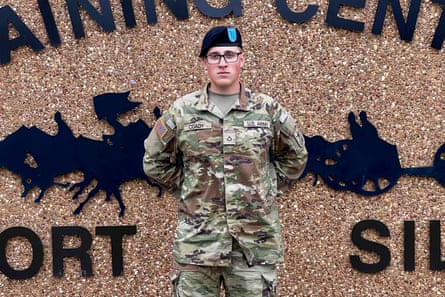
n, food, water, and transport in a volatile region.
At Drake University in Des Moines, Declan was a sophomore pursuing cybersecurity, information systems, and computer science, taking classes online while stationed abroad. Instructors remembered him as “well-loved and highly dedicated,” a young man who excelled in technical training and stood out during basic at Fort Sill, Oklahoma, in March 2024. He graduated among the youngest in his class, impressing drill sergeants with his aptitude. His father, Andrew, later told reporters Declan dreamed of becoming a commissioned officer one day. Photos from his Fort Sill graduation show a proud young soldier in dress uniform, smiling in front of the iconic sign, the future wide open before him.
The family statement, shared through Keira, captured the raw shock and love that defined Declan’s place in their lives. “He was truly a rock in all of our lives,” she wrote, calling him “the most amazing brother and son my family could have asked for.” She recounted the final messages: on Saturday, February 28, at 4 a.m., Declan texted that he was safe as news of U.S. strikes broke. Throughout the day, updates came—he was okay, holding steady. Then silence on March 1. Attempts to reach him failed. “Trying to be positive we all assumed he was just in a situation where he couldn’t message back, but we all knew something was wrong,” Keira said. When the casualty notification officers arrived that evening, the confirmation crushed them. Declan had sustained fatal injuries in the blast and died en route to medical care.
In the days since, tributes have poured in from across Iowa and beyond. Governor Kim Reynolds ordered flags lowered and issued a statement: “Today, we mourn the loss of Sergeant Declan Coady, a young Iowan who heroically answered his nation’s call to duty and gave the ultimate sacrifice.” Drake University held a moment of silence, with students and faculty reflecting on a peer whose ambition and kindness touched so many. Classmates shared memories of late-night study sessions, his quick humor, and unwavering commitment to both academics and service. Valley High School in West Des Moines, where Declan graduated, remembered a bright student who balanced sports, friends, and early thoughts of military life.
The broader context of Declan’s death amplifies its tragedy. Operation Epic Fury began with overwhelming force: B-1 bombers, F-35 stealth fighters, cruise missiles, and allied Israeli strikes hammered Iranian targets—leadership bunkers in Tehran, nuclear facilities in Natanz and Fordow, missile sites across the country. Reports claimed the Supreme Leader and key generals perished in the initial barrage. President Trump declared the operation aimed to end decades of Iranian aggression and prevent a nuclear breakout. Yet Iran’s response was immediate and ferocious: ballistic missiles and drones targeted Israeli cities, U.S. bases in Iraq, Syria, Qatar, and—fatally—Shuaiba in Kuwait.
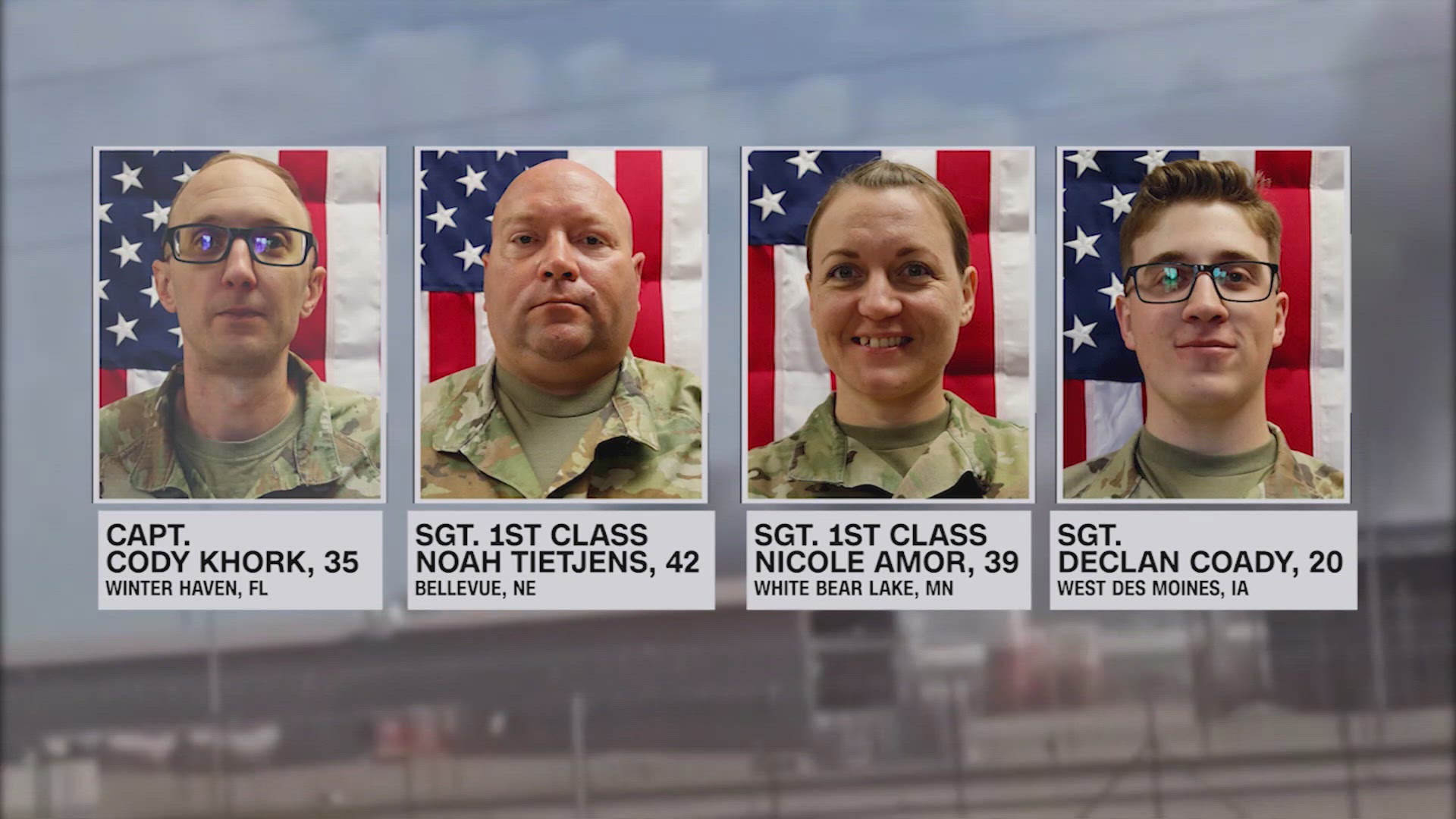
The strike on the tactical operations center underscored vulnerabilities even in “safe” rear areas. The facility, described by officials as a large trailer reinforced with concrete blast walls, was meant to withstand older threats like rockets. Against a modern, low-flying drone, it proved insufficient. Defense Secretary Pete Hegseth later called the losses heartbreaking but vowed retribution: “We will avenge every one of these heroes.” The Pentagon identified four of the six killed: Capt. Cody A. Khork, 35, of Florida; Sgt. 1st Class Nicole M. Amor, 39, of Minnesota; Sgt. 1st Class Noah L. Tietjens, 42, of Nebraska; and Sgt. Declan J. Coady. Two remain unnamed pending family notifications.

For the Coady family, the pain is intensely personal. Andrew spoke of a son who was “very good at what he did,” who lit up rooms with his intelligence and kindness. Keira expressed regret: “The only thing I can think is that I wish I had called him one more time and told him I loved him.” She tried dialing his number after the notification, clinging to hope it was all a nightmare. No answer came. The family released photos: Declan in uniform the morning before deployment, beaming beside loved ones; another from basic training, full of promise.
Across West Des Moines, vigils have formed. Candles flicker outside the family home, American flags line streets, and neighbors share stories of a boy who mowed lawns, helped with tech issues, and dreamed big. Community leaders call for support—GoFundMe pages for funeral costs, counseling resources, and scholarships in Declan’s name. Iowa’s congressional delegation, Senators Grassley and Ernst, offered condolences, emphasizing his service in sustainment, the backbone of any military operation.
This loss forces uncomfortable reflections. Declan represented the new generation of service members: tech-savvy, balancing college and Reserve duty, volunteering for deployment in an era of remote wars. Logistics roles were supposed to be safer than combat arms, yet drones erase distance. The attack highlights how quickly escalation can reach “support” personnel. As U.S. forces press advantages—strikes intensifying, troop numbers swelling to over 50,000—more families may face that dreaded doorbell.
For the Coadys, time stopped on March 1. They grieve a son who never got to commission, finish his degree, or celebrate another birthday. Keira’s words linger: “For my family, my parents lost a son, and me and my siblings lost a brother.” The nation honors six fallen soldiers, but in one Iowa home, the absence is singular and profound.
As the war unfolds, Declan’s story endures—a reminder of youth cut short, duty embraced, and love that persists beyond the grave. The doorbell may have signaled the end of his life, but his legacy—of courage, kindness, and quiet heroism—will echo long after the fighting ceases.
News
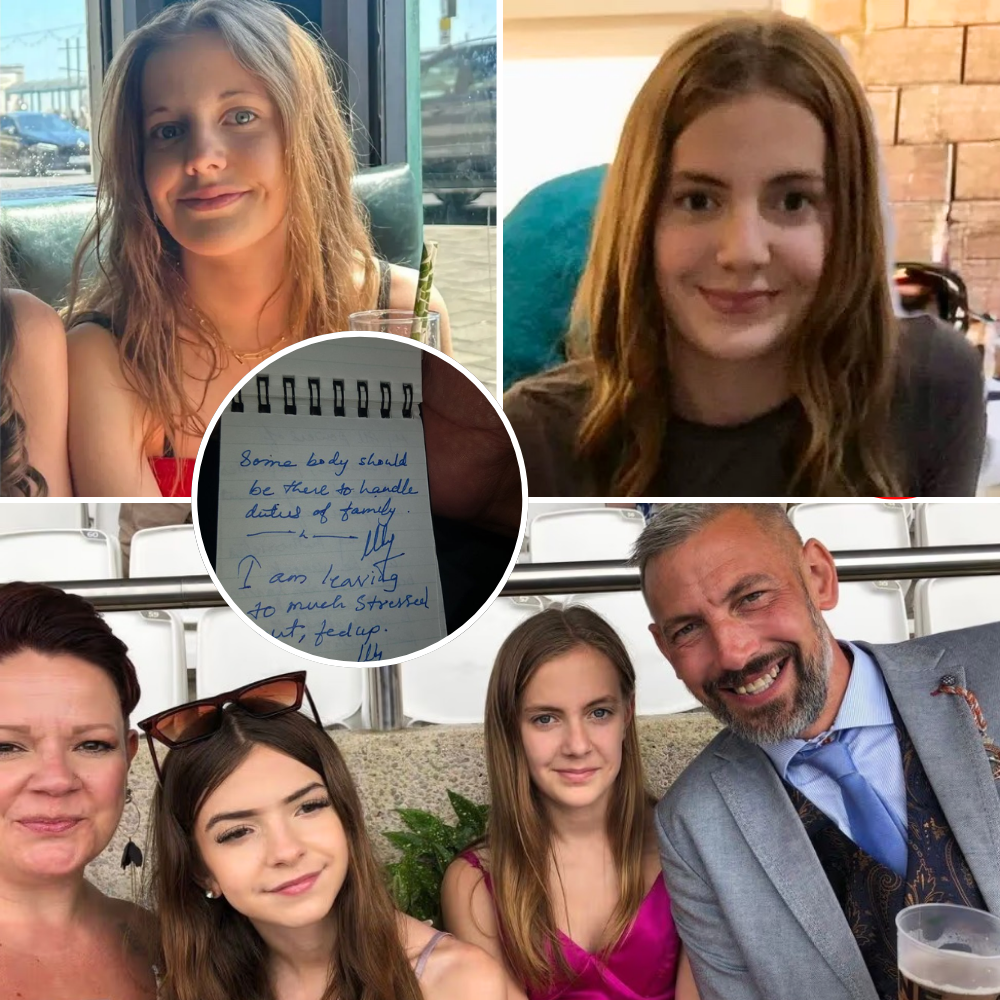
Mum Went to Wake Her 12-Year-Old for School… Instead Found Amelia Dead After Relentless Snapchat Torment 😭 Last Night She Was Happy & Laughing – The Devastating Details Inside
A cheerful 12-year-old girl with a smile that warmed every room spent her final evening wrapped in the simple joys of family life, laughing freely while sharing fish and chips at her grandparents’ house. No one could have predicted that the next morning would bring the kind of silence no parent should ever endure. On […]

👀 American Idol Judges Stunned by Braden Rumfelt’s Voice After Two Major Surgeries Destroyed His Baseball Career — His Comeback Story Is Unbelievable! 😱
The spotlights in the American Idol audition room pulsed with that familiar electric hum as 22-year-old Braden Rumfelt stepped forward, guitar slung over his shoulder, his twin brother Kellen right beside him with fingers poised on the strings. Murphy, North Carolina, felt a world away in that moment—the small-town life of substitute teaching, quiet family […]

😲 She Wrote “String Cheese” While Battling Postpartum Depression… Now Hannah Harper Is Stealing American Idol! Her Incredible Journey Will Inspire You ❤️
The Hawaiian stage lights bathed the Aulani Resort in a golden glow as 25-year-old Hannah Harper, a stay-at-home mom from the tiny town of Bunker, Missouri, gripped the microphone with the same quiet determination she once used to wrangle three rambunctious boys through a long day of laundry and snacks. Her homemade patchwork dress shimmered […]

😱 American Idol Top 20 Poll SHOCK: Hannah Harper & Keyla Richardson Dominate… But Who’s Going HOME Next? 😭 Who’s in Danger?
Hawaii’s sun-drenched shores at Disney’s Aulani Resort became the unlikely battlefield where American Idol Season 24’s Top 20 delivered heart-stopping performances that have left fans divided, judges stunned, and Gold Derby readers casting their clearest verdict yet on who might not survive America’s vote. With the first live results episode looming on March 30, the […]

😱💔 Kimmie Standing On The Rooftop With That USB Drive Has Fans Terrified — Is She About To Destroy The Entire Bellarie Empire? 👀
The first explosive trailer for Beauty in Black Season 2 Part 2 is here — and everything shifts fast. The new footage shows Kimmie stepping fully into her power with zero hesitation, but one bold move has fans in total shock. Is she protecting herself… or setting something much bigger in motion? The stakes feel […]

💥 “Is The Baby Okay?” — Virgin River Season 7 Finale Left One Devastating Clue About Mel & Jack’s Child That Changes Everything 😭
Netflix just dropped the news everyone has been waiting for: Virgin River is officially returning for Season 7 — and fans are already bracing for another emotional chapter. The release date and exact drop time are now confirmed, meaning the next wave of romance, heartbreak, and small-town secrets is closer than expected. But one storyline […]
End of content
No more pages to load