Derek Chauvin’s fall from respected law enforcement officer to one of the most reviled figures in modern American history has culminated in a prison existence that many describe as a relentless ordeal. Once patrolling the streets of Minneapolis with authority, the former police officer now navigates a world of concrete walls, constant vigilance, and the ever-present shadow of violence. His conviction for the murder of George Floyd in 2020 triggered global outrage, massive protests, and a seismic shift in discussions about policing and racial justice. Yet behind the headlines of trials and sentences lies the stark reality of his current life: a daily battle for survival in the federal prison system, marked by brutal attacks, extreme protective measures, and an isolation that some argue borders on psychological torment.
The incident that forever altered Chauvin’s fate occurred on May 25, 2020, when he knelt on George Floyd’s neck for over nine minutes during an arrest for a suspected counterfeit bill. Floyd’s repeated pleas of “I can’t breathe” became a haunting refrain captured on video, igniting worldwide fury and demands for accountability. Chauvin was convicted in state court of second-degree unintentional murder, third-degree murder, and second-degree manslaughter, receiving a 22.5-year sentence. He later pleaded guilty to federal civil rights violations, adding a concurrent 21-year term. These penalties placed him in the federal Bureau of Prisons system, where high-profile inmates often face unique dangers.
Initially held in Minnesota’s maximum-security Oak Park Heights facility, Chauvin spent much of his time in solitary confinement—23 hours a day in a small cell—for his own protection. Fears of retaliation from other inmates were immediate and justified. Former law enforcement officers behind bars carry a notorious stigma; they are seen as traitors to the code or symbols of systemic abuse. Chauvin’s global infamy amplified this risk exponentially. His transfer to the Federal Correctional Institution in Tucson, Arizona, in August 2022 offered a medium-security environment with potentially less restrictive conditions, but it also exposed him to a broader population.
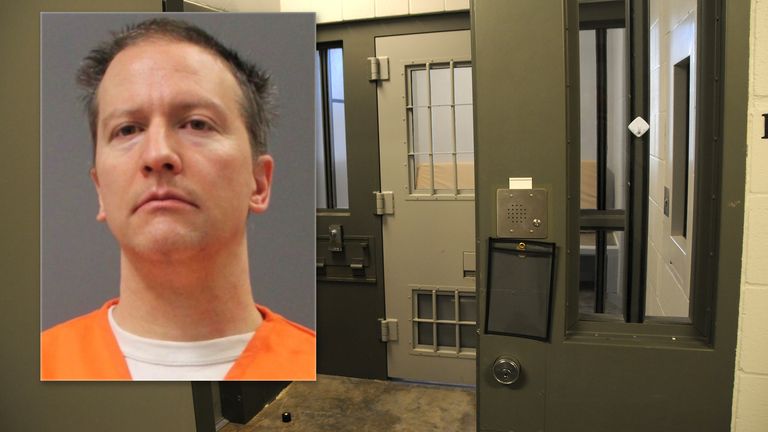
That exposure proved catastrophic. On November 24, 2023—Black Friday, a date laden with symbolism for some—Chauvin was attacked in the prison’s law library. The assailant, 52-year-old John Turscak, a former Mexican Mafia gang member and one-time FBI informant serving a 30-year sentence, struck without warning. Armed with an improvised knife, or shank, Turscak stabbed Chauvin a staggering 22 times. The assault was ferocious and prolonged; Turscak later told investigators he had contemplated the attack for about a month, drawn to Chauvin’s notoriety. He claimed the timing on Black Friday connected symbolically to the Black Lives Matter movement sparked by Floyd’s death, though he denied intent to kill when pressed further.
Prison staff intervened quickly, halting the assault and administering life-saving measures on the spot. Chauvin, bleeding profusely from multiple wounds, was rushed to a nearby hospital. Reports described his injuries as serious but not immediately fatal. He survived, stabilized, and eventually recovered physically. Turscak faced federal charges including attempted murder, assault with intent to commit murder, assault with a dangerous weapon, and assault resulting in serious bodily injury. His trial has been scheduled, underscoring the severity of the incident. The attack drew comparisons to other high-profile prison assaults, such as the one on Larry Nassar, and spotlighted ongoing issues in the federal prison system: chronic understaffing, security lapses, and vulnerabilities in protective units.
Following the stabbing, authorities did not return Chauvin to Tucson. Instead, roughly nine months later, in the summer of 2024, he was transferred to the Federal Correctional Institution in Big Spring, Texas—a low-security facility with an adjacent minimum-security camp. The move aimed to enhance his safety in a less volatile environment. Big Spring houses fewer violent offenders compared to medium-security prisons, but Chauvin’s status ensures he remains under heightened scrutiny. Reports indicate he continues in protective custody, often isolated from the general population to minimize threats.
Life in federal prison for someone like Chauvin is far from ordinary. Protective custody, while intended to shield, imposes its own hardships. Inmates in such units frequently endure near-total isolation: 23-hour lockdowns, limited human contact, and minimal recreation. Meals arrive through slots in cell doors. Phone calls, visits, and access to programs are heavily restricted. For Chauvin, this regimen compounds the psychological toll. The constant awareness that his fame makes him a perpetual target erodes any sense of normalcy. Every movement— to the shower, the yard, or even legal consultations—requires escort and vigilance.

Inmates and former correctional officials describe this existence as a “living nightmare.” The infamy paints an inescapable bullseye. Threats arrive not just physically but verbally: whispered taunts in corridors, notes slipped under doors, or glares from afar. Chauvin’s case carries unique weight; George Floyd’s death polarized the nation, and echoes of that division persist inside prison walls. Some inmates view attacking him as a twisted form of justice or street cred. Others simply see opportunity in his vulnerability.
No parole looms on the horizon in the traditional sense. With concurrent sentences and good-time credits, his projected release sits around 2037—still over a decade away as of 2026. Federal sentences lack the parole boards common in state systems; release depends on time served, behavior, and limited reductions. Chauvin’s options for early freedom appear slim. Appeals have been pursued but yielded no major reversals. The legal chapter feels closed, leaving only the grind of incarceration.
Critics and supporters debate the nature of this punishment. Is it true justice? The courts determined Chauvin’s actions warranted decades behind bars, reflecting societal demand for accountability in police misconduct. Yet some argue the prison environment transforms a finite sentence into something resembling a slow-motion execution. The stabbing exemplifies this peril: one lapse in security nearly ended his life. Isolation preserves his physical safety but attacks his mental resilience. Constant fear, loss of autonomy, and the weight of public hatred create a form of suffering that extends beyond mere confinement.
Comparisons arise to other notorious inmates. High-profile figures like Whitey Bulger or disgraced officials often face similar isolation and threats. Yet Chauvin’s situation stands apart due to its racial and cultural resonance. The Floyd case fueled movements for reform; his killer’s ordeal now fuels discussions about prison violence, retribution, and the limits of punishment. Minnesota Attorney General Keith Ellison, who prosecuted the state case, condemned the stabbing, insisting even convicted individuals deserve safety while serving sentences.
Daily routines in Big Spring offer little reprieve. Chauvin likely wakes to count-offs, eats bland institutional food, and spends hours in a cell reading, writing, or staring at walls. Exercise occurs in controlled settings. Interaction with staff is professional but distant. Rumors of further threats circulate periodically, keeping security on edge. His family maintains limited contact, navigating the bureaucracy of approvals and restrictions.
The broader prison system grapples with these realities. Federal facilities like Tucson have faced criticism for staffing shortages and inadequate oversight, contributing to incidents like Chauvin’s attack. Reforms remain slow. For Chauvin, the transfer to Big Spring represents an attempt at stability, but the underlying dynamics persist: a former cop, now a symbol of controversy, living under perpetual guard.
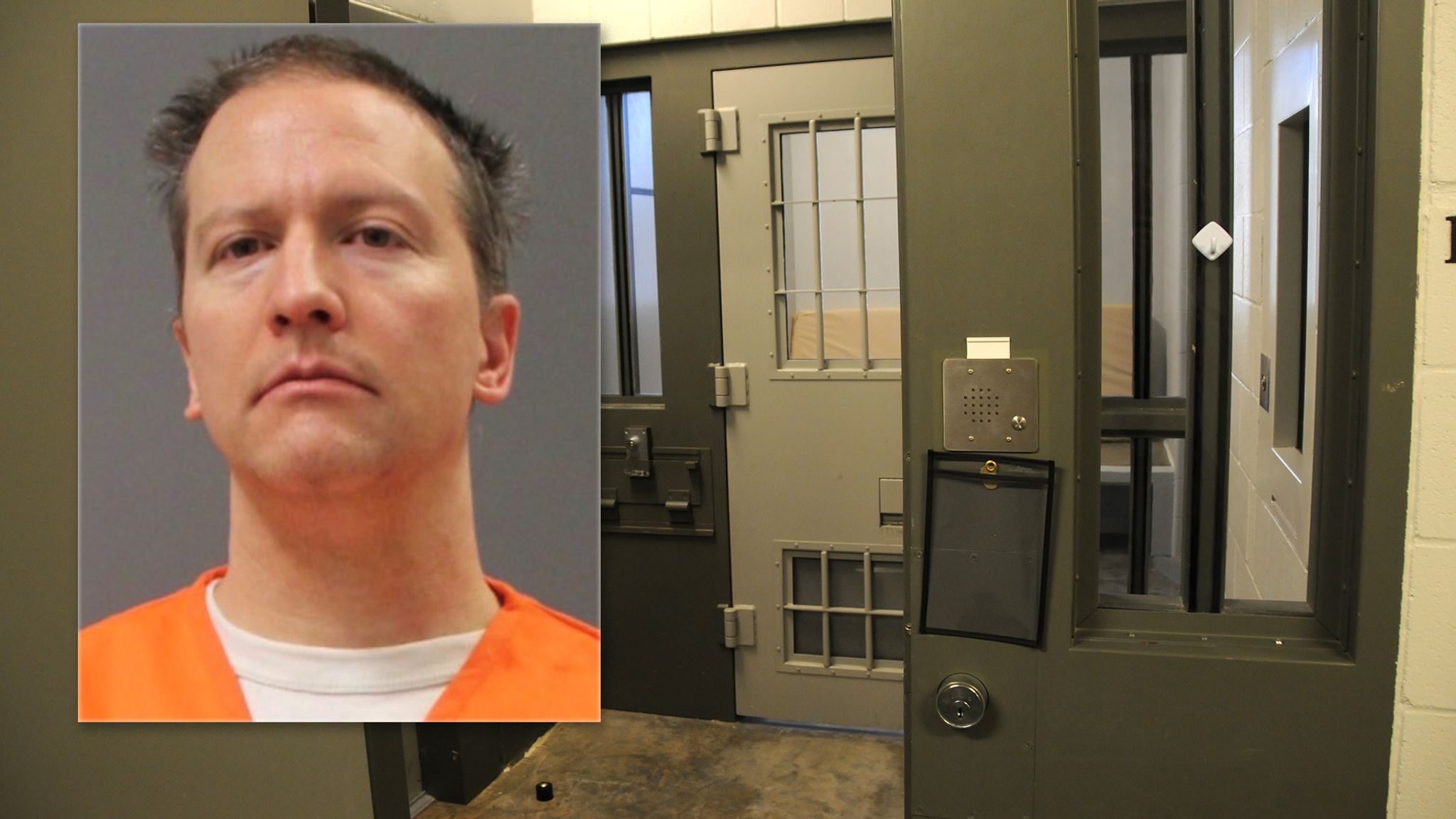
This saga raises profound questions. Does the prison experience deliver justice, or does it perpetuate cycles of vengeance? Chauvin’s survival after 22 stab wounds demonstrates resilience—or perhaps the cruelty of prolonged endurance. Every day becomes a fight to stay alive, not just physically but mentally. The hatred that followed him from Minneapolis streets now echoes in cellblocks across states.
In this twisted prison narrative, no clear winners emerge. Floyd’s family seeks closure through accountability. Chauvin’s supporters decry perceived excesses in his treatment. The public watches a man once in power reduced to vulnerability. The horrors continue leaking out in fragments: court filings, transfers, and sporadic updates. The full story of Chauvin’s incarceration remains unfolding, a chilling reminder of how justice, once demanded, can manifest in unexpected and unrelenting forms.
News
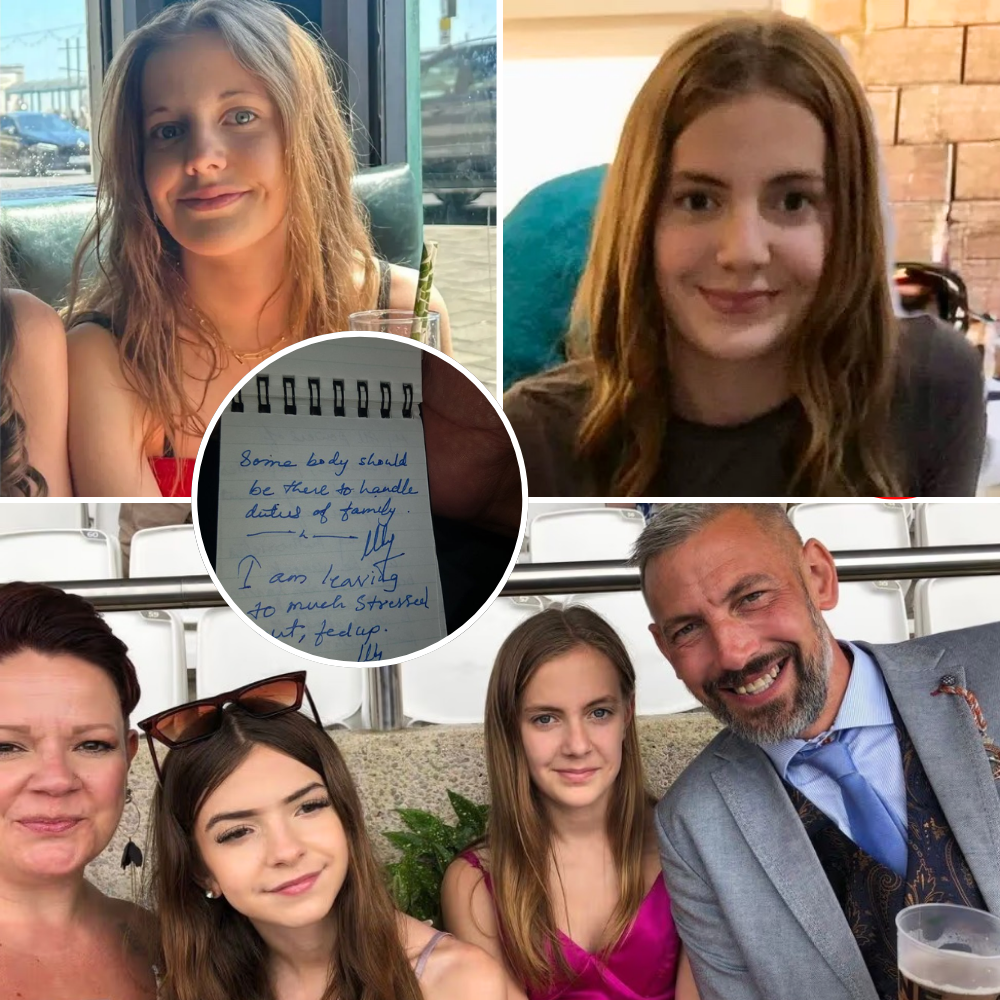
Mum Went to Wake Her 12-Year-Old for School… Instead Found Amelia Dead After Relentless Snapchat Torment 😭 Last Night She Was Happy & Laughing – The Devastating Details Inside
A cheerful 12-year-old girl with a smile that warmed every room spent her final evening wrapped in the simple joys of family life, laughing freely while sharing fish and chips at her grandparents’ house. No one could have predicted that the next morning would bring the kind of silence no parent should ever endure. On […]

👀 American Idol Judges Stunned by Braden Rumfelt’s Voice After Two Major Surgeries Destroyed His Baseball Career — His Comeback Story Is Unbelievable! 😱
The spotlights in the American Idol audition room pulsed with that familiar electric hum as 22-year-old Braden Rumfelt stepped forward, guitar slung over his shoulder, his twin brother Kellen right beside him with fingers poised on the strings. Murphy, North Carolina, felt a world away in that moment—the small-town life of substitute teaching, quiet family […]

😲 She Wrote “String Cheese” While Battling Postpartum Depression… Now Hannah Harper Is Stealing American Idol! Her Incredible Journey Will Inspire You ❤️
The Hawaiian stage lights bathed the Aulani Resort in a golden glow as 25-year-old Hannah Harper, a stay-at-home mom from the tiny town of Bunker, Missouri, gripped the microphone with the same quiet determination she once used to wrangle three rambunctious boys through a long day of laundry and snacks. Her homemade patchwork dress shimmered […]

😱 American Idol Top 20 Poll SHOCK: Hannah Harper & Keyla Richardson Dominate… But Who’s Going HOME Next? 😭 Who’s in Danger?
Hawaii’s sun-drenched shores at Disney’s Aulani Resort became the unlikely battlefield where American Idol Season 24’s Top 20 delivered heart-stopping performances that have left fans divided, judges stunned, and Gold Derby readers casting their clearest verdict yet on who might not survive America’s vote. With the first live results episode looming on March 30, the […]

😱💔 Kimmie Standing On The Rooftop With That USB Drive Has Fans Terrified — Is She About To Destroy The Entire Bellarie Empire? 👀
The first explosive trailer for Beauty in Black Season 2 Part 2 is here — and everything shifts fast. The new footage shows Kimmie stepping fully into her power with zero hesitation, but one bold move has fans in total shock. Is she protecting herself… or setting something much bigger in motion? The stakes feel […]

💥 “Is The Baby Okay?” — Virgin River Season 7 Finale Left One Devastating Clue About Mel & Jack’s Child That Changes Everything 😭
Netflix just dropped the news everyone has been waiting for: Virgin River is officially returning for Season 7 — and fans are already bracing for another emotional chapter. The release date and exact drop time are now confirmed, meaning the next wave of romance, heartbreak, and small-town secrets is closer than expected. But one storyline […]
End of content
No more pages to load