Tim Burton opened up about his unbreakable bond with the actress — who played Delia Deetz in both the original 1988 film and the 2024 sequel —after her Jan. 30 death at the age of 71.

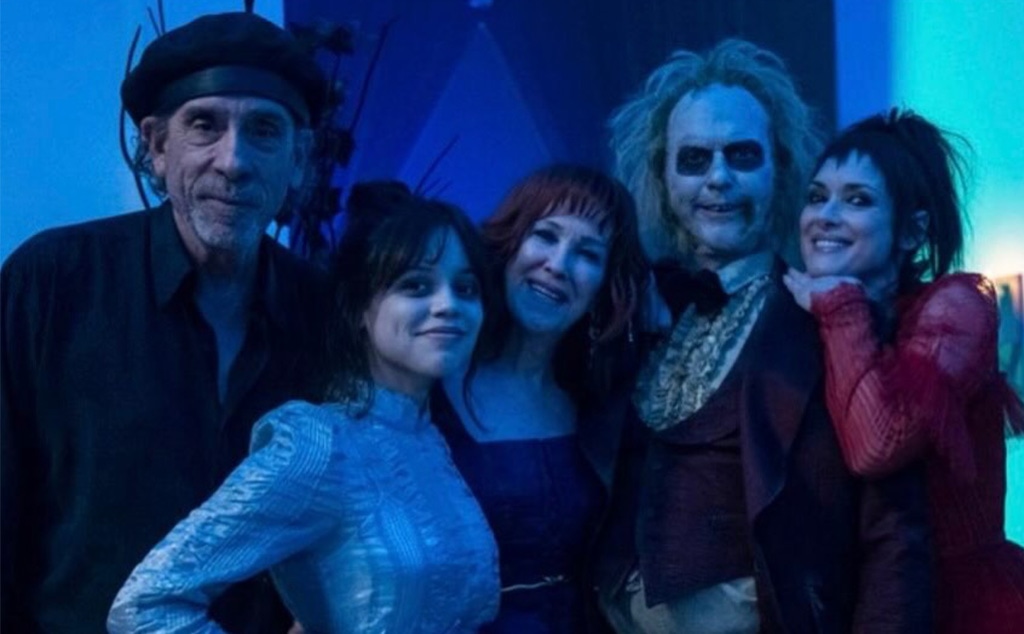
“Catherine, I love you,” Tim wrote in an Instagram post that featured a behind-the-scenes snap from the Beetlejuice set. “This picture shows how much light you gave to all of us. You were a special part of my life and after life.”
The words, posted on January 30, 2026, just hours after news of Catherine O’Hara’s passing broke, hit like a quiet thunderclap across social media and Hollywood circles. Accompanying the caption was a warm, candid photo from the set of Beetlejuice Beetlejuice (2024): Tim Burton grinning ear-to-ear, standing alongside O’Hara, Michael Keaton, Winona Ryder, and Jenna Ortega. In the image, O’Hara’s eyes sparkle with that signature mischievous intelligence, her presence radiating the effortless charm that made her unforgettable. Burton’s tribute wasn’t just a farewell—it was a love letter to a collaborator who became family, a creative soul who illuminated his gothic, whimsical worlds for nearly four decades.
Catherine O’Hara’s death on January 30, 2026, at her Los Angeles home following a brief illness sent shockwaves through the entertainment industry. At 71, she was still vibrant, still working, still beloved. Her agent confirmed the news, and tributes flooded in from co-stars, directors, and fans alike. But few carried the personal weight of Burton’s. Their partnership spanned Beetlejuice (1988), her voice work in The Nightmare Before Christmas (1993), and the long-awaited sequel that brought Delia Deetz back to the screen in all her eccentric glory. In Burton’s words, she was “a special part of my life and after life”—a nod not only to their shared cinematic afterlife themes but to the enduring, almost supernatural bond they forged.
To understand the depth of that connection, one must revisit the quirky magic of their first collaboration. In 1988, Tim Burton was an emerging visionary, fresh off Pee-wee’s Big Adventure, ready to unleash his singular blend of macabre humor and heartfelt oddity on the world. Beetlejuice was his playground: a story of ghosts, con artists, and the living who refuse to let go. Catherine O’Hara, already a comedy legend from her days on SCTV and Second City, auditioned for the role of Delia Deetz—the pretentious, avant-garde sculptor married to Charles Deetz (Jeffrey Jones) and stepmother to the goth-teen Lydia (Winona Ryder).
The casting was serendipitous. O’Hara nearly missed her chance entirely—she flew from Toronto to Los Angeles but went to the wrong Warner Bros. lot and never met Burton initially. Yet her tape spoke volumes. Burton saw in her the perfect mix of haughty sophistication and underlying vulnerability. Delia wasn’t just comic relief; she was a force—spray-painting abstract art on walls, forcing possessed dinner guests into a calypso rendition of “Day-O,” and delivering lines like “I myself am strange and unusual” with deadpan conviction. O’Hara infused Delia with layers: the character’s self-absorption masked a woman trying to assert control in a chaotic new family dynamic. Burton later praised her improvisational genius, saying she elevated every scene she touched.
The set of the original Beetlejuice was a whirlwind of creativity. Burton encouraged eccentricity—actors were free to experiment, and O’Hara thrived. She met production designer Bo Welch on that film; the two married in 1992 and had two sons, Matthew and Luke. Welch’s sculptures, tailored to Delia’s artistic persona, became iconic props. Their professional collaboration mirrored a personal one: O’Hara brought warmth and humor to Burton’s often solitary, introspective process.

Their reunion in Beetlejuice Beetlejuice (2024) was emotional for both. After 36 years, Delia returned—older, perhaps wiser, but still gloriously unhinged. O’Hara reprised the role with the same fearless energy, even embracing a hilariously fitting demise that paid homage to her character’s artistic obsessions. Behind the scenes, the cast described a joyful, familial atmosphere. Burton, Keaton, Ryder, and newcomers like Jenna Ortega formed a tight-knit group. Photos from the set show genuine affection—laughs, hugs, shared creative sparks. Burton’s tribute photo captures that exact spirit: five icons together, beaming, with O’Hara at the heart.
O’Hara’s career was a tapestry of brilliance beyond Burton’s films. Born March 4, 1954, in Toronto, she rose through improv comedy, joining SCTV where her characters—like the melodramatic Lola Heatherton and the hapless Mildred—became cult favorites. She shone in Christopher Guest’s mockumentaries: the dog-obsessed Cookie Fleck in Best in Show (2000), the folk-singing Terry Bohner in A Mighty Wind (2003). As Moira Rose in Schitt’s Creek (2015–2020), she delivered an Emmy-winning performance of operatic proportions—her dramatic flair, malapropisms, and unwavering commitment to character made Moira one of TV’s greatest creations.
In Home Alone (1990), her Kate McCallister was the frantic yet fiercely loving mother whose panic at forgetting her son Kevin became holiday legend. Voice roles in The Nightmare Before Christmas (as Sally’s wicked creator) and animated projects showcased her versatility. Yet Delia Deetz remained a cornerstone—quirky, bold, and utterly O’Hara.
Burton’s tribute resonated because it was personal. “This picture shows how much light you gave to all of us,” he wrote. In a director known for dark palettes and outsider protagonists, O’Hara was the light—her humor cut through the gloom, her warmth grounded the weirdness. Their “after life” reference cleverly nods to Beetlejuice‘s themes while acknowledging how her performances live eternally in fans’ hearts.
Tributes poured in from across Hollywood. Michael Keaton called her a “true friend” and said, “This one hurts. Man am I gonna miss her.” Winona Ryder, Jenna Ortega, and Justin Theroux shared set photos and heartfelt words. Eugene Levy and the Schitt’s Creek cast mourned their “Moira.” Fans flooded social media with clips: Delia’s “Day-O” sequence, Moira’s dramatic exits, Kate’s airport meltdown. Comments echoed: “She made the strange feel familiar,” “Her timing was impeccable,” “A legend gone too soon.”
O’Hara’s passing reminds us of comedy’s power to heal and connect. In an industry of reinvention, she stayed authentic—never chasing trends, always fully committed. Burton’s words capture that essence: she was light in darkness, joy in eccentricity.
As we rewatch Beetlejuice, Schitt’s Creek, Home Alone, her voice echoes—sharp, silly, profoundly human. Tim Burton’s tribute isn’t just grief; it’s celebration. Catherine O’Hara didn’t just play characters; she illuminated lives, on screen and off. In the afterlife of cinema, her spirit dances on, forever strange, unusual, and irreplaceable.
News
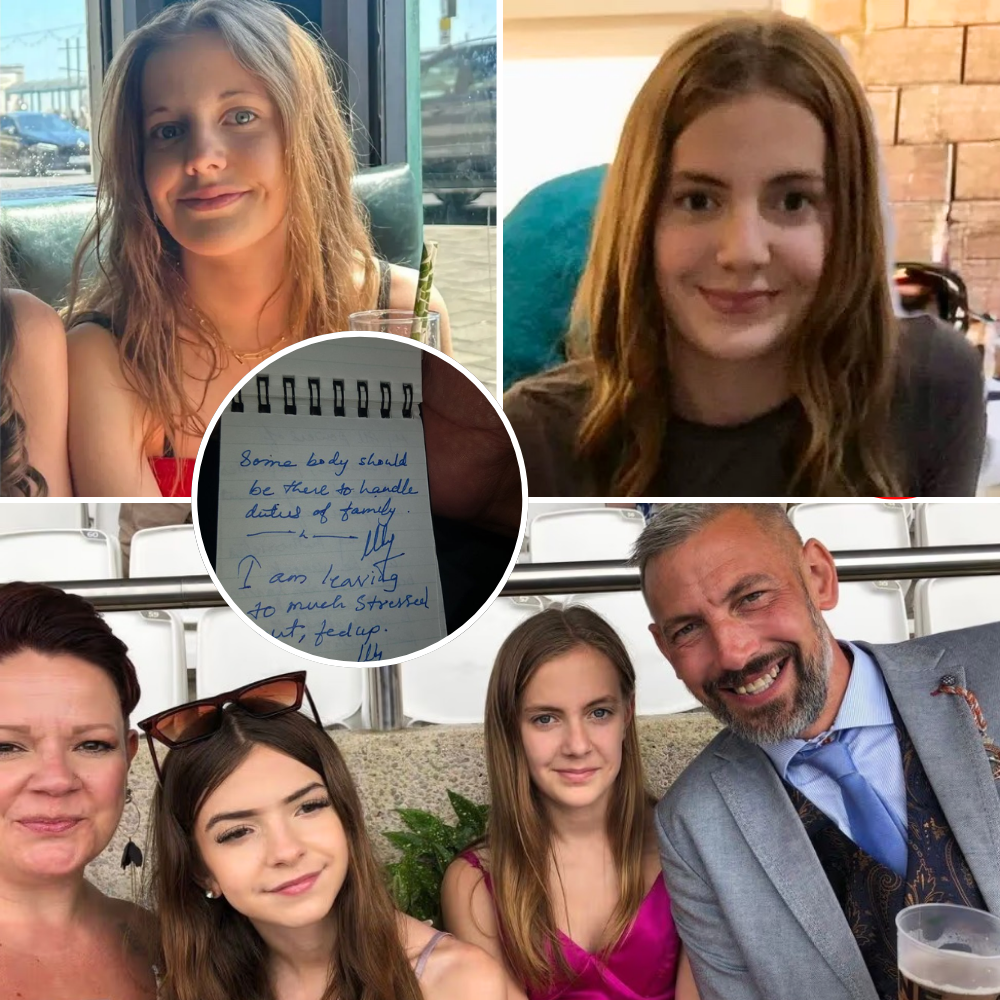
Mum Went to Wake Her 12-Year-Old for School… Instead Found Amelia Dead After Relentless Snapchat Torment 😭 Last Night She Was Happy & Laughing – The Devastating Details Inside
A cheerful 12-year-old girl with a smile that warmed every room spent her final evening wrapped in the simple joys of family life, laughing freely while sharing fish and chips at her grandparents’ house. No one could have predicted that the next morning would bring the kind of silence no parent should ever endure. On […]

👀 American Idol Judges Stunned by Braden Rumfelt’s Voice After Two Major Surgeries Destroyed His Baseball Career — His Comeback Story Is Unbelievable! 😱
The spotlights in the American Idol audition room pulsed with that familiar electric hum as 22-year-old Braden Rumfelt stepped forward, guitar slung over his shoulder, his twin brother Kellen right beside him with fingers poised on the strings. Murphy, North Carolina, felt a world away in that moment—the small-town life of substitute teaching, quiet family […]

😲 She Wrote “String Cheese” While Battling Postpartum Depression… Now Hannah Harper Is Stealing American Idol! Her Incredible Journey Will Inspire You ❤️
The Hawaiian stage lights bathed the Aulani Resort in a golden glow as 25-year-old Hannah Harper, a stay-at-home mom from the tiny town of Bunker, Missouri, gripped the microphone with the same quiet determination she once used to wrangle three rambunctious boys through a long day of laundry and snacks. Her homemade patchwork dress shimmered […]

😱 American Idol Top 20 Poll SHOCK: Hannah Harper & Keyla Richardson Dominate… But Who’s Going HOME Next? 😭 Who’s in Danger?
Hawaii’s sun-drenched shores at Disney’s Aulani Resort became the unlikely battlefield where American Idol Season 24’s Top 20 delivered heart-stopping performances that have left fans divided, judges stunned, and Gold Derby readers casting their clearest verdict yet on who might not survive America’s vote. With the first live results episode looming on March 30, the […]
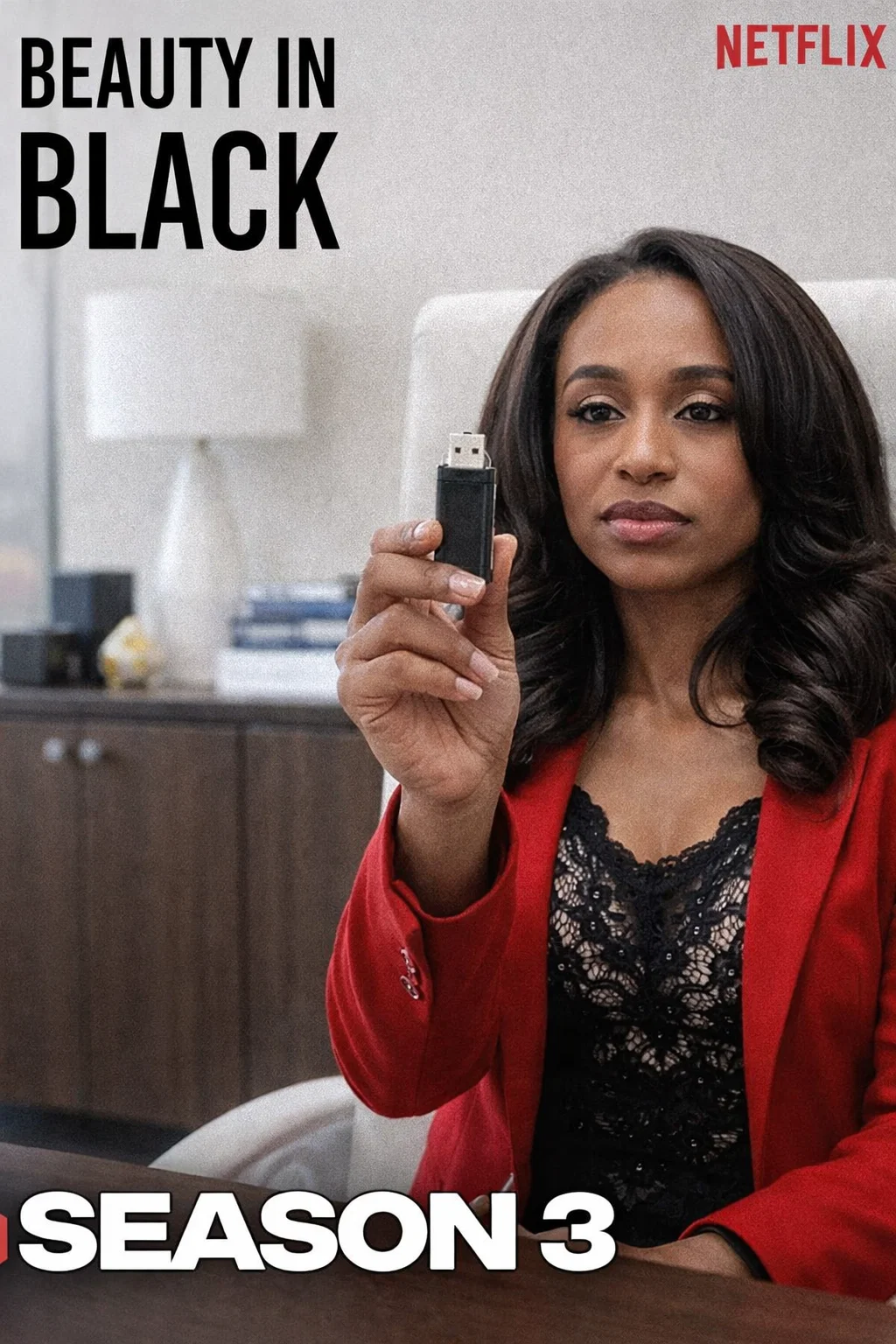
😱💔 Kimmie Standing On The Rooftop With That USB Drive Has Fans Terrified — Is She About To Destroy The Entire Bellarie Empire? 👀
The first explosive trailer for Beauty in Black Season 2 Part 2 is here — and everything shifts fast. The new footage shows Kimmie stepping fully into her power with zero hesitation, but one bold move has fans in total shock. Is she protecting herself… or setting something much bigger in motion? The stakes feel […]

💥 “Is The Baby Okay?” — Virgin River Season 7 Finale Left One Devastating Clue About Mel & Jack’s Child That Changes Everything 😭
Netflix just dropped the news everyone has been waiting for: Virgin River is officially returning for Season 7 — and fans are already bracing for another emotional chapter. The release date and exact drop time are now confirmed, meaning the next wave of romance, heartbreak, and small-town secrets is closer than expected. But one storyline […]
End of content
No more pages to load