Sending my thoughts to Catherine O’Hara’s family and friends today. I never had the privilege of working with her, but what a great talent. I loved her work so much that I wanted to dress up as her character from Beetlejuice a couple years ago.

Those words, posted by country music icon Reba McEntire on social media shortly after news broke of O’Hara’s passing, captured the raw, personal grief felt by millions. On January 30, 2026, Catherine O’Hara—the beloved Canadian-American actress, comedian, and writer whose razor-sharp wit and fearless performances lit up screens for over five decades—died at her Los Angeles home following a brief illness. She was 71.
The announcement from her agency, Creative Artists Agency (CAA), was simple and understated, much like the woman herself: she passed “following a brief illness.” No elaborate cause was given, though reports later noted her long-known rare condition, dextrocardia with situs inversus, where her heart and some organs sit on the right side of the body rather than the left. While not directly linked to her death, the detail resurfaced as fans and media reflected on a life lived vibrantly despite private health challenges.
O’Hara’s death sent shockwaves through Hollywood and beyond. Tributes flooded in from co-stars, directors, and admirers who had grown up quoting her lines, imitating her exaggerated gestures, or simply finding comfort in her ability to turn absurdity into something profoundly human. Michael Keaton, her longtime friend and Beetlejuice co-star, called her a “true friend” whose loss “hurts.” Tim Burton, who directed her in both Beetlejuice films, shared a behind-the-scenes photo from the 2024 sequel set, writing, “Catherine, I love you. This picture shows how much light you gave to all of us.” Macaulay Culkin, who played her on-screen son in Home Alone, mourned his “mama” with heartbreak visible in every word.
Yet amid the sorrow, Reba McEntire’s post stood out for its intimacy. The country legend admitted she never shared a set with O’Hara, but the actress’s work had touched her so deeply that she once considered dressing as Delia Deetz—the eccentric, art-obsessed stepmother from Beetlejuice—for a costume event. It was a small, telling anecdote: proof that O’Hara’s influence stretched far beyond comedy circles, into the hearts of people who simply loved great performance.

Born Catherine Anne O’Hara on March 4, 1954, in Toronto, Ontario, she grew up as the sixth of seven children in a lively Irish Catholic household. Her father worked for the Canadian Pacific Railway; her mother managed the home with a quick wit that O’Hara later credited as her first comedy teacher. Family dinners were loud, filled with impersonations and laughter—fertile ground for a future star. Among her siblings was singer-songwriter Mary Margaret O’Hara, whose artistic spirit mirrored Catherine’s own.
After high school, O’Hara waitressed at Toronto’s Second City Theatre, the legendary improv venue that launched countless careers. She became Gilda Radner’s understudy in 1974, stepping up when Radner left for Saturday Night Live. By 1976, O’Hara was a founding member of SCTV (Second City Television), where her uncanny impressions—of Lucille Ball, Katharine Hepburn, Brooke Shields, and more—earned her an Emmy for outstanding writing in a variety program. SCTV wasn’t just a job; it was a proving ground where she honed the blend of satire and warmth that defined her.
The 1980s brought her to film. Tim Burton’s Beetlejuice (1988) introduced her to a wider audience as Delia Deetz, the pretentious sculptor whose “Day-O” freak-out remains one of cinema’s most quotable moments. On set, she met production designer Bo Welch. Sparks flew; Burton encouraged Welch to ask her out. They married in 1992, and Burton gifted them a private Vatican tour as a wedding present—a quirky, fitting gesture for two artists who thrived on the unusual.
Welch and O’Hara built a life together, raising two sons: Matthew (born 1994), who followed his father into set construction, and Luke (born 1997), who pursued acting. O’Hara often called motherhood her most important role, balancing it with a career that never forced her to choose between family and art.
The 1990s cemented her status with Home Alone (1990) and Home Alone 2: Lost in New York (1992). As Kate McCallister—the frantic mother who forgets her son Kevin (Macaulay Culkin) at home—she delivered panic and heart in equal measure. Her scream upon realizing Kevin was missing became iconic; her determined journey back to Chicago embodied every parent’s worst nightmare turned comedic gold. The films grossed over $700 million combined and became perennial holiday staples.
Collaborations with Christopher Guest followed: Waiting for Guffman (1996), Best in Show (2000), A Mighty Wind (2003), and For Your Consideration (2006). In these mockumentaries, O’Hara improvised brilliance—whether as a travel agent with a secret past or a folk singer pouring emotion into every note. Her work earned critical acclaim and showcased her gift for finding humanity in eccentricity.
Voice roles added whimsy: Sally and Shock in Tim Burton’s The Nightmare Before Christmas (1993), and various characters in Frankenweenie (2012). But it was Schitt’s Creek (2015–2020) that crowned her a modern legend. As Moira Rose—the flamboyant former soap star banished to a small town—O’Hara unleashed wigs, vocabulary, and melodrama that became cultural phenomena. Lines like “bébé” and her fruit-wine tastings spawned memes and fashion trends. The show swept the 2020 Emmys; O’Hara won best actress in a comedy series—her second Emmy, 40 years after her first.
In later years, she stayed vibrant. She earned an Emmy nod for The Studio (2025) opposite Seth Rogen and took a dramatic turn in HBO’s The Last of Us as a therapist navigating dystopia. Turning 70 in 2024, she joked to Parade, “Still being alive!” On Julia Louis-Dreyfus’s podcast Wiser Than Me, she laughed about feeling like an “adorable old lady” among younger co-stars.
A 2013 Vanity Fair questionnaire revealed her playful side: she imagined dying “laughing, surrounded by my old grandchildren, who are telling me to ‘let go, already, Grandma!’” She mused on reincarnation: “I’d like to come back in the body of a much more evolved person who has lovely, thick hair and skin that tans.” Those words, resurfaced after her death, invited reflection: How do we want to leave? O’Hara’s vision embraced humor even in mortality.
Her family planned a private celebration of life. Tributes continued: Eugene Levy called her “one of a kind”; Dan Levy shared memories of creating Moira together. Fans posted clips—Delia’s “supper club” meltdown, Moira’s “fold in the cheese,” Kate’s frantic airport dash—proving her work lives on.
O’Hara redefined comedy for women, proving eccentricity could be empowering. From SCTV sketches to Moira’s monologues, she showed vulnerability as strength. In a world too serious, she reminded us to laugh—at ourselves, at life, even at death.
Reba McEntire’s wish to dress as Delia Deetz speaks volumes: O’Hara’s characters weren’t just roles; they were invitations to joy, absurdity, and courage. As we mourn, we celebrate a woman who made the ridiculous profound, the over-the-top endearing, and the everyday extraordinary.
What if we all aimed to exit stage left, giggling? Her story urges us: Grab the punchline, hold loved ones close, let laughter echo eternally. Catherine O’Hara didn’t just perform—she illuminated. And in the quiet after the curtain falls, her light still shines.
News
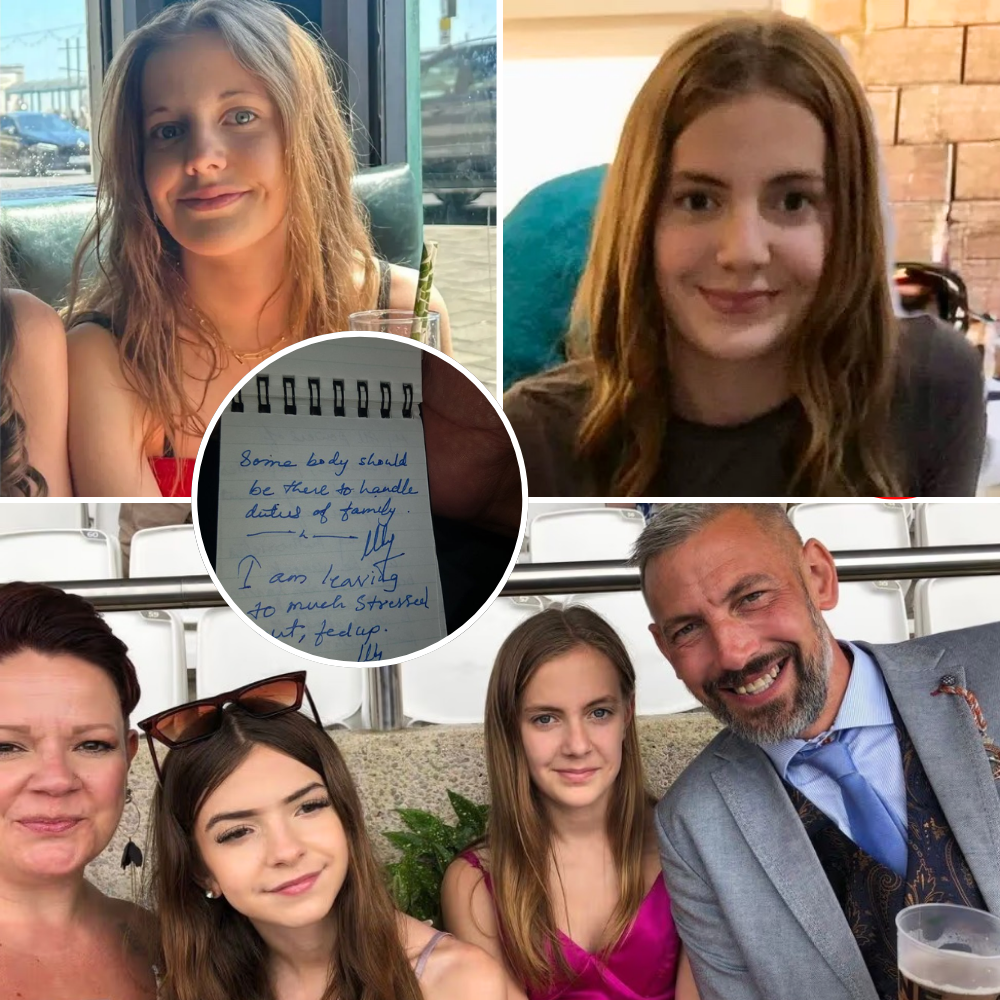
Mum Went to Wake Her 12-Year-Old for School… Instead Found Amelia Dead After Relentless Snapchat Torment 😭 Last Night She Was Happy & Laughing – The Devastating Details Inside
A cheerful 12-year-old girl with a smile that warmed every room spent her final evening wrapped in the simple joys of family life, laughing freely while sharing fish and chips at her grandparents’ house. No one could have predicted that the next morning would bring the kind of silence no parent should ever endure. On […]

👀 American Idol Judges Stunned by Braden Rumfelt’s Voice After Two Major Surgeries Destroyed His Baseball Career — His Comeback Story Is Unbelievable! 😱
The spotlights in the American Idol audition room pulsed with that familiar electric hum as 22-year-old Braden Rumfelt stepped forward, guitar slung over his shoulder, his twin brother Kellen right beside him with fingers poised on the strings. Murphy, North Carolina, felt a world away in that moment—the small-town life of substitute teaching, quiet family […]

😲 She Wrote “String Cheese” While Battling Postpartum Depression… Now Hannah Harper Is Stealing American Idol! Her Incredible Journey Will Inspire You ❤️
The Hawaiian stage lights bathed the Aulani Resort in a golden glow as 25-year-old Hannah Harper, a stay-at-home mom from the tiny town of Bunker, Missouri, gripped the microphone with the same quiet determination she once used to wrangle three rambunctious boys through a long day of laundry and snacks. Her homemade patchwork dress shimmered […]

😱 American Idol Top 20 Poll SHOCK: Hannah Harper & Keyla Richardson Dominate… But Who’s Going HOME Next? 😭 Who’s in Danger?
Hawaii’s sun-drenched shores at Disney’s Aulani Resort became the unlikely battlefield where American Idol Season 24’s Top 20 delivered heart-stopping performances that have left fans divided, judges stunned, and Gold Derby readers casting their clearest verdict yet on who might not survive America’s vote. With the first live results episode looming on March 30, the […]
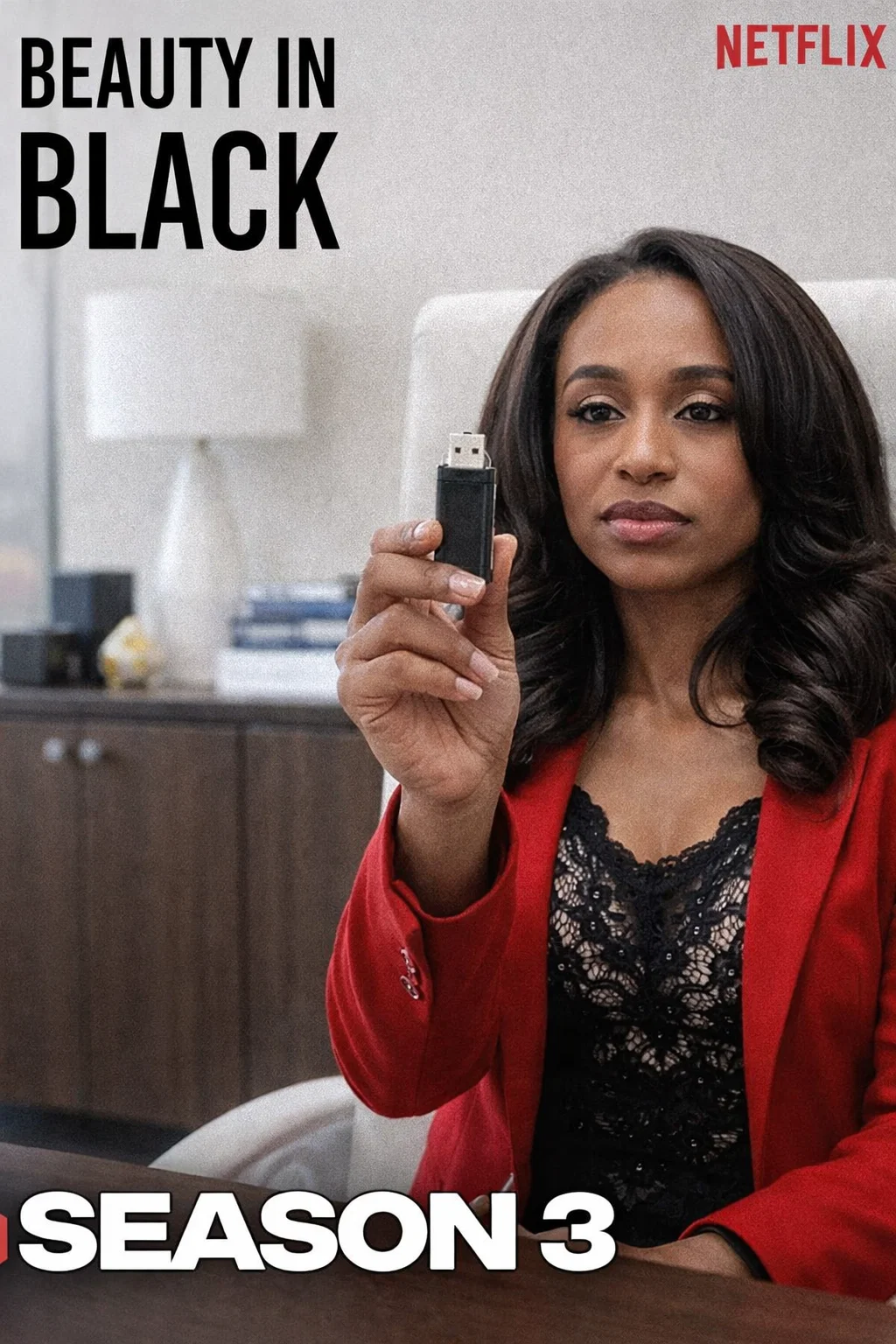
😱💔 Kimmie Standing On The Rooftop With That USB Drive Has Fans Terrified — Is She About To Destroy The Entire Bellarie Empire? 👀
The first explosive trailer for Beauty in Black Season 2 Part 2 is here — and everything shifts fast. The new footage shows Kimmie stepping fully into her power with zero hesitation, but one bold move has fans in total shock. Is she protecting herself… or setting something much bigger in motion? The stakes feel […]

💥 “Is The Baby Okay?” — Virgin River Season 7 Finale Left One Devastating Clue About Mel & Jack’s Child That Changes Everything 😭
Netflix just dropped the news everyone has been waiting for: Virgin River is officially returning for Season 7 — and fans are already bracing for another emotional chapter. The release date and exact drop time are now confirmed, meaning the next wave of romance, heartbreak, and small-town secrets is closer than expected. But one storyline […]
End of content
No more pages to load