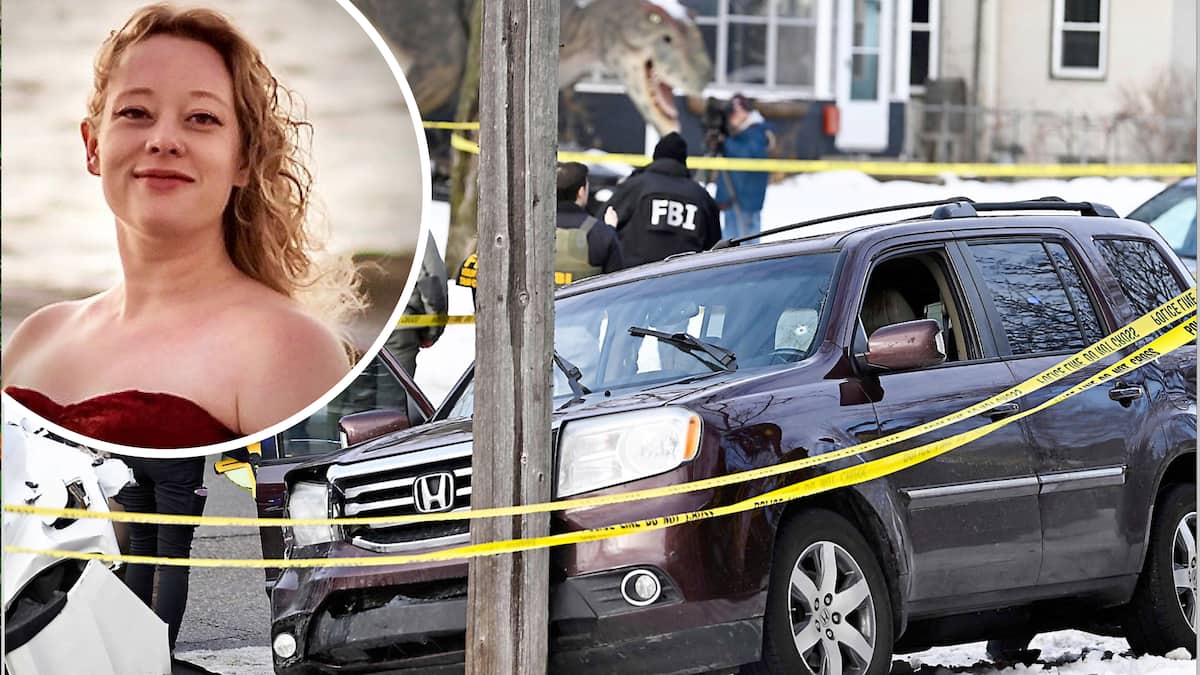
Snow fell softly over the quiet streets of south Minneapolis on the morning of January 7, 2026, transforming the neighborhood into a serene winter landscape. Children bundled up for school, neighbors exchanged waves, and life moved at its usual gentle pace. But in an instant, that tranquility shattered with the crack of gunfire. Renee Nicole Good, a 37-year-old mother, poet, and compassionate soul, slumped lifeless in her SUV, felled by a bullet from an Immigration and Customs Enforcement (ICE) agent. What unfolded that day was not just a fatal shooting—it was a collision of federal power and everyday humanity, sparking nationwide outrage, protests, and a profound debate over the cost of aggressive immigration enforcement.
Good had started her day like any devoted parent. She dropped off her 6-year-old son at school, a routine act of love in the midst of a Minnesota winter. Heading home in her dark red SUV, she encountered a scene of unexpected chaos: unmarked federal vehicles, agents in tactical gear, and a stuck ICE truck blocking the snowy road. According to the Department of Homeland Security (DHS), agents were part of a massive operation involving nearly 2,000 personnel deployed to the Twin Cities, targeting alleged welfare fraud in the Somali immigrant community—a claim amplified by conservative influencers and embraced by the Trump administration’s renewed crackdown on immigration.
DHS Secretary Kristi Noem painted a stark picture in her statements: Good “weaponized her vehicle,” accelerating toward an agent in a deliberate attempt to run him over. The agent, fearing for his life, fired through the window, striking her in the head. “Our officers were under assault,” Noem asserted, framing the incident as justified self-defense amid rising tensions from a “mob” harassing agents.
Yet, this account stands in sharp contrast to eyewitness testimonies, video evidence, and statements from local officials. Surveillance footage, obtained and analyzed by media outlets, shows Good’s vehicle stationary and positioned sideways across the road for nearly three minutes before the confrontation escalated. Neighbors described a peaceful morning abruptly interrupted by shouts and commands from armed agents. One resident, running outside barefoot, saw Good’s SUV appearing to block passage unintentionally amid the confusion. “She wasn’t charging anyone,” a neighbor later recounted. “It looked like she was trying to navigate around the mess.”
Minneapolis Mayor Jacob Frey rejected the federal narrative outright, calling it “bullshit” in raw terms that captured the city’s fury. “There was chaos sown by federal agents,” he said, urging calm while emphasizing the values of courage, bravery, love, and compassion that define Minneapolis and America. Governor Tim Walz echoed this, offering condolences to Good’s family and pledging relentless pursuit of “accountability and justice.” State Attorney General Keith Ellison suggested the possibility of charges, noting Good may have been acting as a “legal observer” rather than interfering.
The location added poignant symbolism: just blocks from the site where George Floyd was killed in 2020, a place still marked by memorials and raw memories of injustice. This proximity amplified the sense of déjà vu, linking Good’s death to broader patterns of lethal force and community trauma.
Who was Renee Nicole Good? Beyond the headlines, she was a woman whose life brimmed with quiet beauty and resilience. Born in Colorado, she navigated hardships with grace—a “good life, but a hard life,” as her father Tim Ganger described. After studying vocal performance, she earned an English degree from Old Dominion University in 2020, winning a poetry prize for her evocative writing. She hosted a podcast with her late husband Tim Macklin, a military veteran who passed in 2023, sharing stories of faith and family. A devoted Christian, Good participated in youth mission trips to Northern Ireland, pouring her melodic voice into songs of hope.

As a mother, she poured boundless love into her three children: a 15-year-old and 12-year-old from her first marriage, and her youngest, the 6-year-old she had just dropped at school. Recently relocated to Minneapolis from Kansas, where she briefly lived with parents after Macklin’s death, Good embraced the city with open arms. Her social media reflected this: a bio reading “poet and writer and wife and mom,” accompanied by a pride flag emoji signaling inclusivity. Pinterest boards brimmed with inspirations for tattoos, hairstyles, and home decor—ordinary joys of a creative spirit.
Family and friends painted her as extraordinarily kind. Mother Donna Ganger tearfully shared: “She was one of the kindest people I’ve ever known—compassionate, loving, forgiving, affectionate. She took care of people all her life.” An ex-husband highlighted her faith and singing passion. A former Kansas neighbor, Joan Rose, insisted: “She was a mom who loved her kids, loved her spouse—not a terrorist or extremist.” Uncle Robert Ganger noted the cruel timing: the shooting fell on her sister’s birthday, compounding the family’s grief.
Old Dominion University President Brian O. Hemphill issued a moving statement: “May Renee’s life be a reminder of what unites us: freedom, love, and peace. My hope is for compassion, healing, and reflection at a time that is becoming one of the darkest and most uncertain periods in our nation’s history.”
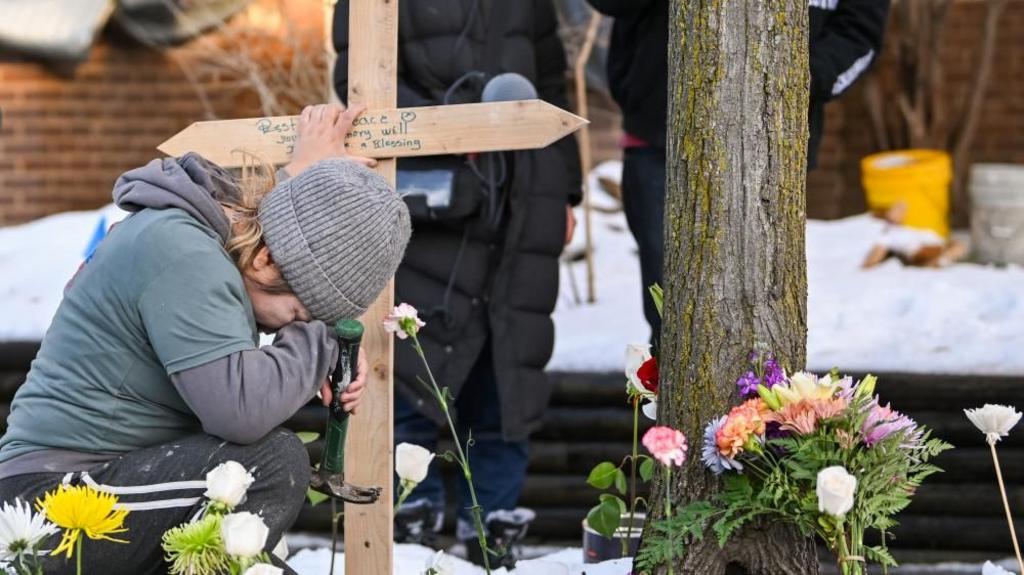
In the hours following the shooting, the community responded with raw emotion. A makeshift memorial bloomed at the scene: candles flickering against the snow, flowers arranged in heartfelt tributes, signs proclaiming “Justice for Renee.” Neighbors chanted her name alongside defiant cries: “Say it once. Say it twice. We will not put up with ICE.” Vigils spread nationwide, from Portland to New York, as protesters decried “Killer ICE” and linked the incident to systemic overreach.
Protests turned tense, with clashes involving chemical irritants from federal forces. Thousands gathered, voices rising in solidarity for a woman described by the Minneapolis City Council as out “caring for her neighbors” that fateful morning. The FBI took over the investigation, but demands for independent oversight grew louder, questioning the use of unmarked vehicles and lack of coordination with local police in this sanctuary city.
This tragedy unfolds against the backdrop of President Trump’s immigration surge, reigniting debates from his first term. Supporters defend it as essential for security and resource protection. Critics, including civil rights advocates, see militarized raids in residential areas as reckless, endangering innocents like Good—a U.S. citizen uninvolved in the targeted operation.
As snow continues to fall over Minneapolis, the stains of this loss linger. Good’s poetry, often about resilience and blooming in adversity, now resonates as prophecy. Her children face a future without their mother’s warmth; her family grapples with irreversible pain. Yet in her memory, a movement stirs—calls for transparency, reform, and humanity in enforcement.
Renee Nicole Good was more than a victim; she was a light in her community, extinguished too soon at 37. Her story demands we confront uncomfortable truths: When does protection become peril? How many more lives must fracture before balance is restored? In the chilling aftermath, one hope endures—that from this darkness, compassion might rise, honoring a woman who lived it every day.
News
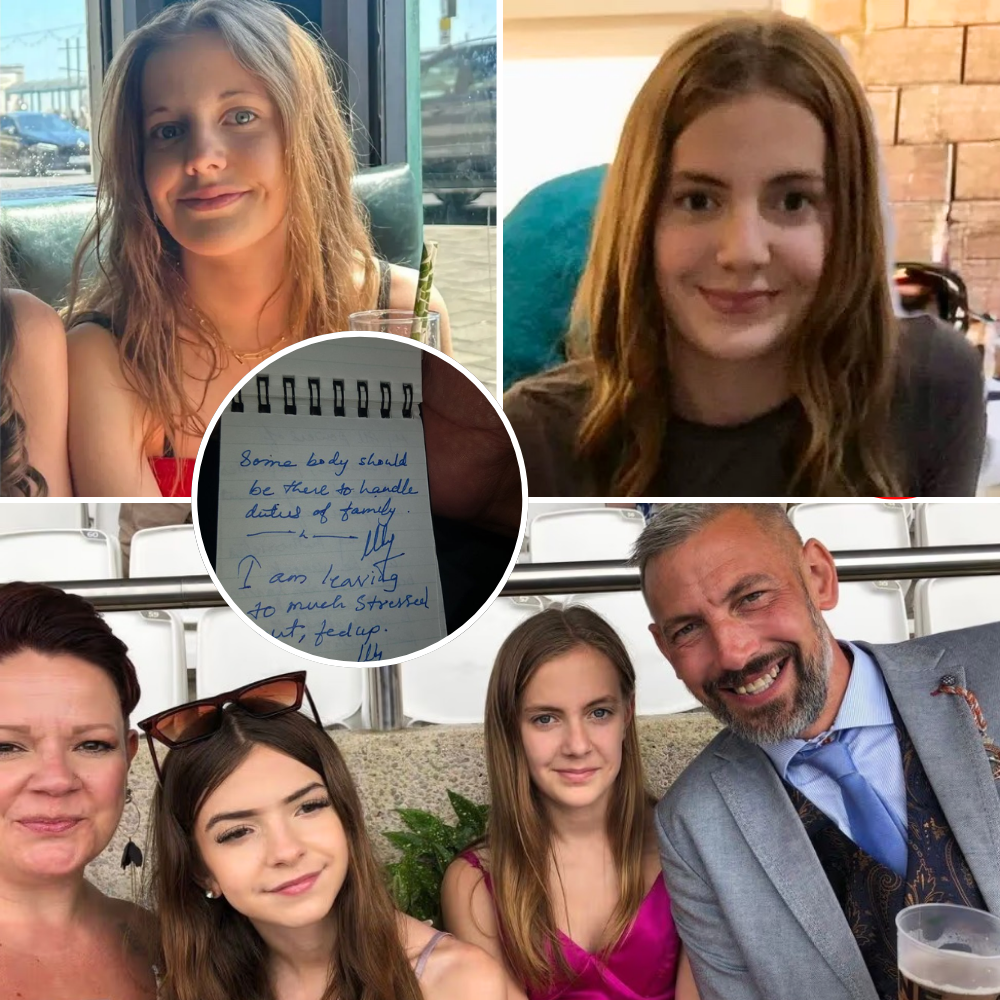
Mum Went to Wake Her 12-Year-Old for School… Instead Found Amelia Dead After Relentless Snapchat Torment 😭 Last Night She Was Happy & Laughing – The Devastating Details Inside
A cheerful 12-year-old girl with a smile that warmed every room spent her final evening wrapped in the simple joys of family life, laughing freely while sharing fish and chips at her grandparents’ house. No one could have predicted that the next morning would bring the kind of silence no parent should ever endure. On […]

👀 American Idol Judges Stunned by Braden Rumfelt’s Voice After Two Major Surgeries Destroyed His Baseball Career — His Comeback Story Is Unbelievable! 😱
The spotlights in the American Idol audition room pulsed with that familiar electric hum as 22-year-old Braden Rumfelt stepped forward, guitar slung over his shoulder, his twin brother Kellen right beside him with fingers poised on the strings. Murphy, North Carolina, felt a world away in that moment—the small-town life of substitute teaching, quiet family […]

😲 She Wrote “String Cheese” While Battling Postpartum Depression… Now Hannah Harper Is Stealing American Idol! Her Incredible Journey Will Inspire You ❤️
The Hawaiian stage lights bathed the Aulani Resort in a golden glow as 25-year-old Hannah Harper, a stay-at-home mom from the tiny town of Bunker, Missouri, gripped the microphone with the same quiet determination she once used to wrangle three rambunctious boys through a long day of laundry and snacks. Her homemade patchwork dress shimmered […]
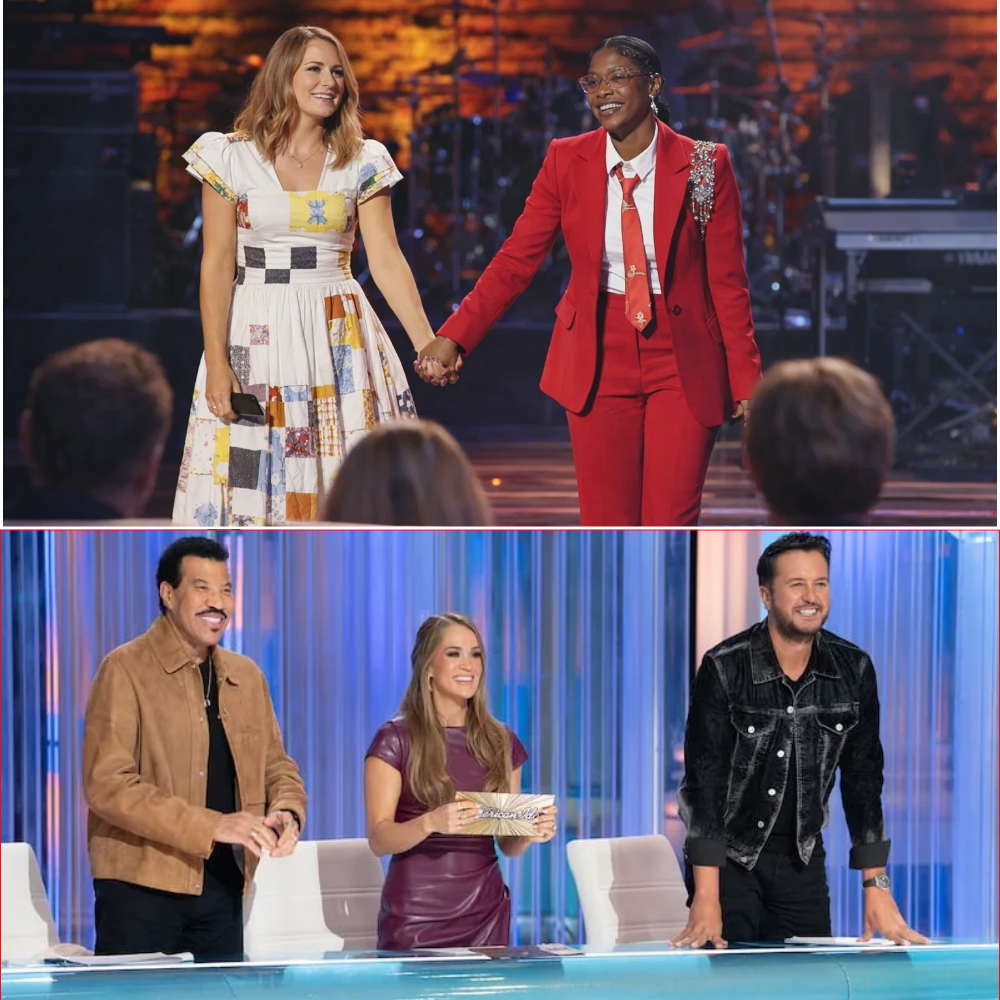
😱 American Idol Top 20 Poll SHOCK: Hannah Harper & Keyla Richardson Dominate… But Who’s Going HOME Next? 😭 Who’s in Danger?
Hawaii’s sun-drenched shores at Disney’s Aulani Resort became the unlikely battlefield where American Idol Season 24’s Top 20 delivered heart-stopping performances that have left fans divided, judges stunned, and Gold Derby readers casting their clearest verdict yet on who might not survive America’s vote. With the first live results episode looming on March 30, the […]
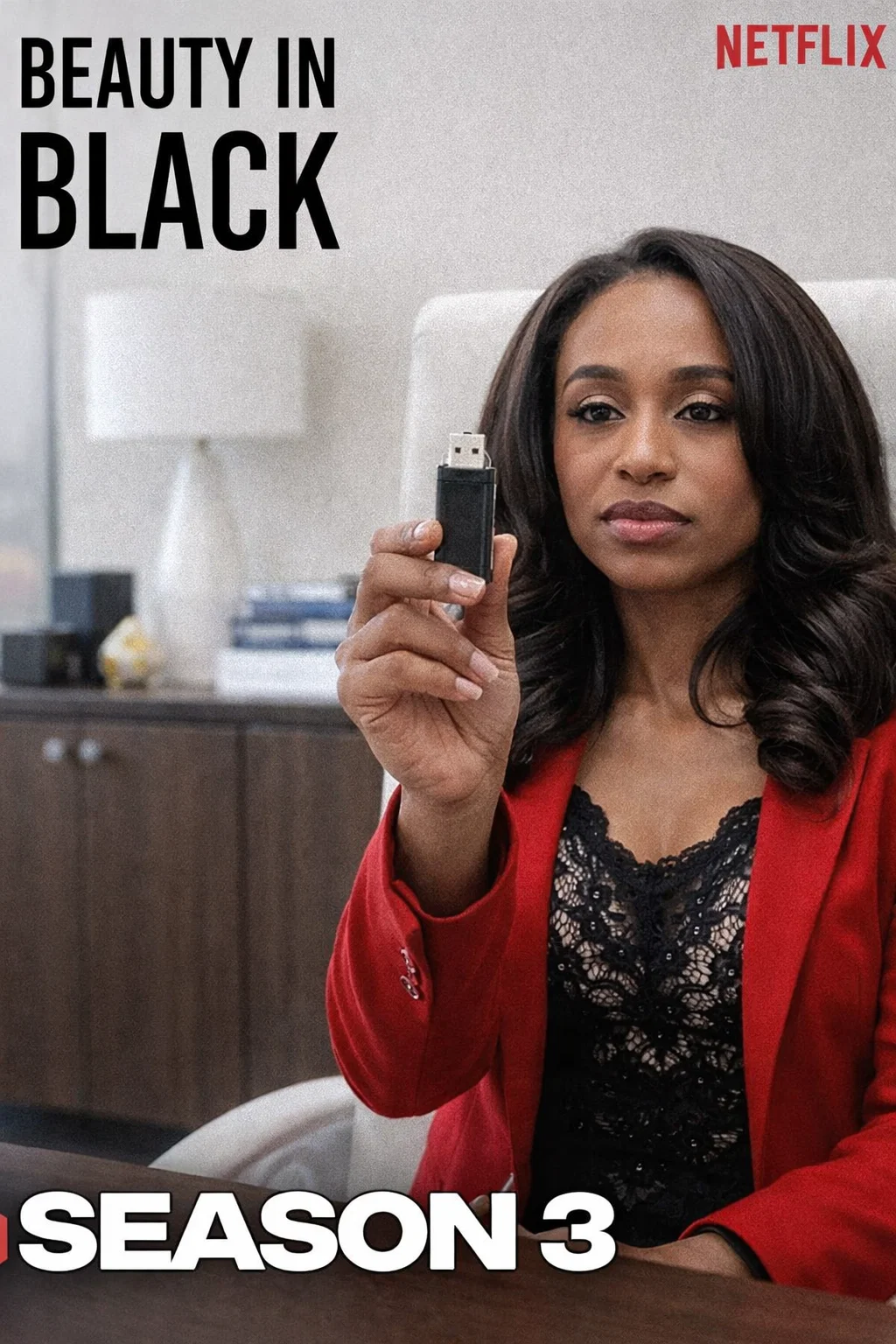
😱💔 Kimmie Standing On The Rooftop With That USB Drive Has Fans Terrified — Is She About To Destroy The Entire Bellarie Empire? 👀
The first explosive trailer for Beauty in Black Season 2 Part 2 is here — and everything shifts fast. The new footage shows Kimmie stepping fully into her power with zero hesitation, but one bold move has fans in total shock. Is she protecting herself… or setting something much bigger in motion? The stakes feel […]

💥 “Is The Baby Okay?” — Virgin River Season 7 Finale Left One Devastating Clue About Mel & Jack’s Child That Changes Everything 😭
Netflix just dropped the news everyone has been waiting for: Virgin River is officially returning for Season 7 — and fans are already bracing for another emotional chapter. The release date and exact drop time are now confirmed, meaning the next wave of romance, heartbreak, and small-town secrets is closer than expected. But one storyline […]
End of content
No more pages to load