A ferocious outbreak of severe weather unleashed “Godzilla”-like tornadoes across the central United States this week, claiming at least eight lives and leaving a trail of devastation from the prairies of Oklahoma to the rural communities of southern Michigan. What began as thunderstorms on Thursday, March 5, 2026, escalated into a multi-day nightmare of twisters, damaging winds, massive hail, and widespread power outages, with more than 100 million Americans placed under severe weather alerts by Saturday morning, March 7.

The National Weather Service and National Storm Prediction Center issued extreme warnings, including rare “particularly dangerous situation” tornado alerts, as supercells fired up across the Heartland. Over 7 million people in Missouri, Oklahoma, and Nebraska faced heightened risks on Friday alone, while broader threats stretched from Texas to the Great Lakes and into the Northeast. Sirens blared through the night and into the weekend, jolting residents awake amid fears of renewed destruction.
In Oklahoma, the terror struck first on Thursday night in Fairview, a small town where a violent tornado descended without mercy. Teacher Jodie Owens, 47, was driving home with her 13-year-old daughter Lexi when the storm loomed. In a heartbreaking final act of protection, Jodie called her other children at home, urging them into the cellar: “Hey you need to get into a cellar.” Moments later, the tornado lifted their van and hurled it, killing mother and daughter instantly. The line went dead after their terrified cries. Family member Justin Zonts recounted the agony: “She could see a storm was coming… That’s actually when she got hit.” Two more fatalities were confirmed Friday night in Beggs, over 170 miles away, where another tornado spawned amid golf ball-sized hail that pelted vehicles and homes.
Survivors in Fairview described skies darkening rapidly, winds howling like freight trains, and debris swirling in violent funnels. Homes were shredded, vehicles flipped, and entire neighborhoods left unrecognizable. The National Weather Service confirmed the tornado’s path, but for families like the Owens’, confirmation came too late—only grief remained.
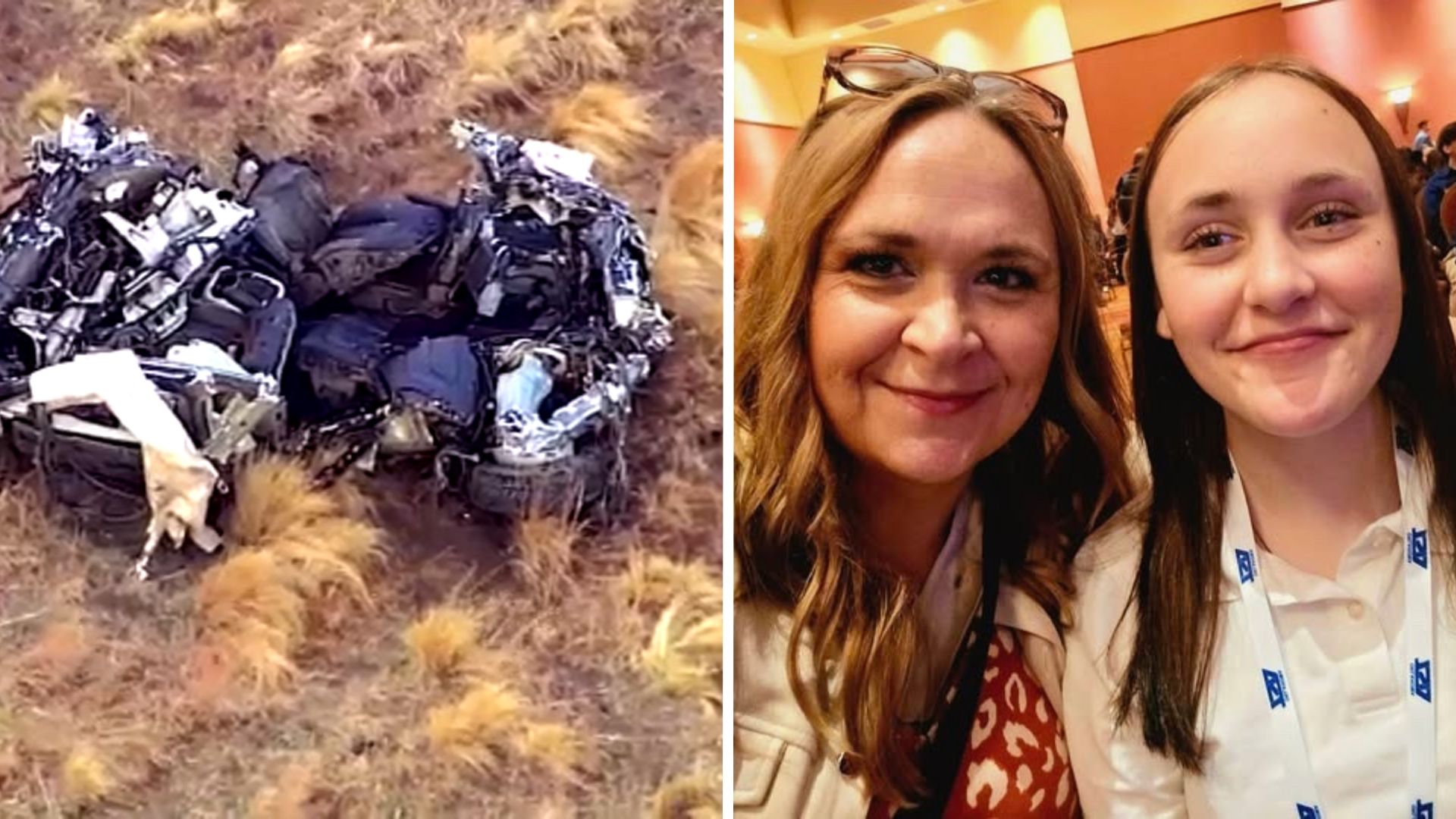
The destruction shifted northward to southern Michigan on Friday afternoon and evening, where a powerful supercell spawned what locals grimly dubbed the “Godzilla of twisters.” The monster tore through Branch County, Cass County, and surrounding areas including Union Lake (near Union City), Three Rivers, Edwardsburg, and Three Rivers itself.
In Branch County, three people perished as the tornado reduced homes to rubble, uprooted massive trees, and flung vehicles skyward. Twelve others were injured, with three hospitalized in critical condition. Shocking cellphone footage captured the chaos: resident Lisa Piper, filming from her deck across frozen Union Lake, watched in horror as a funnel cloud dropped and began its rampage. “It’s lifting houses,” she gasped. “Oh my heart is pounding. Oh, I hope they’re OK.” Debris exploded outward—roof sections, siding, insulation—while power lines snapped and sparked.

In Three Rivers, the twister struck an Applebee’s restaurant, trapping Ashley Steel in her car amid flying debris. Nearby, the roof of a Menards store was peeled back like paper in the parking lot, exposing the interior to raging winds. Homes and businesses suffered catastrophic damage: walls collapsed, roofs torn off, and parking lots transformed into fields of twisted metal and splintered wood.
Cass County reported one additional death in Edwardsburg. Sheriff Clint Roach confirmed the fatality as officials declared a state of emergency. Branch County Sheriff Frederick A. Blankenship expressed profound sorrow: “Our thoughts are with those who have lost family, friends, and property during this incident.”

The National Weather Service verified at least one tornado near Union City, with reports of possible additional touchdowns. Warnings arrived with terrifying brevity in some areas—sometimes less than ten minutes—leaving residents scrambling for shelter as sirens wailed. One resident in nearby regions posted on social media about waking to blaring tornado sirens on Saturday: “Who else woke up to tornado sirens going off this am?!” Another shared viral footage: “Insane—watching the debris just explode everywhere and the Menards roof peel off like it’s nothing,” followed by prayers for the victims.
Thousands lost power across the affected regions, with downed lines, fallen trees, and scattered debris creating hazardous conditions. Authorities urged residents to avoid damaged structures, live wires, and unstable areas. Recovery efforts began immediately, but the scale of destruction—homes leveled, businesses gutted, lives forever altered—posed immense challenges.
This outbreak highlights the volatile nature of early-season severe weather in 2026. Unusually warm temperatures clashing with cold fronts fueled explosive supercells capable of producing long-track, high-end tornadoes even in March. The “particularly dangerous situation” tag in Michigan underscored the life-threatening intensity: fast-moving, rain-wrapped funnels with winds exceeding 150 mph in places.
Experts warn the threat persists. As of Saturday, March 7, severe thunderstorm and tornado watches remained active for millions, with potential for more twisters, destructive straight-line winds, and hail through the weekend. The FOX Forecast Center mapped alerts blanketing vast swaths—from San Antonio and Dallas in Texas, through New Orleans and Jackson in Mississippi, up to Buffalo and Pittsburgh in the Northeast.
For the families of the eight confirmed victims, statistics offer no comfort. In Oklahoma, a mother’s final warning saved her other children but cost her and Lexi everything. In Michigan, ordinary people going about their Friday routines—shopping, dining, heading home—found themselves in the path of unimaginable force.
Communities now rally: first responders comb rubble for survivors, volunteers distribute supplies, and neighbors share stories of narrow escapes. Drone footage and storm chaser videos document the fury—funnels churning over fields, roofs cartwheeling through the air, lightning illuminating apocalyptic scenes.
Yet amid the heartbreak, resilience emerges. Survivors like Lisa Piper captured the moment not for spectacle, but to bear witness. Families mourn publicly while clinging to memories. Officials coordinate aid, and meteorologists track the next system, hoping to buy precious minutes for those in harm’s way.
This week’s “Godzilla” tornadoes serve as a brutal reminder: nature’s power respects no calendar. In early March, when most expect winter’s grip to linger, supercells can awaken with deadly force. Sirens that once seemed routine now echo with urgency.
As cleanup continues and investigations into exact tornado ratings (likely EF-3 or higher in spots) unfold, one truth stands clear: eight lives were lost too soon, and countless others changed forever. Prayers pour in from across the nation for the grieving, the injured, and the displaced.
The weekend forecast offers no immediate relief—more storms loom. For millions still under alert, the message is stark: stay weather-aware, have a plan, and heed the sirens.
In the Heartland, where tornadoes are part of life, this outbreak feels especially cruel—striking early, striking hard, and leaving scars that time alone may never fully heal.
News
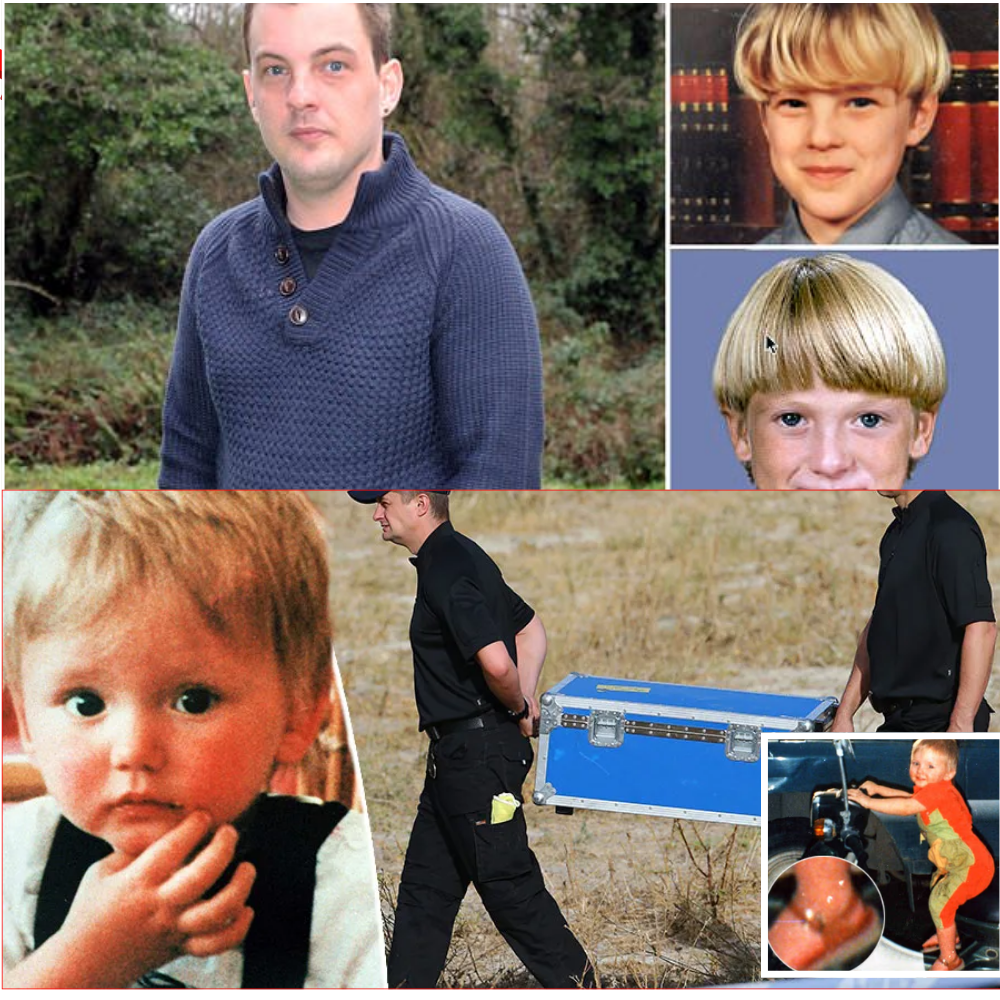
😢 “She’s Waited 35 Years… Now One DNA Test Could Bring Her Baby Home – Or Break Her Again” 🩸 New Photos & Adoption Mystery Explode Online
Ben Needham Latest Update: New Photos and DNA Test Spark Fresh Hope in One of the Longest Toddler Missing Mysteries; What We Know So Far The disappearance of Ben Needham remains one of Britain’s most enduring and heartbreaking unsolved cases. In July 1991, the 21-month-old toddler vanished without a trace from a family farm on […]

Shocking Footage Emerges: Ex-TOWIE Jordan Wright Desperately Sprinting, Clutching Truck in Fear – Hours Later His Body Lies in Thailand’s Murky Drain
The paradise of Phuket’s Bangtao Beach area, with its luxury resorts, infinity pools overlooking the Andaman Sea, and vibrant nightlife, turned sinister in the early hours of March 13, 2026. Grainy black-and-white CCTV footage, now haunting viewers worldwide, captures the final documented moments of 33-year-old Jordan Wright—a former star of The Only Way Is Essex […]
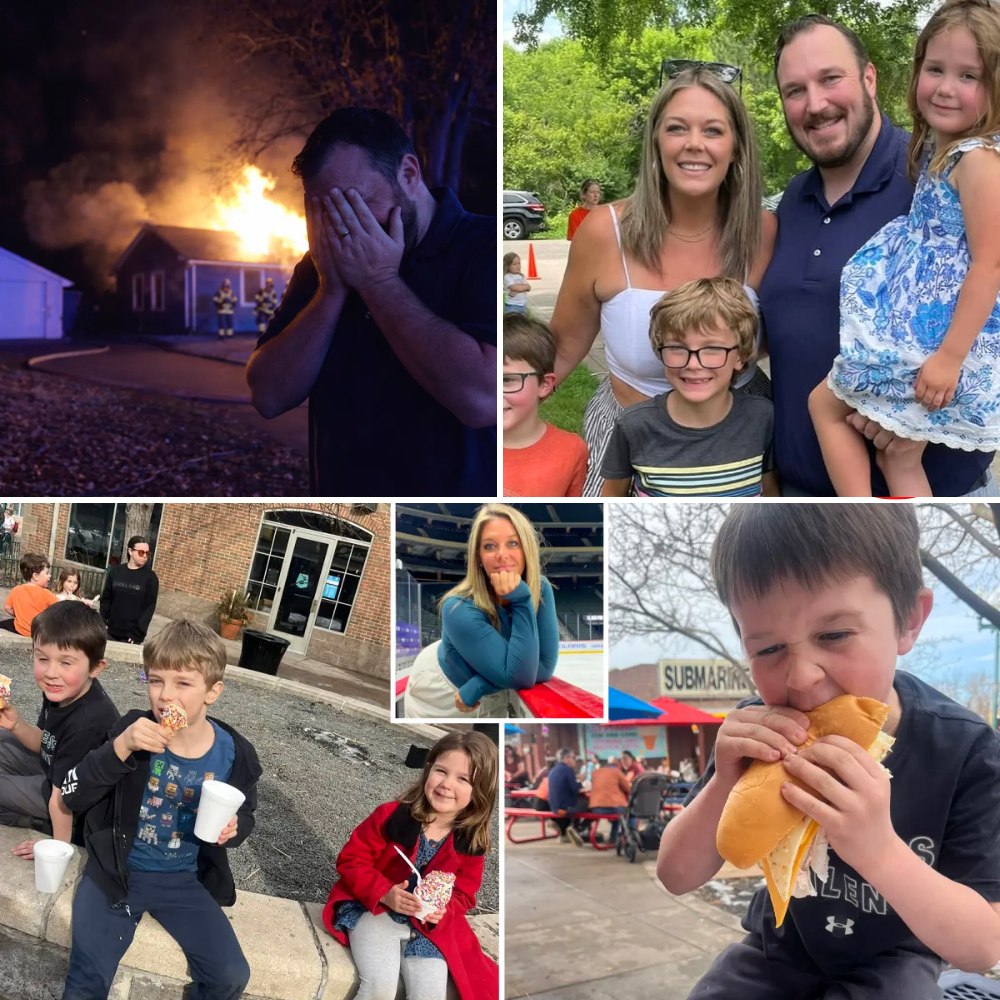
Heartbreaking & Suspicious 😱 Jessi Pierce & 3 Adorable Kids Die in Minnesota House Fire – Husband Miraculously Away…
The early morning silence in White Bear Lake, Minnesota, was brutally shattered on March 21, 2026, when a ferocious blaze erupted from the modest single-family home on the 2100 block of Richard Avenue. Around 5:25 a.m., neighbors were jolted awake by the roar of flames and the thick, choking smoke that poured into the frigid […]

“UMBRELLA” BUT MAKE IT SOUL-CRUSHING! 😍 Braden Rumfelt delivers the most emotional Idol performance ever… from whisper to chills in seconds! Who’s replaying? 🔁💥
“HE DIDN’T JUST SING… HE MADE EVERYONE FEEL IT.” When Braden Rumfelt stepped onto the American Idol stage, no one expected the kind of moment that followed. Covering a hit by Rihanna, he delivered a smooth, emotional performance that instantly shifted the energy in the room. From the first note, it felt different. His voice […]

THE HIDDEN SIDE OF AMERICAN IDOL NO ONE SEES! 😢 Missouri mom Hannah Harper opens up about guilt, exhaustion & rising pressure in Top 14 👶🎤 Who’s Team Hannah?
Missouri native Hannah Harper is opening up about the reality behind her American Idol journey, admitting the challenge of balancing life as a stay-at-home mom while stepping into the spotlight. As she competes for America’s vote in the Top 14, the pressure is only growing. Behind the scenes, Hannah revealed the demanding schedule, emotional weight, […]

19 YEARS LATER… REBA CAST REUNITED & IT FEELS LIKE NO TIME PASSED! 🔥 Hugs, laughs, & epic prank call to JoAnna! This healed my 2000s heart 😍
After 19 Years… The Reba Family Is Finally Back Together. Time may pass, shows may end, but some bonds never fade. Nearly two decades after the beloved sitcom Reba left our screens, the cast reunited for the first time on the set of Happy’s Place. The moment they saw each other again, it felt like […]
End of content
No more pages to load