CONGRATS!!! That viral performance of Black Sabbath’s “Changes” at last summer’s Back to the Beginning concert just won a Grammy for Best Rock Performance!
:max_bytes(150000):strip_icc():focal(720x427:722x429)/ozzy-osbourne-yungblud-070925-1-43d78fcaf9424005a45e3f0e0720cfce.jpg)
It was a tearful moment onstage as Yungblud paid tribute to Ozzy onstage with Frank Bello, Nuno Bettencourt, Adam Wakeman and Sharon Osbourne.
On February 1, 2026, at the 68th Annual Grammy Awards Premiere Ceremony in Los Angeles, the rock world witnessed a moment of pure, raw emotion. Yungblud—real name Dominic Harrison—along with his powerhouse collaborators Nuno Bettencourt (Extreme), Frank Bello (Anthrax), Adam Wakeman (Ozzy’s longtime keyboardist), and Sleep Token’s II on drums, took home the Grammy for Best Rock Performance for their live rendition of Black Sabbath’s timeless ballad “Changes (Live From Villa Park / Back To The Beginning).”
The win wasn’t just an award; it was a cathartic celebration of legacy, loss, and unbreakable musical bonds. The performance, captured during Ozzy Osbourne’s final concert on July 5, 2025, at Villa Park in Birmingham, England, had already gone mega-viral, amassing millions of views and sparking endless tears across social media. Now, Grammy gold has immortalized it. As Yungblud clutched the trophy, tears streaming, he brought Sharon Osbourne onstage for an embrace that spoke volumes—grief, gratitude, and the enduring power of rock ‘n’ roll.
This wasn’t a typical Grammy moment. It was a bridge between generations: a 27-year-old British punk-rock firebrand honoring the Prince of Darkness, who had passed away at 76 just weeks after that fateful Birmingham night. Ozzy’s death in late July 2025 from complications related to Parkinson’s disease sent shockwaves through the music world. The “Back to the Beginning” concert—billed as Black Sabbath and Ozzy’s farewell—was already legendary. But Yungblud’s soul-stirring take on “Changes,” a piano-driven 1972 track from Black Sabbath Vol. 4 that Ozzy once called one of his most personal, elevated it to something transcendent.
Picture the scene: Villa Park, home to Aston Villa FC and a spiritual ground zero for Birmingham’s heavy metal birthplace, packed with over 40,000 fans. The sun sets, the air thick with anticipation and melancholy. Black Sabbath’s core—Tony Iommi, Geezer Butler, Bill Ward—had reunited for what many knew might be their last stand. Ozzy, frail but defiant, delivered classics with that unmistakable rasp. Then came the surprise: Yungblud steps out, backed by a supergroup of metal titans. No pyrotechnics, no chaos—just vulnerability.
Yungblud’s voice cracked with emotion from the first notes. The arrangement stayed faithful yet amplified: Adam Wakeman’s haunting keys, Nuno’s delicate guitar swells, Frank Bello’s steady bass pulse, II’s subtle, heartbeat-like drums. Yungblud didn’t mimic Ozzy; he channeled him—raw, heartfelt, almost conversational. Lines like “I feel unhappy, I feel so sad / I lost the best friend that I ever had” hit harder in the wake of Ozzy’s impending farewell. Fans reported goosebumps, open weeping, phones held high in silent tribute. Social media exploded: “This is the best cover I’ve ever heard,” one commenter wrote. “He nailed the rawness Ozzy put into it.” Another: “Yungblud just became a legend tonight.”

Proceeds from the live single release supported Cure Parkinson’s, Birmingham Children’s Hospital, and Acorns Children’s Hospice—charities close to the Osbourne family. The recording, announced shortly after the show and featured in the upcoming concert film Back To The Beginning: Ozzy’s Final Bow, captured lightning in a bottle.
Fast-forward to the Grammys. Nominated against heavy hitters—Amyl and the Sniffers’ “U Should Not Be Doing That,” Hayley Williams’ “Mirtazapine,” Linkin Park’s “The Emptiness Machine,” Turnstile’s “Never Enough”—the win felt destined. In his acceptance speech, Yungblud was visibly shaken. “You do not expect to be up here and then you fucking are so it’s wild,” he said, voice breaking. He dedicated it to Ozzy: “To grow up loving an idol that helps you figure out your identity, not only as a musician but also as a man, is something that I’m truly grateful for.”
He continued: “But then to get to know them and form a relationship with them, honor them at their final show, and receive this because of it, is something that I, and I think we’re all, are finding so strange to comprehend.” Bringing Sharon onstage, he added, “God bless fucking Ozzy Osbourne.” The room erupted. Nuno Bettencourt, in interviews, spoke of rock’s resilience: “Don’t fear AI—human emotion like this wins.” Yungblud later revealed he lit a candle with Sharon the night before, whispering, “It’s all for Ozzy tonight.”
Yungblud’s journey to this moment is a rock ‘n’ roll fairy tale. Born in Doncaster, England, in 1998, Dominic Harrison grew up idolizing Ozzy, Black Sabbath, and the misfits of rock. His stage name “Yungblud” (stylized all caps) reflects his outsider ethos—punk attitude, pop hooks, unapologetic vulnerability. Debuting in 2018 with “21st Century Liability,” he became the voice of Gen Z angst: songs about mental health, identity, rebellion. Hits like “I Think I’m OKAY” (with Machine Gun Kelly and Travis Barker), “parents,” and “cotton candy” built a massive, devoted fanbase.
But his connection to Ozzy ran deeper. They met backstage years ago—Yungblud gifted Ozzy a handmade cross from a friend. Ozzy, ever the mentor to young rebels, took him under his wing. Yungblud called Ozzy “the greatest of all time,” crediting him for teaching authenticity. Post-Ozzy’s passing, Yungblud performed “Changes” at Lollapalooza India and elsewhere, keeping the flame alive.
“Changes” itself is no ordinary track. Written by Ozzy and Geezer Butler during Sabbath’s creative peak, it’s a melancholic piano ballad about loss and reflection—rare vulnerability from the band that invented heavy metal. Ozzy’s original 1972 version is sparse, haunting; Yungblud’s live take added urgency, a modern edge without losing soul. Critics hailed it: “One of the best Ozzy covers ever,” “Goosebumps from start to finish.” The Grammy win validates that crossover power—punk meets metal, youth honors legend.
The broader impact? This victory injects life into rock at the Grammys, often criticized for pop dominance. Yungblud’s win, shared with metal veterans, bridges eras. Fans flooded social media: “OZZY FOREVER!!!!” “So deserved.” Some debated nominees, but most celebrated the emotion.
As the concert film nears release and Yungblud’s career surges—first Grammy, new music brewing—the moment endures. It reminds us: music heals, connects, outlives us. In Birmingham’s summer night, a young rebel sang for his hero. At the Grammys, that song won gold. Rock isn’t dead—it’s alive, tear-streaked, triumphant.
News
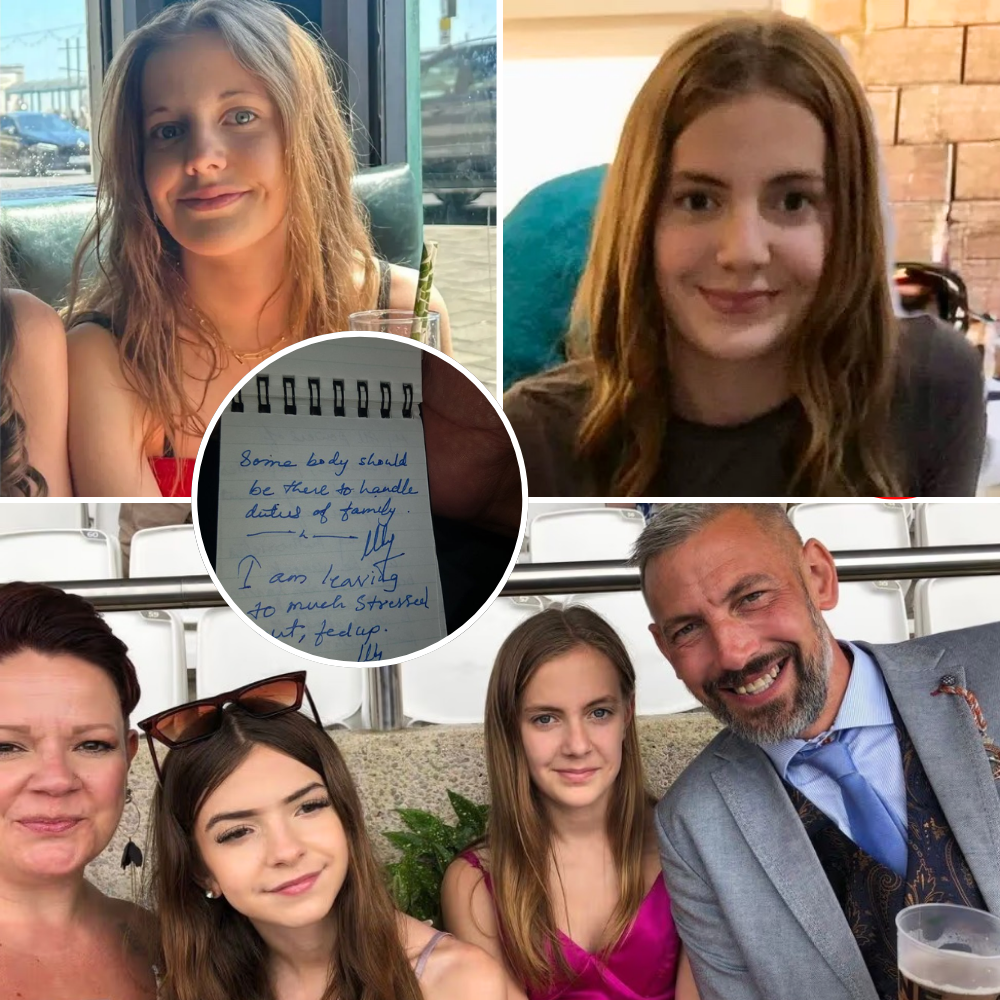
Mum Went to Wake Her 12-Year-Old for School… Instead Found Amelia Dead After Relentless Snapchat Torment 😭 Last Night She Was Happy & Laughing – The Devastating Details Inside
A cheerful 12-year-old girl with a smile that warmed every room spent her final evening wrapped in the simple joys of family life, laughing freely while sharing fish and chips at her grandparents’ house. No one could have predicted that the next morning would bring the kind of silence no parent should ever endure. On […]
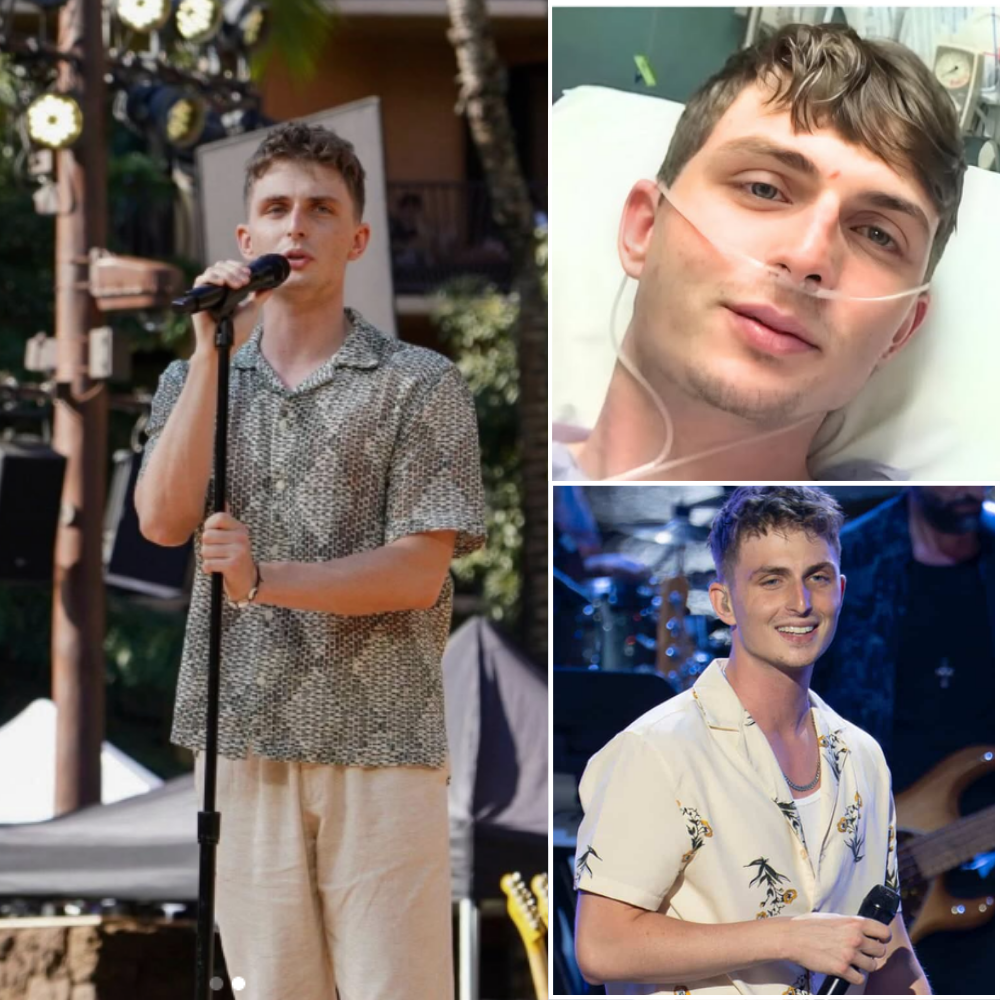
👀 American Idol Judges Stunned by Braden Rumfelt’s Voice After Two Major Surgeries Destroyed His Baseball Career — His Comeback Story Is Unbelievable! 😱
The spotlights in the American Idol audition room pulsed with that familiar electric hum as 22-year-old Braden Rumfelt stepped forward, guitar slung over his shoulder, his twin brother Kellen right beside him with fingers poised on the strings. Murphy, North Carolina, felt a world away in that moment—the small-town life of substitute teaching, quiet family […]
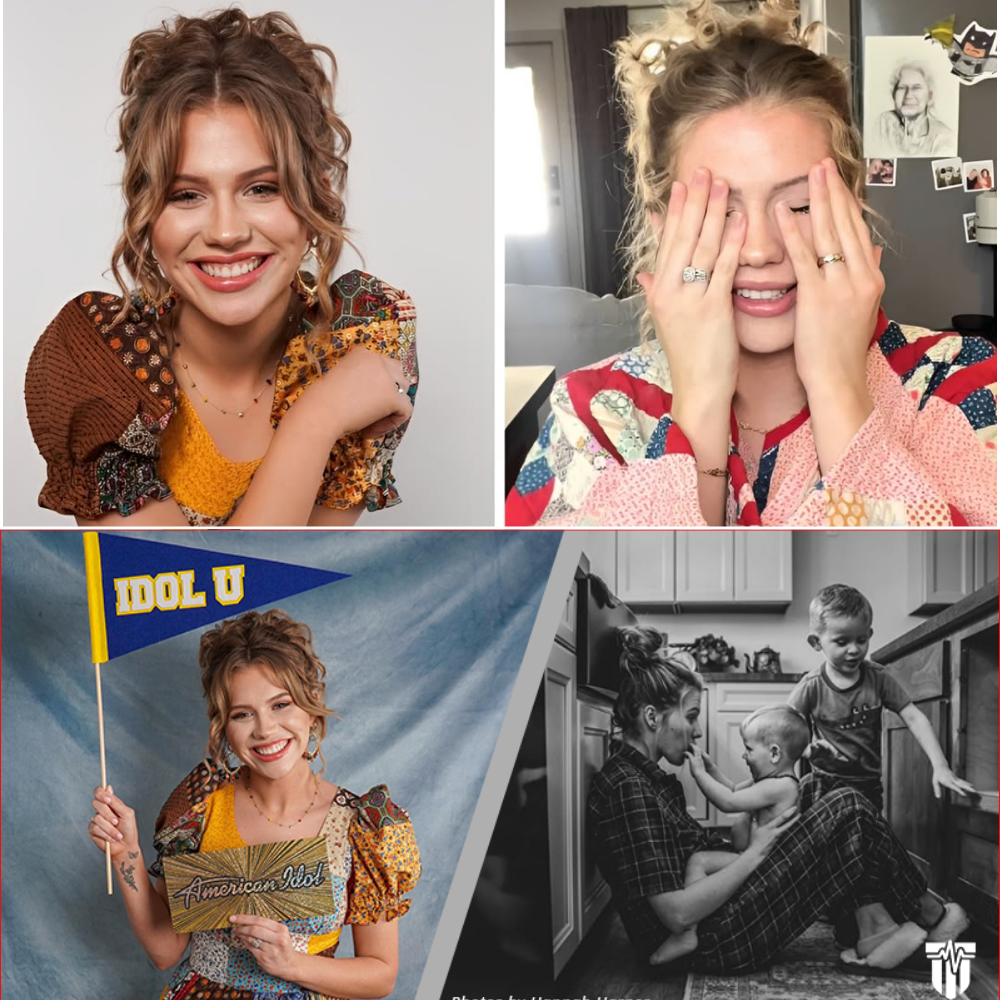
😲 She Wrote “String Cheese” While Battling Postpartum Depression… Now Hannah Harper Is Stealing American Idol! Her Incredible Journey Will Inspire You ❤️
The Hawaiian stage lights bathed the Aulani Resort in a golden glow as 25-year-old Hannah Harper, a stay-at-home mom from the tiny town of Bunker, Missouri, gripped the microphone with the same quiet determination she once used to wrangle three rambunctious boys through a long day of laundry and snacks. Her homemade patchwork dress shimmered […]
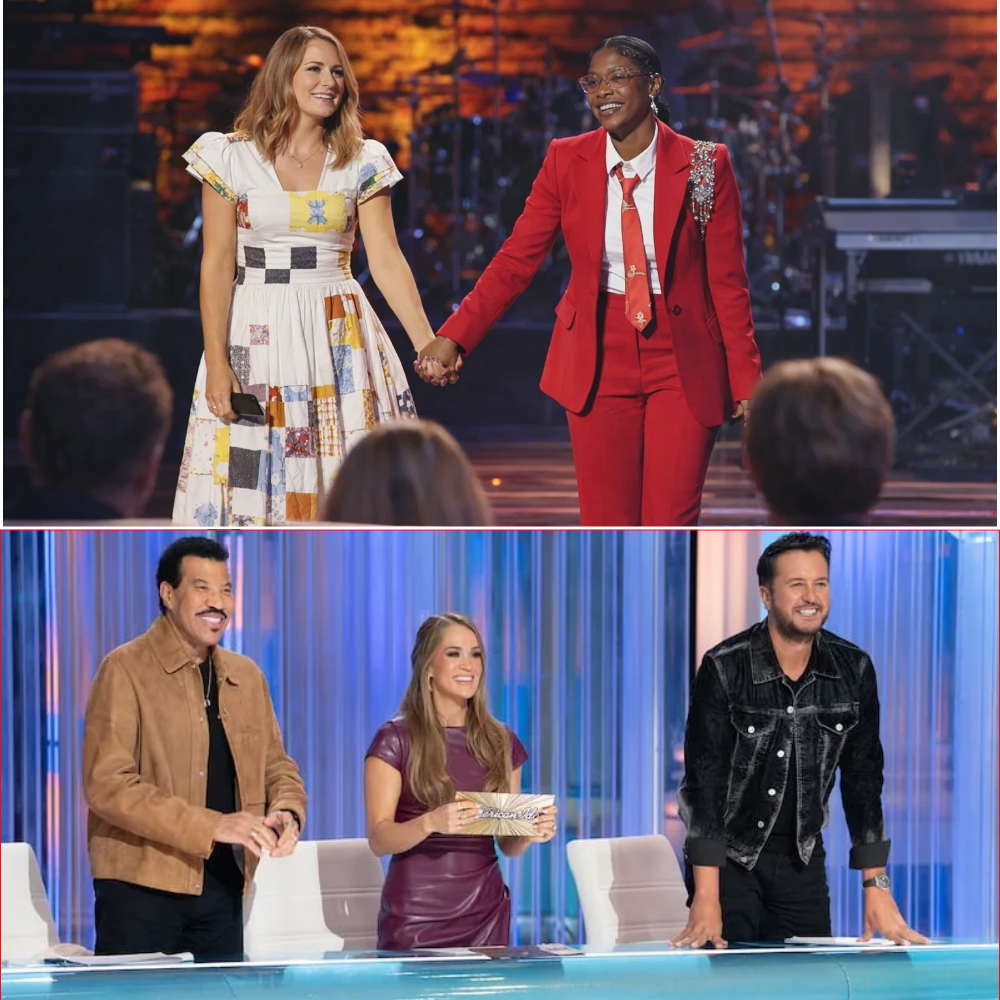
😱 American Idol Top 20 Poll SHOCK: Hannah Harper & Keyla Richardson Dominate… But Who’s Going HOME Next? 😭 Who’s in Danger?
Hawaii’s sun-drenched shores at Disney’s Aulani Resort became the unlikely battlefield where American Idol Season 24’s Top 20 delivered heart-stopping performances that have left fans divided, judges stunned, and Gold Derby readers casting their clearest verdict yet on who might not survive America’s vote. With the first live results episode looming on March 30, the […]
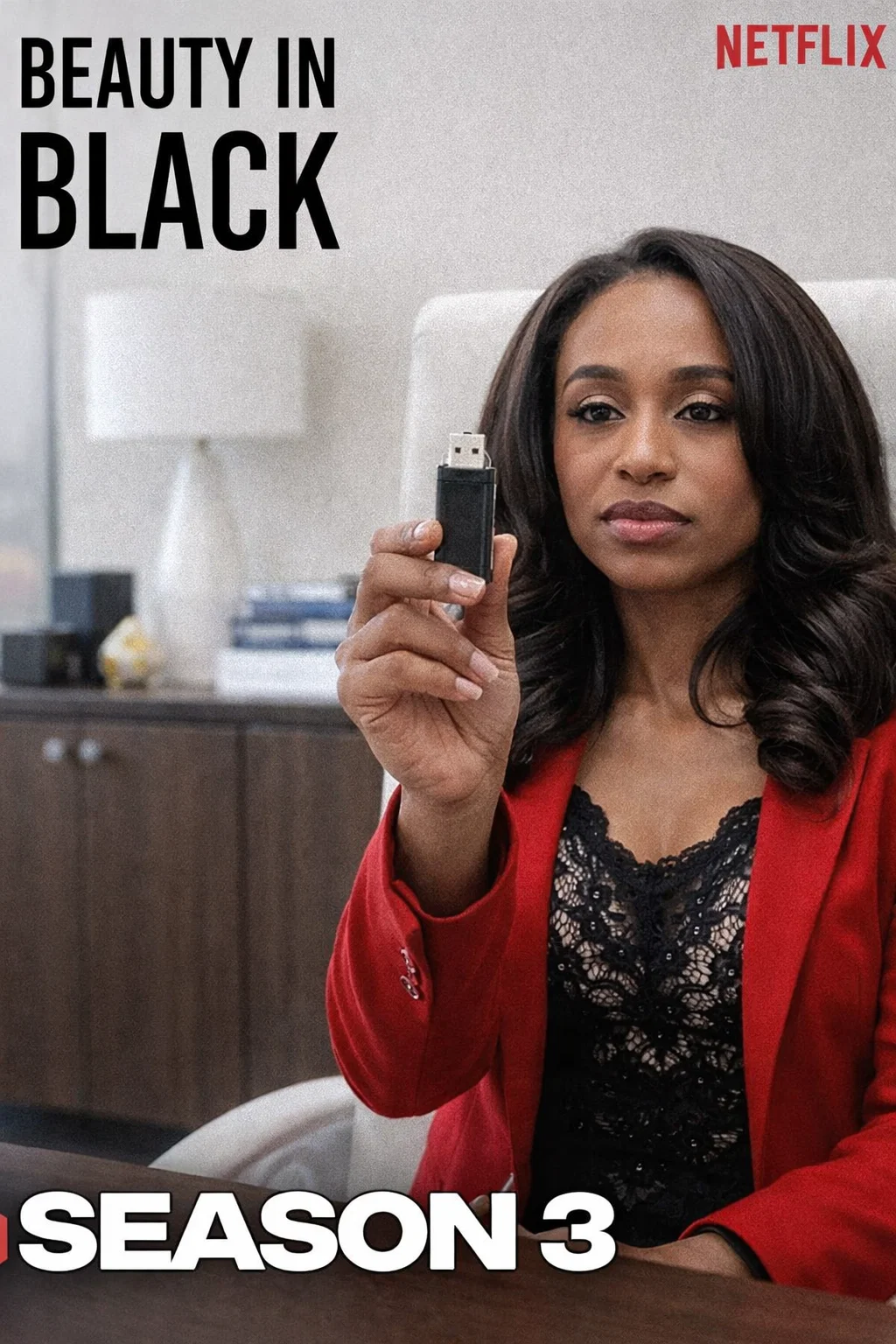
😱💔 Kimmie Standing On The Rooftop With That USB Drive Has Fans Terrified — Is She About To Destroy The Entire Bellarie Empire? 👀
The first explosive trailer for Beauty in Black Season 2 Part 2 is here — and everything shifts fast. The new footage shows Kimmie stepping fully into her power with zero hesitation, but one bold move has fans in total shock. Is she protecting herself… or setting something much bigger in motion? The stakes feel […]

💥 “Is The Baby Okay?” — Virgin River Season 7 Finale Left One Devastating Clue About Mel & Jack’s Child That Changes Everything 😭
Netflix just dropped the news everyone has been waiting for: Virgin River is officially returning for Season 7 — and fans are already bracing for another emotional chapter. The release date and exact drop time are now confirmed, meaning the next wave of romance, heartbreak, and small-town secrets is closer than expected. But one storyline […]
End of content
No more pages to load