Golden Blades and Bold Dreams: Alysa Liu’s Olympic Triumph Ignites a New Era of Authenticity in Figure Skating

Alysa Liu stood at the center of the ice in Milan, her sparkly golden dress catching the arena lights like a disco ball reborn for the Olympic stage. The final notes of Donna Summer’s “MacArthur Park” faded as she struck her ending pose, chest heaving, a radiant smile breaking across her face. When the scores flashed—226.79 total points, vaulting her from third after the short program to first overall—the 20-year-old Californian had just done the unthinkable. She claimed Olympic gold in women’s singles, the first American woman to win the event since Sarah Hughes in 2002 and the first U.S. medal of any color since Sasha Cohen’s silver in 2006. Moments earlier, she had already secured team gold alongside Ilia Malinin. But for Liu, this victory wasn’t just about history books or national pride. It was proof that stepping away, reclaiming control, and skating purely for joy could rewrite the rules of a sport long defined by rigid perfection.
Hours later, in an exclusive conversation with E! News, Liu’s words spilled with the same unfiltered energy that defined her performance. “I have work that I want to put out,” she declared. “I have creative ideas. I’m really into fashion and I love to express myself in any way and sharing my story and my life experiences. I love storytelling and I love hearing other stories from other people, too.” This wasn’t the polished soundbite of a medal-chasing prodigy. This was Alysa Liu, fully herself at last—striped hair glowing in brown and gold bands, frenulum piercing glinting, ready to chase designs, narratives, and individuality far beyond the rink.
To understand the magnitude of her Milan moment, rewind to a sport that once consumed her entirely. Liu burst onto the scene as a prodigy unlike any other. Born August 8, 2005, in the Bay Area, she laced up her first skates at age five. By 12, she landed a clean triple Axel in international competition—the youngest American to do so. At 13, she became the youngest U.S. national champion in history, hoisting the trophy so high her coach had to help her reach the top step of the podium. A year later, she added a quad Lutz, the first American woman to land one in competition. She racked up Junior Grand Prix titles, Challenger Series golds, and back-to-back senior national crowns before most teens get their driver’s license.
Her technical arsenal stunned the world: triple Axel-triple toe combinations, quads in combination, spins that blurred into artistic statements. Coaches and commentators hailed her as the future of U.S. ladies’ skating, the one who would finally end decades of medal drought. At the 2022 Beijing Olympics, just 16, she delivered a solid sixth-place finish in the team event and seventh in singles, smiling through braces and waving to cameras with genuine glee. Behind the joy, however, cracks were forming. The sport had swallowed her childhood. Training consumed every hour. Diets were monitored. Music and costumes were chosen for her. “There was a time where I wasn’t confident in myself or I didn’t know I could step out of the lane,” she later reflected. Skating wasn’t fun anymore. It was obligation.
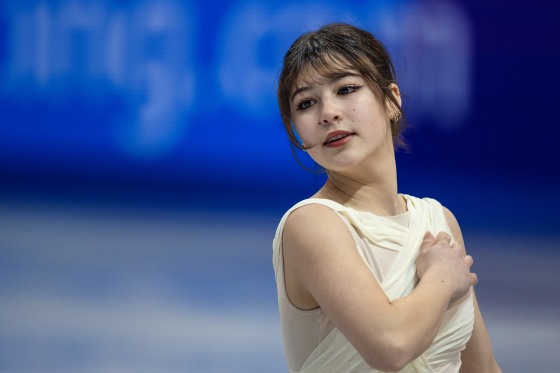
In April 2022, weeks after Worlds bronze, Liu dropped a bombshell Instagram post: she was retiring. “I’m really glad I skated,” she wrote simply. No drama, no press tour—just a teenager choosing herself. She enrolled at UCLA, studied psychology, skied for the first time, hung out with friends, and rediscovered what normal felt like. For two seasons, the ice sat empty in her rearview. Then, in early 2024, something shifted. A ski trip reawakened the adrenaline rush. She tried a double Axel on a whim and nailed it. “That first session, I tried the double Axel, and I could do it,” she recalled. The love returned—not as pressure, but as choice. By March 2024, she announced her comeback. Training resumed on her terms, with remote coaching from Phillip DiGuglielmo and Massimo Scali while balancing college life in Lakewood, California.
The return was meteoric yet measured. She won the 2024 CS Budapest Trophy and Golden Spin. In 2025, she claimed silver at U.S. Nationals, fourth at Four Continents, then stunned everyone by winning Worlds—the first American woman since Kimmie Meissner in 2006. Grand Prix Final gold followed. At the 2026 U.S. Championships, she took silver behind Amber Glenn but earned her Olympic ticket. In Milan, she delivered. Short program third, free skate flawless with seven clean triples to that infectious disco track. She pumped her fist, pointed skyward, and later hugged Japanese bronze medalist Ami Nakai in pure sportsmanship. “I was feeling calm, happy, and confident,” she said afterward. “I’m just so happy that I could bring Oakland to Milan.”
Her father, Arthur Liu, watched from the stands with her four siblings—Selina and triplet brothers and sister—cheering wildly. Arthur’s own story adds profound layers to Alysa’s triumph. Born in a remote Sichuan village without electricity, one of six children, he fled China in 1989 after participating in pro-democracy protests tied to Tiananmen Square. Smuggled out via Operation Yellowbird, he arrived in the U.S. with nothing, working as a busboy before earning law degrees and building a practice in the Bay Area. As a single father, he used surrogacy and anonymous egg donors to welcome five children, raising them with help from his mother who immigrated from China. Alysa, the eldest, grew up steeped in stories of resilience and freedom. Arthur introduced her to skating after seeing Michelle Kwan on TV, hoping it would channel her energy. He never pushed for China representation; Alysa was American through and through. In 2022, federal charges revealed Chinese spies had targeted Arthur and even young Alysa, stalking them to silence dissident voices. The family’s journey from oppression to Olympic podium felt poetic. Alysa skated not just for gold, but for the liberties her father risked everything to secure.
Off the ice, Liu’s authenticity shines brightest. Her signature halo hairstyle—bands added each competitive year like tree rings—symbolizes growth. For Olympics, brown and gold stripes honored the moment. She chooses her own music, often quirky and upbeat, rejecting the classical molds that once defined the sport. Her programs feel like personal statements: joyful, narrative-driven, full of personality. “There needs to be more individuality,” she insists. “People deserve the space to express themselves and I’m glad that people are looking to me as inspiration to do that. Success looks different on everybody and it can mean different things to people.”

That philosophy extends far beyond jumps. Liu has partnered with Gillette Venus as the official razor of Team USA for the Milano Cortina Games. “I’m picky with blades, so this one? It’s the one,” she laughed in the E! interview. “On the ice, it’s my get-ready, pre-competition routine and it doesn’t leave my skin dry. It’s a good razor.” The collaboration underscores self-care rituals that keep her grounded amid elite demands. Smooth skin, sharp blades, calm mind—small acts of control in a sport that once dictated everything.
Now, with Olympic gold secured, Liu eyes a future as vibrant as her free skates. Fashion design tops the list. “I have creative ideas,” she emphasized. She envisions putting out collections that blend athletic elegance with personal storytelling—perhaps garments inspired by her programs, cultural heritage, or the emotional arcs of comeback. She wants to share her life experiences and hear others’. Psychology studies at UCLA fuel this: understanding mental health, burnout, and the power of authenticity. “It feels like I’m really just doing what I want to do and I’m more confident in myself,” she said of post-retirement life.
Figure skating insiders note how Liu is reshaping the culture. For decades, the sport rewarded conformity: identical spins, prescribed aesthetics, suppressed personalities. Russian quad queens dominated technically, but artistry often felt secondary. Liu proves technical brilliance and individuality can coexist. Her embrace of pop anthems, bold hair, and visible joy inspires young skaters to experiment. Teammate Amber Glenn has praised how Liu prioritizes mental well-being, encouraging others to step back when needed. Olympian Aly Raisman called Liu’s gold “healing,” a reminder that winning on your own terms matters more than medals alone.
As she prepares to return home, Liu is deliberate about protecting her peace. “It’s still me. I want my life to stay as similar as possible,” she shared. “I’m really going to try to keep my peace because I like my life, so I don’t want it to be too chaotic. I want it to stay calm and peaceful and chill.” No overnight fame whirlwind if she can help it. She’ll resume training, brainstorm new programs—“I have some program ideas, so I see more dresses in the future”—and treat choreography, music cuts, hair, and costumes as holistic art. “I love packaging programs together… It’s hard to do. It’s an art in itself, and I love to do it.”
Her story resonates beyond skating. In an era of youth sports burnout, where prodigies are pushed to breaking points, Liu models sustainable passion. She walked away at 16, lived, learned, and returned stronger at 20—not because she had to, but because she wanted to. That shift from “have to” to “want to,” as one analyst framed it, unlocked her peak. It also highlights immigrant resilience. Arthur Liu fled authoritarianism for American opportunity; his daughter now stands as its golden symbol, her victory broadcast to billions, including those in China where her father’s protests remain censored.
Looking ahead, Liu’s creative projects could blossom into something substantial. Imagine a fashion line merging performance wear with street style, infused with storytelling elements—each piece narrating resilience, joy, or cultural fusion. Podcasts interviewing athletes about their “off-ice” selves. Books or documentaries chronicling the mental side of elite competition. She already tours with Stars on Ice, performs in galas, and collaborates with brands like Nike, Ralph Lauren, and Toyota. The foundation is there; her Olympic platform amplifies it exponentially.
Critics might wonder if gold changes her. Will pressure creep back? Liu seems unfazed. She hugs rivals, fist-pumps with abandon, and speaks candidly about loving the process over podiums. “Winning isn’t all that, and neither is losing,” she has said in essence through her actions. Her 2026 exhibition gala skate to PinkPantheress kept the joy flowing, proving the party doesn’t end with the medal ceremony.
In the broader Olympic landscape, Liu joins a cohort of history-makers: Norwegian skier Johannes Høsflot Klæbo with his record golds, American speed skater Jordan Stolz setting records, Brazilian skier Pinheiro Braathen securing South America’s first Winter medal, and others breaking barriers in hockey, skeleton, curling. Yet Liu’s narrative stands apart for its intimacy—the teenager who chose normalcy, the daughter honoring her father’s fight for freedom, the artist refusing to be boxed in.
As Milan’s lights dim and the 2026 Games fade into memory, Alysa Liu skates forward on her terms. Fashion sketches wait in her notebook. Stories beg to be told. Programs yearn for packaging. And somewhere in Oakland, a single father who crossed oceans for liberty watches his daughter prove that the greatest victories come when you finally own the ice beneath your feet. Her gold isn’t just metal around her neck. It’s permission—for herself, for every young skater doubting their lane, and for anyone brave enough to step away, breathe, and return shining brighter than before.
The sport will never be the same. Figure skating has its new queen, and she’s wearing stripes, smiling wide, and already dreaming up the next chapter. Whether on the podium or the runway, Alysa Liu is just getting started.
News
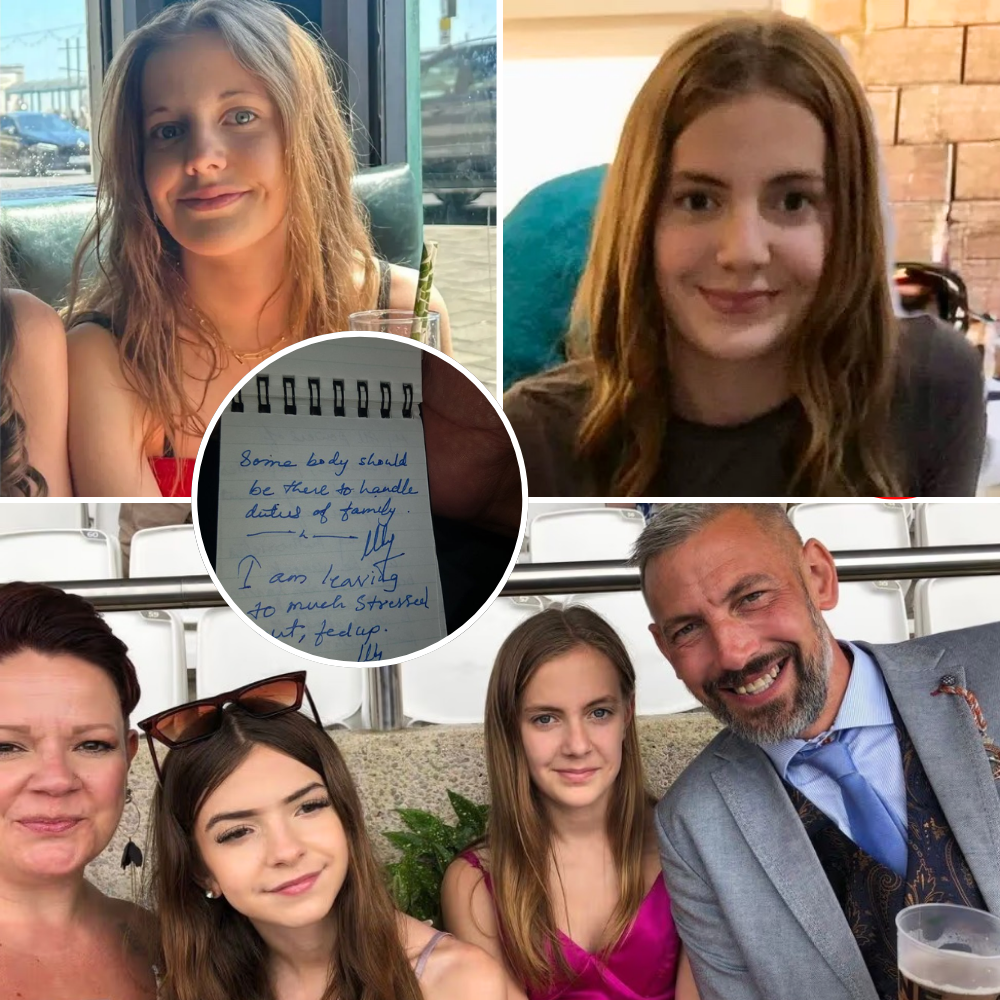
Mum Went to Wake Her 12-Year-Old for School… Instead Found Amelia Dead After Relentless Snapchat Torment 😭 Last Night She Was Happy & Laughing – The Devastating Details Inside
A cheerful 12-year-old girl with a smile that warmed every room spent her final evening wrapped in the simple joys of family life, laughing freely while sharing fish and chips at her grandparents’ house. No one could have predicted that the next morning would bring the kind of silence no parent should ever endure. On […]

👀 American Idol Judges Stunned by Braden Rumfelt’s Voice After Two Major Surgeries Destroyed His Baseball Career — His Comeback Story Is Unbelievable! 😱
The spotlights in the American Idol audition room pulsed with that familiar electric hum as 22-year-old Braden Rumfelt stepped forward, guitar slung over his shoulder, his twin brother Kellen right beside him with fingers poised on the strings. Murphy, North Carolina, felt a world away in that moment—the small-town life of substitute teaching, quiet family […]
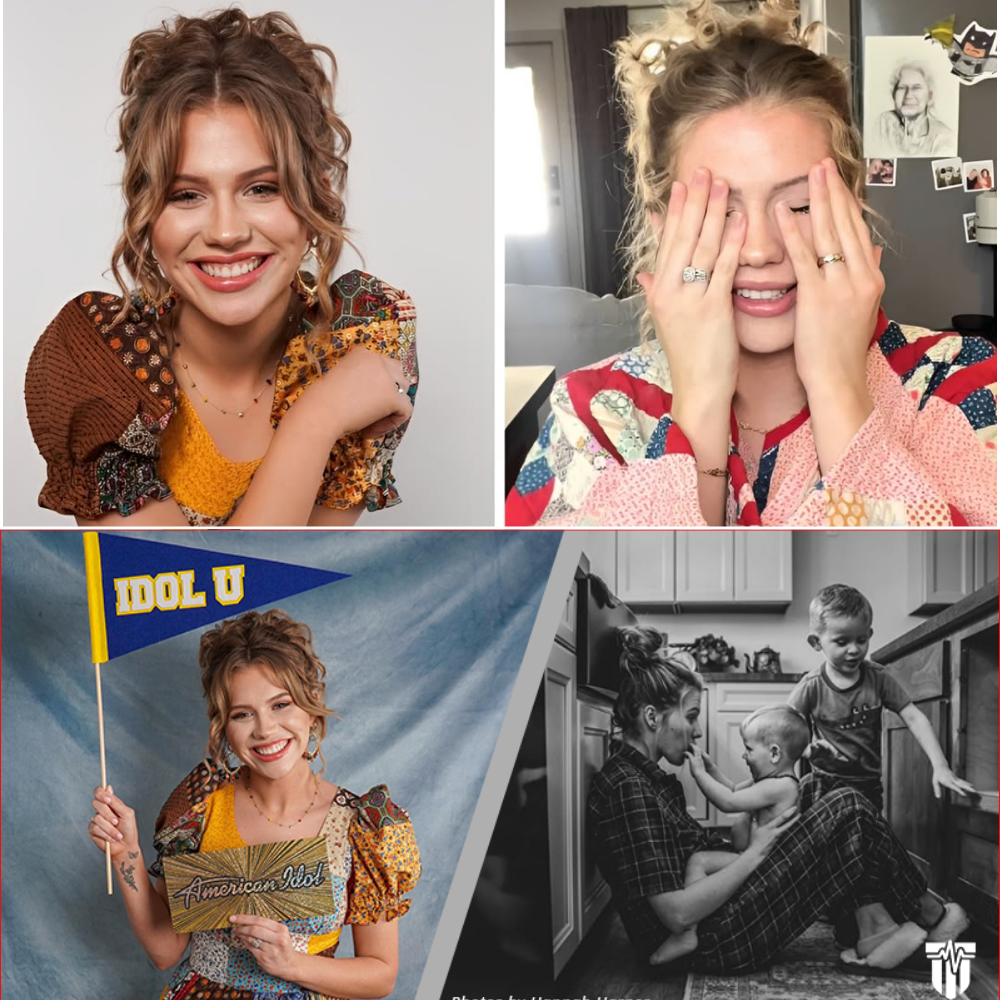
😲 She Wrote “String Cheese” While Battling Postpartum Depression… Now Hannah Harper Is Stealing American Idol! Her Incredible Journey Will Inspire You ❤️
The Hawaiian stage lights bathed the Aulani Resort in a golden glow as 25-year-old Hannah Harper, a stay-at-home mom from the tiny town of Bunker, Missouri, gripped the microphone with the same quiet determination she once used to wrangle three rambunctious boys through a long day of laundry and snacks. Her homemade patchwork dress shimmered […]
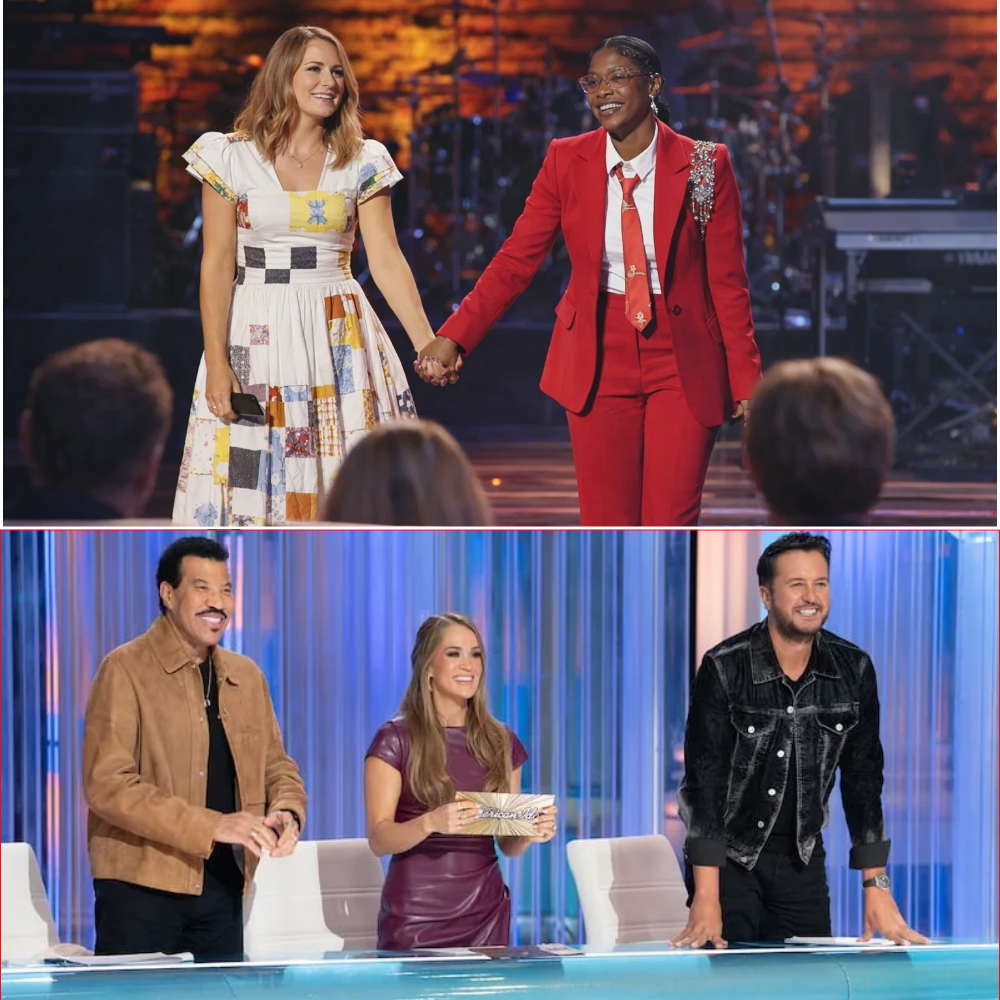
😱 American Idol Top 20 Poll SHOCK: Hannah Harper & Keyla Richardson Dominate… But Who’s Going HOME Next? 😭 Who’s in Danger?
Hawaii’s sun-drenched shores at Disney’s Aulani Resort became the unlikely battlefield where American Idol Season 24’s Top 20 delivered heart-stopping performances that have left fans divided, judges stunned, and Gold Derby readers casting their clearest verdict yet on who might not survive America’s vote. With the first live results episode looming on March 30, the […]
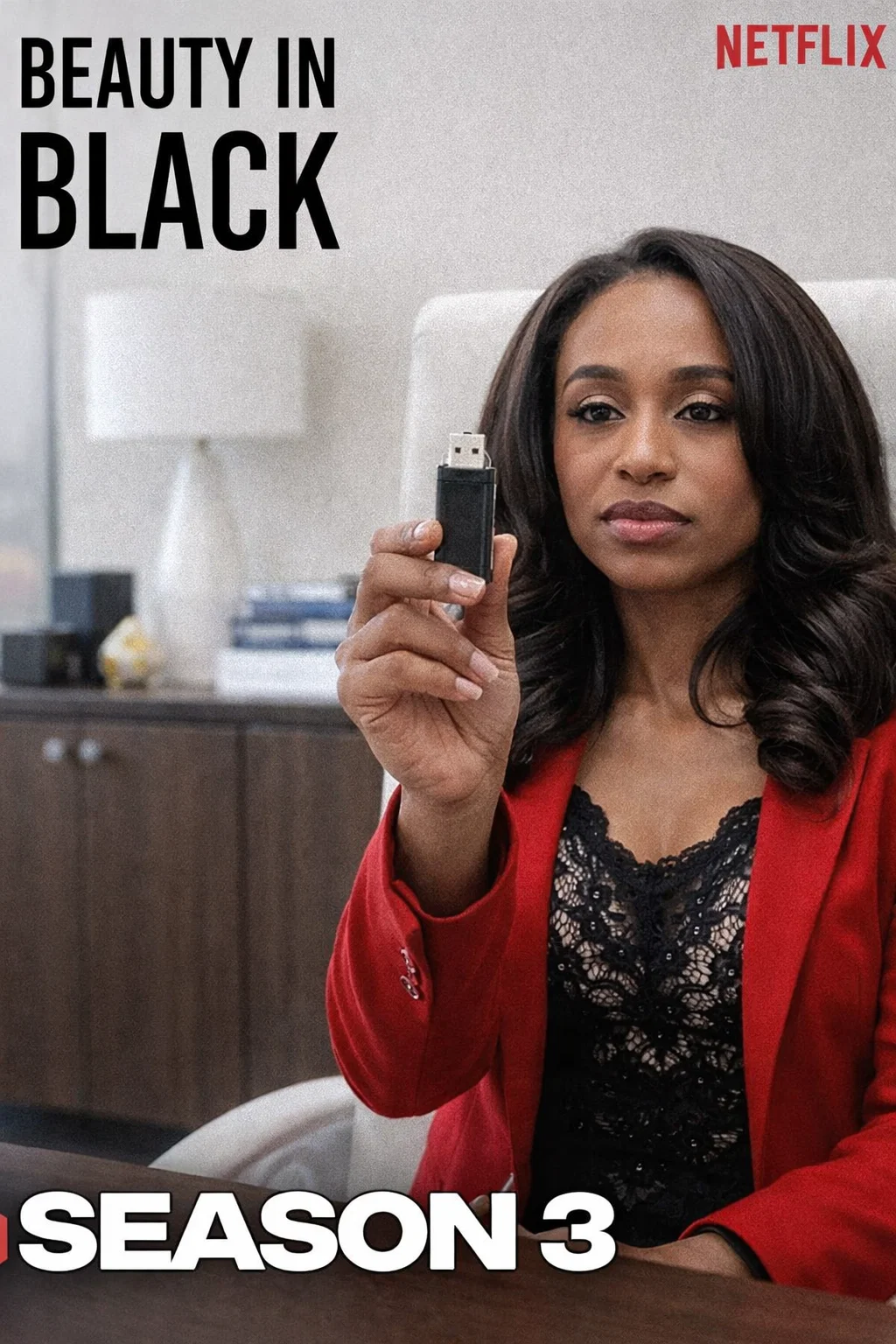
😱💔 Kimmie Standing On The Rooftop With That USB Drive Has Fans Terrified — Is She About To Destroy The Entire Bellarie Empire? 👀
The first explosive trailer for Beauty in Black Season 2 Part 2 is here — and everything shifts fast. The new footage shows Kimmie stepping fully into her power with zero hesitation, but one bold move has fans in total shock. Is she protecting herself… or setting something much bigger in motion? The stakes feel […]

💥 “Is The Baby Okay?” — Virgin River Season 7 Finale Left One Devastating Clue About Mel & Jack’s Child That Changes Everything 😭
Netflix just dropped the news everyone has been waiting for: Virgin River is officially returning for Season 7 — and fans are already bracing for another emotional chapter. The release date and exact drop time are now confirmed, meaning the next wave of romance, heartbreak, and small-town secrets is closer than expected. But one storyline […]
End of content
No more pages to load