The quiet halls of B.C. Children’s Hospital in Vancouver have become a beacon of fragile hope amid one of Canada’s most devastating tragedies. Twelve-year-old Maya Gebala, a bright-eyed Grade 7 student and passionate young hockey player from the remote northern British Columbia town of Tumbler Ridge, lies in intensive care fighting for her life after sustaining severe gunshot wounds to the head and neck during the February 10, 2026, mass shooting at Tumbler Ridge Secondary School. Doctors initially gave her little chance of surviving the first night, yet in a series of small but profound updates shared by her family, Maya is showing signs of resilience that have captured the hearts of Canadians from coast to coast.
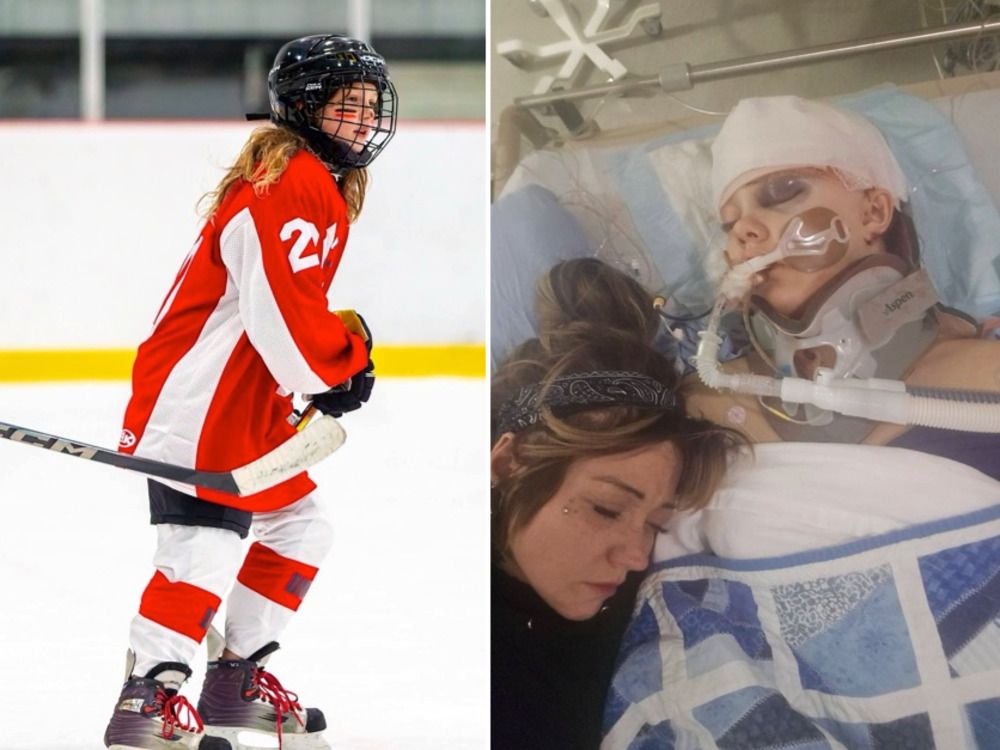
Her father, David Gebala, recently posted a message filled with cautious optimism: Maya has begun attempting to take tiny breaths on her own. Nurses have also observed subtle changes in her eyes—gentle flickers and slight pupil responses—that suggest her body is slowly responding to treatment. These developments, though modest in the grand scheme of recovery, represent monumental victories for a child who was airlifted in critical condition after the unthinkable unfolded in her school library. “It’s truly amazing,” David wrote, describing how the medical team reduced ventilator pressure support because Maya initiated her own breaths. “We are moving forward one day at a time, believing she will continue to improve.”
Maya’s mother, Cia Edmonds, has been a constant presence at her bedside, providing regular updates on the family’s GoFundMe page, which has raised over $420,000 to cover medical costs, travel, and long-term rehabilitation. Cia shares both the heartbreak and the hope: swelling in Maya’s brain is gradually decreasing, and while a bullet remains lodged and fragments persist in her brain tissue, her left side shows increasing movement—hand twitches, leg shifts, even coughing—while the right side lags, a common challenge after traumatic brain injuries. “My Maya moon,” Cia calls her daughter in tender posts, singing to her, talking about how proud the world is, and reminding her that millions are cheering her on. “She’s still fighting,” Cia emphasizes, even as doctors layer on warnings about permanent injuries and an uncertain future.

The story of Maya’s heroism adds layers of emotion to her fight. Eyewitness accounts and family statements describe how, during the chaos, the 12-year-old didn’t simply hide—she tried to lock the library door to shield her classmates from the shooter, 18-year-old Jesse Van Rootselaar. Forced under a table at the last moment, she was struck multiple times. This act of bravery has been hailed across social media and news reports: Maya as a hero who stood her ground when terror erupted. In a town of just over 2,000 people, where everyone knows everyone, her courage resonates deeply.
The shooting itself remains one of Canada’s darkest days. On February 10, Van Rootselaar first killed her mother Jennifer Jacobs and 11-year-old half-brother Emmett Jacobs at their home on Fellers Avenue. She then proceeded to Tumbler Ridge Secondary School armed with a long gun and modified rifle, killing five students aged 12 and 13, an education assistant, and injuring 27 others before dying by suicide after a confrontation with police. The victims’ names—young lives full of promise—have been etched into national memory: children who loved art, dreamed of university, played sports, and laughed with friends. The incident ranks as the deadliest school shooting in Canada since the 1989 École Polytechnique massacre and one of the worst mass shootings overall since the 2020 Nova Scotia attacks.
In the aftermath, Tumbler Ridge has transformed into a community in mourning. Vigils drew hundreds holding candles outside Town Hall; portable classrooms now stand ready to help students return when possible; yellow tape has been removed from the school, but the emotional scars endure. Families grieve empty chairs at dinner tables, while survivors grapple with trauma that no child should face.
Maya’s journey has become a focal point of national solidarity. Her GoFundMe, launched by cousin Krysta Hunt to support Maya and Cia during this grueling period, exploded with donations from strangers across Canada. Among the most visible supporters is hockey legend Hayley Wickenheiser, a four-time Olympic gold medalist and icon in women’s hockey. Maya, an avid player who wore #14 for her junior team, attended Wickenheiser’s WickFest hockey festival in 2024 with her squad. Wickenheiser posted publicly about the news gutting her, sharing links to Maya’s fundraiser and urging the hockey community to rally: “Hockey do your thing.” The endorsement amplified visibility, drawing in donations and messages from fans, players, and everyday Canadians who see in Maya a reflection of their own children’s vulnerability.
David Gebala’s hopeful update about breathing attempts and eye changes has fueled this wave of support. Posted online, it quickly spread across Facebook, Instagram, Reddit, and news outlets. Comments poured in: prayers from coast to coast, stories of personal loss and recovery, offers of help. One Reddit thread captured the sentiment: “She’s progressing a little bit each day… little tiny breath initiations on her own and little eye flickers.” Another user noted the miracle of her survival against initial odds. The family’s transparency—sharing both progress and pain—has humanized the tragedy, turning abstract statistics into a child’s fight that feels personal to millions.
Medically, Maya’s condition remains critical. Traumatic brain injuries from gunshot wounds involve complex challenges: managing intracranial pressure, preventing infections, addressing potential paralysis or cognitive deficits, and navigating long-term neurorehabilitation. The fact that she was not expected to survive the first night yet now shows voluntary breathing efforts speaks to extraordinary medical care at B.C. Children’s Hospital and Maya’s own tenacity. Doctors emphasize the road ahead is long—possible permanent impairments, extensive therapy, emotional healing—but every small sign fuels hope.
For David and Cia, these updates are lifelines. David calls her “Maya Bear,” strong and brave beyond measure. Cia sings Bon Jovi lyrics and holds her hand, whispering that the world is rooting for her. Their strength amid unimaginable grief inspires. They express compassion even for the shooter’s family, urging focus on community healing rather than division.
As February 20, 2026, unfolds, Maya Gebala’s story continues to unfold in real time. Her attempts to breathe independently, the subtle eye movements—these are not just clinical notes but symbols of defiance against despair. In a nation still reeling from the loss of eight lives, Maya’s fight offers a thread of light: resilience in the face of horror, a child’s courage that refuses to fade, and a collective embrace that reminds us humanity endures. Canadians watch, pray, donate, and hold their own children a little tighter, united in hope that Maya will one day open her eyes fully, smile, and step back into the life she so bravely tried to protect.
The road remains uncertain, filled with challenges no family should face. Yet in every tiny breath Maya takes on her own, there is proof that even in the darkest moments, progress is possible. Her parents cling to these signs; the nation clings to her story. Maya Gebala is not just surviving—she is inspiring a country to believe in miracles, one fragile breath at a time.
News
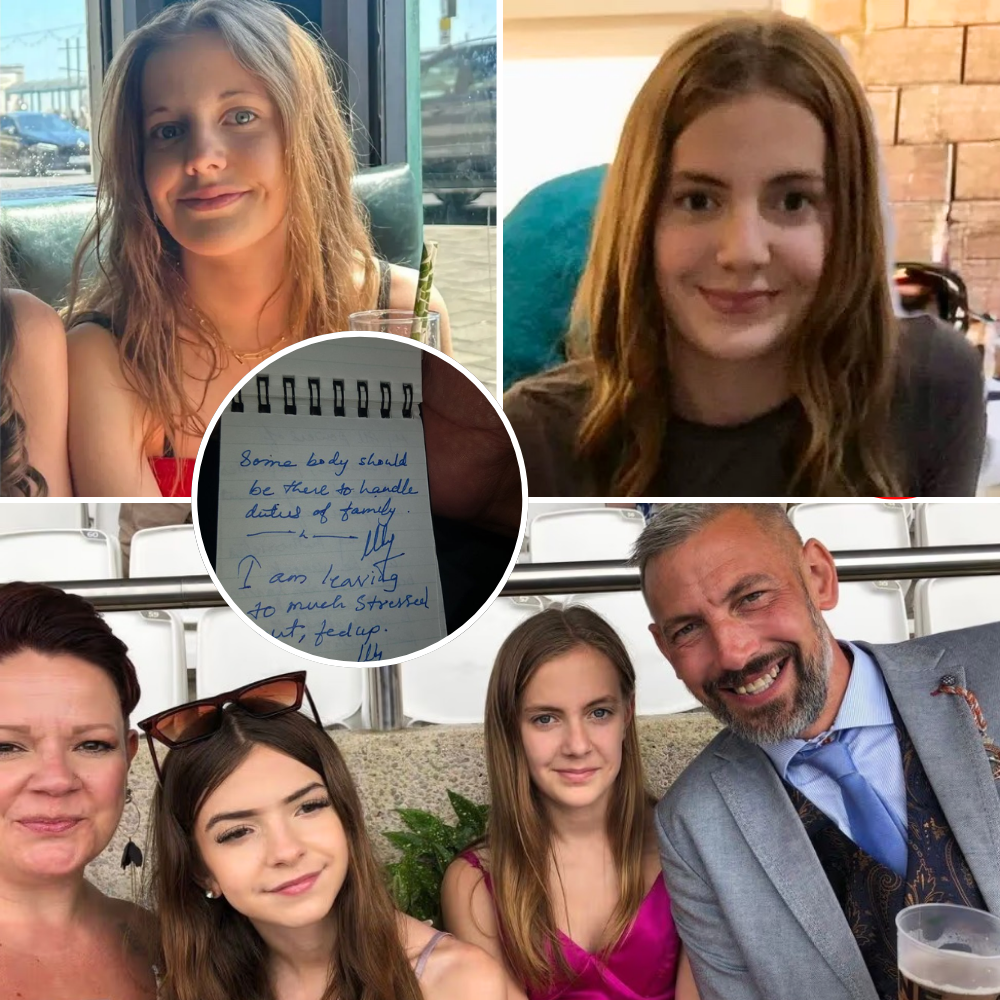
Mum Went to Wake Her 12-Year-Old for School… Instead Found Amelia Dead After Relentless Snapchat Torment 😭 Last Night She Was Happy & Laughing – The Devastating Details Inside
A cheerful 12-year-old girl with a smile that warmed every room spent her final evening wrapped in the simple joys of family life, laughing freely while sharing fish and chips at her grandparents’ house. No one could have predicted that the next morning would bring the kind of silence no parent should ever endure. On […]
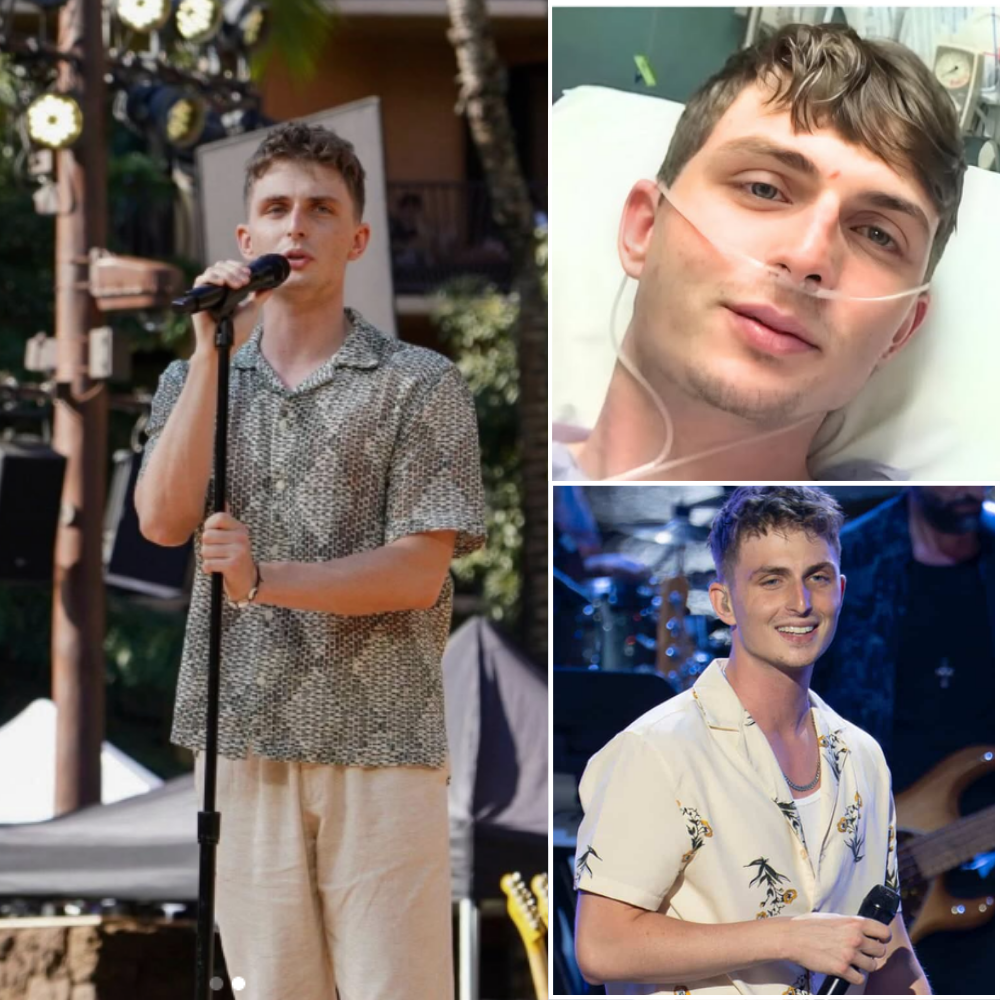
👀 American Idol Judges Stunned by Braden Rumfelt’s Voice After Two Major Surgeries Destroyed His Baseball Career — His Comeback Story Is Unbelievable! 😱
The spotlights in the American Idol audition room pulsed with that familiar electric hum as 22-year-old Braden Rumfelt stepped forward, guitar slung over his shoulder, his twin brother Kellen right beside him with fingers poised on the strings. Murphy, North Carolina, felt a world away in that moment—the small-town life of substitute teaching, quiet family […]

😲 She Wrote “String Cheese” While Battling Postpartum Depression… Now Hannah Harper Is Stealing American Idol! Her Incredible Journey Will Inspire You ❤️
The Hawaiian stage lights bathed the Aulani Resort in a golden glow as 25-year-old Hannah Harper, a stay-at-home mom from the tiny town of Bunker, Missouri, gripped the microphone with the same quiet determination she once used to wrangle three rambunctious boys through a long day of laundry and snacks. Her homemade patchwork dress shimmered […]
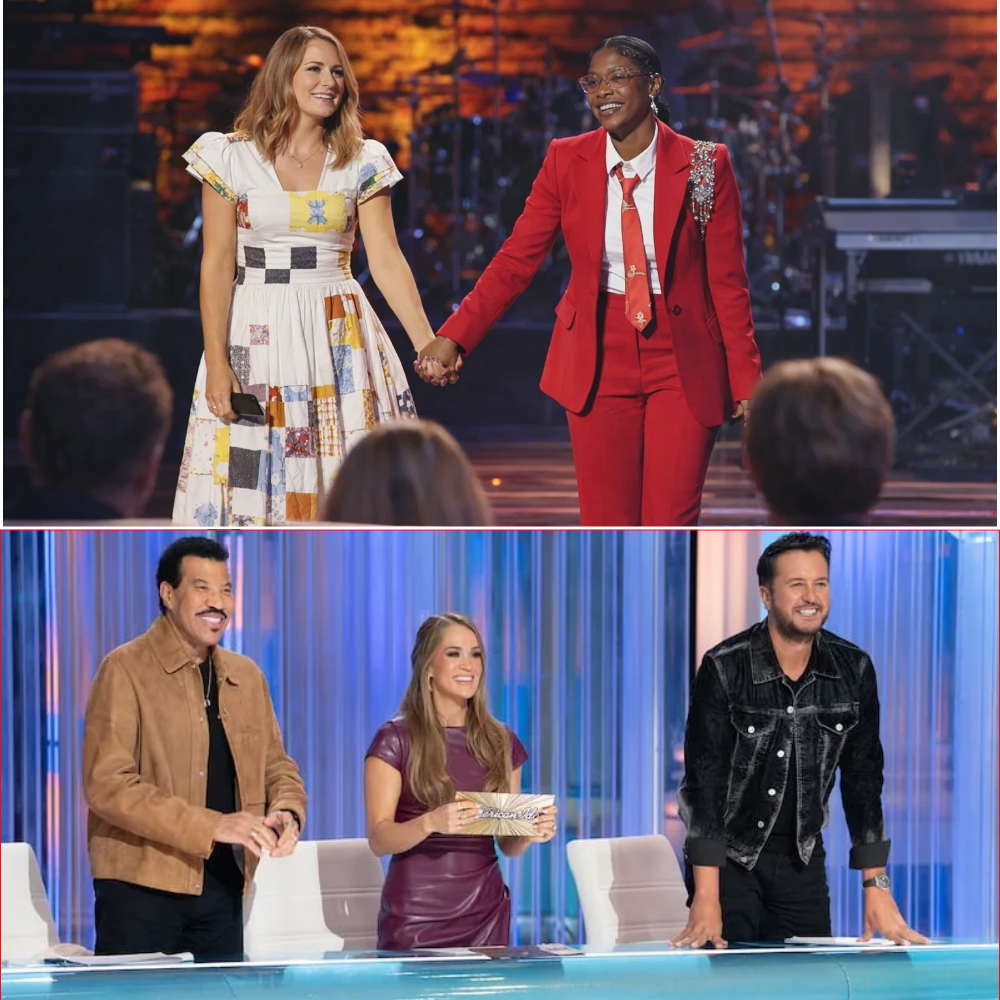
😱 American Idol Top 20 Poll SHOCK: Hannah Harper & Keyla Richardson Dominate… But Who’s Going HOME Next? 😭 Who’s in Danger?
Hawaii’s sun-drenched shores at Disney’s Aulani Resort became the unlikely battlefield where American Idol Season 24’s Top 20 delivered heart-stopping performances that have left fans divided, judges stunned, and Gold Derby readers casting their clearest verdict yet on who might not survive America’s vote. With the first live results episode looming on March 30, the […]
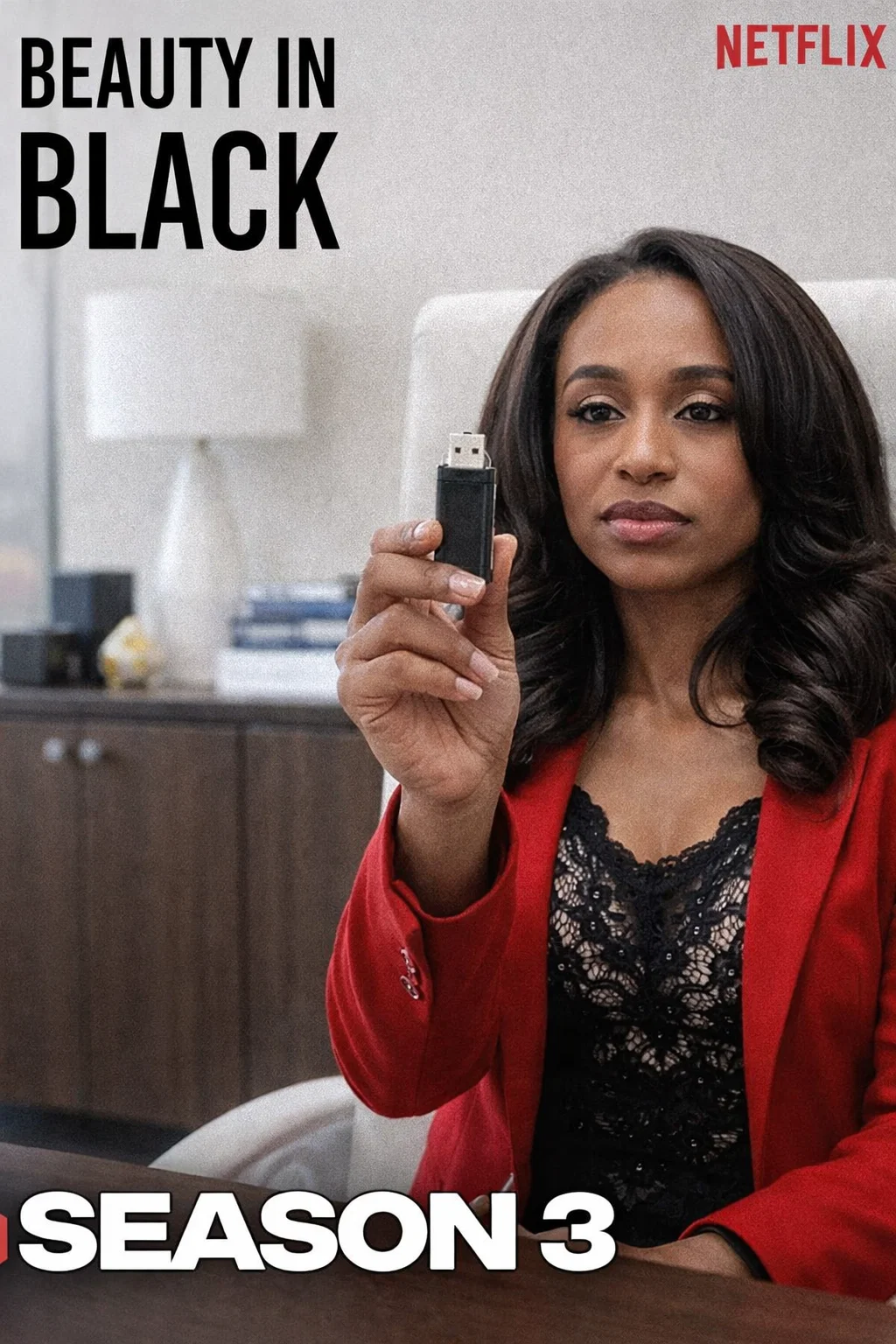
😱💔 Kimmie Standing On The Rooftop With That USB Drive Has Fans Terrified — Is She About To Destroy The Entire Bellarie Empire? 👀
The first explosive trailer for Beauty in Black Season 2 Part 2 is here — and everything shifts fast. The new footage shows Kimmie stepping fully into her power with zero hesitation, but one bold move has fans in total shock. Is she protecting herself… or setting something much bigger in motion? The stakes feel […]

💥 “Is The Baby Okay?” — Virgin River Season 7 Finale Left One Devastating Clue About Mel & Jack’s Child That Changes Everything 😭
Netflix just dropped the news everyone has been waiting for: Virgin River is officially returning for Season 7 — and fans are already bracing for another emotional chapter. The release date and exact drop time are now confirmed, meaning the next wave of romance, heartbreak, and small-town secrets is closer than expected. But one storyline […]
End of content
No more pages to load