No celebrities. No hype. Dropped two weeks early. Just a Clydesdale foal, a bald eagle chick, and Free Bird hitting straight in the chest.
By skipping the Super Bowl noise, this wasn’t background ads — it became the moment, sparking pride, tears, and reactions calling it “a new legend.”
Sometimes you don’t wait for the big game… you are the big game.
In the high-stakes arena of Super Bowl advertising, where brands routinely shell out millions for star power, celebrity cameos, and viral stunts, Budweiser did the unthinkable for Super Bowl LX on February 8, 2026. They ignored the playbook entirely. No A-list actors. No flashy product placements. No over-the-top humor or controversy-baiting twists. Instead, the brewer released its minute-long spot, titled “American Icons,” on January 26—two full weeks before kickoff—letting it simmer quietly in the digital ether. What emerged wasn’t just another commercial; it was a cultural event that dominated conversations, topped ad rankings, and left millions reaching for tissues rather than remotes.
The ad opens softly in the golden light of an American farm. A young Clydesdale foal, all gangly legs and wide-eyed curiosity, wanders from the stable and discovers a tiny, chirping bird huddled beside a fallen log. The foal nudges gently, coaxing the chick to safety. As Lynyrd Skynyrd’s “Free Bird” begins its iconic guitar intro—slow, building, familiar—the two form an unlikely bond. Time accelerates in poetic montages: the foal grows into a majestic Clydesdale, the chick matures into a regal bald eagle. They explore fields together, share quiet moments under vast skies, and face small obstacles as one. The eagle perches on the horse’s back; the horse leaps a log with sure-footed grace; wings spread wide in triumphant flight. No dialogue. No beer poured until the final frame. Just pure, wordless emotion set to a Southern rock anthem that feels like it was written for this exact moment.
The payoff arrives in the climax: the grown Clydesdale charges forward, the eagle soaring from its back, silhouetted against an American horizon. The screen fades to “Made of America,” followed by a simple Budweiser pour and the enduring tagline, “For 150 years, this Bud’s for you.” It’s subtle, sentimental, and unapologetically patriotic—celebrating Budweiser’s 150th anniversary alongside America’s approaching 250th birthday in 2026.
What made this spot revolutionary wasn’t the content alone, but how it defied Super Bowl conventions. Advertisers typically build weeks of teasers, celebrity announcements, and social media frenzy to maximize buzz. Budweiser flipped the script by dropping the full ad early with minimal fanfare. No star-studded press release. No cryptic hints. Just the video on YouTube and their channels, trusting the work to speak for itself. In an era of short attention spans and ad fatigue, this restraint became its superpower. Viewers stumbled upon it organically, shared it without prompting, and watched it loop in quiet awe. By game day, the ad had already racked up tens of millions of views and organic shares, turning it into the conversation rather than competing for it.
The choice to forgo celebrities was equally bold. Super Bowl ads often lean on Hollywood names—think Matthew McConaughey for other brands or past Budweiser spots with celebrities—to guarantee attention. Here, the “stars” were real: a Clydesdale foal raised on Budweiser’s historic Warm Springs Ranch in Montana, and a rescued bald eagle named Lincoln, trained by the American Eagle Foundation in Tennessee under strict U.S. Fish and Wildlife permits. No CGI tricks; every frame captured genuine interaction, supervised by experts to ensure animal welfare. Director Henry-Alex Rubin, returning for his third Budweiser Super Bowl spot, brought documentary-like authenticity, letting natural behaviors drive the narrative. The result felt raw and real—friendship unfolding without forced sentimentality.
“Free Bird” provided the emotional engine. Lynyrd Skynyrd’s 1973 epic, with its soaring guitar solo and themes of freedom and farewell, has long been a cultural touchstone—weddings, road trips, stadium anthems. Pairing it with these American symbols amplified its power. The song starts gentle, mirroring the foal and chick’s tentative bond, then builds to that legendary crescendo as the animals mature and triumph. The transition in hoofbeats—from tentative clops to powerful thuds—syncs perfectly with the music’s evolution, creating goosebumps. Viewers reported chills, tears, even standing ovations in living rooms. One viral reaction captured it best: “That horse jumping the log with the eagle spreading wings? Holy shit. Best commercial ever.”
The ad’s success translated to immediate acclaim. It topped USA TODAY’s Ad Meter for the 10th time in Budweiser’s history—a record—beating out flashier competitors. Social media erupted. On platforms like Instagram and X, clips amassed millions of views, with captions like “Budweiser didn’t sell beer; they sold pride” and “This made me cry harder than the game.” Lynyrd Skynyrd’s official channels reposted it gratefully, calling it an “honor.” Even skeptics admitted its impact: “No DEI lectures, no politics—just pure Americana. They nailed it.”
Behind the scenes, the strategy stemmed from deep confidence. Anheuser-Busch’s Todd Allen, SVP of marketing for Budweiser, explained the intent: “As we celebrate 150 years and America’s 250th, we had to rise in a way only Budweiser can.” The Clydesdales, iconic since 1933 when August Busch Jr. gifted a team to his father, embody heritage. Pairing them with the bald eagle—America’s national symbol—tapped into shared identity without preachiness. BBDO New York crafted the spot to feel timeless, evoking nostalgia while looking forward.
This wasn’t Budweiser’s first emotional homerun. Past Clydesdale ads—like the 1990s puppy spots or the 2017 “Born the Hard Way”—built the brand’s reputation for heart-tugging storytelling. But 2026’s entry stood apart for its minimalism. In a year of polarized discourse, the ad offered unity: friendship across differences, growth through support, freedom earned together. No beer was the focus until the end, yet sales reportedly spiked post-airing as viewers sought “that feeling” in a cold can.
Critics praised its restraint. AdAge called it “Americana-packed” yet understated. Variety noted the Pegasus-like imagery as mythical without excess. People magazine highlighted the real-animal friendship, emphasizing ethical production. Detractors were few; even those calling it “cheesy” conceded its emotional pull.
Why did breaking the rules work? Super Bowl ads have grown predictable—celebrity overload, forced humor, product-first messaging. Budweiser trusted simplicity: beautiful animals, stirring music, genuine emotion. By releasing early, they bypassed the noise, becoming the noise. Viewers watched on their terms, shared freely, and carried the feeling into the game.
As Super Bowl LX faded, “American Icons” lingered. It reminded us that sometimes the boldest move is quiet confidence. No celebs needed when your icons are Clydesdales and eagles. No hype required when the story resonates. Budweiser didn’t just air during the big game—they became it.
In a world craving authenticity, this ad delivered. A foal helping a chick learn to fly. A horse carrying an eagle to new heights. Freedom, friendship, heritage—all in 60 seconds. It hit straight in the chest, and America responded with tears, pride, and endless replays.
Sometimes you don’t wait for the moment. You create it.
News
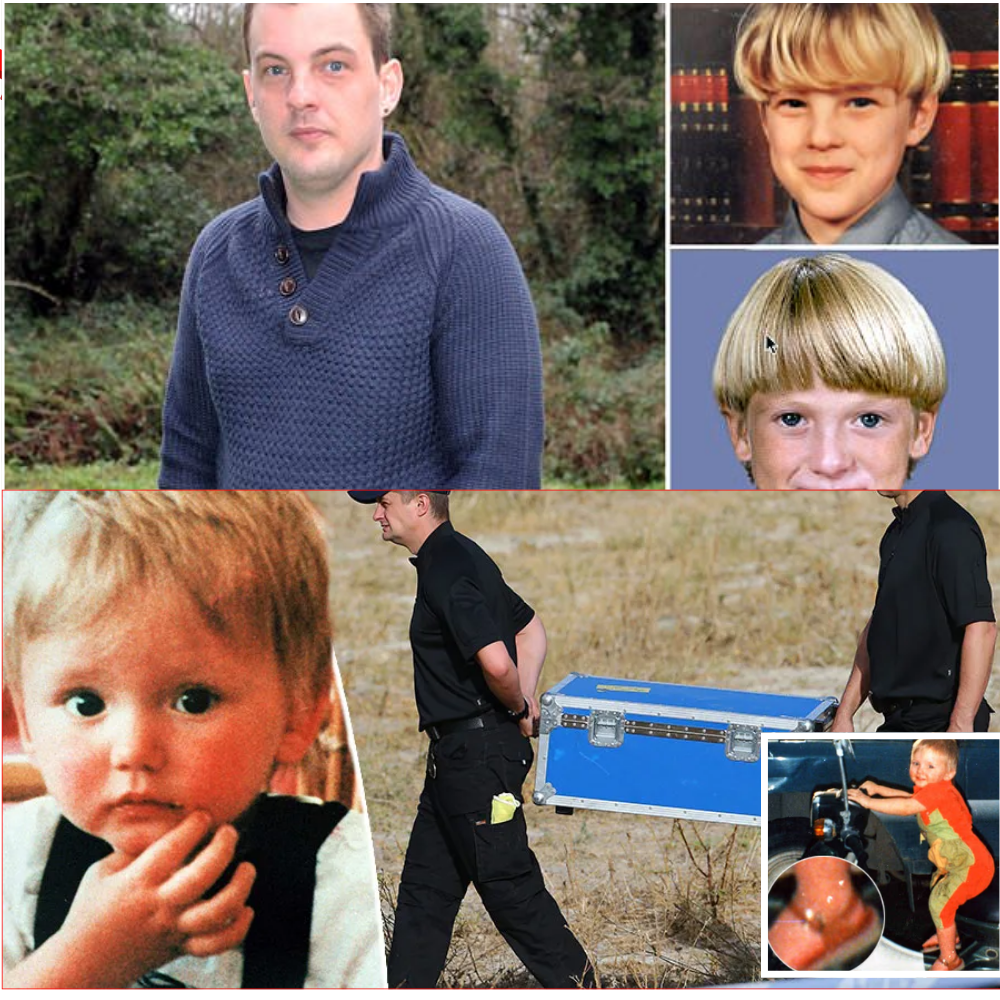
😢 “She’s Waited 35 Years… Now One DNA Test Could Bring Her Baby Home – Or Break Her Again” 🩸 New Photos & Adoption Mystery Explode Online
Ben Needham Latest Update: New Photos and DNA Test Spark Fresh Hope in One of the Longest Toddler Missing Mysteries; What We Know So Far The disappearance of Ben Needham remains one of Britain’s most enduring and heartbreaking unsolved cases. In July 1991, the 21-month-old toddler vanished without a trace from a family farm on […]

Shocking Footage Emerges: Ex-TOWIE Jordan Wright Desperately Sprinting, Clutching Truck in Fear – Hours Later His Body Lies in Thailand’s Murky Drain
The paradise of Phuket’s Bangtao Beach area, with its luxury resorts, infinity pools overlooking the Andaman Sea, and vibrant nightlife, turned sinister in the early hours of March 13, 2026. Grainy black-and-white CCTV footage, now haunting viewers worldwide, captures the final documented moments of 33-year-old Jordan Wright—a former star of The Only Way Is Essex […]

Heartbreaking & Suspicious 😱 Jessi Pierce & 3 Adorable Kids Die in Minnesota House Fire – Husband Miraculously Away…
The early morning silence in White Bear Lake, Minnesota, was brutally shattered on March 21, 2026, when a ferocious blaze erupted from the modest single-family home on the 2100 block of Richard Avenue. Around 5:25 a.m., neighbors were jolted awake by the roar of flames and the thick, choking smoke that poured into the frigid […]

“UMBRELLA” BUT MAKE IT SOUL-CRUSHING! 😍 Braden Rumfelt delivers the most emotional Idol performance ever… from whisper to chills in seconds! Who’s replaying? 🔁💥
“HE DIDN’T JUST SING… HE MADE EVERYONE FEEL IT.” When Braden Rumfelt stepped onto the American Idol stage, no one expected the kind of moment that followed. Covering a hit by Rihanna, he delivered a smooth, emotional performance that instantly shifted the energy in the room. From the first note, it felt different. His voice […]
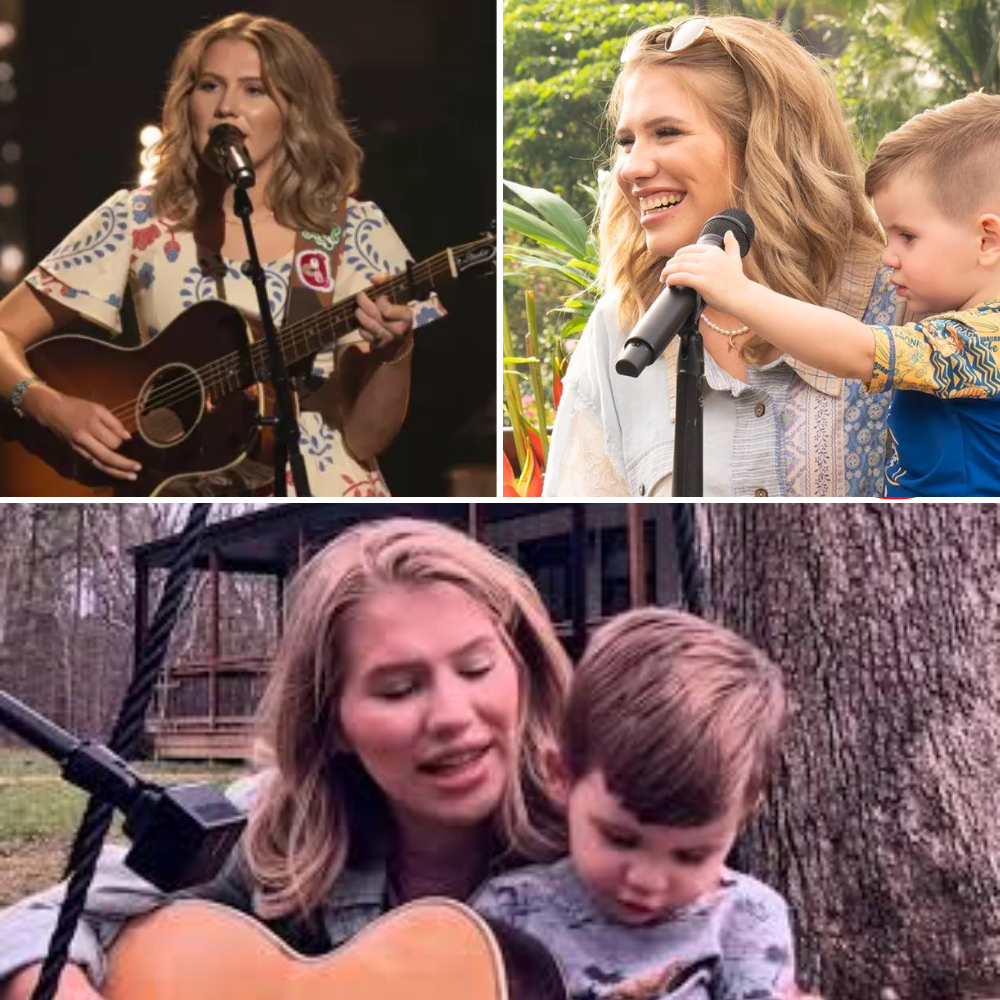
THE HIDDEN SIDE OF AMERICAN IDOL NO ONE SEES! 😢 Missouri mom Hannah Harper opens up about guilt, exhaustion & rising pressure in Top 14 👶🎤 Who’s Team Hannah?
Missouri native Hannah Harper is opening up about the reality behind her American Idol journey, admitting the challenge of balancing life as a stay-at-home mom while stepping into the spotlight. As she competes for America’s vote in the Top 14, the pressure is only growing. Behind the scenes, Hannah revealed the demanding schedule, emotional weight, […]
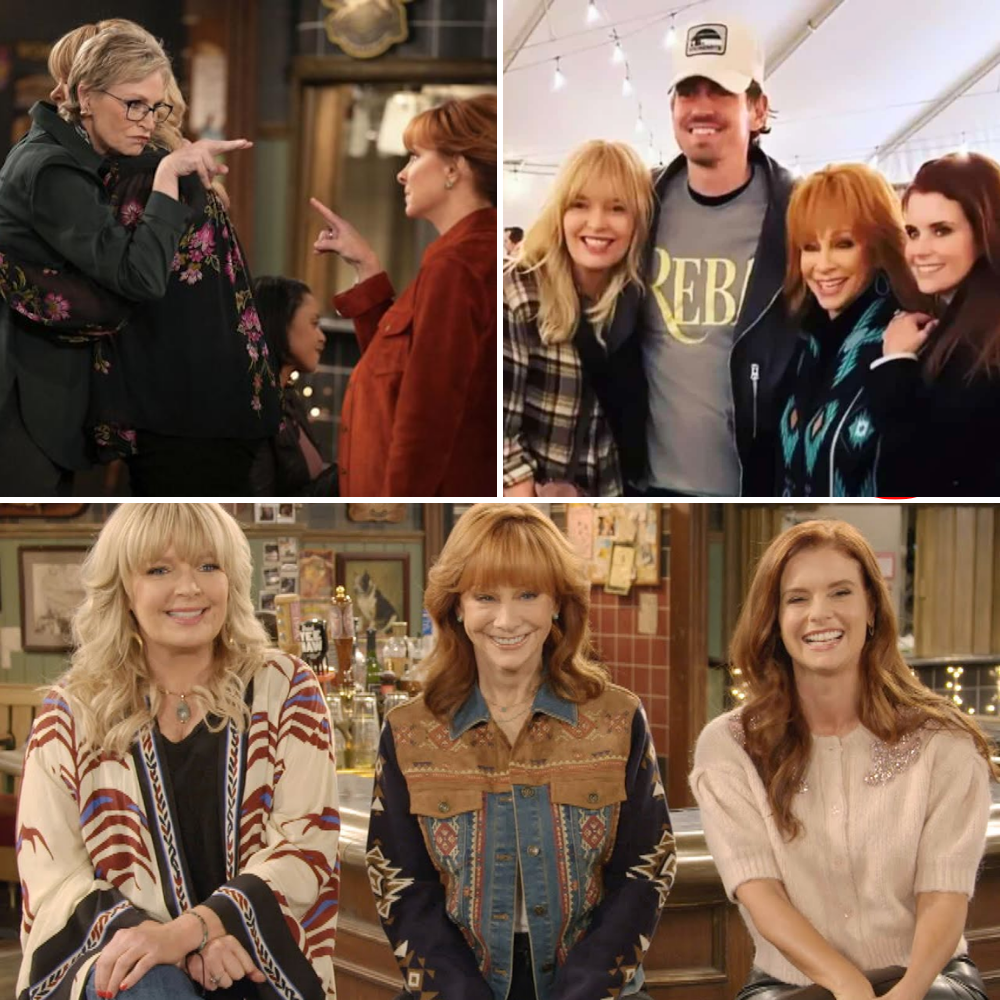
19 YEARS LATER… REBA CAST REUNITED & IT FEELS LIKE NO TIME PASSED! 🔥 Hugs, laughs, & epic prank call to JoAnna! This healed my 2000s heart 😍
After 19 Years… The Reba Family Is Finally Back Together. Time may pass, shows may end, but some bonds never fade. Nearly two decades after the beloved sitcom Reba left our screens, the cast reunited for the first time on the set of Happy’s Place. The moment they saw each other again, it felt like […]
End of content
No more pages to load