New surveillance footage has emerged in the ongoing investigation into the disappearance of Nancy Guthrie, providing investigators with a significant lead nearly ten days after the 84-year-old woman vanished from her Tucson, Arizona home.

The images and video, recovered from residual data in the backend systems of her Google Nest doorbell camera, show an individual approaching the front entrance in the early morning hours of February 1, 2026. The person, dressed in a ski mask covering most of their face, gloves, long sleeves, pants, and carrying a backpack, appears to interact with the camera mounted near the door. Authorities describe the actions as tampering, with the individual using a gloved hand to cover the lens and placing foliage in front of it in an apparent effort to obstruct the view. Damaged plant material was later noted on the porch mat, with remnants highlighted in released photos.
This development marks the first visual evidence released publicly in the case. FBI Director Kash Patel shared the material on social media, stating that law enforcement worked with private sector partners over the previous eight days to access footage that had been lost, corrupted, or made inaccessible—factors including the apparent removal of recording devices. “As of this morning, law enforcement has uncovered these previously inaccessible new images showing an armed individual appearing to have tampered with the camera at Nancy Guthrie’s front door the morning of her disappearance,” Patel wrote.
The footage was captured around 1:47 a.m., shortly before the connection to Guthrie’s pacemaker was lost around 2:30 a.m. Her Apple Watch and phone remained inside the residence, items that experts suggest could provide additional data on her activity or vital signs in the preceding hours. Retired FBI agent John MacVeigh, speaking to media outlets, noted the potential value of such wearable technology in reconstructing events, including any changes in heart rate or movement patterns leading up to the disconnection.
Nancy Guthrie, mother of NBC’s “Today” show co-host Savannah Guthrie, was last seen when relatives dropped her off at her home on January 31 after a family dinner. She lived alone in the residence outside Tucson and required daily medication for high blood pressure and heart conditions, along with her pacemaker. When she failed to appear at church services the following day, family members raised the alarm.

Investigators from the Pima County Sheriff’s Department and the FBI have determined that Guthrie was taken against her will. Evidence at the scene included blood drops on the front porch that matched her DNA profile. The case has drawn widespread attention due to her daughter’s public profile and the family’s active involvement in seeking information.
Savannah Guthrie has shared the newly released images on her Instagram account, accompanied by a family message expressing hope. “We believe she is still alive. Bring her home,” she posted, urging anyone with details to contact authorities. The family has previously released video statements pleading for communication from those responsible and offering to meet demands, including potential financial arrangements, to secure her safe return. They have emphasized their desperation and commitment to resolving the situation.
Ransom communications have surfaced during the investigation. Notes directed to media outlets contained specific references to Guthrie’s home and attire on the night she went missing. Initial deadlines passed without further developments, and subsequent messages introduced additional conditions described as more serious. Authorities have not confirmed whether these have led to verifiable progress.
The investigation has expanded beyond the immediate property. A car was seized from the home for examination, and a camera positioned on the roof was removed as part of evidence collection. Earlier reports mentioned a suspected trespasser observed in a neighboring yard weeks prior to the incident, though no direct connection has been established.
Pima County Sheriff Chris Nanos has addressed the challenges in recovering initial data, noting the lack of an active subscription for the camera system complicated early efforts. Collaboration with technology providers ultimately yielded the breakthrough footage. FBI spokesman Connor Hagan stressed the importance of public assistance, stating, “Someone has that one piece of information that can help us bring Nancy home.” Tips are encouraged through 1-800-CALL-FBI, tips.fbi.gov, or the Pima County Sheriff’s Department at 520-351-4900.

Digital billboards displaying information about the case have been placed in cities across states from Texas to California, aiming to generate leads from a broader audience. The White House has also weighed in, with Press Secretary Karoline Leavitt relaying that President Donald Trump viewed the footage and expressed strong concern over the events.
As the search enters its second week, officials continue to follow new leads and describe the released images as a pivotal step forward. The individual depicted remains classified as a potential subject rather than a confirmed suspect, with authorities hopeful that distinctive elements—such as clothing, build, or manner of movement—may allow someone to provide identification.
The community’s response has included heightened awareness in the Tucson area, where residents are encouraged to review any personal security footage from the relevant timeframe. Neighbors and local businesses have been contacted as part of door-to-door efforts to gather additional context.
Guthrie’s health vulnerabilities remain a central concern for investigators and her family. Without access to her prescribed medications, prolonged absence raises questions about her well-being. Family members have highlighted this in their public appeals, underscoring the urgency of locating her.
The case illustrates the evolving role of home security technology in investigations. While the camera was compromised on site, residual cloud-based data preserved critical moments that might otherwise have been lost. Experts point to this as an example of how partnerships between law enforcement and tech companies can overcome initial obstacles.
Public interest has surged with the footage release, prompting discussions on personal safety measures, particularly for older adults living independently. Advocacy groups have noted increased calls for enhanced monitoring options and emergency response protocols.
Authorities maintain an open stance on potential motives and participants, with no one ruled out at this stage. The investigation proceeds methodically, balancing the need for public information with the protection of operational details.
As days pass, the focus remains on generating actionable tips from the visual evidence now available. The family’s continued outreach, combined with federal resources, reflects a coordinated push to resolve what has become a high-profile missing person inquiry.
The release of these images has reinvigorated efforts at a time when momentum was needed most. With Guthrie’s condition a pressing factor, every lead holds potential significance in bringing the situation to a positive conclusion.
News
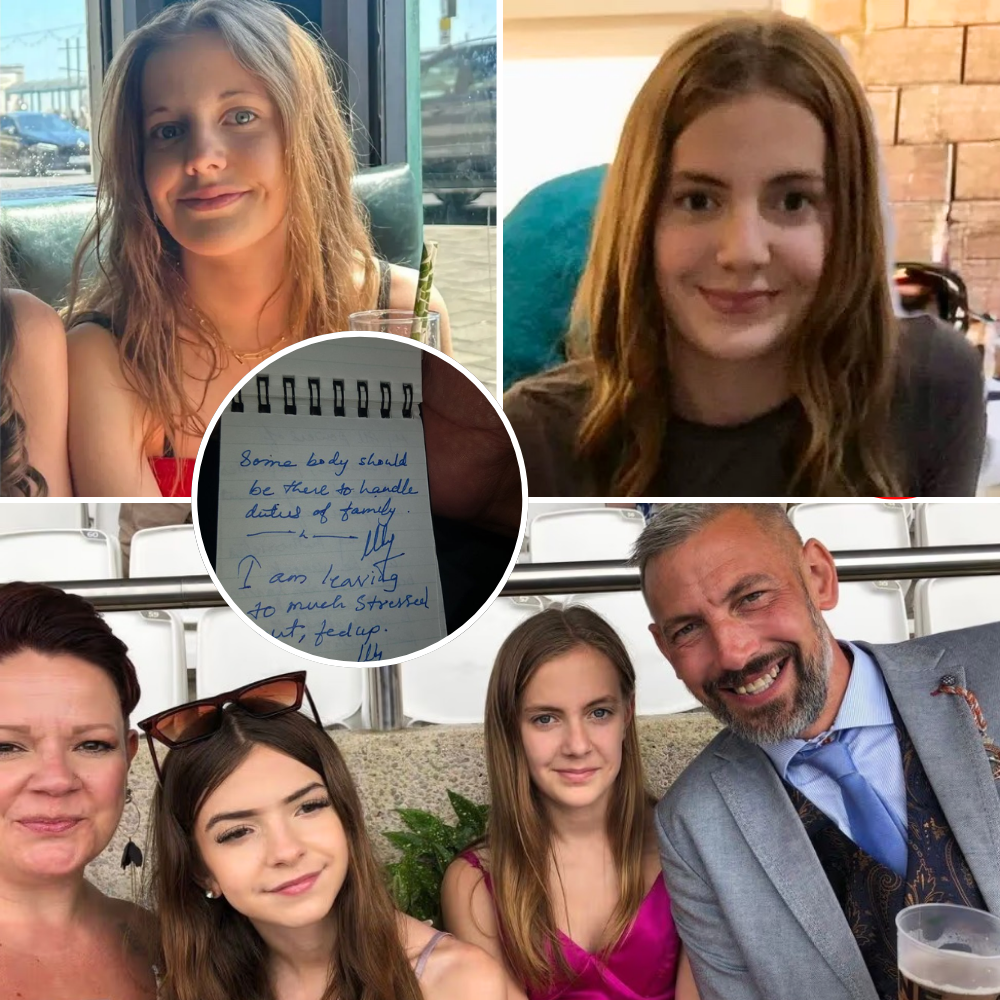
Mum Went to Wake Her 12-Year-Old for School… Instead Found Amelia Dead After Relentless Snapchat Torment 😭 Last Night She Was Happy & Laughing – The Devastating Details Inside
A cheerful 12-year-old girl with a smile that warmed every room spent her final evening wrapped in the simple joys of family life, laughing freely while sharing fish and chips at her grandparents’ house. No one could have predicted that the next morning would bring the kind of silence no parent should ever endure. On […]

👀 American Idol Judges Stunned by Braden Rumfelt’s Voice After Two Major Surgeries Destroyed His Baseball Career — His Comeback Story Is Unbelievable! 😱
The spotlights in the American Idol audition room pulsed with that familiar electric hum as 22-year-old Braden Rumfelt stepped forward, guitar slung over his shoulder, his twin brother Kellen right beside him with fingers poised on the strings. Murphy, North Carolina, felt a world away in that moment—the small-town life of substitute teaching, quiet family […]

😲 She Wrote “String Cheese” While Battling Postpartum Depression… Now Hannah Harper Is Stealing American Idol! Her Incredible Journey Will Inspire You ❤️
The Hawaiian stage lights bathed the Aulani Resort in a golden glow as 25-year-old Hannah Harper, a stay-at-home mom from the tiny town of Bunker, Missouri, gripped the microphone with the same quiet determination she once used to wrangle three rambunctious boys through a long day of laundry and snacks. Her homemade patchwork dress shimmered […]

😱 American Idol Top 20 Poll SHOCK: Hannah Harper & Keyla Richardson Dominate… But Who’s Going HOME Next? 😭 Who’s in Danger?
Hawaii’s sun-drenched shores at Disney’s Aulani Resort became the unlikely battlefield where American Idol Season 24’s Top 20 delivered heart-stopping performances that have left fans divided, judges stunned, and Gold Derby readers casting their clearest verdict yet on who might not survive America’s vote. With the first live results episode looming on March 30, the […]

😱💔 Kimmie Standing On The Rooftop With That USB Drive Has Fans Terrified — Is She About To Destroy The Entire Bellarie Empire? 👀
The first explosive trailer for Beauty in Black Season 2 Part 2 is here — and everything shifts fast. The new footage shows Kimmie stepping fully into her power with zero hesitation, but one bold move has fans in total shock. Is she protecting herself… or setting something much bigger in motion? The stakes feel […]

💥 “Is The Baby Okay?” — Virgin River Season 7 Finale Left One Devastating Clue About Mel & Jack’s Child That Changes Everything 😭
Netflix just dropped the news everyone has been waiting for: Virgin River is officially returning for Season 7 — and fans are already bracing for another emotional chapter. The release date and exact drop time are now confirmed, meaning the next wave of romance, heartbreak, and small-town secrets is closer than expected. But one storyline […]
End of content
No more pages to load