The neon lights of Austin’s West Sixth Street pulsed with the rhythm of a city alive, where laughter mingled with the thrum of live music and the clink of glasses in packed bars. But in the predawn hours of March 1, 2026, that vibrant heartbeat shattered into screams and gunfire. Outside Buford’s Backyard Beer Garden, a haven for college students and night owls, a lone gunman unleashed a barrage of bullets that claimed two young lives, wounded 14 others, and thrust the Texas capital into a maelstrom of grief and fear. As federal investigators probe ties to international terrorism amid escalating global tensions, the incident has exposed the fragility of everyday joy in a place known for its eclectic spirit. Ryder Harrington, a 19-year-old Texas Tech student brimming with promise, became the first identified victim in a tragedy that has left families shattered and a community questioning how such horror could strike so close to home.
West Sixth Street, often hailed as the epicenter of Austin’s nightlife, transforms into a bustling corridor of bars, food trucks, and music venues as the sun sets. Buford’s Backyard Beer Garden, nestled at the intersection with Rio Grande Street, embodies that allure—a roadhouse-style spot with outdoor patios, string lights, and a laid-back vibe that draws crowds of young professionals, tourists, and University of Texas students. On that fateful Saturday night bleeding into Sunday morning, the bar was teeming with hundreds of patrons, many of them college-aged revelers “shoulder to shoulder,” as one witness described it, simply enjoying the freedom of a weekend out. Nathan Comeaux, a 22-year-old UT senior, had been there with friends, soaking in the atmosphere before stepping across the street for pizza. “It was full of college students, probably mostly UT kids, just enjoying their nights,” he later told reporters, his voice still laced with disbelief.

Around 2 a.m., the first calls flooded emergency lines: reports of shots fired, people down. The assailant, later identified as 53-year-old Ndiaga Diagne, circled the block multiple times in his SUV, a calculated prelude to mayhem. He activated his flashers, rolled down the window, and opened fire with a pistol, targeting patrons on the patio and sidewalk. Bullets ripped through the crowd, sending bodies crumpling and chaos erupting. Diagne then parked, emerged with a rifle, and continued his assault on foot, spraying rounds at fleeing pedestrians before police arrived. Officers, part of the heavy weekend patrol in the district, confronted him within a minute of the initial alert. In a swift exchange, they fatally shot Diagne, ending the rampage but not the nightmare. Austin Police Chief Lisa Davis praised the response: “They definitely saved lives.”
The toll was devastating. Two civilians dead, 14 injured—three in critical condition as medics from Austin-Travis County EMS rushed to stabilize victims amid the pandemonium. Emergency crews described a scene of blood-streaked sidewalks and terrified survivors huddling behind cars and benches. Comeaux, who had ducked for cover, emerged to film the aftermath, capturing the suspect turning his weapon on police before being gunned down. “I know someone who was shot,” he said, underscoring the ripple effect through the tight-knit UT community.
Ryder Harrington’s name emerged first amid the haze of identification, a heartbreaking symbol of lost potential. The 19-year-old Texas Tech Red Raider, a member of the Beta Theta Pi fraternity’s Fall 2024 pledge class, was remembered as a beacon of joy. “Ryder had a rare ability to truly enjoy life, to make people laugh, to make moments feel bigger, and to make ordinary days unforgettable,” read a GoFundMe page set up by his family, which surged past $41,000 in donations within hours. He was the brother-in-law of Elisabeth Burrows, connected to Texas House Speaker Dustin Burrows, who posted on X: “Our hearts are aching alongside his loved ones. Elisabeth and I are praying for Avery and Ryan, the entire Harrington family, and everyone who loved Ryder—the number appears to be countless.” Harrington’s fraternity brothers organized a candlelight vigil at 8 p.m. on March 2, gathering on campus to honor his infectious spirit. Friends described him as the guy who turned mundane hangouts into adventures, his laughter echoing in dorm rooms and tailgate parties.

The second victim, Savitha Shan, 21, was a University of Texas at Austin student, her life cut short in a place meant for celebration. Details about Shan trickled out slowly, but tributes painted her as ambitious and kind, pursuing studies amid the bustling energy of UT’s campus. UT President Jim Davis expressed sorrow on social media: “Some of those affected included members of our Longhorn family. Our prayers are with the victims and all those impacted.” Shan’s death amplified the tragedy’s reach, linking two major Texas universities in shared mourning.
As investigators sifted through the wreckage, attention turned to Diagne, a naturalized U.S. citizen from Senegal who entered the country in 2000 on a tourist visa, gained permanent residency through marriage in 2006, and became a citizen in 2013. He lived in Pflugerville, a quiet suburb north of Austin, where neighbors recalled him as “friendly” but unassuming. His history included sealed arrests in Texas and New York—where he resided from 2000 to 2008—for minor offenses like illegal vending, alongside reports of mental health episodes. Diagne legally purchased the pistol and rifle used in the attack years earlier in San Antonio.
What elevated the shooting from a senseless act to a potential terrorist incident were chilling indicators. Diagne wore a hoodie emblazoned with “Property of Allah” over a shirt bearing the Iranian flag. A Quran was found in his vehicle, alongside other items suggesting ideological motivations. The FBI’s San Antonio office, led by acting Special Agent Alex Doran, noted: “There were indicators on the subject and in his vehicle that indicate possible nexus to terrorism.” Though too early for definitive conclusions, the timing fueled speculation: the attack followed U.S. and Israeli airstrikes on Iran, which killed Supreme Leader Ali Khamenei and halted the nation’s nuclear program, as announced by President Donald Trump. Authorities described Diagne as a “lone actor,” but the Joint Terrorism Task Force joined the probe, scouring for links to foreign groups.
This geopolitical shadow loomed large over Austin, a city priding itself on progressive values and cultural fusion. Texas Governor Greg Abbott vowed a fierce response: “We will defend our state without hesitation.” The White House confirmed President Trump had been briefed, amplifying national scrutiny. Fears of retaliatory attacks rippled through communities, with heightened security in entertainment districts and calls for vigilance.
Austin’s Sixth Street has a storied history, evolving from a dusty frontier road in the 1800s to a modern mecca for music lovers, hosting festivals like South by Southwest. But violence has scarred it before: a 2021 shooting wounded 14, and other incidents have prompted debates on safety. This latest horror, though not meeting the threshold of a “mass killing” (four or more fatalities excluding the shooter), marked the fifth such event in 2026, reigniting gun control discussions.
Community response was swift and heartfelt. Vigils dotted campuses, with Texas Tech’s fraternity leading remembrances for Harrington. GoFundMe campaigns for victims’ families ballooned, reflecting collective empathy. Mayor Kirk Watson lauded first responders, while residents grappled with the intrusion of global conflicts into local life. “The UT community has definitely been majorly affected by this,” Comeaux said.
As March 3 dawned, investigations continued, with federal agents combing Diagne’s Pflugerville apartment and digital footprint. Neighbors expressed shock: “He seemed normal,” one told local media. Yet, his mental health history and ideological markers painted a complex portrait of radicalization.
In the aftermath, Austin’s spirit endures, but scars remain. Harrington’s family clung to memories of his vivaciousness, while Shan’s peers mourned her untapped dreams. The city, once a symbol of carefree revelry, now confronts a darker reality—where international strife can erupt on hometown streets. As the FBI delves deeper, questions linger: Was this isolated rage or a harbinger of more? For now, Austin heals, one vigil at a time, determined to reclaim its light from the shadows of terror.
News
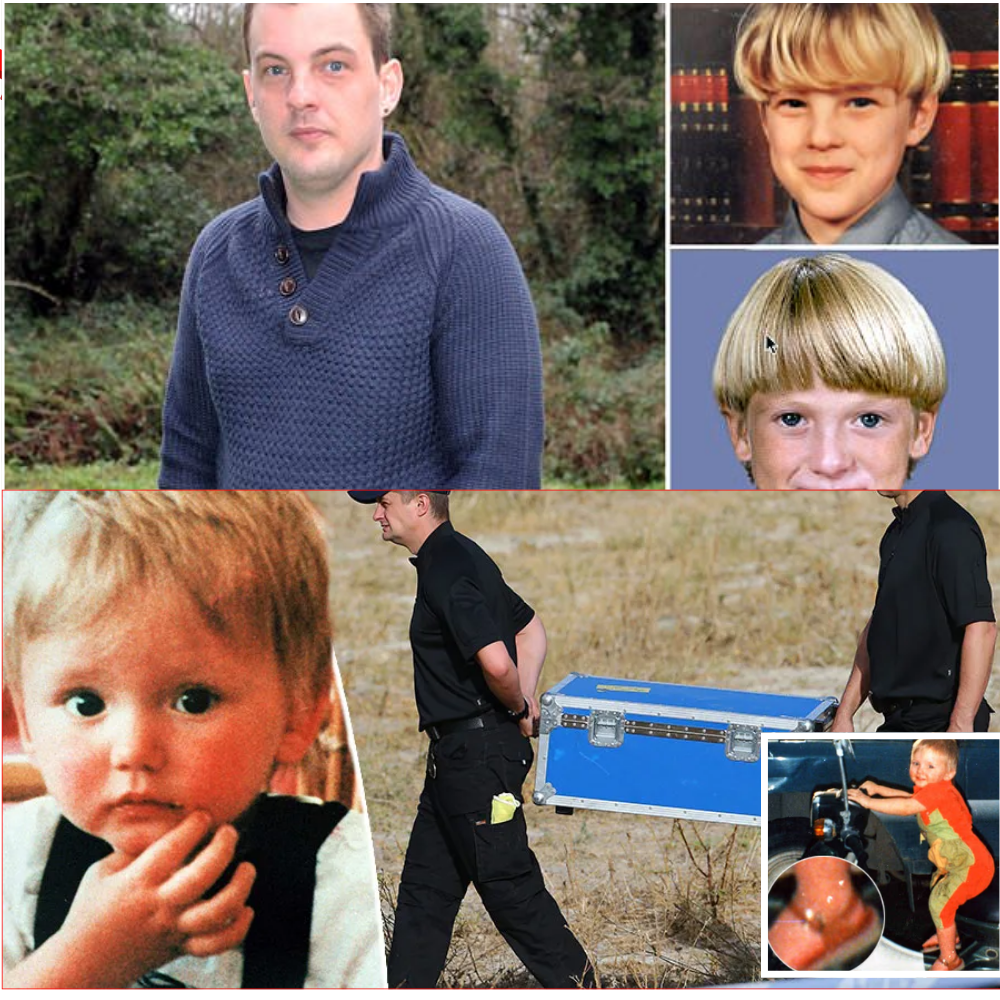
😢 “She’s Waited 35 Years… Now One DNA Test Could Bring Her Baby Home – Or Break Her Again” 🩸 New Photos & Adoption Mystery Explode Online
Ben Needham Latest Update: New Photos and DNA Test Spark Fresh Hope in One of the Longest Toddler Missing Mysteries; What We Know So Far The disappearance of Ben Needham remains one of Britain’s most enduring and heartbreaking unsolved cases. In July 1991, the 21-month-old toddler vanished without a trace from a family farm on […]
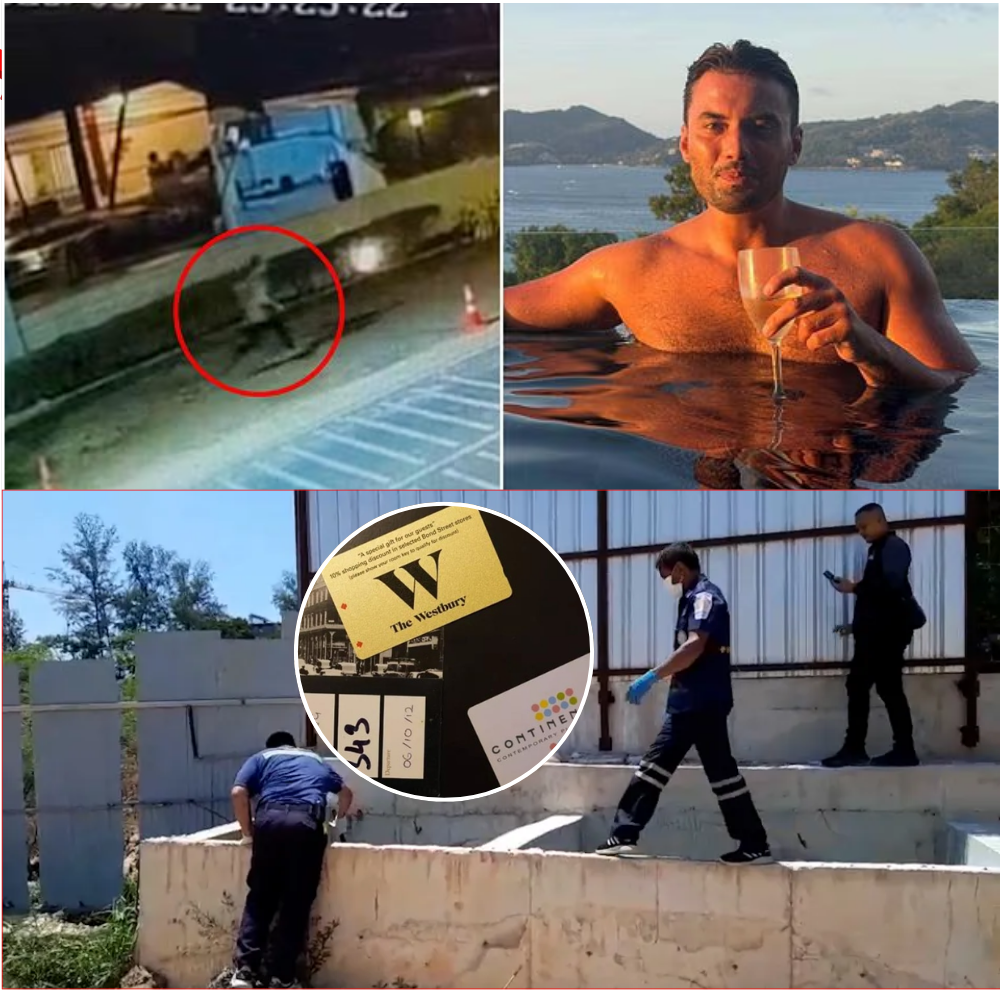
Shocking Footage Emerges: Ex-TOWIE Jordan Wright Desperately Sprinting, Clutching Truck in Fear – Hours Later His Body Lies in Thailand’s Murky Drain
The paradise of Phuket’s Bangtao Beach area, with its luxury resorts, infinity pools overlooking the Andaman Sea, and vibrant nightlife, turned sinister in the early hours of March 13, 2026. Grainy black-and-white CCTV footage, now haunting viewers worldwide, captures the final documented moments of 33-year-old Jordan Wright—a former star of The Only Way Is Essex […]
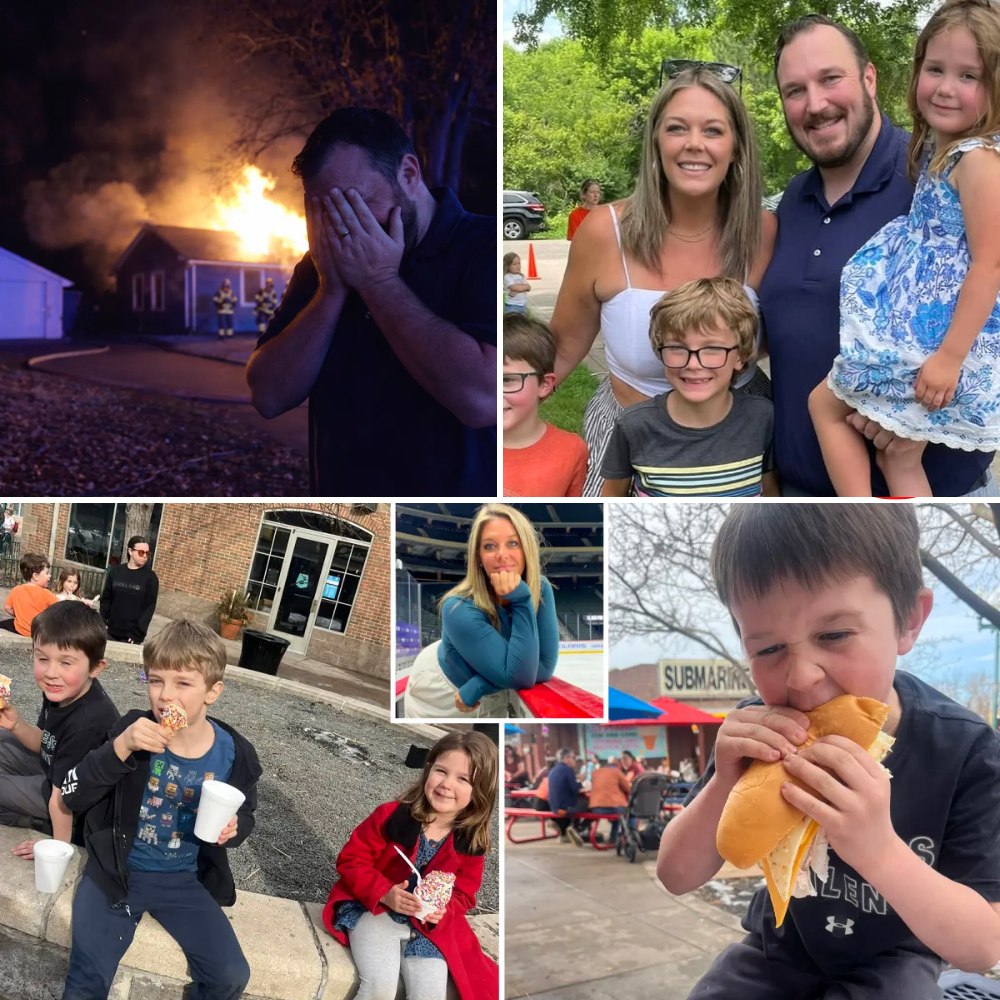
Heartbreaking & Suspicious 😱 Jessi Pierce & 3 Adorable Kids Die in Minnesota House Fire – Husband Miraculously Away…
The early morning silence in White Bear Lake, Minnesota, was brutally shattered on March 21, 2026, when a ferocious blaze erupted from the modest single-family home on the 2100 block of Richard Avenue. Around 5:25 a.m., neighbors were jolted awake by the roar of flames and the thick, choking smoke that poured into the frigid […]

“UMBRELLA” BUT MAKE IT SOUL-CRUSHING! 😍 Braden Rumfelt delivers the most emotional Idol performance ever… from whisper to chills in seconds! Who’s replaying? 🔁💥
“HE DIDN’T JUST SING… HE MADE EVERYONE FEEL IT.” When Braden Rumfelt stepped onto the American Idol stage, no one expected the kind of moment that followed. Covering a hit by Rihanna, he delivered a smooth, emotional performance that instantly shifted the energy in the room. From the first note, it felt different. His voice […]

THE HIDDEN SIDE OF AMERICAN IDOL NO ONE SEES! 😢 Missouri mom Hannah Harper opens up about guilt, exhaustion & rising pressure in Top 14 👶🎤 Who’s Team Hannah?
Missouri native Hannah Harper is opening up about the reality behind her American Idol journey, admitting the challenge of balancing life as a stay-at-home mom while stepping into the spotlight. As she competes for America’s vote in the Top 14, the pressure is only growing. Behind the scenes, Hannah revealed the demanding schedule, emotional weight, […]

19 YEARS LATER… REBA CAST REUNITED & IT FEELS LIKE NO TIME PASSED! 🔥 Hugs, laughs, & epic prank call to JoAnna! This healed my 2000s heart 😍
After 19 Years… The Reba Family Is Finally Back Together. Time may pass, shows may end, but some bonds never fade. Nearly two decades after the beloved sitcom Reba left our screens, the cast reunited for the first time on the set of Happy’s Place. The moment they saw each other again, it felt like […]
End of content
No more pages to load