Country music has always excelled at bottling the raw, everyday truths of the human heart, and few artists do it with the grace and sincerity of Vince Gill. In a 2010 episode of Country’s Family Reunion, a heartfelt tribute show gathering legends like Charley Pride, Bill Anderson, Riders in the Sky, and Gene Watson, Gill stepped to the microphone and delivered a rendition of his 1991 classic “Look at Us” that left an entire studio in stunned, reverent silence. Decades after its release, the song—co-written with Max D. Barnes and featured on Gill’s Pocket Full of Gold album—continues to resonate deeply, as evidenced by fans who share stories of how it became the soundtrack to their most cherished and painful moments. One particularly moving comment stands out: “My husband sang that to me every night before he died.” That simple line transforms the track from a beautiful ballad into a living testament to real, lasting love—the kind that shows up in quiet routines, unwavering support, and final goodbyes.
“Look at Us” isn’t flashy or dramatic; it’s gentle, reflective, and profoundly honest. Released in 1991 as the fourth single from Pocket Full of Gold, Gill’s fourth studio album, the song climbed to No. 4 on the Billboard Hot Country Songs chart. The album itself peaked at No. 5 on the US Top Country Albums chart, solidifying Gill’s status as one of the era’s premier voices in country music. Written during a time when Gill was honing his signature style—blending impeccable guitar work, soaring tenor, and lyrics that cut straight to the soul—the track stands apart for its focus on the long haul of marriage rather than fleeting passion. The opening lines paint a vivid picture: “Look at us / After all these years together / Look at us / After all that we’ve been through.” It’s a celebration of survival, of two people who have weathered storms and emerged still holding hands.
The music video for “Look at Us” reinforced this authenticity by featuring real couples—ordinary folks sharing their stories of commitment—rather than glamorous models or scripted romance. Gill’s delivery is understated yet powerful; his voice, often described by fans as “the most beautiful in music,” carries a warmth that feels like a personal conversation. As one admirer noted online, “Vince Gill sings from the heart.” That sincerity shines brightest in live settings, where the absence of studio polish lets the emotion breathe.
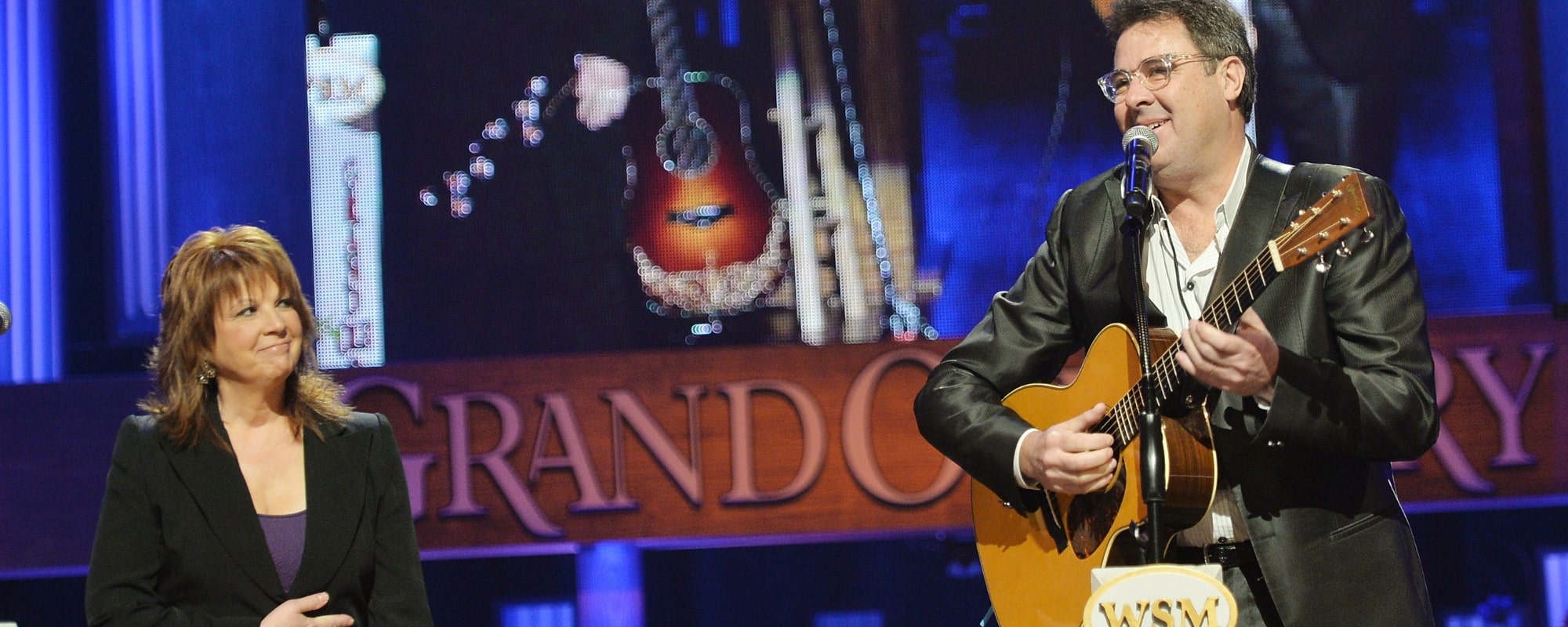
The 2010 Country’s Family Reunion performance elevated the song to legendary status. Filmed in a cozy, nostalgic studio setting designed to evoke the golden age of country, the show brought together icons for unplugged tributes and stories. When Gill began strumming the familiar chords and singing those opening lines, something magical happened. The room—filled with seasoned performers who had seen and sung it all—fell completely silent. No chatter, no applause between verses, just pure absorption. The collective hush spoke volumes: here was a song that didn’t demand attention but commanded it through sheer emotional truth. Viewers watching the clip years later still report chills, describing it as “absolutely beautiful” and “well done Vince.”
What makes “Look at Us” timeless is its portrayal of love as quiet endurance. It doesn’t dwell on grand gestures or passionate highs and lows; instead, it honors the daily acts of loyalty—showing up when life gets hard, laughing at inside jokes accumulated over decades, and offering comfort without words. The lyrics reflect on shared memories: raising children, facing hardships, growing old side by side. “Look at us / We’re still holding on / Look at us / Still going strong.” In a world obsessed with instant gratification, the song reminds us that real love often looks like persistence, forgiveness, and gentle companionship.
Fan stories amplify this resonance. Beyond the poignant comment about a husband singing it nightly before his passing, others share how it evokes their own parents: “Reminds me of my mom and dad. I could listen to Vince all day.” These anecdotes reveal the song’s role as a bridge between generations, a lullaby for long marriages, and a balm for grief. When a spouse uses it as a bedtime ritual, it becomes more than music—it becomes ritual, affirmation, legacy. The husband’s nightly serenade, right up to his final days, embodies devotion in its purest form: using art to say “I love you” one last time, every time.

Vince Gill’s career provides the perfect backdrop for such emotional depth. Born in 1957 in Norman, Oklahoma, Gill honed his craft in bluegrass bands before breaking through in the 1980s with Pure Prairie League and then as a solo artist. His catalog brims with tender ballads—”When I Call Your Name,” “I Still Believe in You”—but “Look at Us” stands out for its marital focus. Gill himself has spoken about drawing from personal experiences, though he keeps details private. His marriage to Amy Grant since 2000 adds layers; the couple’s blended family and mutual support mirror the song’s themes. Gill’s technical mastery—multiple CMA and Grammy wins, including Song of the Year honors—never overshadows his humility. Fans praise not just his voice but his character: “Love you Vince.”
The broader context of country music enhances the song’s impact. The genre has long chronicled love’s lifecycle, from courtship to loss. Songs like George Jones’ “He Stopped Loving Her Today” or Tammy Wynette’s “Stand by Your Man” explore devotion’s complexities, but “Look at Us” uniquely celebrates longevity without sentimentality. In 1991, amid shifts toward pop-country crossovers, Gill stayed rooted in traditional values—family, fidelity, reflection—making the track feel like a quiet rebellion against flashiness.
The 2010 performance gains extra weight in hindsight. Country’s Family Reunion aimed to preserve legacies, and Gill’s moment became one of its defining ones. Surrounded by peers who understood the craft’s history, his vulnerability invited shared silence—a rare gift in a noisy industry. Clips circulate online, garnering comments like “Most beautiful voice in music” and “I love this song.” Each replay keeps the emotion alive.
For those who’ve lost partners, the song offers solace. The fan’s story of nightly singing before death transforms grief into gratitude: love expressed fully until the end. It reminds us that real love isn’t perfect—it’s present. In illness, in aging, in final breaths, showing up with a song or a hand says everything.
Gill continues creating; recent projects include extending his 50 Years from Home collection with new EPs and reflecting on creative stretches. Yet “Look at Us” endures as a cornerstone. Whether in a 1991 studio, a 2010 reunion, or a quiet bedroom decades later, it speaks the same truth: look at us—after all these years, still here, still loving.
In an era of fleeting connections, Vince Gill’s performance and this timeless ballad remind us what real love looks like: not fireworks, but a steady flame that warms through the coldest nights. It’s the husband singing softly to his wife one last time, the wife cherishing every note, and the music that carries their story forward. That, truly, is forever.
News
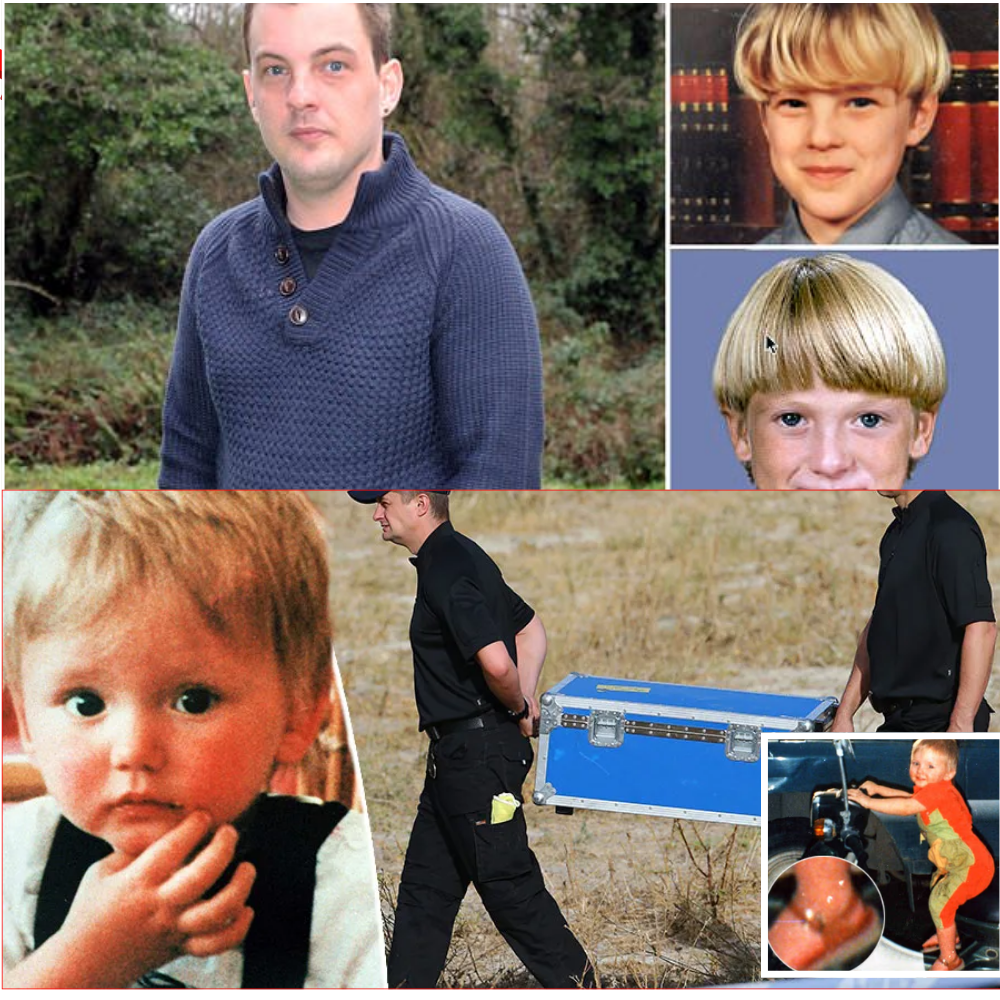
😢 “She’s Waited 35 Years… Now One DNA Test Could Bring Her Baby Home – Or Break Her Again” 🩸 New Photos & Adoption Mystery Explode Online
Ben Needham Latest Update: New Photos and DNA Test Spark Fresh Hope in One of the Longest Toddler Missing Mysteries; What We Know So Far The disappearance of Ben Needham remains one of Britain’s most enduring and heartbreaking unsolved cases. In July 1991, the 21-month-old toddler vanished without a trace from a family farm on […]

Shocking Footage Emerges: Ex-TOWIE Jordan Wright Desperately Sprinting, Clutching Truck in Fear – Hours Later His Body Lies in Thailand’s Murky Drain
The paradise of Phuket’s Bangtao Beach area, with its luxury resorts, infinity pools overlooking the Andaman Sea, and vibrant nightlife, turned sinister in the early hours of March 13, 2026. Grainy black-and-white CCTV footage, now haunting viewers worldwide, captures the final documented moments of 33-year-old Jordan Wright—a former star of The Only Way Is Essex […]

Heartbreaking & Suspicious 😱 Jessi Pierce & 3 Adorable Kids Die in Minnesota House Fire – Husband Miraculously Away…
The early morning silence in White Bear Lake, Minnesota, was brutally shattered on March 21, 2026, when a ferocious blaze erupted from the modest single-family home on the 2100 block of Richard Avenue. Around 5:25 a.m., neighbors were jolted awake by the roar of flames and the thick, choking smoke that poured into the frigid […]

“UMBRELLA” BUT MAKE IT SOUL-CRUSHING! 😍 Braden Rumfelt delivers the most emotional Idol performance ever… from whisper to chills in seconds! Who’s replaying? 🔁💥
“HE DIDN’T JUST SING… HE MADE EVERYONE FEEL IT.” When Braden Rumfelt stepped onto the American Idol stage, no one expected the kind of moment that followed. Covering a hit by Rihanna, he delivered a smooth, emotional performance that instantly shifted the energy in the room. From the first note, it felt different. His voice […]

THE HIDDEN SIDE OF AMERICAN IDOL NO ONE SEES! 😢 Missouri mom Hannah Harper opens up about guilt, exhaustion & rising pressure in Top 14 👶🎤 Who’s Team Hannah?
Missouri native Hannah Harper is opening up about the reality behind her American Idol journey, admitting the challenge of balancing life as a stay-at-home mom while stepping into the spotlight. As she competes for America’s vote in the Top 14, the pressure is only growing. Behind the scenes, Hannah revealed the demanding schedule, emotional weight, […]
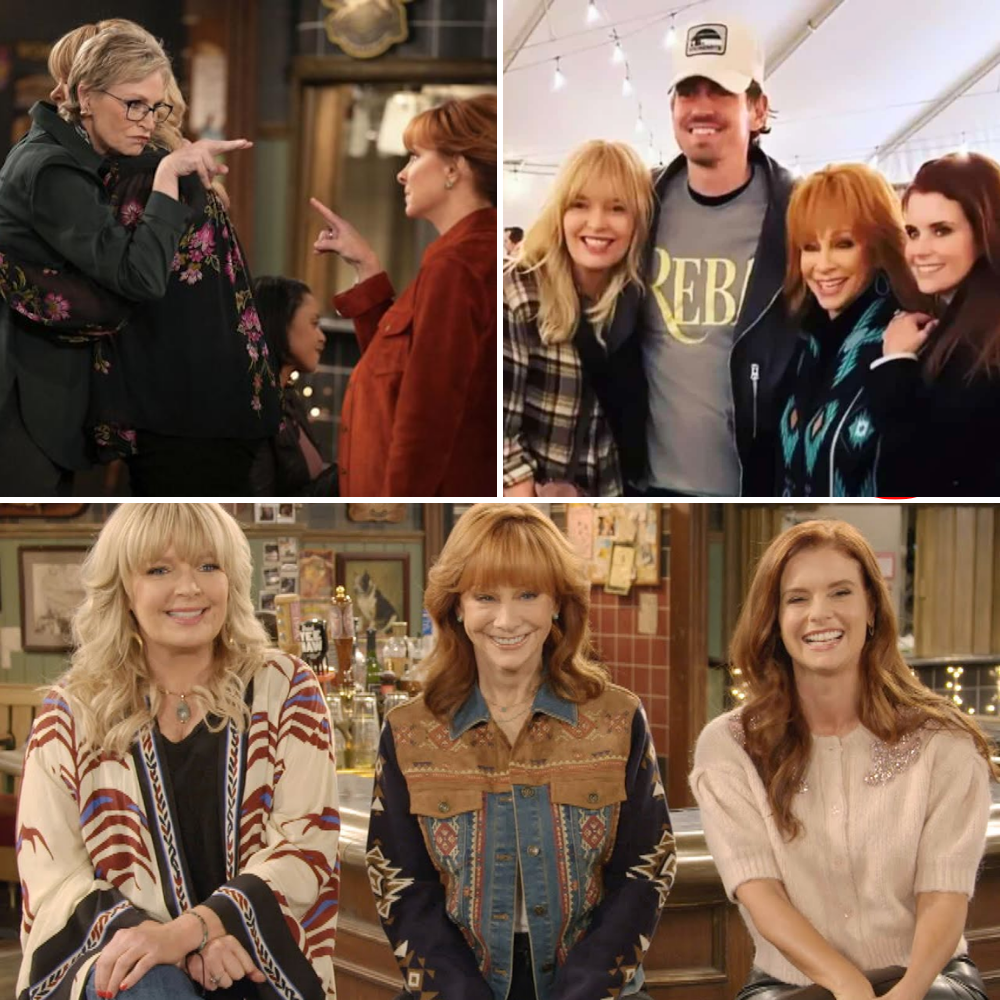
19 YEARS LATER… REBA CAST REUNITED & IT FEELS LIKE NO TIME PASSED! 🔥 Hugs, laughs, & epic prank call to JoAnna! This healed my 2000s heart 😍
After 19 Years… The Reba Family Is Finally Back Together. Time may pass, shows may end, but some bonds never fade. Nearly two decades after the beloved sitcom Reba left our screens, the cast reunited for the first time on the set of Happy’s Place. The moment they saw each other again, it felt like […]
End of content
No more pages to load