A heartbreaking story of exclusion and eventual justice has gripped the nation once more, highlighting the ongoing fight for true inclusivity in live music experiences. In August 2024, 12-year-old Halle Bauman, a talented member of the Sioux Falls Children’s Choir, prepared for what should have been the highlight of her young life: joining the legendary rock band Foreigner on stage at the Denny Sanford PREMIER Center in Sioux Falls, South Dakota, to sing backup during one of their iconic performances. Instead, she was devastatingly turned away—not because of her voice or talent, but because she uses a wheelchair. The production team cited inadequate preparation time, safety concerns involving pyrotechnics, and the wheelchair itself as a supposed hazard, denying her access even before she reached the venue. Nearly two years later, in March 2026, the U.S. Department of Justice announced a settlement with the responsible production company, awarding Halle’s family $23,500 and mandating sweeping ADA compliance changes. Yet the emotional scars remain, sparking renewed conversations about accessibility, empathy, and the responsibility of entertainment giants to ensure no fan is left behind because of a disability.

Halle Bauman, a bright and passionate 12-year-old from South Dakota, had been singing with the Sioux Falls Children’s Choir for some time. Choir participation gave her joy, confidence, and a sense of belonging in a community that celebrated her abilities rather than focusing on limitations. When Foreigner—famous for timeless anthems like “I Want to Know What Love Is,” “Cold as Ice,” “Urgent,” and “Juke Box Hero”—announced a special collaboration inviting local choir students to join them on stage for a song, Halle was thrilled. The opportunity felt like a dream come true: performing alongside one of the bands her family listened to, feeling the rush of live music, and sharing the spotlight with friends from the choir.
The choir organizers knew about Halle’s wheelchair use from the start. Months in advance—reports indicate as early as April 2024—communications were sent to the concert production team detailing the need for accommodations. A ramp or lift would be required for stage access, standard requests under the Americans with Disabilities Act (ADA), which mandates reasonable modifications for public events. The PREMIER Center venue itself offered solutions and had experience hosting accessible events. Yet, when the night arrived in late August 2024, everything unraveled.
Halle and her mother, Christa Bauman, were en route to the venue when Christa’s phone rang. On speakerphone, Katie Kirkland from the PREMIER Center delivered the crushing news: access to the stage had been revoked. The production team claimed they were unprepared, unaware Halle would be performing onstage (despite prior notifications), lacked time to install a ramp or rearrange equipment, and deemed the pyrotechnics on stage too dangerous for a wheelchair user. The wheelchair was even labeled a potential hazard. Devastated, Christa turned the car around. Halle, listening to every word, felt the weight of rejection sink in. “Halle was rightfully hurt and confused and devastated,” Christa later shared. The family never made it inside for the performance Halle had rehearsed so hard for.
The reasons offered by the production company—Counter Productions—felt flimsy to many. Pyrotechnics are common in rock shows, yet other venues routinely accommodate mobility devices with barriers, positioning adjustments, or alternative access points. The claim of “no time” ignored months of advance notice. Christa described the excuses as signs of laziness: “They were lazy and didn’t want to deal with it.” She pointed out that the venue had offered accessibility alternatives, but the production team declined to implement them.
Foreigner themselves were not directly blamed. Bassist Jeff Pilson issued a public apology on Facebook: “We’re deeply disappointed in the mistake made by our team and understand the impact it had on this talented young fan. We believe music should be inclusive for all and are taking steps to ensure our shows are accessible to everyone. We hope to make it up to her and her family, and we’re committed to doing better in the future.” The band emphasized that tour managers and production handled logistics, and they were unaware of the specific issue until after the fact.
Public reaction poured in swiftly after local news outlets like KELO-TV and the Argus Leader covered the story in August 2024. Social media erupted with support for Halle, outrage at the exclusion, and calls for accountability. Fans shared stories of their own accessibility struggles at concerts, while others praised Foreigner’s music but criticized the handling. Comments ranged from empathy—”This breaks my heart; she deserved to shine”—to frustration—”How can a rock band preach freedom and then exclude someone?” The incident highlighted a broader issue: live events often fail disabled attendees despite legal requirements.
Nearly two years passed before formal resolution. On March 14, 2026, United States Attorney Ron Parsons announced the Department of Justice settlement with Counter Productions for ADA violations. The agreement required $23,500 paid to the Bauman family as compensation and mandated new training for employees on disability accommodations, policy reviews, and proactive measures for future events. Parsons clarified: the band was “not aware of the situation and was not responsible for it.” The PREMIER Center had offered solutions but wasn’t the primary violator.
The settlement brought financial acknowledgment and forced systemic change, yet it couldn’t erase the emotional impact on Halle. At 12, she had faced rejection not for lack of talent, but for a mobility aid that should never have been a barrier. Christa reflected on the broader lesson: music events should be spaces of joy and inclusion, not exclusion. Halle’s story became a rallying point for disability advocates in South Dakota and beyond, who argued that accommodations like ramps or lifts are not luxuries but necessities.
Foreigner’s legacy—built on anthems of resilience and connection—now carries this shadow. The band has since emphasized inclusivity in statements, but the incident serves as a cautionary tale for the industry. Promoters, venues, and artists must prioritize ADA compliance from planning stages, not as an afterthought. Pyrotechnics, lighting, and staging can be adjusted; human dignity cannot.
Halle’s experience also underscores the power of young voices. Choir participation had built her confidence; the denial tested it. Yet her story has inspired others. Families of disabled children share similar frustrations online, pushing for better policies. Advocacy groups highlight how exclusion reinforces isolation, while inclusion fosters belonging.
In Sioux Falls, the PREMIER Center continues hosting major acts, now under greater scrutiny for accessibility. The settlement’s training requirements aim to prevent repeats. For Halle, now approaching her teens, the chapter closes with partial justice. She missed one stage moment, but her resilience—and the conversations it sparked—may open doors for countless others.
This isn’t just about one girl and one concert. It’s about ensuring every fan, regardless of ability, can experience the transcendent power of live music. Halle Bauman deserved her moment in the spotlight. The settlement acknowledges the wrong; the real victory lies in the changes that follow, so no child ever hears “no” simply because they roll instead of walk.
The roar of the crowd, the pulse of the music, the shared energy—these belong to everyone. Halle’s story reminds us that true rock ‘n’ roll spirit includes lifting up those who face barriers, not blocking their path. As Foreigner’s hits continue to play, may the lesson endure: inclusion isn’t optional—it’s the only way the music truly unites us all.
News
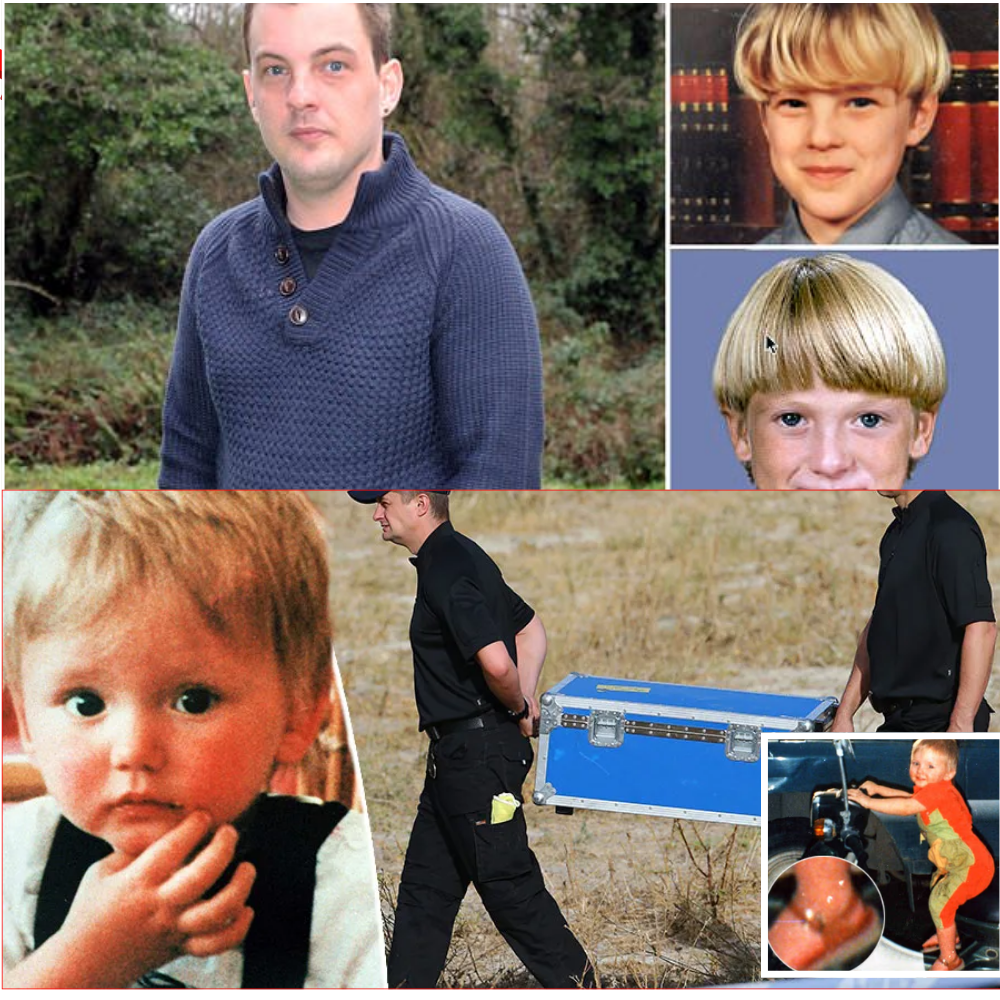
😢 “She’s Waited 35 Years… Now One DNA Test Could Bring Her Baby Home – Or Break Her Again” 🩸 New Photos & Adoption Mystery Explode Online
Ben Needham Latest Update: New Photos and DNA Test Spark Fresh Hope in One of the Longest Toddler Missing Mysteries; What We Know So Far The disappearance of Ben Needham remains one of Britain’s most enduring and heartbreaking unsolved cases. In July 1991, the 21-month-old toddler vanished without a trace from a family farm on […]

Shocking Footage Emerges: Ex-TOWIE Jordan Wright Desperately Sprinting, Clutching Truck in Fear – Hours Later His Body Lies in Thailand’s Murky Drain
The paradise of Phuket’s Bangtao Beach area, with its luxury resorts, infinity pools overlooking the Andaman Sea, and vibrant nightlife, turned sinister in the early hours of March 13, 2026. Grainy black-and-white CCTV footage, now haunting viewers worldwide, captures the final documented moments of 33-year-old Jordan Wright—a former star of The Only Way Is Essex […]
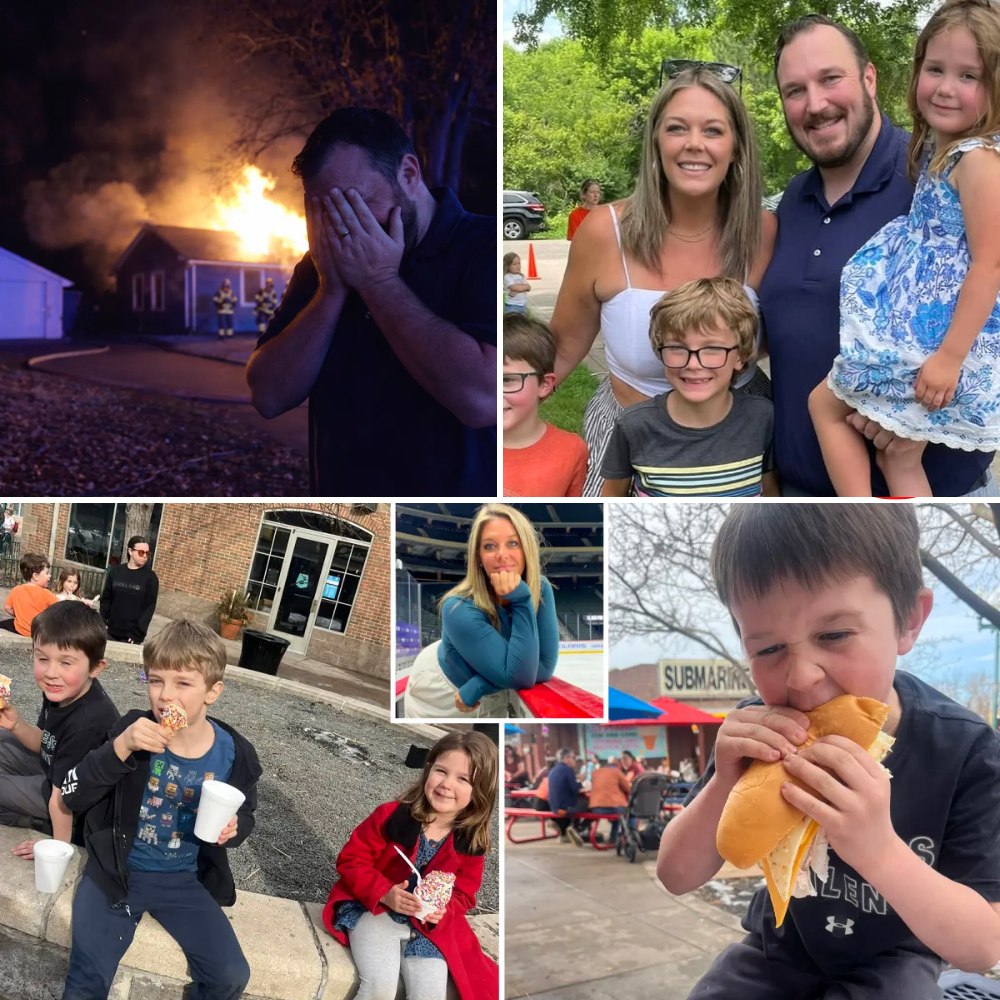
Heartbreaking & Suspicious 😱 Jessi Pierce & 3 Adorable Kids Die in Minnesota House Fire – Husband Miraculously Away…
The early morning silence in White Bear Lake, Minnesota, was brutally shattered on March 21, 2026, when a ferocious blaze erupted from the modest single-family home on the 2100 block of Richard Avenue. Around 5:25 a.m., neighbors were jolted awake by the roar of flames and the thick, choking smoke that poured into the frigid […]
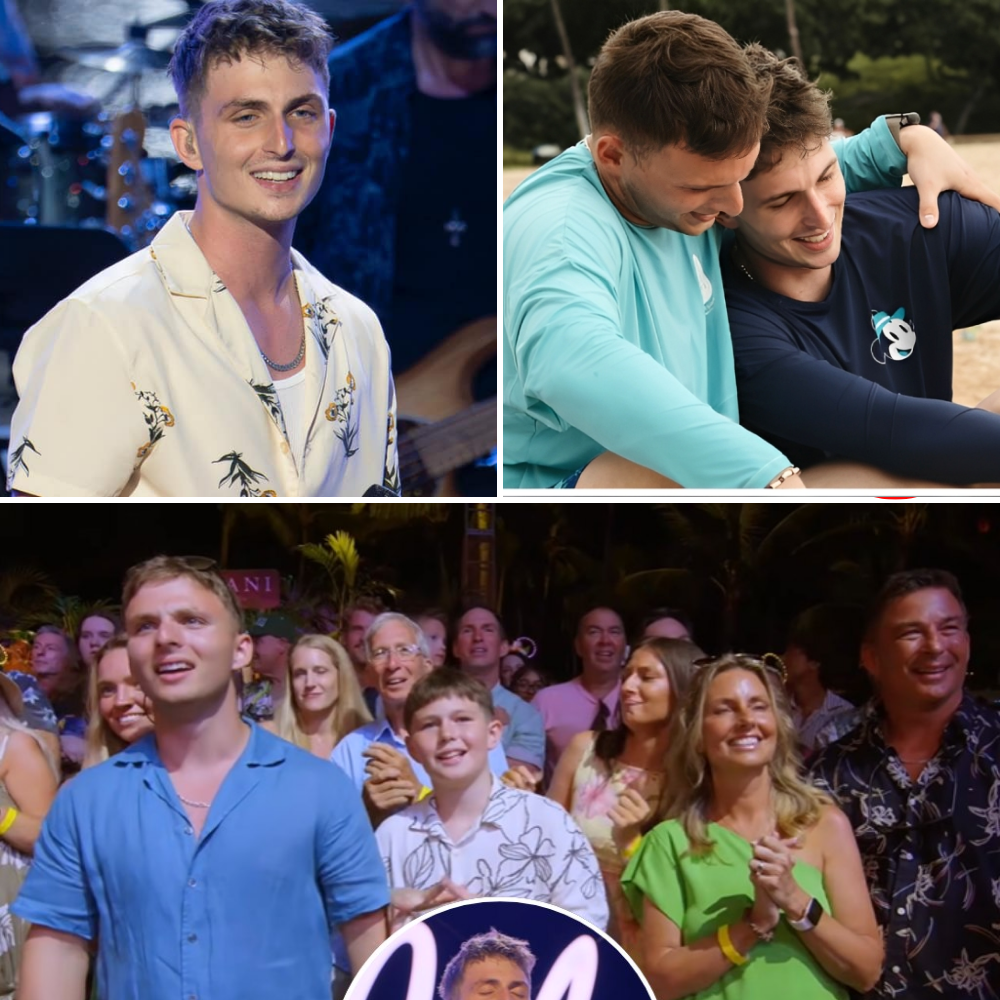
“UMBRELLA” BUT MAKE IT SOUL-CRUSHING! 😍 Braden Rumfelt delivers the most emotional Idol performance ever… from whisper to chills in seconds! Who’s replaying? 🔁💥
“HE DIDN’T JUST SING… HE MADE EVERYONE FEEL IT.” When Braden Rumfelt stepped onto the American Idol stage, no one expected the kind of moment that followed. Covering a hit by Rihanna, he delivered a smooth, emotional performance that instantly shifted the energy in the room. From the first note, it felt different. His voice […]
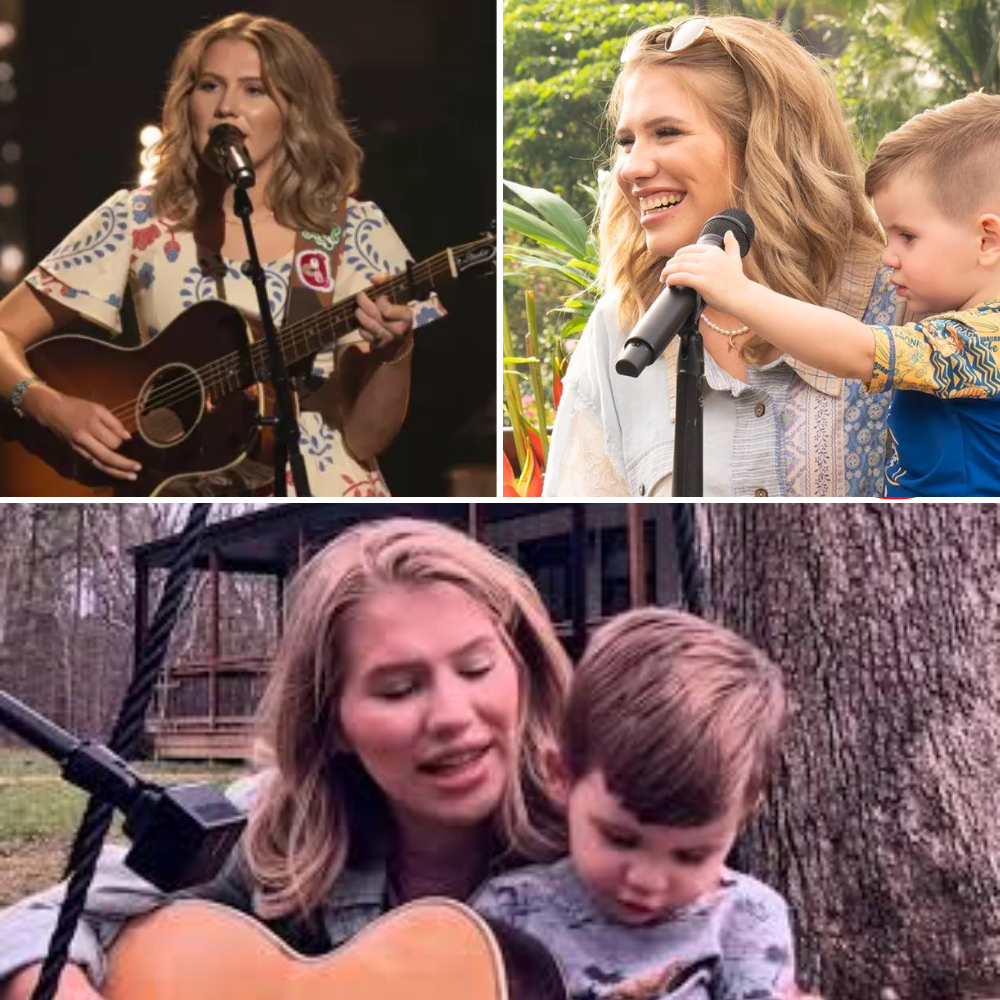
THE HIDDEN SIDE OF AMERICAN IDOL NO ONE SEES! 😢 Missouri mom Hannah Harper opens up about guilt, exhaustion & rising pressure in Top 14 👶🎤 Who’s Team Hannah?
Missouri native Hannah Harper is opening up about the reality behind her American Idol journey, admitting the challenge of balancing life as a stay-at-home mom while stepping into the spotlight. As she competes for America’s vote in the Top 14, the pressure is only growing. Behind the scenes, Hannah revealed the demanding schedule, emotional weight, […]

19 YEARS LATER… REBA CAST REUNITED & IT FEELS LIKE NO TIME PASSED! 🔥 Hugs, laughs, & epic prank call to JoAnna! This healed my 2000s heart 😍
After 19 Years… The Reba Family Is Finally Back Together. Time may pass, shows may end, but some bonds never fade. Nearly two decades after the beloved sitcom Reba left our screens, the cast reunited for the first time on the set of Happy’s Place. The moment they saw each other again, it felt like […]
End of content
No more pages to load